In this guide
The best meal we served a guest last autumn never left the house. A family of six had spent the day on the water, come back sun-tired and salt-stiff, and swum in the pool while a cook they had met that morning turned the day's catch into dinner on the deck. By the time the light went orange over the bay, there was a whole fish off the grill, a clay pot of moqueca still muttering to itself, prawns, rice, a bowl of farofa, and a jug of caipirinha sweating on the table. Nobody looked at a phone. Nobody drove anywhere. That is the case for a private chef in a Paraty villa, made in a single evening.
Paraty is a serious food town — recognised by UNESCO as a Creative City of Gastronomy, ringed by fishing communities and cachaça distilleries, and full of seafood houses worth the walk. You should eat out here; the colonial centre after dark is one of the pleasures of the coast. But there is a particular kind of evening you can only have by staying in: a table with a three-way view of Paraty, Angra dos Reis and Ilha Grande, food cooked to your pace, and no clock running. A hillside chalet with an infinity pool, a wide deck and a proper kitchen is built for exactly that.
This is a practical guide to doing it well — how hiring a private chef or a local cook actually works on this coast, what caiçara cooking is and what a good chef will make, how provisioning happens, and how to shape the perfect long lunch by the pool and the perfect seafood dinner on the deck. It is written for guests coming up from São Paulo and Rio, and for those flying in from further away who want the trip's best meal to be one they remember rather than one they queued for.
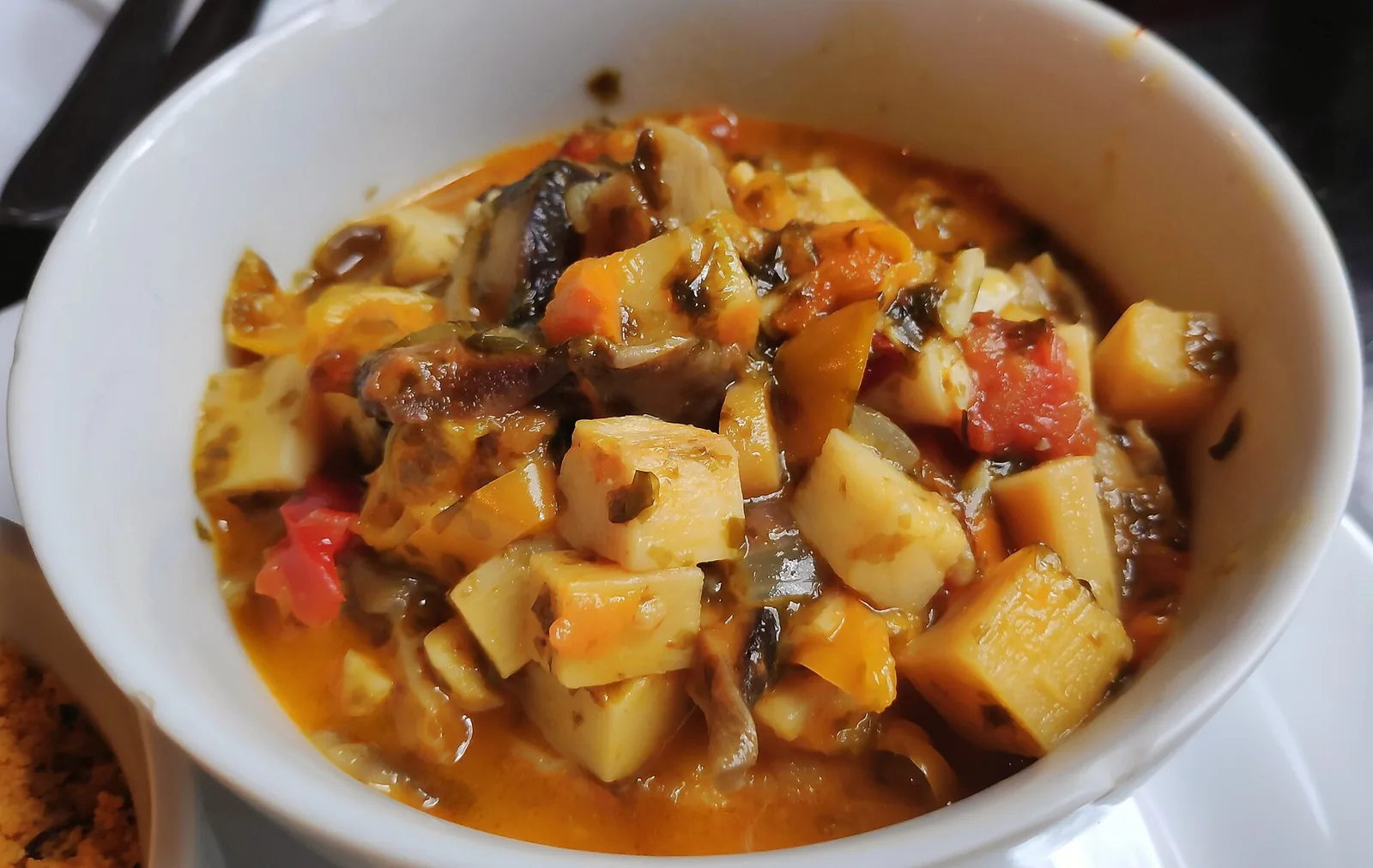

Why dine in above the bay
The obvious luxury of a private chef is that someone else cooks. The real luxury is subtler: it is the evening itself. Restaurants run on other people's timing — a table booked for eight, a kitchen that closes, a bill that arrives before you are ready, a drive or a taxi back up the hill afterwards. Dining in removes all of that. The meal starts when you are hungry, moves at the pace of the conversation, and ends when the last person drifts off to the pool or to bed.
There is also the setting, which no restaurant on this coast can match, because the setting is where you are staying. The deck at the chalet looks out over the water toward three of the Costa Verde's landmarks at once, and the light does most of the work an interior designer would charge for. A meal eaten there while the sun drops behind the islands is not a better version of a restaurant dinner. It is a different thing entirely, closer to a dinner party thrown by a friend with an unfair view. You can read more about the house itself on the chalet page, but the short version is that it was designed around this deck and this view, and food is one of the best excuses to use them.
For families and groups, dining in solves a logistical knot as well. Getting six or eight people, some of them small or elderly, dressed and down the hill to a restaurant and back is its own small expedition. Feeding everyone well at home — with children who can eat early and swim, and adults who can linger — is simply easier. And for couples on a honeymoon or a quiet escape, a chef who cooks and then disappears leaves you with the rarest thing of all: a restaurant-quality meal and total privacy in the same evening.
The finest restaurant on this coast is often the one with no sign, no reservation and no drive home — just a chef, the day's catch, and a deck 400 metres above the bay.
Chef, cook or caterer: what you are actually hiring
On this coast the word "chef" covers a range, and it helps to know which you want before you ask. The differences are real, and each suits a different kind of stay.
The private chef
A private chef designs a menu, shops for it, cooks it in your kitchen and often plates and serves it, then cleans down and leaves the kitchen as they found it. This is the full-service option: you agree a menu and a budget, and the evening is handled end to end. It is the right choice for a milestone dinner, a special occasion, or simply a night you want to be a genuine event. Expect a conversation beforehand about tastes, allergies and how adventurous you want the food to be.
The local cook
Many of the best home meals on the Costa Verde come from local cooks — often women from the fishing communities — who make caiçara food the way it is made at home, without the restaurant framing. This tends to be warmer, more generous and less composed: a big pot of moqueca, a whole fish, plenty of sides, and second helpings pressed on you. It is usually more affordable than a named chef, and for many guests it is the more memorable meal precisely because it is unfussy and rooted in the place.
The caterer or drop-off
For a lunch by the pool or a relaxed grazing day, you may not need anyone in the kitchen at all. Some cooks and small kitchens will prepare food and drop it off — a spread of cold plates, grilled seafood to reheat, salads, fruit — that you lay out yourself. This suits days when you want the food handled but the house to yourselves, with no service to think about. It also pairs well with a stocked fridge for the rest of the stay.
None of these are hard to arrange, and the choice often comes down to the evening you are picturing. If you are unsure, tell your host what kind of night you want rather than which job title you think you need — "a proper seafood dinner on the deck for eight" or "easy food by the pool while the kids swim" gets you to the right person faster than a menu ever could. We help guests sort this through the contact page, and it is one of the more enjoyable parts of planning a stay.

The caiçara table: the food of this coast
To hire well, it helps to know what you are hoping to eat. The traditional cuisine here is caiçara — the food of the coastal communities that have fished and farmed this shoreline for centuries, blending Indigenous, Portuguese and African cooking into something particular to the Costa Verde. It is built on what the sea and the forest give up: fish and shellfish, cassava in every form, green and ripe banana, coconut, palm heart, and the herbs that grow in every backyard. If you want the deeper story, our guide to caiçara culture and the journal's overview of Brazilian gastronomy both go further than we can here.
A few dishes come up again and again, and a good chef or cook will offer some version of most of them:
- Moqueca — the coast's signature stew, fish or prawns simmered with tomato, onion, garlic, coriander, coconut milk and dendê (palm oil), served straight from its clay pot with rice and pirão. It is rich, fragrant and generous, and it is the dish most worth building an evening around.
- Azul-marinho — a caiçara icon and a genuine local curiosity: fish stewed with green banana, which turns the broth a deep blue-grey. It is rarely on tourist menus and all the more worth asking for because of it.
- Grilled whole fish — often whatever came in that morning, cooked simply over heat with lime and salt, letting the fish speak for itself. Robalo (snook), badejo (grouper) and dourado all turn up depending on the catch.
- Prawns and shellfish — the bay is generous with prawns, and they appear grilled, in moqueca, in a bobó (thickened with cassava purée), or simply piled with garlic and lime.
- The supporting cast — rice, black or brown beans, farofa (toasted cassava flour), pirão, palm heart, and salads of tomato and onion. These are not afterthoughts; on a caiçara table they carry the meal.
What makes it all work is proximity. This is food that never travelled far to reach the plate — fish landed that morning, produce from farms in the hills behind town, herbs cut on the way to the kitchen. A restaurant flattens some of that. A chef cooking in your kitchen, from a market bag they filled at dawn, does not.
Provisioning: where the food comes from
Half the pleasure of a chef-cooked meal here is that the shopping is a real event, and it is worth understanding even if you never lift a bag yourself. Provisioning on this coast means a few different sources, and a good cook uses all of them.
The fish comes off the boats. Paraty is still a working fishing town, and the freshest seafood is what the boats bring in that morning — sold at the harbour end, at stalls near the water, and to the cooks who know which boats to wait for. A chef will build the menu around what is actually good on the day rather than promising a specific fish a week out, which is exactly the flexibility you want. If your heart is set on a particular dish, say so, but trust a cook who steers you toward the better catch.
The produce comes from the market and the hills. The town market and the smaller grocers carry the fruit, vegetables, beans and cassava that fill out a caiçara meal, much of it grown in the Serra da Bocaina foothills behind Paraty. Passion fruit, lime, banana in several stages of ripeness, coriander, palm heart — the building blocks of the table are all close to hand and cheap by the standards most visitors are used to.
The cachaça is local too. Paraty was one of Brazil's great cachaça regions — by the mid-eighteenth century there were reportedly around a hundred distilleries here, and the surviving alambiques still make some of the country's best sugarcane spirit. A chef will often bring a bottle of local cachaça for the caipirinhas, and it is a world away from the industrial stuff. Our guide to the Paraty distilleries and the journal piece on cachaça and caipirinha culture are worth a read if you want to bring a good bottle back to the house yourself.
If you would rather stock the kitchen for the rest of the stay and cook the odd meal yourselves, this is easy to arrange. We can point you to the market and the better supermarkets, or have the fridge stocked before you arrive so your first morning is coffee and fruit on the deck rather than a supermarket run. Tell us on the contact page what you would like waiting for you.
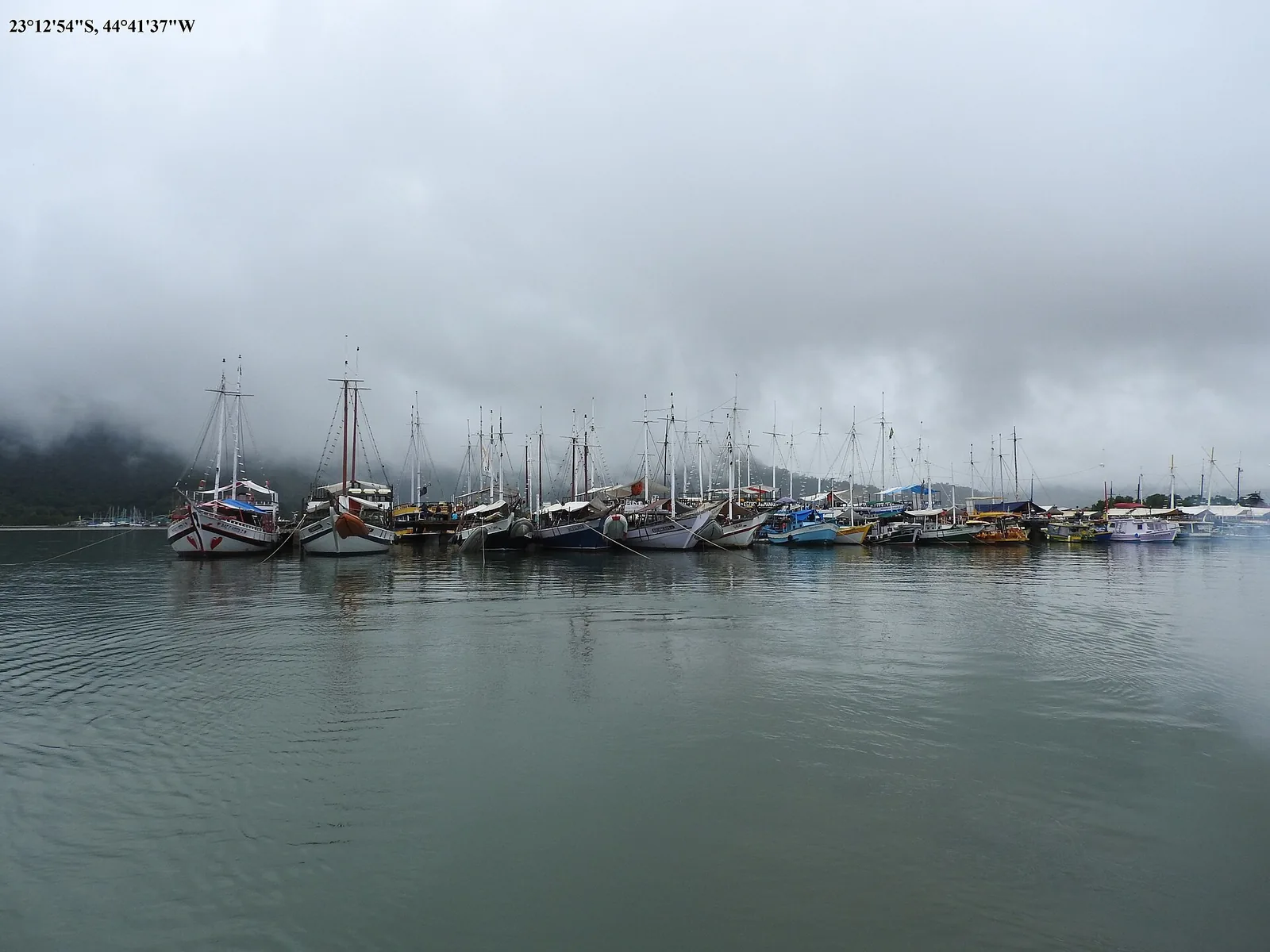

A seafood dinner on the deck
This is the set piece — the meal most guests picture when they imagine a chef at the villa, and the one the house was built to host. Here is how a good one tends to unfold, so you can picture it and plan it.
The afternoon
The cook usually arrives in the late afternoon, market bag full, and takes over the kitchen while you are still out or by the pool. There is a rhythm to it that is pleasant to have in the background: the fish being cleaned, the coconut milk going into the pot, the smell of garlic and coriander starting to fill the house. You do not need to be involved, but many guests drift in for a caipirinha at the counter and end up watching, which cooks here generally welcome.
Sundown
Aim to eat as the light goes. On the deck, the sun drops behind the islands and the bay turns from blue to gold to ink, and the meal is timed around it. Starters tend to be simple and cold — grilled prawns, palm heart, a plate of whatever looked best — laid out while everyone finds a seat and the first caipirinha does its work.
The main event
Then the moqueca comes out in its clay pot, or the whole fish off the grill, or both if the group is large, with the rice, the farofa, the beans and the pirão arranged around it. This is family-style food, passed and shared, and it does not stand on ceremony. A good cook will have judged the quantity generously — there is always more than you think you can eat, and somehow it goes. Dessert, if there is one, is usually fruit-led: a passion fruit mousse, grilled banana, or simply a plate of tropical fruit cut cold.
The whole thing runs on the deck's timing, not the kitchen's. Nobody is turning the table. You sit with the last of the wine and the lights of Paraty coming on across the water, and eventually someone swims, and eventually everyone drifts off. It is, without overselling it, the sort of evening people remember a trip by. If you are the sort of traveller who likes to earn a meal like this, pair it with a day out — a boat trip around the bay, a beach you have to hike to — and come back to it. Our boat tour guide and the wider Paraty explorer are good places to plan the day that precedes the dinner.
Grazing by the pool
Not every meal needs a cook in the kitchen. The other mode of dining in — arguably the one you will use more — is the long, unstructured graze by the pool, where food arrives in stages across the afternoon and nobody quite sits down to a meal at all.
This suits the hottest part of the day, when a full dinner would be too much and the water is the main event. The infinity pool sits at the edge of the deck with the same three-way view, and the ideal lunch here is cold, sharp and easy to eat with wet hands: fruit, cured fish, salads of tomato and onion, palm heart, cheese, cold prawns, bread, and something long and cold to drink. A drop-off caterer or a cook working a half-day can lay all of this out and leave you to it, or you can assemble it yourselves from a stocked fridge.
A few things make pool grazing work better:
- Keep the food in the shade and bring it out in waves rather than laying everything out to wilt in the sun.
- Lean cold and acidic — citrus, tomato, cured and pickled things read better in the heat than anything rich or hot.
- Have more fruit than you think you need. Watermelon, pineapple, mango and passion fruit disappear fast poolside and cost almost nothing at the market.
- Make the caipirinhas in a jug, not one at a time, and keep a non-alcoholic version going for children and drivers — passion fruit with lime and soda does the job.
The point of a grazing day is that there is no event to be late for and no meal to clear. You swim, you eat a little, you read, you eat a little more, and the afternoon dissolves. It is the counterweight to the days out, and it is one of the main reasons to stay somewhere with a pool and a view rather than a room in town. For a sense of how a stay balances active days and slow ones, the Paraty itineraries guide is a useful companion.


Slow mornings and breakfast on the deck
Breakfast is the meal most worth doing yourself, and the one the deck is quietly best for. The Brazilian café da manhã is a generous spread — fresh fruit, cheese, ham, eggs, bread and cake, strong coffee, and juices squeezed from whatever is in season — and it is easy to lay out without any help at all if the fridge is stocked before you arrive.
There is a particular pleasure to the first coffee of the day on the deck, before the heat comes up, with the bay flat and the town still quiet across the water. Many guests find they never make it out for breakfast the whole stay, and never want to. If you would rather not shop, a cook can come in for the first morning or two to set up a full spread; but honestly, a table of fruit, good bread and a pot of coffee you made yourself is hard to improve on when the view is doing the heavy lifting.
For guests arriving late the night before — which, coming up from São Paulo or in from an international flight via Rio, is common — a stocked kitchen matters most on that first morning. Waking to coffee, fruit and eggs on the deck, rather than a drive into town to find breakfast, is the difference between the holiday starting on arrival and starting a day late. Let us know your arrival time and we will make sure the first morning is handled.
Drinks: caipirinhas, cachaça and what to pour
A meal on this coast comes with its own drinks tradition, and it is worth getting right because it is easy and cheap to do well and a shame to do badly.
The caipirinha
The national drink is also the simplest: good cachaça, lime muddled with sugar, ice. The whole thing lives or dies on the cachaça, and here you have the advantage of being in one of the country's best regions for it. A bottle from a Paraty alambique costs little and makes a caipirinha that bears no relation to the ones made with harsh industrial spirit. A chef or cook will usually bring a bottle; if you are self-catering, buy a good local one and you will not regret it. Variations with passion fruit, cashew fruit or lime-and-ginger are all fair game and all easy.
Wine and beer
With a seafood dinner, a crisp cold white or a light rosé does more than a big red, and it survives the heat better. Brazilian sparkling wine is genuinely good and pairs well with a shared caiçara table. Cold beer — served properly cold, the way it is here — is never wrong with prawns by the pool. Bring or buy more than you think you need; the heat makes everyone thirsty and the nearest shop is a drive.
For non-drinkers, children and drivers
The tropics make this easy. Fresh juices — passion fruit, pineapple, watermelon, cashew fruit — are a highlight in their own right, not a consolation, and a jug of virgin caipirinha (lime, sugar, soda) keeps everyone in the same spirit. A good grazing day has as much cold juice going as anything else.
If drinking is part of the plan for a dinner, dining in earns its keep here too: nobody has to drive back up the hill, and the caipirinhas can flow accordingly. It is one more small argument for the meal that ends at your own front door. The journal's piece on cachaça and caipirinha culture is worth reading before you buy a bottle.
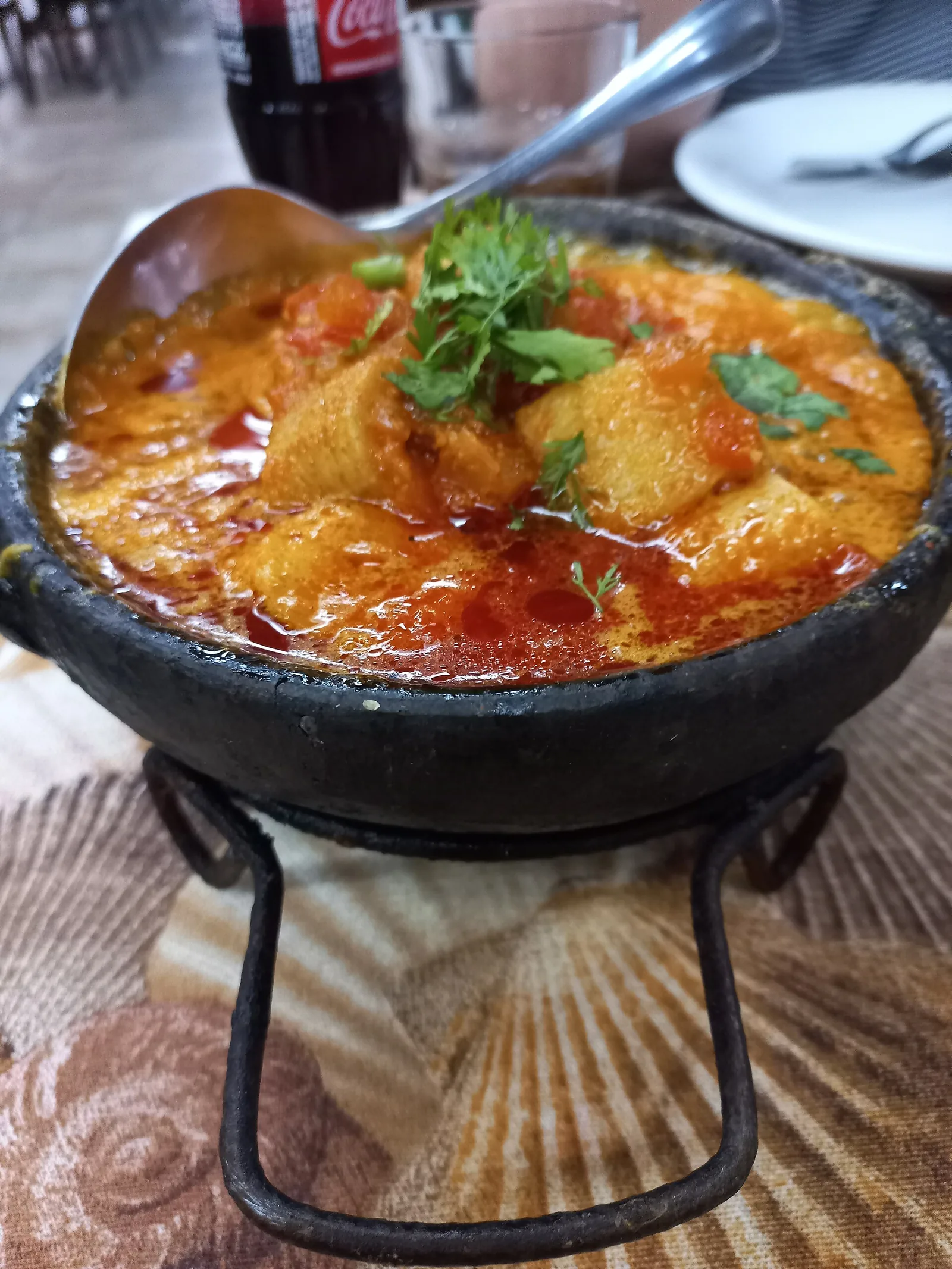

Planning a private chef for your Paraty villa
The practical side is simpler than most guests expect, but a little forethought makes the difference between a good evening and a great one.
How far ahead to book
For a specific date in the December-to-March high season, or around a festival weekend, book the chef as early as you can — two weeks or more is comfortable, and the best cooks go first. Off-season and midweek, a few days' notice is often enough. If you are travelling from abroad and your dates are firm but your energy on arrival is not, lock the chef in for a night a day or two into the stay rather than your first evening, when jet lag and the drive may have caught up with you.
What it costs
Two numbers matter and they are usually quoted separately: the chef's or cook's fee, and the food budget. The fee scales with experience, guest count and how elaborate the menu is; the food is billed at cost or close to it. The headline is that this is more affordable than most first-time visitors assume — a home dinner for a small group often costs less per head than the same meal at a good restaurant once you add the wine markup and the taxis, and a local cook making caiçara food at home can be very reasonable indeed. Ask for both numbers up front, agree the food budget, and there are no surprises.
Dietary needs and preferences
This is where dining in quietly wins. Tell the chef about allergies, vegetarian or vegan guests, children's tastes and any strong dislikes when you book, and the menu is built around them from the start. Caiçara cooking has plenty of naturally plant-forward dishes — palm heart, cassava, beans, tropical fruit and vegetables — so a mixed table is easy to feed well, and a good cook will happily flex. A restaurant makes you the exception; a private chef makes you the whole brief.
How we help
At the chalet we can arrange the chef and the provisioning for you, so you arrive to a plan rather than a project. Tell us the night you have in mind, the number at the table and anything the kitchen needs to know, and we will match you to the right cook and get the shopping sorted. The contact page is the place to start, and the earlier the better in high season.
The kitchen and the house
A chef needs a kitchen worth cooking in, and it is a fair question to ask before you book anyone. The chalet is set up for it: a full kitchen a cook can actually work in, a deck and outdoor table sized for a group, and the pool and its view a few steps away. Practically, that means a visiting cook is not fighting the space — there is room to prep, heat to cook on, and somewhere proper to serve. It is worth confirming the specifics for whatever villa you book, but a house designed around its deck and its view tends to have thought about the kitchen too. You can see how the spaces fit together on the chalet page.
The hillside position matters as much as the kitchen. Sitting about 400 metres above the bay, the chalet is a short drive above the town — close enough that a cook can shop the market and be up with the catch inside an hour, far enough that dinner on the deck feels a world away from the busy centre. That combination — real proximity to the working town, real quiet at the house — is what makes dining in here work. The food is fresh because the market is close; the evening is yours because the house is not.
Dining in for every kind of guest
A private chef is not only for special occasions or big spenders, and the shape of the evening changes usefully with who is at the table.
Families
Dining in solves the hardest part of eating out with children: timing. Kids can eat early and simply — grilled fish, rice, fruit — and be in the pool while the adults sit down properly afterward. A cook who makes generous, unfussy caiçara food is often a better fit for a family than a formal chef. For more on travelling here with children, our family guide to Paraty covers the wider stay.
Couples
For two, a chef who cooks and then leaves gives you a restaurant meal with complete privacy, on a deck with a view no restaurant can offer. It is the obvious move for an anniversary or a honeymoon, and it costs less than you would think for a party of two. The romantic getaway guide leans into this.
Groups of friends
A big shared table of caiçara food, jugs of caipirinha and no bill to split at the end is close to the ideal group dinner. Split the chef's fee across the group and the per-head cost drops fast, which makes the best meal of the trip also one of the better-value ones.
Solo travellers
Even alone, a cook coming in for one good dinner turns an ordinary evening into an occasion, and a stocked kitchen makes the self-catered days easy. There is no rule that says a private chef requires a crowd.
Building the meals into the stay
The best trips here alternate — a day out, a day in, a big dinner, a lazy graze — and the food is part of the rhythm rather than a series of separate errands. A useful way to think about a week is to plan two or three cooked evenings around the days you will most want to come home to, and leave the rest loose.
A boat day around the bay, landing at beaches you can only reach by water, earns a moqueca on the deck that night — see the boat tours guide. A long walk to a quieter beach, or a morning on the Gold Trail in the hills behind town, pairs well with an easy grazing lunch by the pool and an early night. A day exploring the beaches around Paraty ends best with cold prawns and a caipirinha rather than a scramble for a restaurant table. And an evening you deliberately keep free — no plans, no drive — is the one to give the chef.
You will also want at least one or two nights out. The seafood houses and kitchens in town are part of the experience, and the historic centre after dark, all cobblestones and lamplight, is worth walking. Dining in is not a replacement for eating out here; it is the other half of a good week. The trick is to use each for what it does best — the town for atmosphere and variety, the deck for the meals you most want to keep.
Getting here, and arriving to a full fridge
Where you are coming from shapes how you plan the food, and it is worth a word for each.
From São Paulo, the drive down the Serra do Mar to Paraty is a few hours, and many guests arrive tired and hungry after the mountain road. This is the case for arranging a first-night meal or at least a stocked fridge — the last thing you want after that drive is to head back out for dinner. Let us know your rough arrival time and we will have the kitchen ready.
From Rio de Janeiro, the coastal road runs about four hours along the Costa Verde, and it is a beautiful drive but not a short one. Same advice applies: arrive to food, not to an empty kitchen. If you are stopping along the way, the journal's look at Brazil's coastlines maps the route's character.
From abroad, most international guests fly into Rio (or São Paulo) and drive or transfer down from there, often arriving late and jet-lagged. For you especially, a stocked kitchen and a chef booked for a night or two into the stay — not the first evening — is the move. It means the holiday starts with coffee and fruit on the deck rather than a supermarket run in an unfamiliar town, and the best meal of the trip lands when you are rested enough to enjoy it.
However you come, the principle is the same: the kitchen should be working before you are. We would far rather you spent your first evening in the pool watching the light go over the bay than hunting for dinner. For more on the practicalities of getting here and settling in, the explore Paraty pages and our luxury villa guide both go further, and the contact page is where to tell us what you would like waiting for you.
The finest restaurant on this coast, in the end, is often the one with no sign, no reservation and no drive home — just a cook, the day's catch, a jug of caipirinha, and a deck 400 metres above the bay with the light going down over Paraty, Angra dos Reis and Ilha Grande all at once. Book the boat, walk the town, eat out under the lamplight. But keep at least one evening for the table at the house. It tends to be the one people talk about long after the tan has faded.
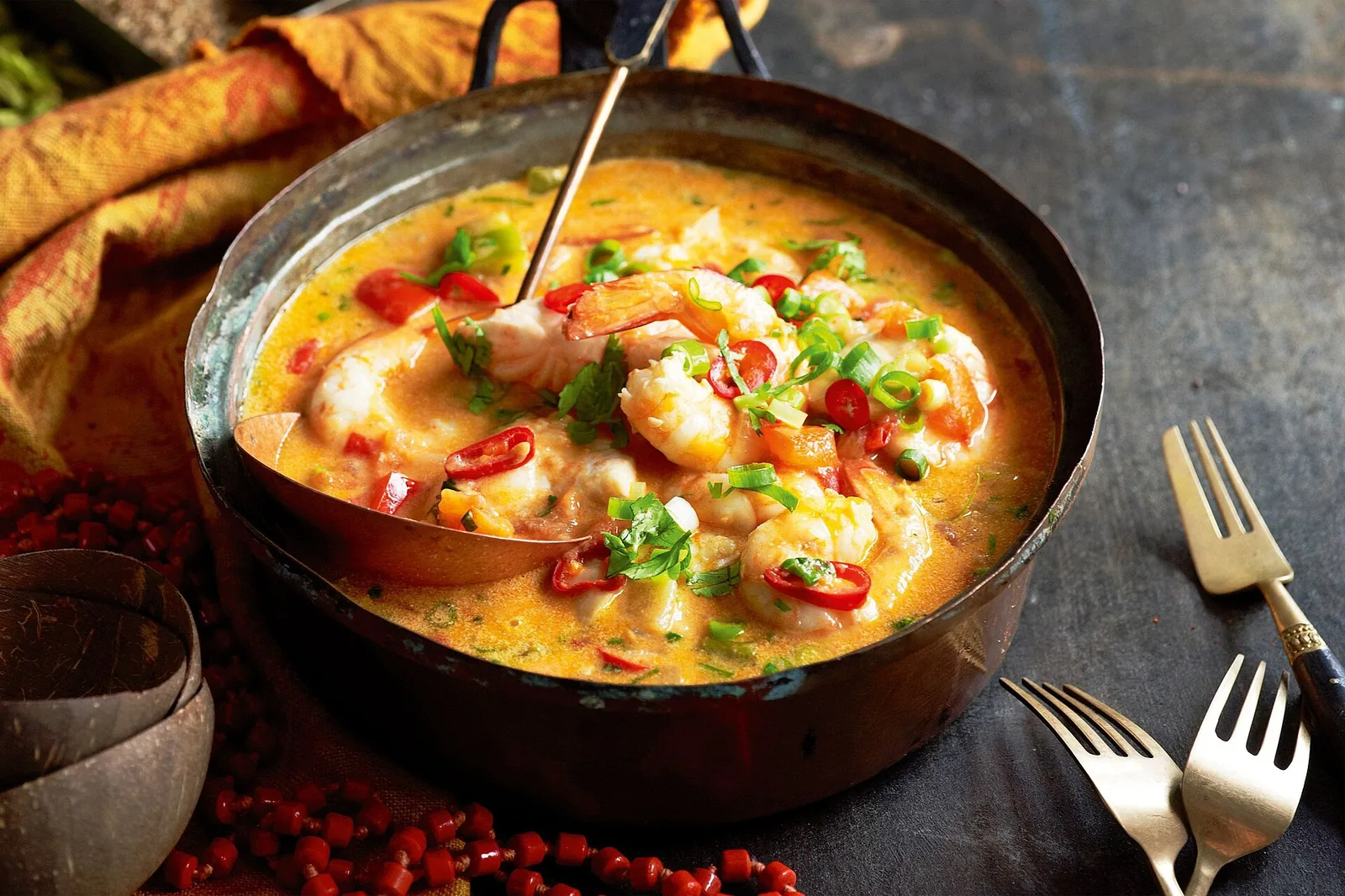

Frequently asked questions
The simplest route is through your villa host, who will know local cooks and chefs who work private stays regularly. Give as much notice as you can — a week or more in high season — along with your dates, guest count and any dietary needs. At Château Portofino we can arrange a chef and the provisioning for you, so you arrive to a stocked kitchen and a plan rather than a to-do list.
It varies with the chef's experience, the number of guests and the menu, and food is usually billed separately from the chef's fee. A single dinner for a small group is far more affordable than most visitors expect, and a chef for several days often costs less per head than the equivalent restaurant meals once you factor in taxis and wine. Ask for the chef's fee and an estimated grocery budget up front so there are no surprises.
Caiçara is the cuisine of this stretch of coast, blending Indigenous, Portuguese and African influences around fish, seafood, cassava, banana and coconut. A chef here will likely offer moqueca, grilled whole fish, prawns, and the local blue-fish stew known as azul-marinho, alongside rice, beans and seasonal produce. Most will happily build a menu around what looked best at the market that morning.
Yes, and it is one of the quiet advantages of dining in. Tell the chef about allergies, vegetarian or vegan guests and any strong dislikes when you book, and the menu is built around them from the start rather than worked around at a restaurant. Caiçara cooking has plenty of naturally plant-forward dishes, so a mixed table is easy to feed well.
No. Most private chefs handle provisioning as part of the service — they shop the markets and fish stalls in the morning and bring everything with them, then bill you for the food. If you would rather stock the kitchen yourself for the rest of the stay, your host can point you to the town market and the better supermarkets, or arrange a delivery before you arrive.
Do both. The historic centre has excellent seafood houses and is worth an evening or two on foot after dark. But a chef at the villa gives you a meal with the bay in view, no drive home and no clock — which is exactly the sort of evening a hillside chalet with a deck and a pool is built for. Many guests eat out early in the stay and dine in for the nights they most want to remember.
For a specific date in the December-to-March high season or around festival weekends, book as early as you can — two weeks or more is comfortable. Off-season and midweek, a few days' notice is often enough. If you are travelling from abroad and juggling flight times, lock the chef in once your arrival day is firm and leave the menu details to sort out closer to the stay.