In this guide
The single most useful thing to understand about visiting Brazil is that it does not have one best season. It has a different best season in every direction you look. This is a country larger than the contiguous United States, reaching from the equator deep into the temperate south, holding rainforest, savanna, wetland, mountain and several thousand kilometres of coast. Asking when to visit Brazil is a little like asking when to visit a continent. The answer depends entirely on which Brazil you mean, and on what you want from it — warm sea, clear skies, wildlife at close range, a festival in full cry, or simply fewer people and a gentler bill.
It also helps to fix one thing in your head before anything else: Brazil is in the southern hemisphere, so the calendar runs upside down to the one most of our guests grew up with. The Brazilian summer falls roughly between December and March, and the winter between June and September. The hottest, liveliest, wettest months are the ones marked Christmas and New Year on your calendar; the cool, dry, comfortable months are the ones you might think of as high summer at home. Get that the wrong way round and you can plan a beach holiday straight into the rainy season, or a wildlife trip into the months when the animals are hardest to find.
We host travellers at a hillside chalet above the Bay of Paraty, on the southeast coast, so I have a particular fondness for that corner of the map and I will be specific about it. But the point of this guide is to step back and take in the whole country at once — to lay out the regions, the seasons, the festivals and the trade-offs, so that you can choose your timing with open eyes. Think of it as the conversation you would have with a well-travelled friend who has watched the seasons turn here.
First, the southern-hemisphere calendar
Everything that follows rests on this, so it is worth a moment. South of the equator, the seasons invert. December, January and February are high summer — long, hot days and, across much of the country, the rainy season. June, July and August are winter — cooler, drier and, for a great deal of Brazil, the more pleasant time to travel. The shoulder months of spring (September to November) and autumn (March to May) sit in between, and these are very often the sweet spots, particularly in the southeast.
There is a second wrinkle. Brazil is so close to the equator across its northern half that large parts of it do not really have a hot-and-cold cycle at all. Near the equator the meaningful distinction is not summer and winter but wet and dry. The Amazon, the northeast and the Pantanal are governed by rainfall, not temperature, and their seasons turn on when the rains come and go rather than on how warm it is. Only as you move south — into the southeast around Rio and São Paulo, and especially into the far south below them — does a recognisable four-season pattern, with genuinely cool winters, take hold.
So when you read that the dry season is best somewhere, hold two ideas at once: in the south it usually means cooler and clearer; near the equator it means less rain and easier going, but the heat barely changes. Both are good reasons to travel, but they feel quite different on the ground.
Brazil does not have one best season; it has a different best season in every direction you look.
The southeast: Rio, the Costa Verde and the coast we know best
This is the Brazil most first-time visitors come for — Rio de Janeiro, the beaches, the colonial coast of the Costa Verde running south toward São Paulo. It has a clear wet and dry pattern. The wet season runs through the summer, roughly December to March, and it is the time of heavy, sometimes dramatic afternoon downpours; the drier, cooler season runs from about April or May through September.
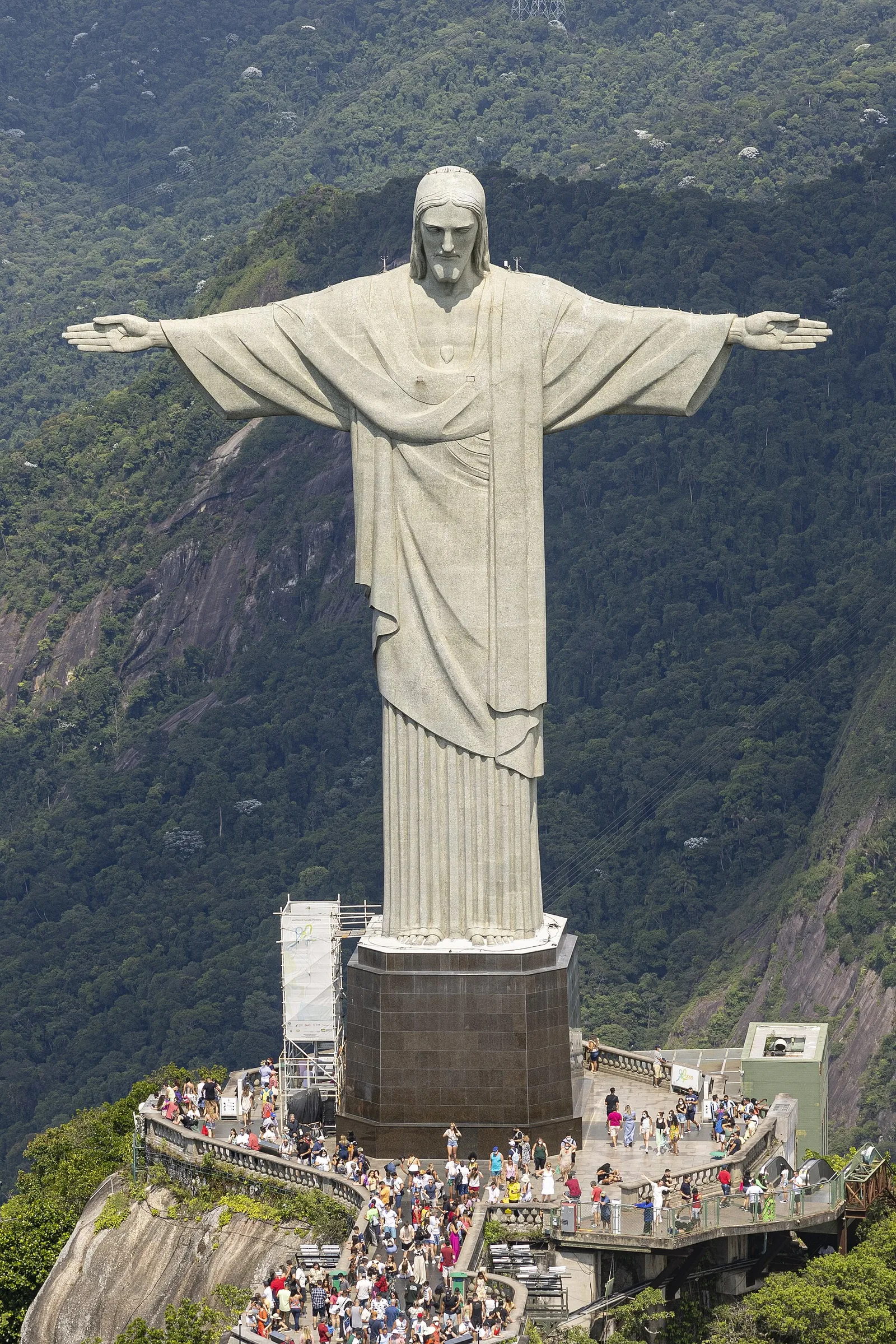
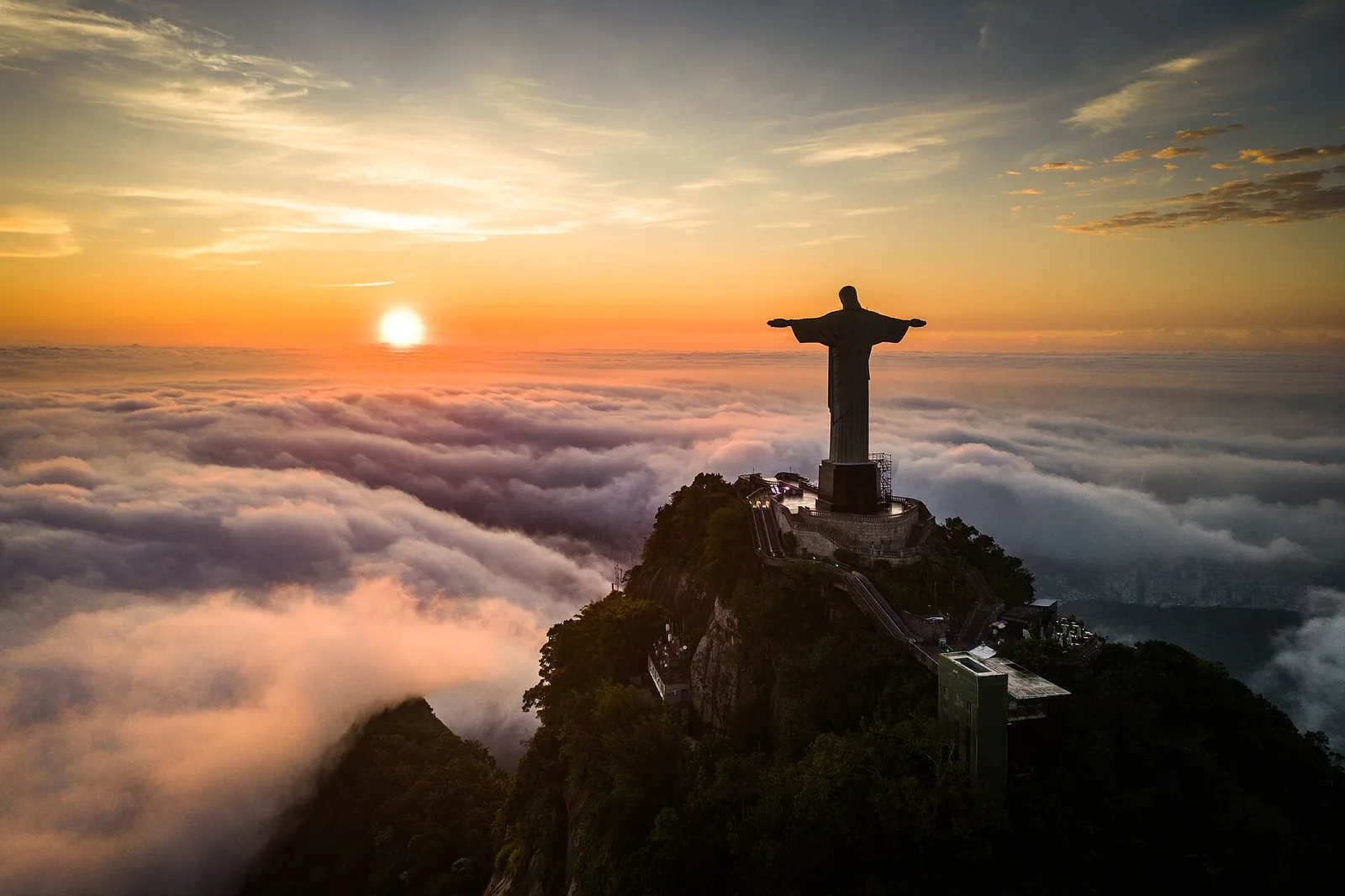
For most travellers, the dry winter — say May through September — is the safe, sensible choice for the southeast. The skies are clearer, which matters more than you might think when the whole point of a place like Rio is the view: a clouded-in Christ the Redeemer is one of the great anticlimaxes of travel, and your odds of a clear summit are simply better in the dry months, and better still first thing in the morning. The sea is cooler than in summer but perfectly swimmable, the air is less heavy, and the crowds outside the holiday peaks are thinner. The trade-off is that it is winter: warm by European standards but not the tropical furnace some people picture, and you will want a layer for the evenings, especially up in the hills.
Summer in the southeast is glorious and difficult in equal measure. The sea is at its warmest, the days are longest, the beaches and bars are at their most alive, and the whole coast hums. But it is also the rainy season, the most humid time, the busiest, and the most expensive — and the rain, when it comes, can be torrential, with the added risk in the mountains of fog and the occasional landslide closing a road. If you come in summer, come for the energy and accept the weather as part of the bargain.
My own advice, and the advice we give guests planning a coastal stay, is to look hard at the shoulder seasons. The months on either side of summer — roughly March to May, and again September to November — often give you the best of both: water still warm from summer or warming toward it, settled and clearer conditions, far fewer people, and gentler prices. For the boats, the snorkelling and the island-hopping that define the Costa Verde, clear, calm water is everything, and you get that most reliably outside the wet summer. We go into the local detail of all this in our guide to the best time to visit Paraty, which is worth reading alongside this one if the Green Coast is on your list, and the broader Brazilian coastlines piece sets the region in context.
A note on the southeast's green
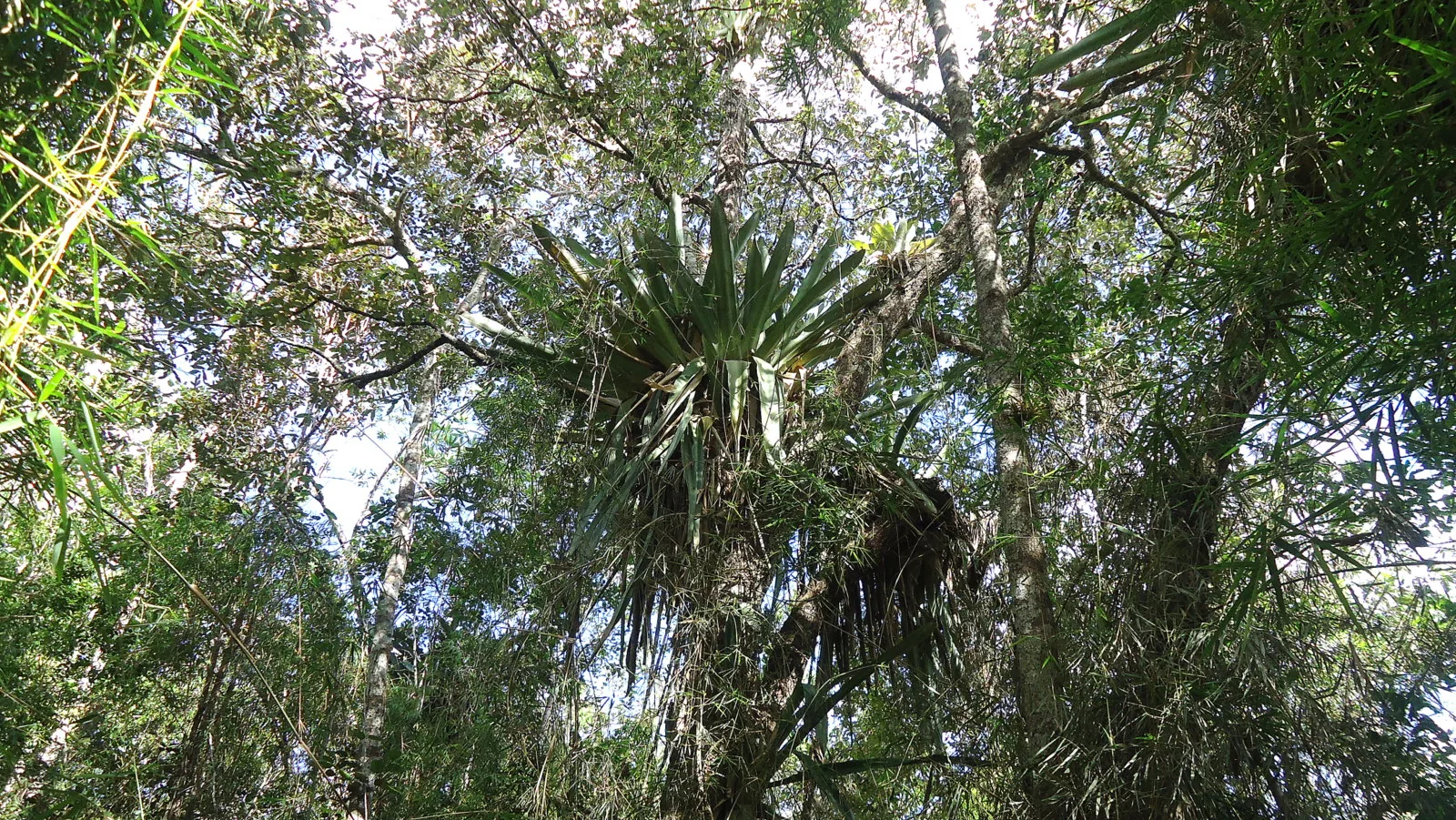
It is worth remembering why the Costa Verde is green at all: the wet summer is the price of the forest. The same rains that can spoil a beach day are what keep the Serra do Mar's Atlantic Forest so dense, the waterfalls so full and the hills so impossibly verdant. If lush, dripping rainforest and powerful waterfalls are part of what you want, the wetter months deliver them at their best — you simply trade beach reliability for jungle drama. There is no single right answer; there is only the trade-off, made honestly.
The northeast: a calendar of its own
The northeast — Bahia, Pernambuco, Ceará and the long, warm coast of Salvador, Recife and Fortaleza — is the part of the country that most often catches visitors out, because its seasons do not match the southeast's. It is hot all year, being far closer to the equator, so the question is rain, not temperature. And here is the catch: along much of the coast, the wetter months fall in the autumn and early winter — broadly the middle of the year — which is the reverse of what you might expect after reading about Rio.
Broadly speaking, the driest, sunniest beach weather on the northeast coast tends to run from around September through to the early months of the year, while the cooler season of autumn and early winter brings more of the coastal rain. I phrase that loosely on purpose, because the pattern shifts as you move along the coast — Salvador, Recife and Fortaleza do not all rain on the same schedule — and you should check the specific stretch you have in mind rather than treat the whole northeast as one. The practical upshot is simple, though: do not assume the northeast follows the same calendar as Rio. If you want guaranteed beach weather in Bahia or Pernambuco, the months that are quietest and clearest in the southeast are not automatically the right ones up north, and vice versa.
What the northeast does offer almost year-round is warmth. The sea is bath-like, the sun is strong, and even in its wetter spells the rain often comes in short bursts rather than settling in for days. For sheer reliable heat and warm water, no other region beats it — you simply need to time it to the local dry window rather than the national one.
The Amazon: wet, drier and the river's two faces
The Amazon does not really do dry; it does wet and less wet. It rains all year in the basin, and the temperature stays high and humid throughout. What changes through the year is the river itself, and that change shapes the experience more than the weather does.
In the high-water season, when the rivers rise and flood the forest, boats can travel deep among the trees, gliding through drowned forest that is impossible to reach on foot — a strange and beautiful way to see the Amazon, with fishing and canoeing through the canopy's lower reaches. In the low-water season, roughly the drier middle and later part of the year, the rivers fall, beaches of white sand appear along their banks, and walking trails through the forest open up, making land-based wildlife spotting and trekking easier. Neither is better in the abstract; they are simply two different Amazons.
For most travellers who want to walk in the forest, fish, and have the easiest logistics and fewer mosquitoes underfoot, the drier months — broadly June to November — are the more comfortable window. If your dream is to drift by boat through flooded forest, the higher-water months earlier in the year are the ones to target. Either way, come prepared for heat, humidity and rain at any time; in the Amazon, the rain is not a season to avoid so much as a fact to accept.
The Pantanal: the great dry-season wildlife stage
If wildlife is your reason for coming to Brazil, the Pantanal deserves your attention, and its timing is the most clear-cut in this whole guide. The Pantanal is an enormous seasonal wetland, far larger than people imagine, and it lives by a yearly cycle of flood and drought. In the wet season it floods across vast distances and the animals disperse; in the dry season the waters retreat, and that is when the magic happens for visitors.
The dry months, roughly July to October, are the prime time. As the water shrinks back to the rivers and remaining pools, the wildlife concentrates around them — and so the animals that are scattered and hidden in the wet season become extraordinarily easier to find. This is the best place on earth to see jaguars in the wild, and the dry-season odds are genuinely high: from boats working the rivers of the northern Pantanal, sightings in the peak months are reliable in a way that almost nowhere else can promise. August and September are the classic months, with clear skies, little rain and animals drawn to the water — not only jaguars but giant otters, caiman, capybara, and great gatherings of wading birds.
The trade-off is heat and dust; the dry season is hot and the landscape browns off. But for the wildlife it is unmatched, and if a jaguar on a riverbank is on your list, this is when to come. Our journal piece on Atlantic Forest wildlife deals with the very different ecosystem of the coast we call home, but the principle is the same everywhere: knowing the season is half of seeing the animals.
The south: the only region with a real winter
Below the southeast lies the temperate south — the states around Curitiba, Florianópolis and Porto Alegre, and the gaucho country toward the Argentine and Uruguayan borders. This is the one part of Brazil with a four-season climate close to what northern-hemisphere travellers know, only inverted: genuinely warm summers and genuinely cool winters, with cold snaps and, in the highlands, even the rare touch of frost or snow.
For the south, the seasons behave intuitively. The summer, December to February, is the time for the beaches of Santa Catarina and the island city of Florianópolis, when the southern coast comes alive. The winter, June to August, is cool and quiet on the coast but has its own appeal inland, in the wine country and the highland towns that lean into their cold-weather charm. The shoulder seasons are mild and pleasant. The great Iguaçu Falls, on the southern border with Argentina, are worth a word here: they are spectacular year-round, fuller after the summer rains and more comfortable to visit in the milder, less crowded shoulder months.
A month-by-month overview
It can help to see the year laid out in order, with the caveat that these are broad strokes across a country of many climates — always cross-check against the specific region you are headed for.
- December to February. High summer. Hot and humid almost everywhere, the rainy season in the southeast and much of the interior, and the absolute peak of crowds and prices around New Year and, in some years, Carnival. The warmest sea, the longest days, the liveliest atmosphere — and the least reliable weather and the fullest hotels. The far south is at its beach best; the wildlife regions are at their wettest.
- March to May. Autumn shoulder in the southeast, and one of the loveliest, most underrated windows for the coast around Rio and the Green Coast: the summer heat easing, the sea still warm, the crowds gone home, prices softening. The northeast coast is moving into its wetter spell. The Pantanal is still draining after the floods, the wildlife only beginning to concentrate.
- June to August. Winter. The dry, clear, comfortable season for the southeast and for Rio — best odds for the famous views, cool evenings, settled days. The prime window opens in the Pantanal for wildlife, and the Amazon's drier, easier months are under way. The far south is properly cool. This is, for many classic itineraries, the safest all-round time to come.
- September to November. Spring shoulder. Often the single best balance for the southeast and the Green Coast — warming sea, settled weather, low crowds before the summer rush, the Pantanal's wildlife season still strong into October. The northeast coast is moving into its sunnier beach window. Prices remain reasonable right up until the festive build-up.
If you take one thing from the list, let it be that the two shoulder windows — autumn and spring — are where the savvy traveller most often lands for a coastal Brazil trip, and that the dry winter is the dependable choice for clear skies and wildlife. The summer peak is for those who specifically want the heat, the warm sea and the festive energy, and are willing to pay for it in rain, crowds and price.
What each season feels like, and what to pack
Numbers on a chart tell you less than the texture of a season, so here is how each actually feels in the part of Brazil we know best, the southeast coast, with notes on what to bring.
Summer on the coast
Summer here is intense in every sense. The heat is real and the humidity heavier still; the days are long and bright until a towering afternoon cloud builds and breaks in a warm, drenching downpour that often clears as fast as it came. The sea is at its most inviting, the beaches and towns full of Brazilians on holiday, and the whole coast carries a holiday charge. Pack for heat and water both: light, breathable clothes, strong sun protection and a hat for the fierce sun, and something genuinely waterproof for the downpours and the occasional run of grey days. A light layer for air-conditioning is the only concession to cool you will need.
Winter on the coast
Winter could not feel more different. The air dries and clears, the light turns crisp, the islands and headlands stand out sharp across the water, and the famous views come into their own. Days are warm and pleasant rather than scorching; evenings, especially up in the hills where our own chalet sits at around 400 metres, turn genuinely cool, and you will be glad of a jumper or a light jacket after dark. The sea is cooler but swimmable for most, and the air feels altogether lighter. Pack for warm days and cool nights — layers, a proper jacket for the evenings, and you will rarely need the umbrella you would never travel without in summer.
The shoulder seasons
The shoulders split the difference, and that is exactly their appeal: warm enough days, a sea still holding summer's warmth or warming toward it, settled weather more often than not, and far fewer people. Packing is the easy middle ground — light clothes for the day, a layer for the evening, sun protection always, and a packable rain shell as insurance rather than necessity. For a great many of our guests, this is the version of the coast they would choose every time.
Carnival, New Year and the festival calendar
No guide to timing Brazil is complete without the two great fixed points of its summer: New Year and Carnival. Both are wonderful. Both are also the busiest, priciest, most crowded moments of the entire year, and you need to decide deliberately whether you want to be in them or well clear of them.
New Year — Réveillon
New Year's Eve, Réveillon, is enormous, and nowhere more so than on Copacabana beach in Rio, where the crowd runs into the millions, dressed traditionally in white, for fireworks over the sea. It is one of the world's great New Year celebrations and an unforgettable thing to witness. It is also a logistical undertaking: the city is full, accommodation is booked far ahead and priced accordingly, and the coast around Rio fills with Brazilians taking their own summer holidays. If Réveillon is the dream, plan it early and embrace the scale. If it is not, know that the days around New Year are among the hardest of the year to travel quietly anywhere in the southeast.
Carnival
Carnival is the headline event of the Brazilian calendar, and its date moves every year because it is tied to Easter — it usually lands in February or, occasionally, early March. For planning purposes, the Rio parades in 2027 fall on the 7th, 8th and 9th of February, with the run-up and aftermath stretching either side. The famous samba-school parades in Rio's Sambadrome are only part of it; Carnival is celebrated across the whole country, from the street blocos of Rio to the very different, music-soaked Carnival of Salvador in the northeast, and in countless smaller towns.
The advice is the same as for New Year, only more so. Carnival is extraordinary and worth experiencing once if the spirit moves you — but it is the absolute peak of crowds and prices, transport strains, and the whole country effectively stops to celebrate. The worst outcome is to arrive in the middle of it without meaning to, finding everything full and far pricier than you budgeted. Check the dates for your travel year before you book anything, and then choose: in, or around. There is no neutral.
The quieter festivals worth catching
Beyond the two giants, Brazil's calendar is full of smaller festivals that can be a reason to visit rather than something to plan around. Our own corner of the coast is a good example. Paraty hosts FLIP, a respected international literary festival that fills the colonial town for a few days, usually in the cooler middle of the year, and the religious Festa do Divino, with processions and music in the historic centre. These bring atmosphere without the overwhelming scale of Carnival, and a town like Paraty at festival time, lit and busy but still human in size, is a particular pleasure. We cover them in our guide to FLIP and Paraty's festivals. The lesson holds nationwide: the regional festivals often give you the most rewarding timing of all, the celebration without the crush.
The Brazilian holiday calendar and the crowds
Beyond Carnival and New Year, it pays to know the domestic holiday rhythm, because Brazilians travel within their own country in great numbers, and their peaks are not always the ones a foreign visitor would guess. The big domestic travel surges are the summer school holidays — roughly the whole of January into early February — and the July winter school break, when families take to the coast and the parks. During these windows, popular beaches, islands and towns fill with Brazilian holidaymakers, accommodation tightens, and the most sought-after spots feel busy even outside the international peak.
There are also the long weekends scattered through the year around public holidays, when city-dwellers pour out to the coast for a few days; the spots within driving distance of Rio and São Paulo, the Costa Verde very much among them, feel these keenly. None of this should put you off — a busy Brazilian beach town is a happy, sociable place — but if quiet is your priority, it is worth steering around the January peak and the July break, and asking a local host about the long weekends that fall during your dates. The flip side is that travelling in the genuine off-peak windows, away from both the international and the domestic surges, can give you a popular destination almost to yourself, which is its own kind of luxury.
Weather is regional; plan each leg separately
The single most important planning habit, for a country this size, bears repeating: do not plan a multi-region trip to one national season. If your itinerary touches, say, Rio, a northeastern beach and the Pantanal, those three legs want three different timings, and they will not all be perfect at once. The art is in sequencing — timing the trip so that each region is caught in, or close to, its own best window, even if that means compromising slightly on one leg. A wildlife-led trip might anchor on the Pantanal's dry season and accept whatever that means for the coast; a beach-led trip might do the reverse. Decide what matters most, time the trip to that, and treat the other legs as bonuses caught in good-enough conditions. We help guests think this through whenever a coastal stay is part of a wider Brazilian route.
The best time for X: a practical matrix
Reading region by region is the right way to think about Brazil, but most people arrive with a single priority in mind. Here, then, is the shortcut — the best timing organised by what you most want, with the honest caveat that any nationwide rule has regional exceptions.
- For beaches and warm sea. In the southeast, the summer (December to March) gives the warmest water but the most rain and crowds; the shoulder months on either side are often the smarter choice for warm, settled beach days with fewer people. In the northeast, aim for that region's own dry window rather than the southeast's — broadly the spring and summer months for the clearest coastal weather, but check your specific stretch of coast.
- For wildlife. The Pantanal in the dry season (July to October) is the standout, with jaguars and concentrated game around shrinking water. The Amazon's drier months (June to November) make forest trekking and land-based spotting easier. On the coast, the Atlantic Forest is rewarding year-round, with its own rhythms.
- For festivals and atmosphere. Carnival (usually February) and New Year (late December) are the great spectacles, at the cost of crowds and price. For something more relaxed, the regional festivals — Paraty's FLIP in the cooler months, Salvador's Carnival as an alternative to Rio's — give atmosphere on a more human scale.
- For clear skies and the views. In the southeast, the dry winter (May to September) gives the best odds of a clear Christ the Redeemer, a clear Sugarloaf and crisp coastal panoramas — and mornings beat afternoons for cloud.
- For value and quiet. Avoid the summer holiday peaks around New Year and Carnival entirely. The shoulder seasons, and the dry winter in the southeast, bring noticeably lower prices and emptier beaches without much sacrifice in weather.
- For the Amazon by boat through flooded forest. The higher-water months, earlier in the year, when the rivers rise into the trees.
How to think about it, and how we'd plan it
If all of this feels like a lot to weigh, here is the simple way through it. Start with your single most important goal — beach, wildlife, festival, views, value — then pick the region that serves it best, then time the trip to that region's season rather than to a vague idea of "Brazilian summer". Almost every disappointment we hear about comes from someone who picked the right place but the wrong month for it, or who assumed the whole country shared one calendar.
For a classic first trip combining Rio, the coast and perhaps a wildlife leg, our own bias is toward the shoulder months and the dry winter of the southeast: the city at its clearest, the Costa Verde's water calm and bright, the Pantanal at its wildlife peak if you add it, and the worst of the crowds and prices behind you. A typical, well-balanced shape is a few days in Rio, several based on the Green Coast around Paraty, and — for those with the appetite — a wildlife extension to the Pantanal or Amazon timed to its own dry season. We lay out how the coastal pieces fit in our Paraty itineraries and the wider guide to planning a luxury trip to Brazil, which covers the practical side — visas, money, flights and the rest — once you have settled on your season.
From our terrace above the Bay of Paraty, we watch the year turn: the brilliant, sometimes stormy summers; the clear, mild winters when the islands stand out sharp across the water; the long shoulder weeks that are, quietly, the best time to be here. There is no month when the coast is not worth seeing. There is only the version of it you choose. If you would like help matching your dates to what you want most from Brazil — and shaping a coastal stay around them — we are always glad to talk it through. Come and see the chalet, start exploring the region from our Paraty hub, and reach us any time on the contact page.
Frequently asked questions
There is no single answer, because Brazil spans several climates. For Rio and the southeast coast, the dry winter from May to September gives the most reliable weather. For the Pantanal's wildlife, the dry months of July to October are best. For the Amazon, the drier June-to-November window is easier going. The northeast coast and the far south each run on their own calendar again. Choose by region and by what you most want to do.
Brazil is in the southern hemisphere, so the seasons are reversed from Europe and North America. Summer runs roughly from December to March, winter from June to September. Summer is hot, lively and wet across much of the country; the cooler, drier winter months are often the more comfortable time to travel, especially in the southeast and the wildlife regions.
Carnival is tied to Easter and moves each year, usually falling in February or early March. In 2027 the main Rio parades fall on the 7th, 8th and 9th of February. It is extraordinary, but it brings the year's highest prices, fullest hotels and biggest crowds. Plan to be in it deliberately, or plan to be elsewhere — the worst outcome is arriving in the middle of it by accident.
Rio and the southeast have their wettest months in the summer, roughly December to March, when heavy afternoon downpours are common. The drier season runs from about April or May to September. Rain in Rio tends to come in short, intense bursts rather than all-day grey, but the summer wet season is the time you are most likely to lose a day to it.
The dry season, from about July to October, is the prime window. As the floodwaters recede, animals concentrate around the remaining rivers and pools, and jaguars in particular become far easier to spot from the boats that work the northern Pantanal's rivers. August and September are the classic months.
Generally yes. The most expensive, busiest periods are the summer holidays around New Year and Carnival. Prices and crowds ease considerably outside those peaks, and the shoulder months on either side of the summer often combine good weather with better value and quieter beaches.
The northeast runs on a different rhythm to the rest of the country. Broadly, the driest, sunniest beach weather around the coast tends to fall from roughly September through to early in the year, while the cooler months of autumn and early winter can be the wetter ones near the coast — the reverse of the southeast. It is worth checking the specific stretch of coast you have in mind, as the pattern shifts along it.