In this guide
The question we are asked more than any other is also the hardest to answer in one line: how many days do you need in Paraty? The honest reply is that Paraty rewards more time than people expect and punishes a rushed visit more than most places. It is a town you settle into rather than tick off. The historic centre takes an evening to fall for and a few days to know; the bay wants a full day on the water; the waterfalls and the cachaça road are a half-day at least; and the beaches are the kind you do not want to leave once you have found the right one. Cram all of that into a long weekend and you will spend the whole time in the car. Give it a week and the trip changes character entirely — you stop chasing sights and start living somewhere.
So this guide does not pretend there is a single right answer. Instead it lays out three genuine itineraries — a long weekend of three days, a classic week of five, and an unhurried seven-plus — each balanced the way we would actually plan it: a day in town, a schooner or private boat day on the bay, a waterfall-and-cachaça day in the forest, time on the calm beaches, and real downtime by the pool. There is a plan for travellers who have only one day, and a note on what to add if you have more time, including the obvious extension out to Ilha Grande. Read the one that fits your trip; steal from the others freely.
One framing note before the days begin. Paraty sits about 240 km from Rio de Janeiro — roughly four and a half hours by road along the coast — and a little farther from São Paulo, so the journey in and out eats into a short trip. Whatever length you choose, treat arrival and departure as gentle days and do not schedule a major outing for either. Our getting-around notes cover the transfer in detail; the explore Paraty hub gathers every guide referenced below.
How to think about the length of your trip
Before the day-by-day plans, it helps to understand what each band of time actually buys you, because the jump from three days to five is larger than it looks, and the jump from five to seven changes the trip in kind rather than degree. Three days gives you the three pillars — the historic town, a day on the bay, and a day in the forest among the waterfalls — and almost nothing else. It is a real, satisfying introduction, but it is dense, and you will be moving every day. Five days adds the two ingredients that turn a tour into a holiday: an unstructured beach day, and at least one slow afternoon where the only plan is the pool. Seven days and beyond stops being about adding experiences at all. By then you have done the headline things; the extra days are for repeating the ones you loved, walking deeper into the forest or the bay, or simply staying put. That is the most underrated luxury Paraty offers, and a week is the first length that makes room for it.
Two practical realities shape all of this. The first is travel time: getting to Paraty is a journey of several hours by road from either Rio or São Paulo, so a short trip loses a meaningful slice of its days to the drive. The second is the weather rhythm, especially in summer, when sunny mornings give way to heavy afternoon storms — which means your productive sightseeing window is really the first half of each day. Both facts push in the same direction: plan fewer things, do them early, and leave the afternoons soft. Every itinerary below is built on that principle.
Paraty does not reward a packed schedule; it rewards attention.
If you only have one day in Paraty
Sometimes the calendar does not cooperate — a single night on the way between Rio and São Paulo, or a day-trip from somewhere closer. It is not enough, and you should come back, but one good day in Paraty is still worth having. Here is how to spend it without wasting an hour.
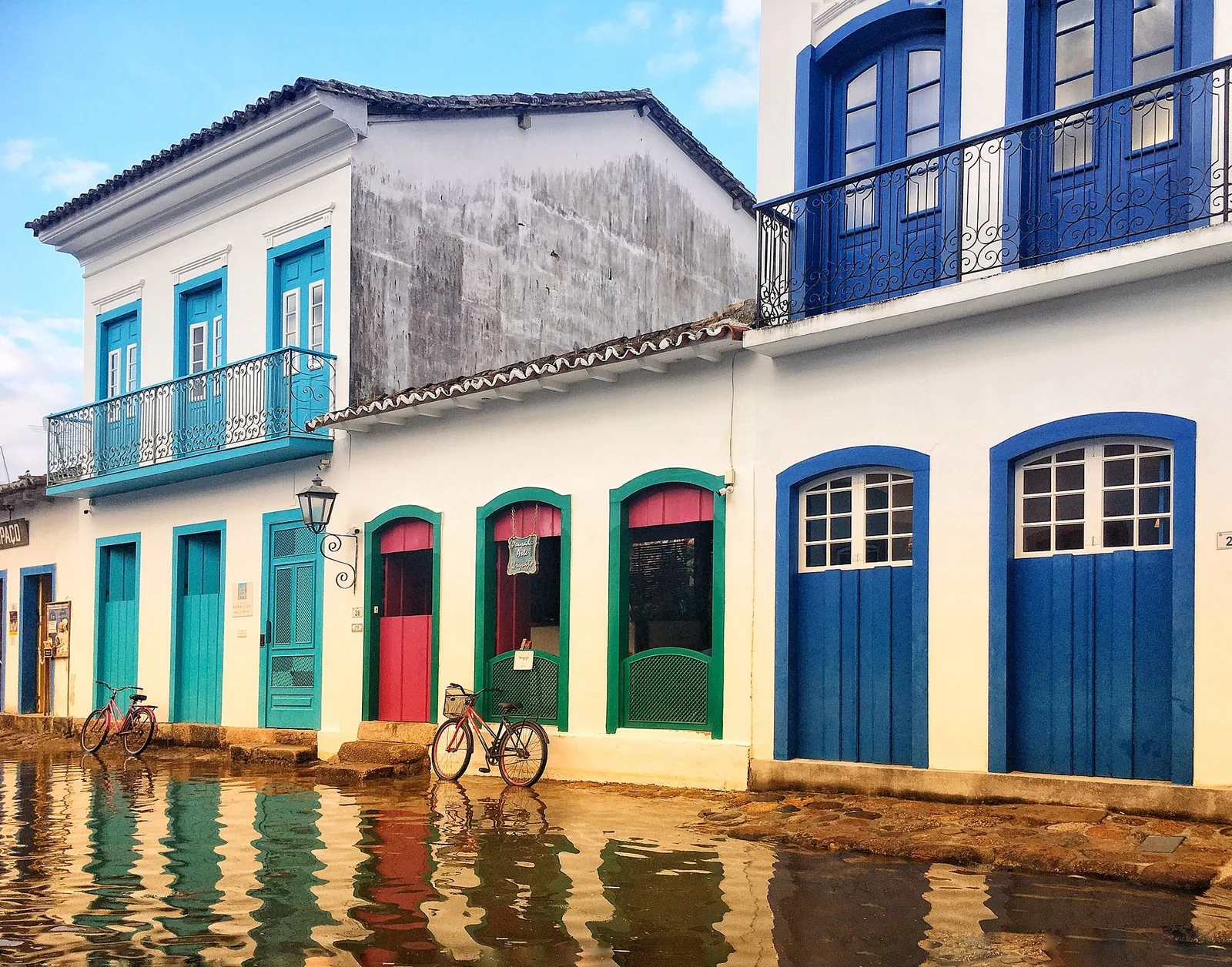
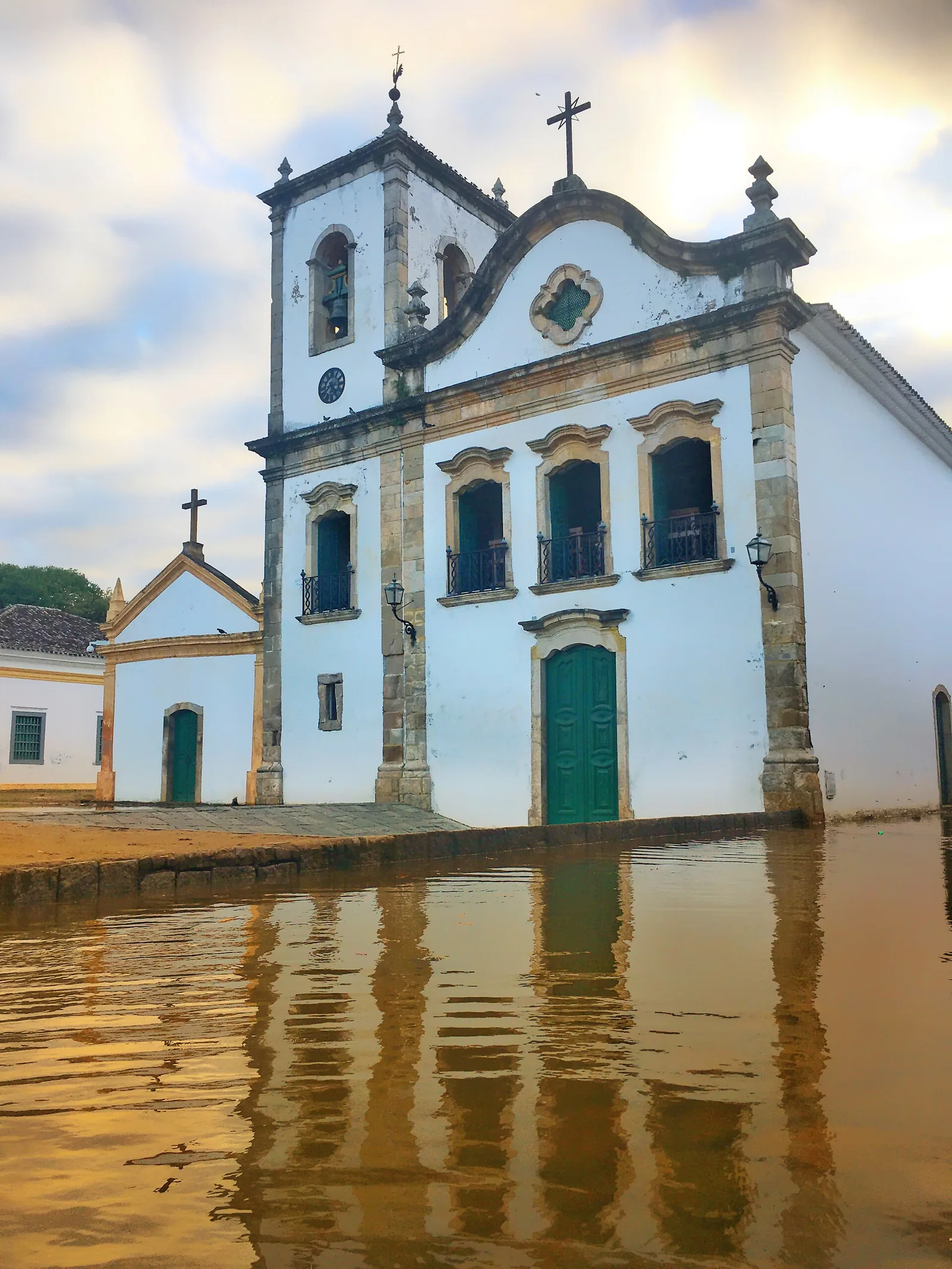
Start in the historic centre early, while the light is low and the streets are quiet. An hour or two on foot among the cobblestones, the painted shutters and the gold-rush churches is the irreducible core of Paraty, and the morning is its best hour — before the day-trip coaches arrive and before the heat builds. Walk without a map at first; the centre is small and gridded enough that you cannot get truly lost, and the pleasure is in turning a corner onto the great white church facing the water, or a lane that ends at the quay with fishing boats riding the tide. Look in at one or two of the churches and, if you have half an hour, the small Museum of Sacred Art in the Igreja de Santa Rita.
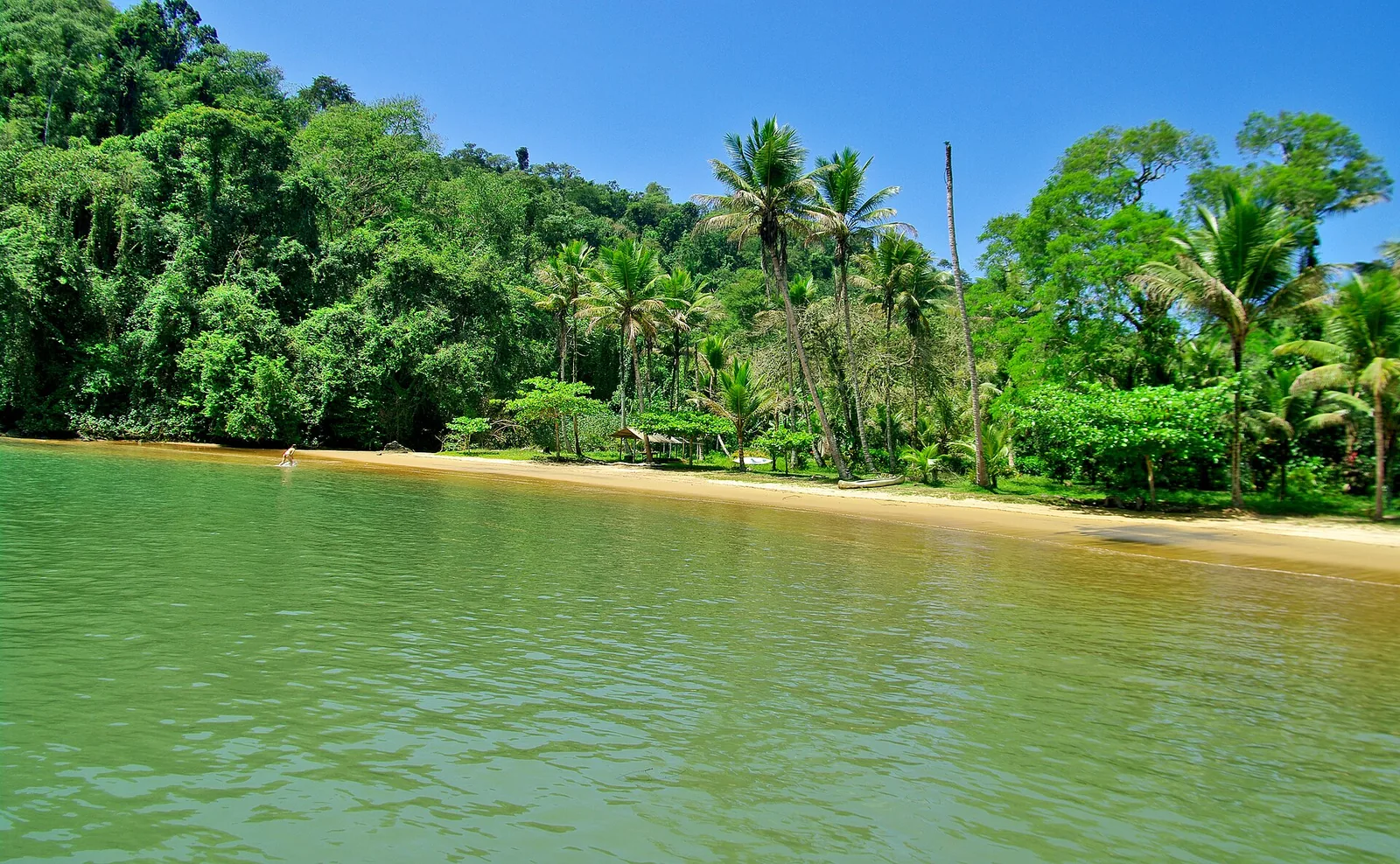
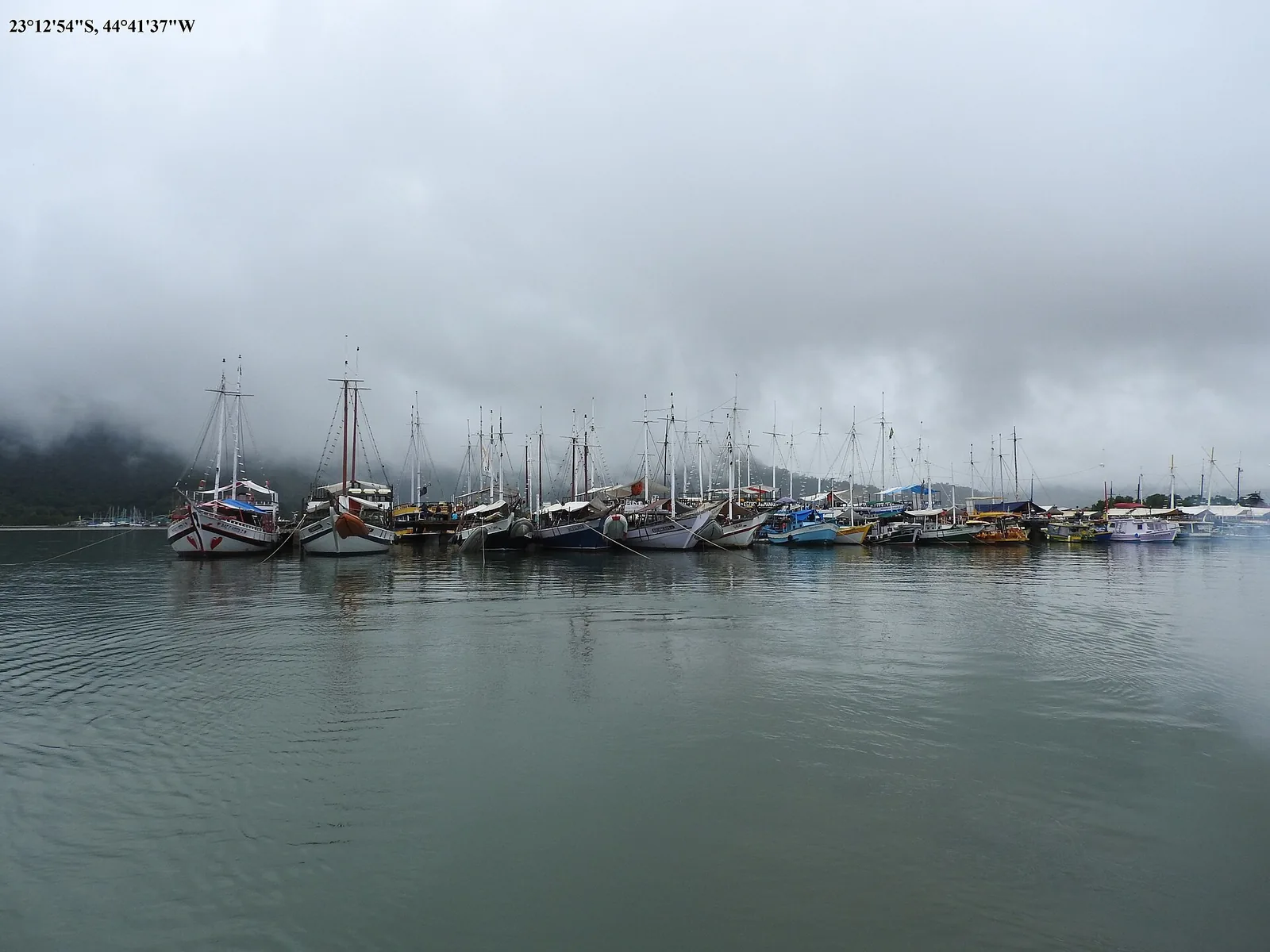
Then put the rest of the day on the water: a late-morning schooner out into the bay, stopping at a couple of islands and calm coves to swim, is the experience that makes the place make sense. The bay is the thing photographs never quite prepare you for — dozens of green islands, water that shifts from tea-coloured over sand to deep emerald over reef, the mountains of the mainland rising behind. You will be back by mid-afternoon, in time for a slow lunch at the harbour end of town and a wander you did not have time for in the morning. If you would rather trade the boat for the forest, swap in a half-day run up to the waterfalls and a cachaça distillery instead — but for a single day, the bay usually wins, because nothing else captures Paraty's setting so completely. Either way, see our historic-centre guide for the morning and our boat-tours guide for the afternoon.
The long weekend: three days in Paraty
Three days is the most common Paraty trip and a perfectly good one, provided you accept the trade-off: you will do the three signature things — town, bay, forest — and very little else, with almost no idle time. That is fine. It is a satisfying long weekend. The mistake people make is trying to fit a fourth or fifth thing in; resist it, and three days feels generous rather than frantic.
Day 1 — Arrive and walk the town
Assume you arrive in the afternoon after the drive. Do not try to do anything ambitious. Settle in, swim, and let the historic centre be your evening. The old town is at its most atmospheric after dark, when the cobbles are lit by warm lamps and the day-trippers have gone. Eat well — the seafood houses near the quay are the obvious move — and turn in early, because tomorrow starts on the water. If the spring tides are running, you may even catch the streets gently flooding under the full or new moon, which is a fine introduction to how strange and lovely this town can be. Our guide to the historic centre sets out what you are looking at.
Day 2 — The bay: a schooner or private boat day
Give the whole day to the water; it is the heart of the trip. A classic schooner runs roughly five hours with four or so stops at islands and coves for swimming and snorkelling, leaving from the pier in the morning. Take an earlier departure for calmer water and a less crowded deck — the bay tends to stay glassy in the morning and pick up a breeze in the afternoon, and the later boats fill up. Bring a hat, sunscreen you have already applied, and a little cash for drinks aboard. If you snorkel, the clearest water is usually at the reef stops rather than the sandy coves, so save your energy for those.
If you would rather set your own pace — or you are a small group, a couple or a family — a private boat lets you choose the route, linger at the cove you love and skip the one you do not, start earlier than the schooners and dodge the crowds at the popular stops. It is the version we most often arrange, and for a short trip where this one day carries so much weight, it is money well spent. Either way you will spend the day among green islands and clear, sheltered water, and you will come back sun-warmed and quiet, which is exactly the right state for your last evening. The boat-tours guide explains the schooner-versus-private choice; our wider beaches guide covers the coves you may stop at.
Day 3 — Waterfalls, cachaça, and a slow finish
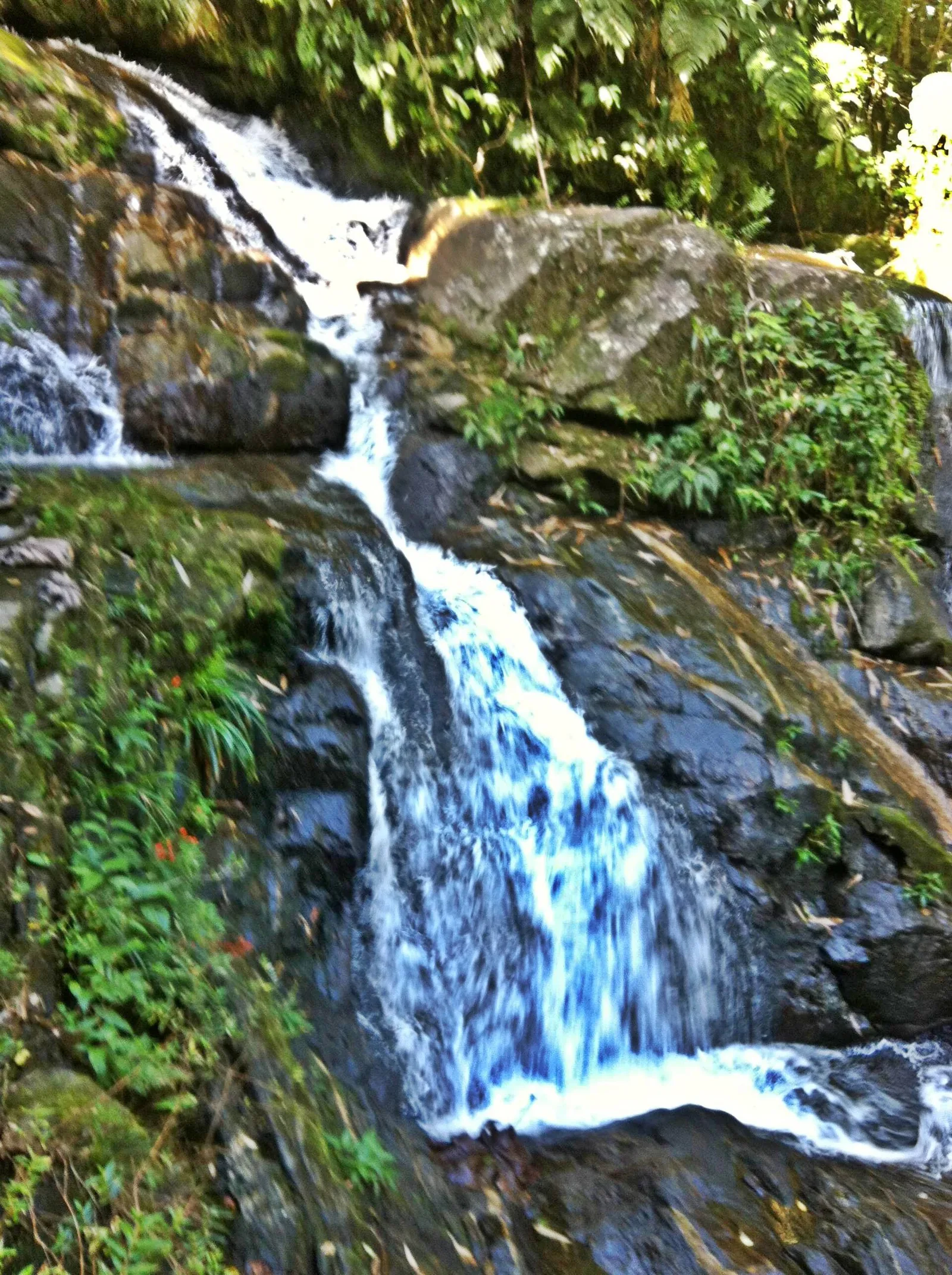
On your last full day, head inland and up. The forest behind Paraty holds a string of waterfalls — the Cachoeira do Tobogã, with its natural rock slide, is the famous one — and the Paraty–Cunha road that reaches them is lined with traditional cachaça distilleries, the alambiques, where you can taste the local spirit at its source. A half-day combines the two beautifully: a swim or a careful clamber at a waterfall, then a tasting in the shade. Go in the morning, before any afternoon rain makes the rocks treacherous, and you will be back for a final swim and an unhurried last dinner. The waterfalls guide and the cachaça distilleries guide map the route, and a word of caution: the waterfall rock is genuinely slippery, so wear real shoes and treat it with respect.
The classic week: five days in Paraty
Five days is, to our mind, the sweet spot — long enough to do everything the long weekend does without rushing, and to add the two things a short trip cannot: a proper beach day with no agenda, and a day of doing nothing at all. This is the itinerary we would plan for ourselves.
Day 1 — Arrive, settle, and ease in
As with the short trip, arrival day is for landing softly. Swim, find your feet, and let the evening be a gentle wander through the historic centre and a long dinner. The drive in is real, and a quiet first night pays off across the rest of the week.
Day 2 — The historic centre, unhurried
With five days you can give the old town a morning of its own rather than squeezing it into an evening. Walk the cobbled lanes slowly; look in at the churches and the small Museum of Sacred Art, housed in the Igreja de Santa Rita; watch the boats at the quay and the horses on the stones. Take a coffee, browse the workshops and galleries, and let the place reveal itself at the pace it wants. By the heat of the early afternoon, retreat to the pool. As the light softens, come back for an early-evening drink looking out over the bay. Our historic-centre guide is the companion for this morning; the Gold Trail guide adds the history of how this little port grew rich.
Day 3 — The bay: your big boat day
The water day, as in the long weekend, but now with room to make it count. Take a schooner or, better for a small group, a private boat, and give the whole day to the islands and coves. Swim often, snorkel where the water is clear, eat aboard or at a beach kiosk, and time your return for the calmer morning water rather than the afternoon wind. This is the day people remember; do not shortchange it. See the boat-tours guide for the options.
Day 4 — Forest day: waterfalls and cachaça
Head up into the Atlantic Forest for the waterfalls and the cachaça road. This is the day the trip turns green and cool after the sun of the bay, and it is a lovely contrast. With five days you can take it slowly: a morning at the falls — a swim in a calm pool, a careful look at the famous Cachoeira do Tobogã, where the river runs over a long smooth slab of rock that braver visitors ride like a natural slide — then a relaxed tasting at one or two of the traditional distilleries along the Paraty–Cunha road, and perhaps lunch at a roadside spot in the hills. The cachaça here is a serious local craft, distilled from sugar cane and aged in native woods, and tasting it at the source where it is made is a different thing entirely from drinking it in a bar. Buy a bottle of the one you like; it is the best souvenir Paraty sells.
Two cautions worth repeating: go early, both for safety on the rocks and to beat the afternoon storms, and treat the waterfall stone with respect — it is coated in an invisible algae that is genuinely slippery, so wear real shoes rather than flip-flops and never swim below a fall when the river is high or it has recently rained upstream. Handled sensibly, it is one of the happiest days of the week. The waterfalls guide and cachaça distilleries guide have the detail, and the cachaça and caipirinha journal piece is worth a read before you taste.
Day 5 — A beach day, and nothing more
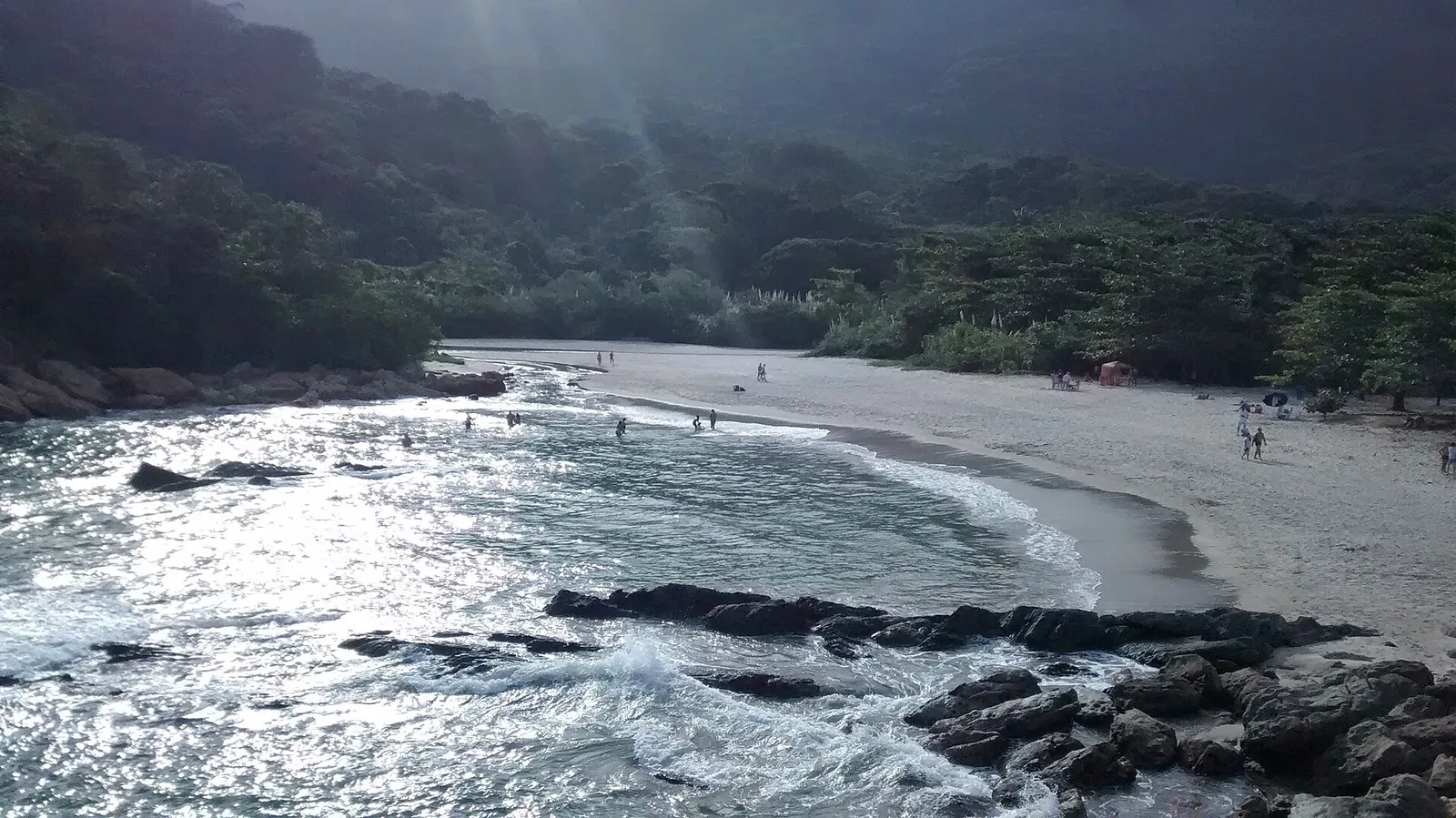
Your last full day is the one a three-day trip never gets: a beach with no plan attached. This is the day that lets the rest of the week settle, and the temptation to fill it with one more outing is exactly the temptation to resist. Choose your mood and commit to it. For an easy, calm day close to base, Jabaquara is a short hop from town, with shallow water, a river running down to the sand and kiosks for lunch and a cold drink — the kind of beach you can arrive at with nothing planned and leave reluctantly at dusk. For something wilder, drive south to Trindade, a former fishing village an hour or so down the coast with forest-backed beaches and a natural tidal pool ringed by rock that is perfect for snorkelling over fish in calm, clear water. For the gentlest swimming of all, head out to Paraty-Mirim, where the sea retreats a long way at low tide and the whole mood is a generation removed from anywhere busy.
Whichever you choose, do not stack anything else on top of it. The point of this day is the absence of a schedule. Swim, read, eat slowly at a kiosk, let the children — or the adults — potter, and come home in the late afternoon for a final swim in the pool as the light goes gold over the bay. It is the day people are surprised to find they remember most fondly. The beaches guide and the Trindade guide will help you choose between them.
The unhurried week-plus: seven days in Paraty
Seven days is where Paraty stops being a trip and starts being a stay. You do everything in the five-day plan and then — crucially — you have two or three days to spend however the week has taught you to. This is the itinerary for travellers who came to relax rather than to sightsee, and it is the one that sends people home already plotting a return.
Days 1 to 5 — The classic week
Run the five-day itinerary above as your spine: a soft arrival, a town morning, a big bay day, a forest day for waterfalls and cachaça, and an open beach day. By the end of it you will know which parts of Paraty you want more of — and that knowledge is what the extra days are for.
Day 6 — Go deeper, or go nowhere
This is the day to follow your own grain. If the bay captivated you, take a second, different boat day — a smaller cove, a longer swim, a sunset return. If the forest did, walk a stretch of the old Gold Trail, the Caminho do Ouro, the stone-paved colonial road that climbs into the mountains and once carried gold down to the port; our Gold Trail guide describes the walk. If a beach won you over, go back to it. Or, just as legitimately, do nothing at all: a full day at the villa, pool and book and view, is not a wasted day but the one that makes the others worth it. We mean that sincerely — the do-nothing day is the secret of a good long stay.
Day 7 — Saco do Mamanguá, or a second waterfall day
For the seventh day, reach for something a shorter trip cannot fit. The Saco do Mamanguá is a long, fjord-like inlet south of Paraty — Brazil's only tropical fjord, ringed by forest and mangrove, with a peak you can climb for a view back down the whole green corridor. A boat or kayak day there is a quiet, wild counterpoint to the busier bay, and our Saco do Mamanguá guide covers how to do it. If you would rather stay close, a second forest morning at a different set of falls, or a return to the cachaça road to buy a bottle of the one you liked, rounds out the week gently. End, as you began, with a slow evening in the historic centre.
Day 8 — Depart
A long stay deserves an unhurried exit. A last swim, a last walk, and the drive out — ideally with a stop or two along the coastal road, which is beautiful in its own right. Do not plan anything you would be sorry to rush.
With more time: add Ilha Grande
If you can spare more than a week, the natural extension is Ilha Grande, the large car-free island that shares Paraty's UNESCO listing and sits just up the coast in the bay of Angra dos Reis. It is genuinely a different world — no roads, no cars, just trails through Atlantic Forest between beaches — and it is, in our view, worth two nights rather than a day trip. A day trip is possible: small agencies in Paraty run van-and-boat combinations along the coast to a crossing point such as Conceição de Jacareí, and the fast boat over takes only twenty to twenty-five minutes. But the island's headline beach, Lopes Mendes — a long sweep of fine white sand often named among Brazil's best — is not reached directly; boats drop you at a nearby cove and you walk a forest trail of around twenty-five minutes to reach it. That is a lot of transit for one beach in a single day.
Far better, if your trip allows, is to fold Ilha Grande in as a two-night side trip: cross over, base yourself in the little village of Abraão, and give yourself one full day for Lopes Mendes or a round-the-island boat tour, with the forest and the smaller beaches to fill the rest. With no cars and no roads, the island moves at the pace of the boats and the trails, and two nights is the minimum that lets you feel that rhythm rather than fight it — one full day on the island is just enough for a single big outing. You can do this in the middle of a Paraty stay or tack it on at the end before heading back toward Rio, since the crossing points sit on the road north. Our Ilha Grande day-trip guide covers the quicker version honestly, including whether it is worth it from Paraty; for the fuller picture, see the complete Ilha Grande guide and our piece on Lopes Mendes beach. Treat the island as its own destination and it shines; treat it as a Paraty afternoon and it disappoints.
If a full island detour is more than your dates allow but you still want a taste of the wider Costa Verde, there are gentler additions closer to hand. The town of Angra dos Reis and its own scatter of islands lies between Paraty and Ilha Grande; the mountain town of Cunha, with its ceramic studios, sits up the road inland past the waterfalls; and the beaches around Ubatuba spill over the state line to the south. None needs a night away. Our Costa Verde overview sketches how the region fits together if you find yourself with time and curiosity to spare.
Common itinerary mistakes to avoid
Over the years we have watched the same handful of planning errors turn good trips into tiring ones. None is hard to avoid once you know to look for it.
- Stacking two big outings in one day. A boat day and a waterfall day are each a full day. Trying to do both in one means you do neither well, and you spend the afternoon driving instead of swimming. One headline outing a day is the rule.
- Treating arrival day as a full day. The drive in is several hours. People who schedule a boat or a long beach run for the day they arrive start the trip already frayed. Land softly; the town in the evening is plenty.
- Doing the historic centre at midday. The old town is hot and crowded in the middle of the day and magical in the cool morning and the lit evening. Visit it at the edges of the day, not the centre of it.
- Booking the waterfalls or boat for a stormy afternoon. Active outings belong in the morning, before the summer storms arrive and before the waterfall rocks turn slick. Check the day's outlook and front-load anything physical.
- Trying to fit Ilha Grande into a day on a short trip. On a three- or even five-day Paraty trip, a day trip to Ilha Grande costs you a whole day in transit for one beach. Either give the island two nights or leave it for next time.
- Forgetting to leave a rest day. On anything from five days up, a day with no plan is not wasted time; it is the day that makes the others restful. Build it in deliberately.
How to choose between three, five and seven days
If you are still deciding, a few honest pointers. Pick three days only if your dates are genuinely fixed and Paraty is one stop on a longer Brazilian trip; it works, but you will leave feeling you have seen the place rather than rested in it. Pick five days if this is the heart of your holiday and you want to do everything without rushing — it is the length we recommend to most people, and the one that gets the balance right. Pick seven days or more if your priority is to slow down, if you are travelling with children or older relatives for whom a packed schedule is no fun, or if you simply want the rare pleasure of staying somewhere beautiful long enough to stop counting the days. The longer the stay, the more the villa and its pool earn their place, because the downtime stops being a gap between sights and becomes the point. There is no wrong answer here, only a trade between coverage and calm — and Paraty leans, always, toward calm.
How to balance a Paraty trip, whatever its length
Across every itinerary above, the same logic is doing the work, and it is worth stating plainly because it will help you adapt these plans to your own dates. A good Paraty trip alternates between effort and rest. A boat day or a waterfall day is an early start and a full day out; the day on either side of it should be gentle. The historic centre is best in the cool of the morning or the warmth of the evening, not the midday heat, so it slots naturally into the soft parts of a day. And the pool is not an afterthought — it is the load-bearing element that lets the big outings sit comfortably in a week. Build around it.
The weather argues for the same shape. In the summer months, roughly December through March, Paraty days tend to run sunny and humid until a heavy afternoon thunderstorm clears the air. That pattern is a gift to a well-planned trip: do your outing in the morning, be back at the villa by early afternoon, and let the storm pass while you swim or rest. It rarely rains all day. If a downpour does settle in, our rainy-day guide has the indoor and covered options. And if you are still choosing your dates, the best-time-to-visit guide lays out the trade-offs — the warm, wet, lively summer against the cooler, drier, quieter shoulder months — so you can match the season to the kind of trip you want.
Where to base yourself, and a final word
The itineraries here assume one thing: that you have a comfortable base you are happy to return to, with a pool and a view, rather than a room you only sleep in. That is not incidental. The difference between a tiring Paraty trip and a restorative one is almost entirely about having somewhere you want to come back to in the afternoon. A hillside villa above the bay — looking out over Paraty, Angra dos Reis and the islands — turns the downtime in these plans from filler into the best part of the day. You can read about the chalet if you would like to see what we mean.
However long you have, the same advice closes every version of this guide: do less than you think you should. Three days, do three things well. Five days, add a beach and a rest. Seven, let the place set the pace. Paraty does not reward a packed schedule; it rewards attention. If you would like help turning one of these outlines into a real itinerary — booking a private boat, arranging the transfer in, timing a trip out to Ilha Grande, or simply working out the right length for your party — do get in touch, and browse the full set of guides on the explore Paraty page before you come.
Frequently asked questions
Five days is the sweet spot — enough for a town morning, a bay boat day, a waterfall-and-cachaça day, an open beach day and a rest day, without rushing. Three days covers the three signatures of town, bay and forest. Seven days lets you slow right down or add Saco do Mamanguá.
It is worth a day if that is all you have, though it deserves more. Spend the morning walking the historic centre and the rest of the day on a schooner into the bay; that combination captures the essence of the place in a single visit.
Arrive and walk the historic centre in the evening; spend day two on a schooner or private boat in the bay; and on day three head inland for the waterfalls and a cachaça distillery before a slow finish. Three days, three signature experiences, very little idle time.
Yes, but it is a lot of transit for one day. Van-and-boat combinations run from Paraty to a crossing point, and the fast boat takes about 20–25 minutes, but the famous Lopes Mendes beach needs a further short forest walk. Two nights based in Abraão is far more rewarding.
The warm, wet summer (December–March) is lively but brings heavy afternoon storms; the cooler, drier shoulder months are quieter with more reliable weather. Either works if you plan outings for the morning. See our best-time-to-visit guide for the full trade-offs.
Alternate effort and rest: a full-day boat or waterfall outing, then a gentle day either side. Walk the town in the cool morning or evening, do active outings before the afternoon rain, and use the pool as downtime. Doing less than you think you should is the key.
About 240 km, a drive of roughly four and a half hours along the coastal Rio–Santos road. It is a little farther from São Paulo. Treat your arrival and departure as gentle days rather than scheduling a major outing for either.