In this guide
A honeymoon asks something different of a place than an ordinary holiday. It does not need to be packed; it needs to be private, beautiful and slow, with just enough to do that the days have shape and just enough nothing that you can actually be together. Paraty does this better than almost anywhere on the Brazilian coast. It is a small colonial town on the Costa Verde, set between the Atlantic Forest and a bay full of islands, where the loudest thing most evenings is the sea and the church bells. For a honeymoon, that is the whole point.
This guide plans the trip from the ground up. It covers why Paraty suits a honeymoon, how many days to give it, a day-by-day arc that builds from arrival to a gentle goodbye, the experiences worth building the trip around — a private schooner, sunset on the deck, the natural pool at Trindade, a waterfall to yourselves, a long dinner in the lamp-lit centre — and the practical matters of when to go, how to get here and where to base yourselves so the privacy is real rather than promised. If you want the wider picture of the town first, our Paraty guides cover every piece in depth.
One thing to settle early: a honeymoon in Paraty is best built around a private base, not a busy resort. A hillside villa with a pool and a view gives you somewhere to come home to that is entirely yours, with the bay, the forest and the town as the day's outings. That single decision shapes everything else, so we will come back to it.

Why Paraty, for a honeymoon
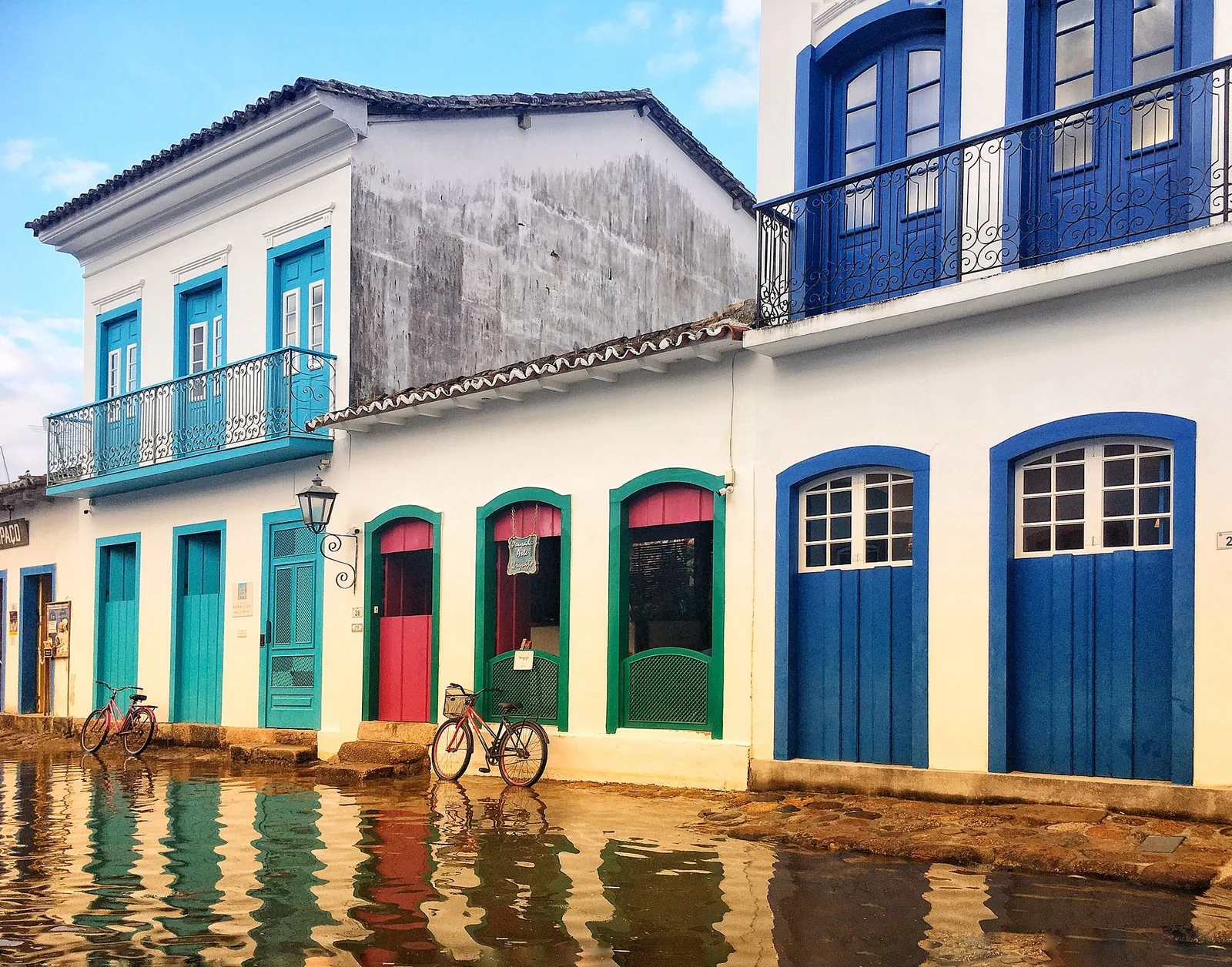
The case for Paraty is the case for slowness with beauty attached. The town itself is a UNESCO World Heritage Site, inscribed in 2019 along with Ilha Grande and the surrounding forest for both its culture and its nature — the first place in Brazil recognised for both at once. Walking its car-free streets in the evening, with the whitewashed houses glowing and the cobbles wet from the tide, is romantic in a way that does not have to try.
Beyond the town, the bay is scattered with more islands and quiet beaches than you could visit in a fortnight, most of them reached only by boat. Behind it, the Atlantic Forest rises into the mountains, threaded with rivers and waterfalls. There are wild Atlantic beaches a half-hour down the coast and the only tropical fjord in the country a boat ride away. And almost none of it is crowded if you go at the right hour. For a couple who would rather have a beach to themselves than a sun-lounger in a row, this is the coast.
What Paraty is not is a manicured resort destination. There are no big international hotel chains lining a strip of sand, no swim-up bars, no nightlife beyond the bars and live music of the old town. If that is what you want from a honeymoon, somewhere else will suit you better. But if your idea of a honeymoon is privacy, real nature, good food and time that belongs only to the two of you, it is hard to do better.
There is also something to be said for how unhurried the place feels at the level of an ordinary day. Brazilians treat a honeymoon — a lua de mel — as something to fuss over warmly, and Paraty's pace lets that warmth land. Meals are long. No one rushes you off a beach or out of a restaurant. The town is small enough that by the third day the woman at the fruit stall knows you, the captain remembers your name, and the place starts to feel less like somewhere you are visiting and more like somewhere you briefly belong. That sense of being held gently by a place, rather than processed by a resort, is the quality that makes couples come back for an anniversary years later.
A honeymoon is the one trip where doing less is the point. Paraty is built for it.
How many days to give it
The honest answer is five to seven nights. That is enough to do the things worth doing without rushing, and — just as important — enough to have several days where you do nothing at all. A honeymoon crammed with excursions is not a honeymoon; it is a tour. The art is to plan a few standout days and leave the rest open.
With a full week you can comfortably fit a day on the water, a waterfall morning in the forest, an afternoon and evening in the historic centre, a trip to a wild beach such as Trindade or Praia do Sono, and still have three or four slow days at the villa for the pool, long lunches and late starts. That balance is what makes the trip feel like a honeymoon rather than a checklist.
If Paraty is one stop on a longer Brazilian honeymoon — a few nights in Rio, perhaps some time on Ilha Grande or further down the Costa Verde — then three or four nights still works well and gives you the essence of the place. But if you can give it a week, give it a week. Couples almost always wish they had stayed longer, never shorter.
One more thing on length, because it shapes the whole feel of the trip: resist the urge to fill the calendar. A honeymoon is the one trip where the empty days are the point, not the filler between activities. If you find yourself planning something for every morning and afternoon, take half of it back out. The days you will remember are rarely the busy ones — they are the slow lunch that turned into a swim that turned into a nap that turned into sunset, with nothing booked and nowhere to be.
A honeymoon arc, day by day
Here is a seven-night shape that builds from a gentle arrival to a quiet goodbye. It is a suggestion, not a schedule — the whole spirit of it is that you can throw any day out of the window and stay by the pool instead. Think of it as a menu, lightly ordered.
Day one — arrive and breathe
Most couples arrive in the afternoon after the drive from Rio or São Paulo, tired and a little frazzled from travel. Do nothing with this day. Settle in, swim, open something cold, and watch the light go from the deck. If you have the energy, a short trip into the centre for a first dinner; if not, something simple at the villa is the better choice. The first evening is for arriving properly, not for ticking anything off.
Day two — the bay, just the two of you
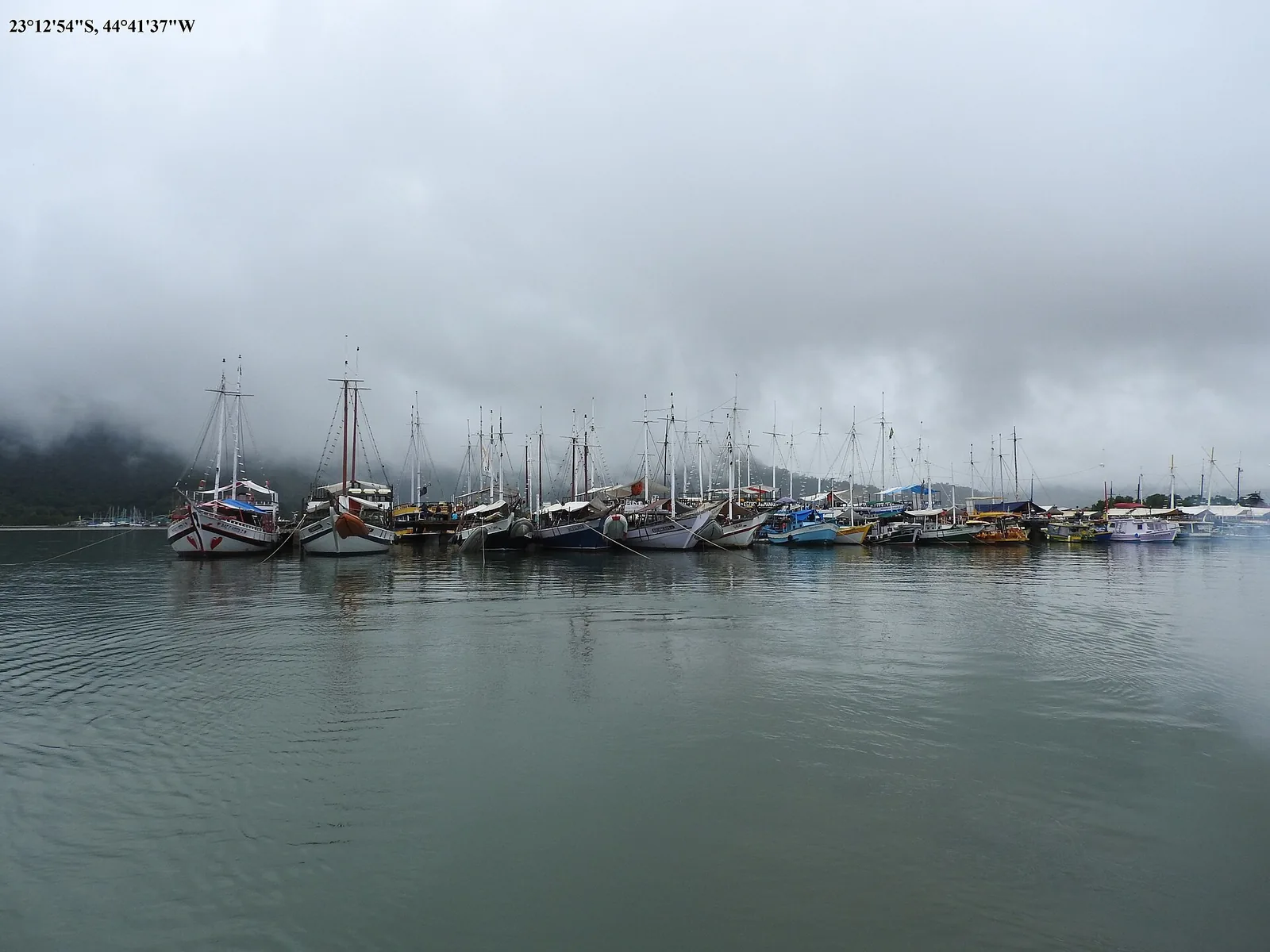
Build the trip around a private boat day early, while you are fresh. A chartered schooner or a small private boat lets you set your own course through the islands, swim where you like, and have lunch on board with no one else aboard. Tell the captain you are on honeymoon and want the quiet coves rather than the busy ones; the good ones know exactly where to go and when. Be back by mid-afternoon for your own pool, and you have already had the day you will tell people about. Our boat tours guide covers how to arrange it.
Day three — the colonial town by evening
A slow day. Sleep in, breakfast late, spend the cooler hours at the villa, then go into the historic centre in the late afternoon as the heat lifts and the lamps come on. Wander the cobbles, look into the lit churches, browse a gallery or two, then settle into a long candlelit dinner at one of the seafood houses. Because the old town is car-free, the walk back through the lamplit streets is part of the evening. Time your visit for low tide if you can — the lowest streets flood at high water, charming to watch but awkward in nice shoes.
Day four — a waterfall to yourselves
Into the forest while it is cool and the light is still low in the trees. The waterfalls behind the town are at their most magical first thing, before anyone else arrives — a pool of cold clear water under the canopy, entirely yours for an hour. Wear shoes that grip; the stones are slick. Pair it with a tasting at one of the small cane mills that make Paraty's cachaça, the local spirit with its own protected origin mark, and you have a morning of forest, water and a glass of something good. Back to the villa for a lazy afternoon.
Day five — a wild beach
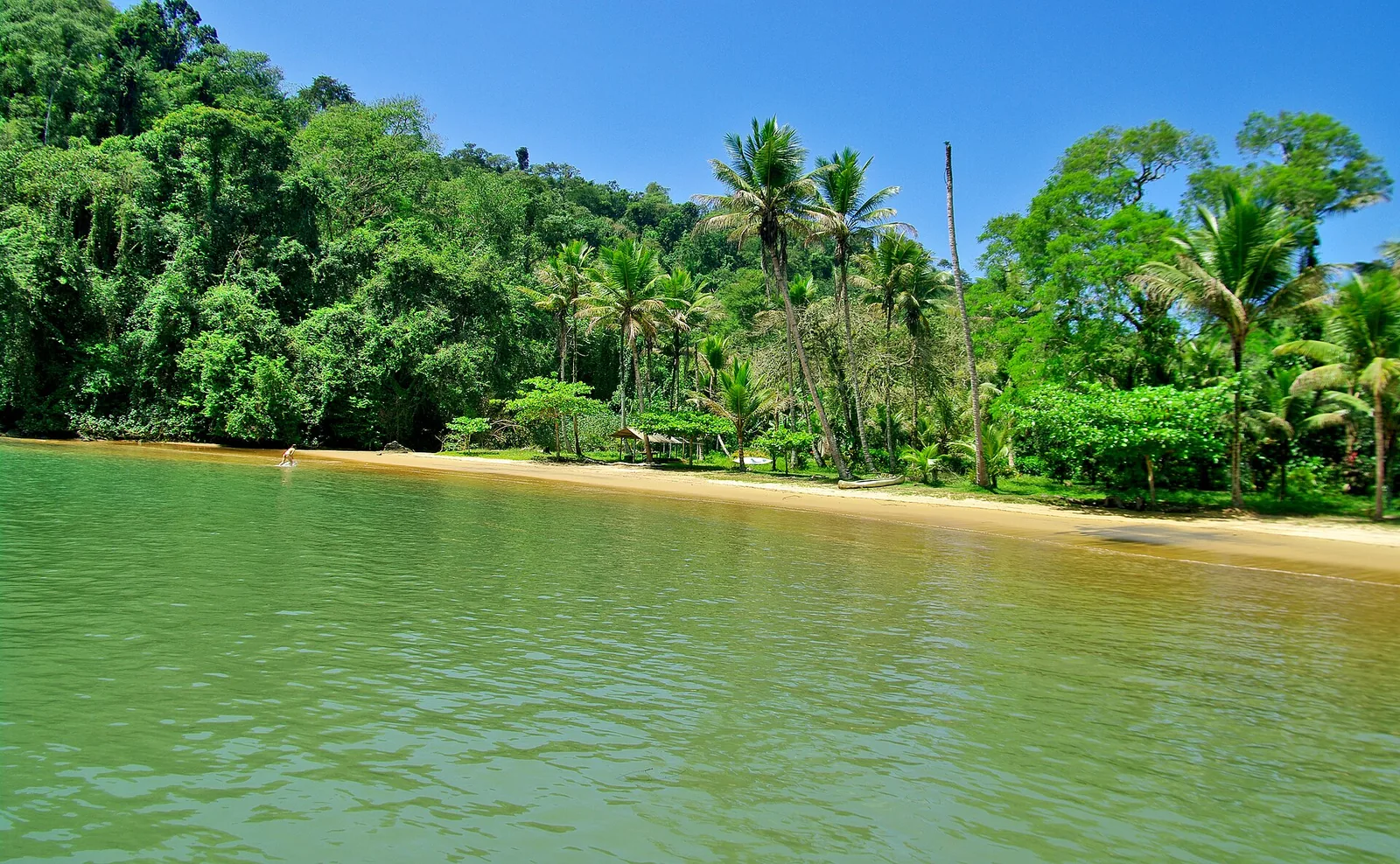
Trade the calm bay for the open Atlantic. Trindade, about half an hour down the coast, has surf beaches and the famous Cachadaço natural pool — a sheltered basin of clear water held in by rocks, reached by a short forest walk of about half an hour or a quick boat hop from the village. Go early; it is one of the loveliest spots on this coast and it fills up by midday. For something even quieter, the walk or boat into Praia do Sono rewards the effort with a long, low-key beach that feels a world away.
Day six — nothing at all
The most important day of the honeymoon. No plan, no alarm. Swim, read, nap, cook a long lunch by the pool, and let the afternoon drift. Maybe an evening stroll into town for ice cream and a caipirinha, maybe not. This is the day the villa earns its place — the day you will remember not for what you did but for how little you had to.
Day seven — a gentle goodbye
One last morning on the deck, a final swim, and time to pack slowly. If your flight allows, a last lunch in town before the drive back. Most couples leave already planning to return, which is the best sign a honeymoon worked.
The most romantic things to do
Strip the trip back to its highlights and these are the experiences worth building it around. None of them require much planning; all of them reward going at the right hour.
A private schooner on the bay
A boat to yourselves, out among the islands, is the single most romantic thing you can do in Paraty. The bay is calm and warm, the coves are quiet if you go early, and there is something about being on the water with no one else around that no resort pool can match. Pack a picnic or have the boat handle lunch, bring a bottle for the afternoon, and ask to be somewhere quiet for the last of the light on the way back.
Sunset from the deck
The end of the day is when a hillside base comes into its own. From four hundred metres above the bay, the sun goes down behind the islands, the town lights come on below, and the whole bay turns gold and then violet. A drink, two chairs and that view is the most reliable romance in Paraty — available every single evening, no booking required. It is the reason a villa with a view beats a room with a wall, and you can see ours on the chalet page.
The natural pool at Trindade
The Cachadaço natural pool is the kind of place that looks unreal in photographs and better in person: a clear, calm basin held in by black rocks, with little fish and water you can see straight to the bottom of. Reached by a short, pretty walk through the forest or a five-minute boat hop, it rewards an early start with near solitude. Float, swim, lie on a warm rock. Our Trindade guide covers how to do it well.
A waterfall in the morning
There is a particular romance to a waterfall you have entirely to yourselves — cold water under a green canopy, the noise of the falls, no one else for the sound of it. The trick is simply to go early. By late morning the popular falls have company; at eight they are yours. Wear real shoes and take it slow on the wet stone.
A long dinner in the centre
The colonial town was made for evenings. Once the lamps are lit and the cobbles cool, the seafood houses set their tables and the whole place softens. A long, unhurried dinner of the day's catch, a bottle of something cold, and a slow walk home through the car-free streets is as romantic as a restaurant gets. Our restaurants guide points you to the right corner of town.
Saco do Mamanguá, the tropical fjord
For couples who want one bigger adventure together, the boat trip into Saco do Mamanguá is the one to choose. Often described as the only tropical fjord in the country, it is a long arm of calm green water reaching some eight kilometres between forested ridges, dotted with little coves, mangrove and a handful of fishing families. You can paddle it by kayak, swim from quiet beaches, or hike up the Pico do Pão de Açúcar that rises above it for one of the great views on this coast. It is a full day and a proper expedition, but it is the kind of shared day a honeymoon is built to hold — the two of you, a green inlet and almost no one else.
Privacy and seclusion — getting it right
The difference between a good honeymoon here and a great one usually comes down to one decision: where you stay. Paraty can be busy in the centre and on the popular beaches, especially in high season, but it can also be as private as you want if you choose your base well.
A hillside villa with its own pool is the surest route to seclusion. You get your own water, your own deck, your own view, and the quiet of the hills, with the town and the bay a short drive down whenever you want them. You are not sharing a pool, a corridor or a breakfast room with anyone. After a day out, you come home to silence and the view rather than a reception desk. This is the single biggest thing you can do to make a Paraty honeymoon feel like one. Our complete villa guide lays out the options and trade-offs in detail.
For seclusion out in the world, the rule is timing. The wild beaches — Sono, the coves of the Juatinga peninsula, the natural pool at Trindade — are gloriously empty early and busy by midday. A private boat lets you reach the quiet corners of the bay that the big day boats skip. And the forest waterfalls belong to whoever gets there first. Wake a little earlier than feels natural on holiday and Paraty will hand you whole beaches and pools with no one else in them.
The honest caveat: high season, from December to March and especially the holidays, brings crowds to the centre and the easy beaches. If deep quiet matters to you, lean toward the shoulder months and stay on the hillside. The seclusion is there; you just have to choose for it.
When to go
Paraty has two clear seasons, and for a honeymoon the choice is worth making deliberately. The summer months of December to March are hot, humid and green, with quick, heavy afternoon rains that usually pass and freshen the air. This is high season — the town is lively, the bay is warm, and the crowds and prices are at their peak around Christmas, New Year and Carnival. If you want warmth, energy and the sea at its most swimmable, this is the window; just expect company and book well ahead.
The cooler, drier months of June to September are, for many honeymooners, the better choice: clear days, calm seas, comfortable evenings and the best light of the year, ideal for boat days, hiking and walking the town. The sea is a touch cooler but still swimmable. July brings FLIP, the international literary festival that has filled Paraty every year since 2003, and August the cachaça festival — lively and wonderful, but worth planning around if you are after pure quiet.
For the best of both — warm enough, dry enough, quiet enough — many couples land on the shoulder months around April to May or September to October. Whatever you choose, our best-time-to-visit guide breaks the year down in full so you can match the season to the honeymoon you want.
Getting here
Paraty sits on the coast road between Rio de Janeiro and São Paulo. From Rio it is roughly three and a half to four hours by car, about 250 kilometres along the scenic BR-101; from São Paulo it is five to six hours. Most couples fly into Rio's Galeão (GIG) or São Paulo's Guarulhos (GRU) and continue from there.
For a honeymoon, the gentlest arrival is a private transfer booked in advance: a driver meets you at the airport and brings you to the door, so the first thing you do after a long flight is sink into the back seat rather than navigate a coast road. There are also comfortable shared shuttles from Rio's airports and intercity buses from the main terminals if you prefer. Driving yourselves is perfectly possible and the coast is beautiful, but many couples would rather be driven on the way in and arrange a car or a driver locally for the days they want to roam. Our getting-around guide has the detail, and a good host will arrange the whole thing for you — just ask when you get in touch.
The small luxe touches that matter
A honeymoon is the trip where the small things land hardest, and they are easy to arrange in advance if you think about them before you go. A few that we have seen make a difference:
- A private cook for one dinner. Many villas can arrange a chef to cook a long, candlelit meal on the deck — the day's fish, a bottle of wine, the bay below. It is the kind of evening that costs little and feels like a great deal.
- A chilled welcome. Ask your host to have cold drinks, fruit and perhaps a bottle of the local cachaça waiting. Arriving to a stocked fridge after the road is its own small luxury.
- The boat to yourselves. Pay the bit extra for a private boat over a shared schooner on at least one day. The difference between a busy deck and an empty one is the difference between a tour and a memory.
- Sunset planned, not stumbled into. Know which evenings you want to be on the deck and which in town. The best light is reliable here; build a day or two around it on purpose.
- A massage or a quiet treatment. Arranged to the villa, on the deck, in the late afternoon — a simple way to slow a day right down.
- Tell people it is your honeymoon. Hosts, captains and the kitchens in town respond to it. Brazilians are warm about celebrations, and a quiet word often turns a good evening into a special one.
None of these are expensive against the cost of a honeymoon, and all of them are far easier handled before you arrive than improvised on the day. A host who knows the place can put most of them in motion with a single message.
Building Paraty into a longer Brazilian honeymoon
Many couples make Paraty the slow chapter of a bigger Brazilian honeymoon, and it plays that role beautifully. It is calm, green and unhurried — the ideal counterweight to a few high-energy nights in a city. Here is how it fits with the obvious partners.
Rio de Janeiro, first
Rio is the natural opening act: a few nights of the city, the beaches of the South Zone, the views from the high points and the energy of the place, then the drive down the coast to Paraty to come back down to earth. The order matters. Doing Rio first and Paraty second means you arrive in the calm at the point in the trip when you most want it, and you leave the honeymoon rested rather than wired. The drive between them is around three and a half to four hours of scenic coast, easily handled as a private transfer so neither of you has to think about it. Our Rio luxury guide is a good place to plan that half of the trip.
Ilha Grande and the islands
If you want more water and more seclusion, the island of Ilha Grande sits just up the coast and pairs naturally with Paraty. It is car-free, forested and laced with empty beaches — Lopes Mendes is among the most beautiful in Brazil — and a few nights there before or after Paraty makes for a honeymoon built almost entirely around quiet sand and clear water. You can reach it as a day trip from Paraty too, if you would rather keep your base on the mainland; our day-trip guide covers that.
The wider Costa Verde
For couples with more time, the whole Costa Verde — the green coast running between Rio and São Paulo — is honeymoon country, from the islands of Angra dos Reis to the beaches around Ubatuba over the São Paulo border. Paraty makes the most characterful base on this stretch, with the colonial town and the bay at the centre of it all, so many couples settle here and explore outward rather than moving from place to place. For a honeymoon, staying put and going out beats packing and unpacking every few days.
What to pack, and a few practical notes
A Paraty honeymoon is relaxed, and you can pack light, but a handful of things make the difference between comfortable and caught out. The climate is humid and the terrain is more rugged than a resort, so plan for both ease and the occasional bit of adventure.
- Real shoes as well as sandals. The cobbles in the centre are big, rounded river stones that are genuinely hard to walk on, and the waterfall and beach trails are slick and uneven. Bring something with grip for the forest and the wet stone, not just flip-flops.
- Light, breathable clothes. It is warm and humid most of the year. Linen and cotton, a swimsuit you live in, and one slightly smarter outfit each for a special dinner in town.
- A light layer for the evenings. In the cooler months the nights on a hillside deck can be fresh; a wrap or a light jacket is welcome.
- Sun and rain, both. Strong sun protection and a hat for boat days, and a light rain layer or a compact umbrella, especially in summer when the afternoon showers come through.
- Reef-safe sunscreen and insect repellent. You will be in clear water and at the forest edge; both are worth having.
- A dry bag for the boat. Phones, a camera and a book stay dry while you swim off the side.
A few practical notes that smooth the trip. Cash is still useful for the smaller beach shacks, boatmen and market stalls, though cards work in town. The water in the bay is warm and calm; the open beaches at Trindade and beyond can have real surf, so read the sea before you swim. And the single best piece of honeymoon advice is logistical: let your host arrange the moving parts. A good one will handle the airport transfer, line up a private boat for the day you want it, book the table for your special dinner and tell you which beach is quiet on the day you are going — which means the two of you spend the honeymoon together rather than on a phone sorting it out. When you write to us, that is exactly the kind of thing to ask for.
Where to base your honeymoon
Everything in this guide points the same way: a Paraty honeymoon is at its best from a private hillside villa with a pool and a view. That base gives you the seclusion, the sunsets and the slow days that make a honeymoon, with the bay, the forest and the colonial town all an easy outing away.
That is exactly what Château Portofino is built for. It sits about four hundred metres above the Bay of Paraty, with an infinity pool that looks out over the town, the bay and, on a clear day, Angra dos Reis and Ilha Grande beyond — the deck where the sunset section of this guide happens every evening. It is private, quiet and entirely yours for the stay, with a host on hand to arrange the private boat, the candlelit dinner, the transfer from Rio and the table in town, so your honeymoon is spent on the water and the deck rather than on logistics.
Whether you choose us or somewhere else, the advice holds: give it a week if you can, build the trip around a few standout days and leave the rest open, choose a private base for the seclusion, and go at the season that matches the honeymoon you want. To see whether the chalet is right for yours, look at the chalet, read the romantic getaway guide for more ideas, or simply write to us — we love helping couples plan this one.
Frequently asked questions
Yes. It is quiet, beautiful and unhurried, with a romantic colonial town, a bay full of empty beaches and islands, waterfalls in the forest and some of the best sunsets on the Brazilian coast. It suits couples who want privacy and nature over resorts and crowds. A private villa with a pool and a view turns it into a proper honeymoon base.
Five to seven nights is the sweet spot. That gives you a boat day, a waterfall morning, time in the historic town, a trip to a wild beach like Trindade or Praia do Sono, and crucially several slow days at the villa with nothing planned. Three or four nights works as part of a longer Brazil trip, but a full week lets the place do its work.
The cooler, drier months of June through September are ideal for clear days, calm seas and comfortable hiking, though seas are a touch cooler. December to March is hot, green and lively with quick afternoon rains and bigger crowds and prices. For a quiet, romantic honeymoon many couples prefer the shoulder months around April-May or September-October.
A private schooner out into the bay, sunset from a hillside deck with a drink in hand, the natural pool at Trindade, a waterfall you have to yourselves in the morning, and a long candlelit dinner in the colonial centre. The most romantic thing of all is often simply a quiet day at the villa with the pool and the view.
Most couples fly into Rio de Janeiro (about a three-and-a-half to four hour drive away) or São Paulo (five to six hours) and arrange a private transfer to the door. There are also shared shuttles and intercity buses. A private transfer is the gentlest way to start a honeymoon after a long flight.
It can be very private if you choose the right base. A hillside villa with its own pool gives you seclusion and a view, with the town and the bay a short drive away when you want them. The wilder beaches — Sono, the coves of the Juatinga peninsula, the natural pool at Trindade — offer real solitude, especially early in the day.
Easily. Paraty is about three and a half to four hours from Rio along the coast, so many couples spend a few nights in the city and then come to Paraty to slow down. It also pairs well with the islands of Ilha Grande and the wider Costa Verde for a longer Brazilian honeymoon.