In this guide
Cachaça is one of the most-produced spirits on the planet, and one of the least understood outside the country that makes it. Most people who have visited Brazil have drunk it — there is no escaping a caipirinha — but few could tell you what it actually is, how it is made, or why a good bottle deserves to be sipped slowly rather than buried under lime and sugar. That is a shame, because cachaça at its best is a serious, characterful spirit with as much regional nuance as a good whisky or mezcal, and it is woven into Brazilian life in a way few national drinks are anywhere.
We are based above Paraty, on the Costa Verde, which happens to be one of Brazil's historic capitals of fine cachaça, so we drink and think about this spirit a good deal. We already have a guide to visiting the stills in the hills around town — our Paraty cachaça distilleries piece is the one to read if you want to plan a day among the local alambiques. This is the broader companion to it: a national guide to cachaça for the spirit lover, taking in how it is made, the gulf between artisanal and industrial bottles, the world of aged expressions and native Brazilian woods, the caipirinha and its variations, the regional capitals beyond Paraty, how to taste, and how to bring a good bottle home. By the end you should be able to walk up to a cachaça shelf — in Paraty, Minas or anywhere — and choose well.
Think of this as the bottle-shelf companion to a glass of the real thing: enough to understand what you are drinking, to order well in a bar, to choose a souvenir you will be glad of, and to fall, as we did, for a spirit that is far more interesting than its reputation abroad suggests. Let us begin with the thing that matters most, and that most foreign drinkers get wrong: what cachaça actually is.
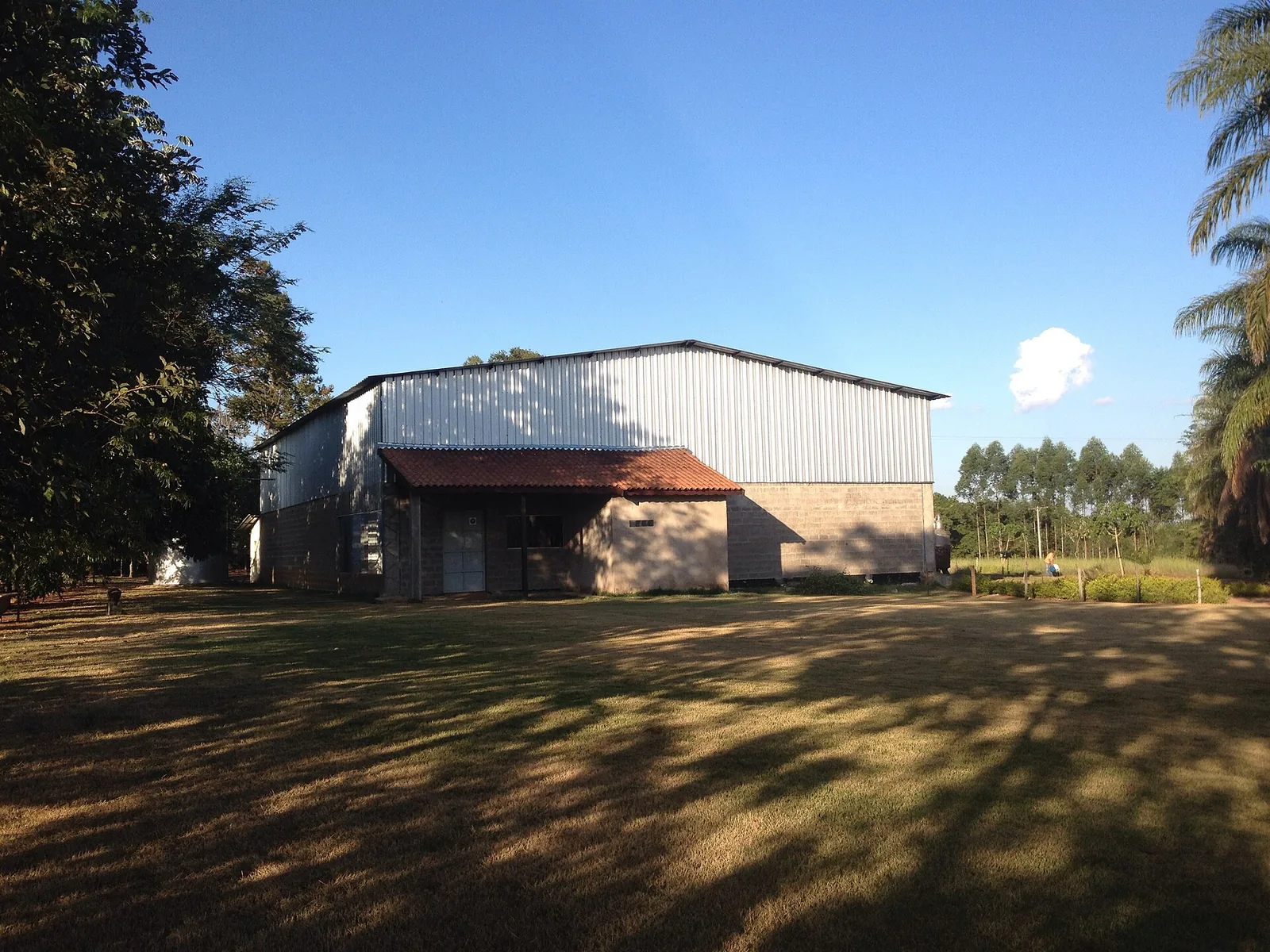
What cachaça is, and why it isn't rum
Cachaça is distilled from sugarcane, and so is most rum, which is why the two are so often confused. But the difference between them is not a detail — it is the whole story. The great majority of the world's rum is made from molasses, the thick, dark by-product left over after sugar has been refined out of the cane. Cachaça is made from fresh-pressed sugarcane juice: the cane is crushed, the juice is fermented while it is still fresh, and that fermented juice is distilled. (The closest rum equivalent is the French-Caribbean rhum agricole, which is also cane-juice based — but cachaça is its own, older, far larger tradition.)
That fresh-juice base is what gives cachaça its distinctive character: grassier, more vegetal, more alive with the flavour of the cane itself than a molasses rum, which tends toward darker, more caramelised notes. Two other things define cachaça by law. First, the name is protected — under Brazilian regulation, and recognised internationally, "cachaça" may be used only for cane spirit produced in Brazil, much as Cognac belongs to France. Second, it sits in a defined strength band, typically bottled lower than many rums. So when someone calls cachaça "Brazilian rum," they are not quite right. It is its own spirit, with its own history, made one way, in one country.
That history runs deep. Cachaça is among the oldest distilled spirits in the Americas; the tradition traces back to the sixteenth century, not long after the Portuguese brought sugarcane to the colony, when the people working the sugar mills began distilling the fermented cane. For most of the centuries since, it was a humble, even disdained drink, the spirit of the plantation and the working man. Its rehabilitation into something prized and protected — a spirit with geographical indications and tasting culture — is largely a story of the last few decades, and it is still unfolding.
Cachaça is not Brazilian rum. It is its own spirit, made from fresh-pressed cane juice rather than molasses, and the difference is the whole story.
A short history: from the sugar mills to the world
To understand why cachaça was for so long looked down upon — and why that has changed — it helps to know its history, because it is bound up with the harder parts of Brazil's past. The story usually begins around 1532, when the first sugarcane cuttings reached the Portuguese colony, brought from the Atlantic island of Madeira. Sugar quickly became the engine of the colonial economy, worked on vast plantations by enslaved Africans, and it was in and around those sugar mills — the engenhos — that cachaça was born, distilled from the fermented foam and cane juice of the sugar-making process. For its first centuries it was the drink of the enslaved and the poor, and it carried that stigma; the colonial elite drank imported Portuguese wine and brandy and held the local cane spirit in contempt.
It was also, at moments, politically charged. The Portuguese crown at times tried to restrict or tax cachaça production to protect imports from the mother country, and resistance to those measures became one small thread in the long story of Brazilian self-assertion against Lisbon — cachaça as a homegrown spirit standing against the imported one. That symbolism lingers. Over the twentieth century the drink slowly climbed in respectability, helped enormously by the global rise of the caipirinha, which carried cachaça onto cocktail menus around the world. The decisive modern turn came with legal protection — the recognition, in the early 2000s, that "cachaça" is a uniquely Brazilian product whose name foreign producers may not use — and with a new generation of artisanal distillers and drinkers who began to treat the spirit with the seriousness it deserves. The drink of the working man has become, without losing its everyday soul, a spirit worth collecting.
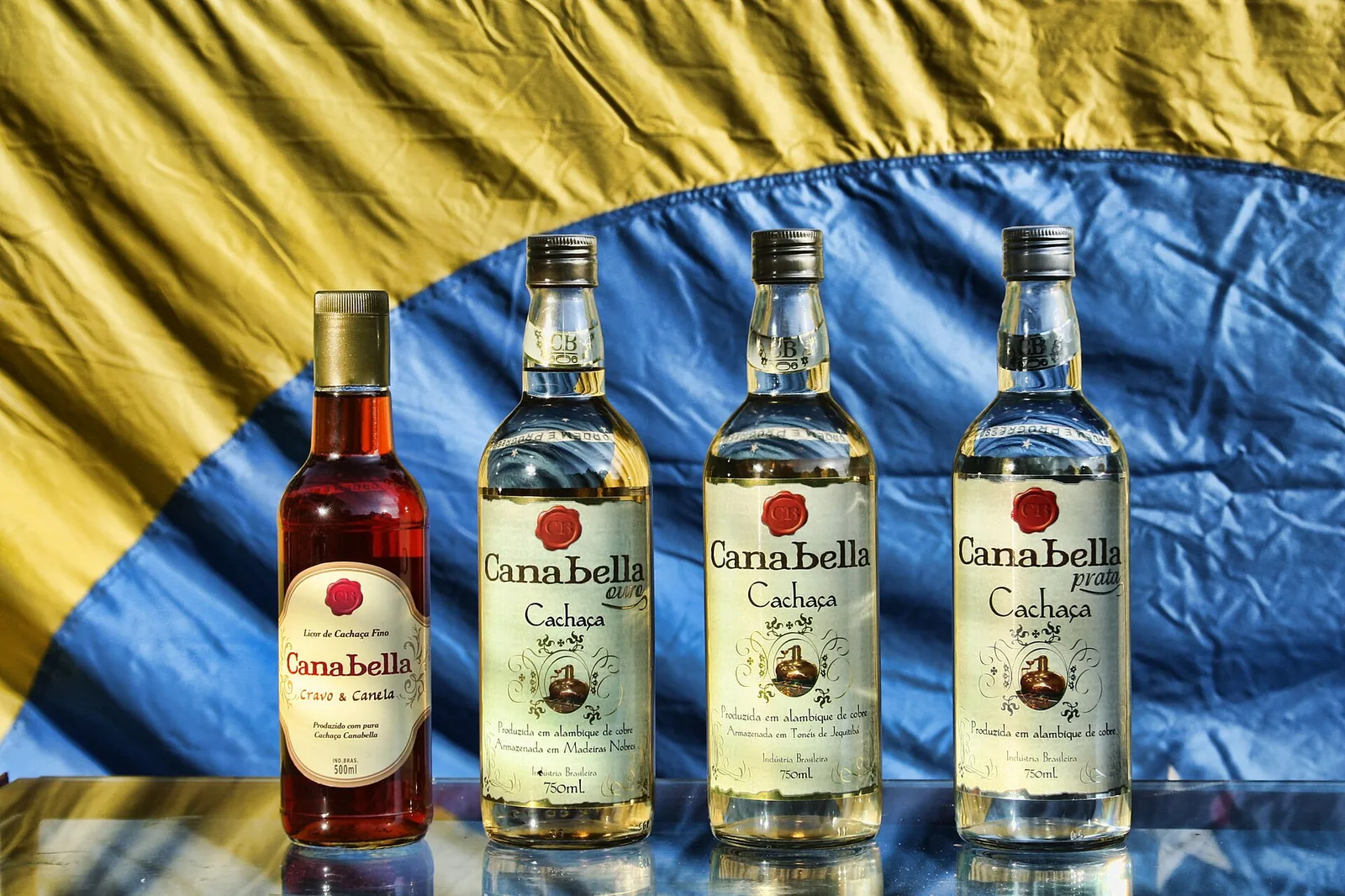
How cachaça is made
The making of cachaça is simple to describe and hard to do well, and the steps explain almost everything about why bottles differ so much.
From cane to spirit
It begins in the field. Sugarcane is harvested and pressed, ideally quickly, because the quality of the juice falls as it sits. The fresh juice — garapa — is fermented, traditionally with natural or carefully cultivated yeasts, into a low-alcohol cane wine. That wine is then distilled. Here the single biggest fork in the road appears, and it is the one that separates the two worlds of cachaça.
Artisanal versus industrial
This distinction is the most useful thing to grasp, because it tells you, before you taste anything, roughly what you are getting.
- Industrial cachaça is made at large scale in continuous column stills, which run without stopping and produce enormous volumes of clean, consistent, light spirit. This is the cachaça behind most of the mass-market brands and most of the caipirinhas served in ordinary bars. It is perfectly serviceable in a mixed drink, but it is made for volume and consistency, not for character.
- Artisanal cachaça — cachaça de alambique — is made in small batches in copper pot stills (the alambique that gives it its name), usually on the same farm where the cane is grown and pressed. Pot distillation is slower, more wasteful and more skilled; the distiller makes cuts by hand, keeping the good middle of the run and discarding the rough heads and tails. What comes out carries far more of the cane, the place and the maker's hand. This is the cachaça to seek out for drinking on its own.
The practical takeaway: if you care how it tastes, buy de alambique. The label, or the person pouring, will tell you. Almost everything good about fine cachaça lives on the artisanal side of that line.
Rested, aged and white
After distillation, cachaça takes one of three broad paths. White (or prata) cachaça is bottled clear, either straight from the still or after a short rest in neutral containers; it shows the cane and the distillery's character most directly, and it is the classic base for a caipirinha. Rested (descansada) cachaça spends a little time in wood without taking on much colour. Aged (envelhecida or ouro, gold) cachaça spends a year or more in wooden barrels, and that is where things get interesting — because the woods are not just oak.
Reading the label
A few Portuguese words on a cachaça label will tell you most of what you need to know, and they are worth learning before you stand in front of a shelf. Branca or prata (white, silver) means unaged or only briefly rested — clear, fresh, made for mixing. Ouro (gold) or amarela (yellow) signals colour from wood, though be a little wary, because at the industrial end colour is sometimes added rather than earned. The phrase you actually want is envelhecida — legally, a cachaça may be called aged when a defined proportion of it has spent at least a year in wood — and, above all, de alambique or artesanal, which tells you it is pot-distilled and made with care. A label that names the wood (amburana, bálsamo, carvalho for oak) and the years aged is the sign of a producer who expects you to taste, not just to mix. The best bottles wear their details proudly; the more a label tells you, the more confidence you can usually have in what is inside.
Aged cachaça and Brazilian woods
This is the part of the cachaça story that has no real equivalent in any other spirit, and the part most worth seeking out as a curious drinker. Aged cachaça can be rested in European oak, like whisky or cognac, and many fine examples are — oak gives the familiar vanilla, spice and tannin. But Brazil also has a vast range of native hardwoods, and distillers age cachaça in them, each lending a flavour found nowhere else. Crucially, these barrels are usually not toasted or charred the way bourbon barrels are; the spirit draws its character from the natural oils, saps and tannins of the wood itself, which is why the results are so distinctive.
- Amburana is the most famous, and the easiest to fall for. It gives cachaça a deep colour and a warm, sweet, unmistakable bouquet — vanilla, cinnamon, a baked, almost dessert-like spice. It is so characterful that producers sometimes use a little amburana-aged spirit to lift a blend. If you try one native-wood cachaça, make it an amburana.
- Balsamo (bálsamo) gives a greenish-gold colour and intense herbaceous, resinous aromas, with a slightly astringent finish. It is more challenging and more savoury than amburana — a wood for someone who already likes the category.
- Jequitibá, particularly the white variety, is prized precisely because it is nearly neutral: it lets the cachaça rest and round out in wood without imposing much flavour or colour of its own, so the spirit and the distillery show through.
Beyond these you will meet a long list of other native woods — cabreúva, ipê, araruva, grápia, Brazil-nut and more — each with its own signature. The pleasure of getting into aged cachaça is exactly this: a single distillery may bottle the same base spirit aged in three or four different woods, and tasting them side by side is a small education in what wood does to a spirit. Treat a good amburana-aged cachaça the way you would a fine aged rum or a bourbon — neat, in a proper glass, slightly below room temperature — and it more than holds its own.
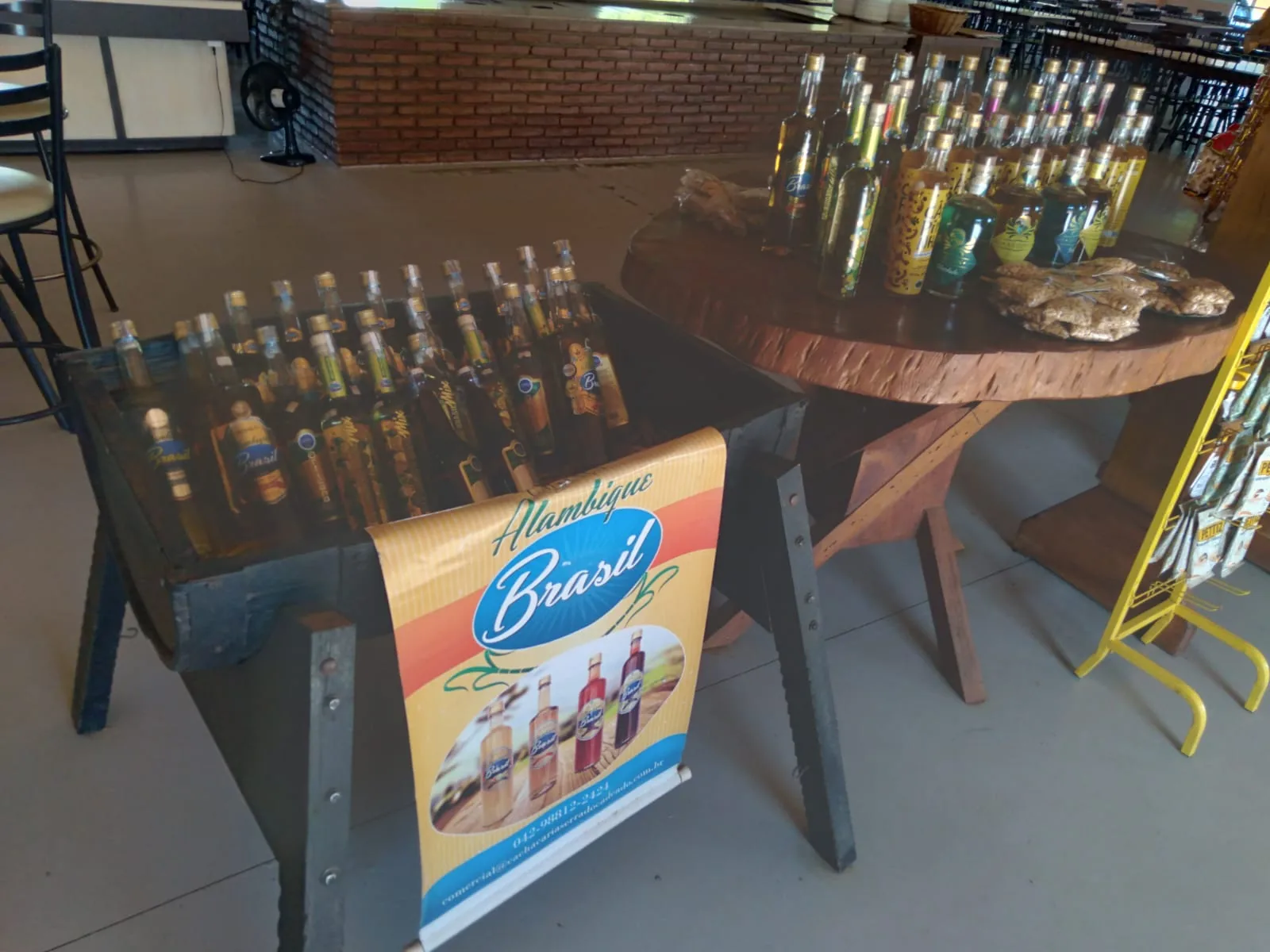
The caipirinha and its variations
However serious cachaça gets, it lives in the popular imagination as one drink: the caipirinha, Brazil's national cocktail and one of the great simple drinks of the world. Its appeal is its honesty. The official recipe — defined, unusually, in Brazilian regulation — is just four ingredients: cachaça, lime, sugar and ice. Half a lime is cut into pieces, muddled with sugar to release the juice and the oils from the peel, then cachaça and ice are added and the whole thing is stirred. Strictly speaking, change any of those four elements and you are no longer drinking a caipirinha but a relative of it.
The drink has a charming origin story rooted in the interior of São Paulo state. By the most-told account it began not as a cocktail but as a country remedy — cachaça with lime, sugar and, in the earliest versions, garlic and honey, given to the sick during the Spanish flu around 1918. The garlic was dropped, the honey gave way to sugar from the abundant cane, and what was left turned out to be delicious enough to drink for pleasure. The name comes from caipira, the word for a country dweller, the rural people of the region where it was born. A peasant's tonic became the nation's drink.
The variations worth knowing
Because the formula is so simple, it invites variation, and Brazilians vary it constantly. The ones worth knowing:
- Caipifruta: a caipirinha made with other fruit muddled in alongside or instead of the lime — passion fruit (maracujá), pineapple, strawberry, kiwi, tangerine. On the coast, a passion-fruit caipirinha is hard to beat.
- Caipiroska (or caipivodka): the same drink made with vodka instead of cachaça. Common in bars, smoother and blander; purists consider it a different, lesser thing.
- Caipisaquê / sakerinha: made with sake, a nod to Brazil's large Japanese community, especially in São Paulo.
- Batida: not a caipirinha at all but a close cousin — cachaça blended with fruit juice and often condensed milk into something creamy and easy. The batida de coco is a beach classic.
One piece of practical advice from people who drink a lot of them: the quality of the cachaça matters more than you would think. A caipirinha made with a decent de alambique white cachaça is a different and far better drink than one made with the cheapest industrial brand, and on the Costa Verde, where the local cane spirit is excellent, there is no excuse for the latter. Ask for a good local cachaça and notice the difference.
Cachaça in Brazilian life — and how to drink it
Part of what makes cachaça worth understanding is how deeply it is woven into Brazilian culture. It has more nicknames than any other Brazilian thing — pinga, caninha, branquinha, aguardente and dozens of affectionate or sly local names, a sign of a drink that people have lived with for a very long time. It appears in folk songs, in Carnival, in the small offerings of Afro-Brazilian religious practice, and in the everyday ritual of the boteco, the corner bar, where a shot of pinga and a cold beer is the working person's end to the day. To drink cachaça in Brazil is to take part in something genuinely national, rich and poor alike.
So how should you actually drink it? The honest answer is: in three registers, depending on the bottle. A rough industrial white is for the caipirinha or a quick neat shot in a bar — nobody is asking you to contemplate it. A good artisanal white deserves to be tasted on its own, lightly chilled, to appreciate the fresh cane character, and it also makes a superior caipirinha. And a fine aged cachaça — particularly one rested in amburana or another expressive native wood — should be treated like a fine rum or a single malt: poured neat into a proper glass, served a touch below room temperature, sipped slowly, perhaps with a single drop of water to open it. The mistake foreign visitors most often make is using their best bottle for cocktails and their worst for sipping; do it the other way around. Beyond the caipirinha, cachaça mixes beautifully into other drinks — it stands in for rum or whisky in many classics, makes a fine sour, and the aged expressions sit happily in an old-fashioned or alongside a coffee — but the highest pleasure it offers is simply a good glass of the aged spirit, slowly, in good company.
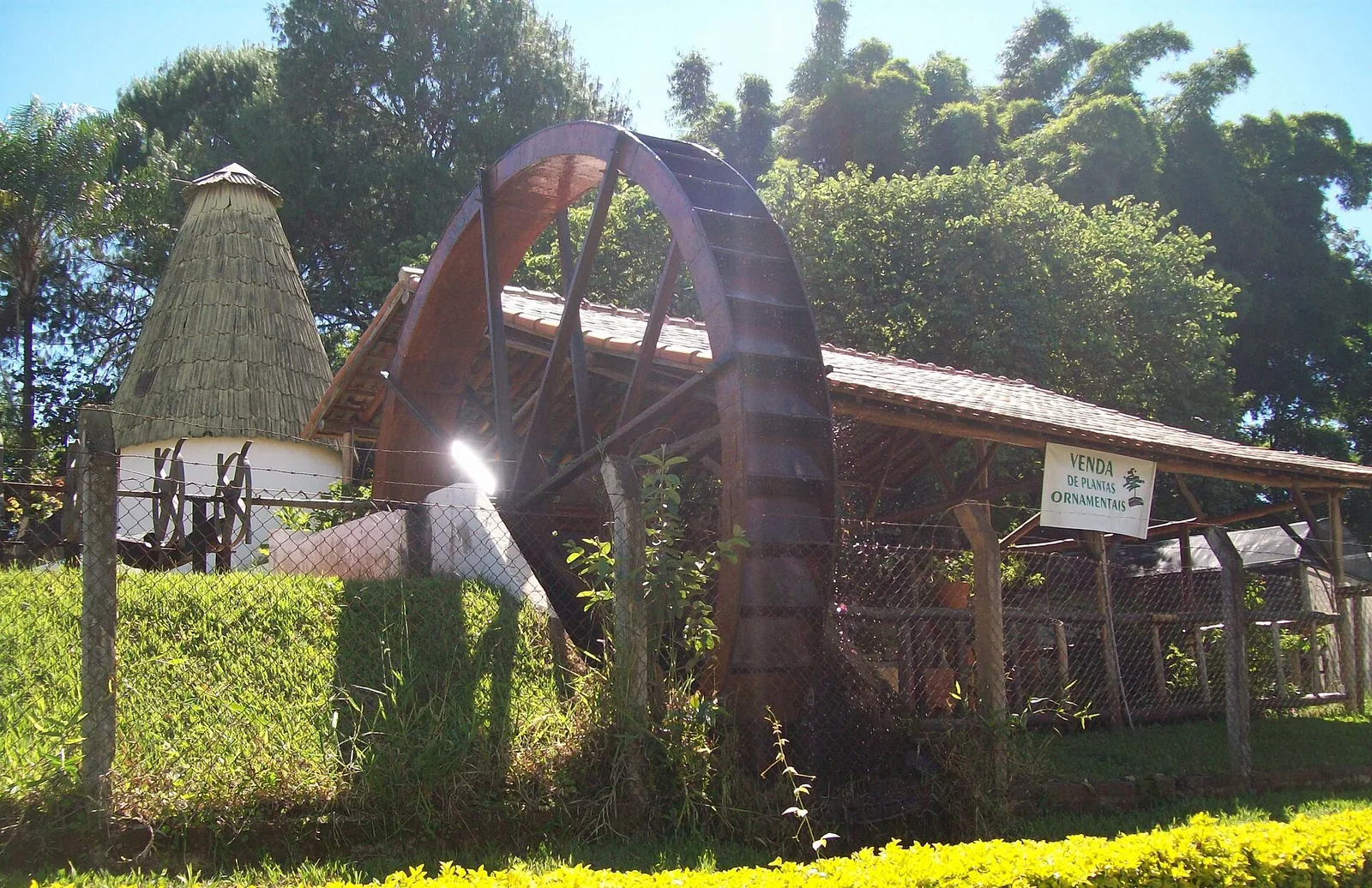
The regional capitals of cachaça
Cachaça is made all over Brazil, but a handful of regions are famous enough to have won protected geographical-indication status — the legal recognition, like Champagne or Parma, that a name belongs to a place and a tradition. For the travelling spirit lover, these are the names to know.
Paraty, Rio de Janeiro
Our own coast is one of the oldest and most storied. Paraty was a major cachaça centre in the colonial era — cane spirit was so bound up with the town's economy and the gold trade that "paraty" was once used as a generic word for cachaça across parts of Brazil. The tradition survives in a cluster of artisanal stills in the green hills around the town, several of them open to visitors, producing elegant, refined cachaças, both white and wood-aged. The Paraty denomination carries protected status today. It is, conveniently for our guests, the easiest fine-cachaça region in the country to visit on a relaxed day out; our distilleries guide lays out how.
Minas Gerais and Salinas
If Paraty is the historic coastal capital, the inland state of Minas Gerais is the heartland of artisanal cachaça by sheer depth and quality, with countless small farm stills scattered through its hills. Within Minas, the town of Salinas is regularly called the national capital of artisanal cachaça, and it too holds protected geographical-indication status. Salinas cachaças have a particular reputation for smoothness and finesse, and many of Brazil's most coveted bottles come from there or from the wider Minas countryside. If you travel into Minas — itself one of Brazil's great food-and-drink regions — a cachaça pilgrimage is well worth building in.
The wider map
Beyond those two, excellent cachaça comes from Bahia (the Abaíra region in the highlands has protected status and a fine reputation), from parts of São Paulo state, from Pernambuco and elsewhere in the northeast, and from pockets of the south. The point is that, like wine, cachaça has terroir: the cane, the climate, the local woods and the distiller's tradition all leave a mark, and exploring different regions is a real and rewarding way to understand the spirit. You do not have to leave Paraty to drink superbly — but if cachaça grips you, the country opens up.
It is worth dwelling for a moment on what geographical indication actually means here, because it is the single best shortcut to quality. A protected denomination — Paraty, Salinas, Abaíra and the others — is a legal guarantee that a cachaça was made in a defined place, to a defined traditional method, by producers who have collectively earned the recognition. It does for cachaça what the same system does for Champagne or Cognac: it ties the name to the land and protects both the maker and the drinker. When you see one of these origins on a label, you are not just buying a brand; you are buying a place and a tradition that fought to be recognised. For a traveller who wants to drink well without becoming an expert, "buy from a protected region, buy de alambique" is a rule that almost never lets you down.
How to taste cachaça
Tasting cachaça properly is straightforward and worth doing at least once, because it changes how you drink it forever after. A few notes from doing it often:
- Use a decent glass — a small tulip or even a wine glass, anything that gathers the aroma. The traditional thick shot glass is for throwing it back; that is not what you want here.
- Start with the whites. A good unaged cachaça should smell of fresh cane — grassy, green, a little fruity or floral — and taste clean and lively. This is where the distillery's craft shows most nakedly, with no wood to hide behind.
- Then the aged ones, lightest wood first. Move from neutral woods like jequitibá up through the more assertive ones. With an amburana, look for the vanilla and warm spice; with a balsamo, the herbaceous, resinous edge; with oak, the familiar whisky-like notes. Taste them side by side if you can — the contrast is the lesson.
- Add a drop of water to an aged cachaça to open it up, as you would with whisky.
- Don't rush, and don't over-chill the good stuff. Slightly below room temperature is right for sipping cachaça; ice-cold mutes it.
What you are training, doing this, is the ability to tell good cachaça from bad — and the markers are not hard to learn. A good cachaça, white or aged, should taste clean and integrated, with the alcohol carried smoothly rather than burning; the fresh-cane character should be present but balanced; and an aged one should show the wood as warmth and complexity, not as a harsh, raw edge. A poor one tends to be hot, thin and acetone-sharp, with the wood, if any, sitting on top rather than woven in. You will recognise the difference faster than you expect, and once you do, the cheap industrial bottles lose their appeal for sipping entirely — which is exactly the point.
A guided tasting at a distillery, or a flight set up at home, is one of the more enjoyable hours you can spend on this coast. It is exactly the kind of thing we are happy to arrange for guests — a tasting of local Paraty cachaças to open an evening at the chalet, or a visit to a still as part of a day out — so do mention it when you plan your trip.
How to bring some home
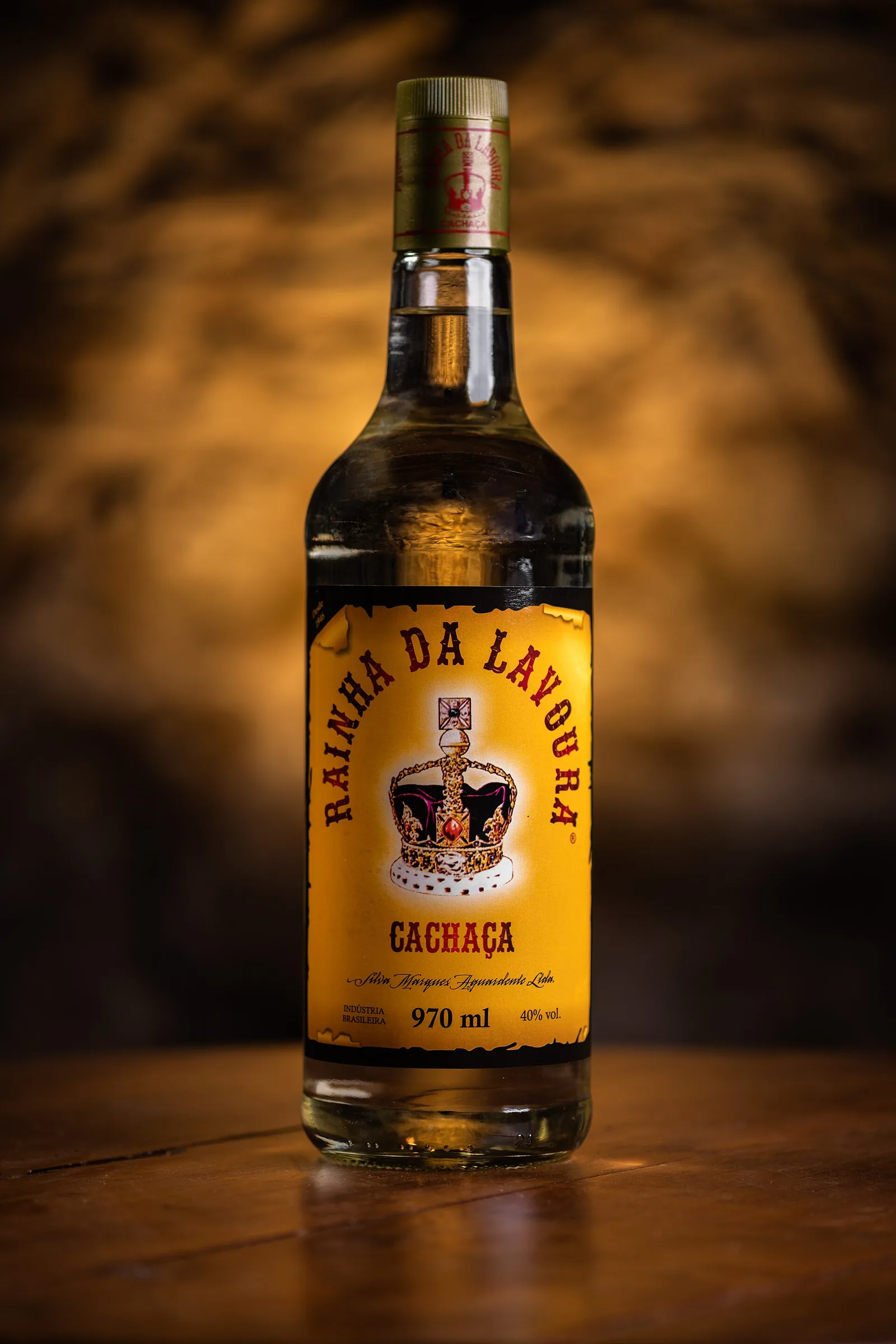
A good bottle of cachaça is one of the best souvenirs you can carry out of Brazil — far more interesting than the mass-market brands you can buy in an airport anywhere — and a little thought makes for a much better buy.
- Buy artisanal, and buy something you can't get at home. Skip the big industrial labels you will see everywhere. Choose a de alambique bottle from a small producer, ideally one tied to the region you visited — a Paraty cachaça from a local still, a Salinas bottle if you reach Minas. A wood-aged expression in amburana or another native wood makes a particularly memorable gift, since it tastes of nothing you can find in a foreign shop.
- Buy at the source or from a specialist. The distillery shop, a good cachaça-focused store, or a serious local bar will steer you better than a supermarket, and you can usually taste before you commit.
- Pack it for the hold. Spirits go in checked luggage, well wrapped — clothes around the bottle, or a padded sleeve — and within your home country's duty-free allowance. Keep the receipt.
- Note the strength and the wood. Jot down what you bought and why you liked it; cachaça names blur quickly, and you will want to find it again.
Bring home a white for caipirinhas and an aged one for sipping, and you have the whole spirit in two bottles — the easy, sunlit drink of the beach and the serious, contemplative spirit behind it.
One more thought on giving cachaça as a gift, since so many travellers do. A well-chosen artisanal bottle, with its origin and its wood on the label and the story of the still you bought it from, is the kind of present that keeps giving — because you can pour it for friends at home and walk them through everything in this guide, from the fresh-cane base to the amburana that makes it smell of vanilla. It carries a piece of the trip with it. Few souvenirs do that; a fridge magnet does not start a conversation, but a glass of good aged cachaça poured for someone who has never tasted it almost always does. That, in the end, is the case for taking cachaça seriously: it is delicious, it is deeply Brazilian, and it travels — in the bottle, and in the telling.
Cachaça on the Costa Verde
To end where we are: there are few better places to fall for this spirit than the coast around Paraty, where the stills are a short drive into the hills, the local cachaça is genuinely fine, and a caipirinha by the water is simply part of the day. The way we'd suggest doing it: spend a morning visiting an alambique and tasting across whites and woods (see the distilleries guide); buy a bottle or two at the source; and then drink them properly — a good caipirinha over a long seafood lunch, an aged amburana sipped slowly on the terrace as the lights come up over the bay. If food is part of your interest, our companion guide to Brazilian gastronomy sets the spirit in the wider context of how this country eats and drinks, and the rest of the journal covers more of the culture of the Costa Verde.
Cachaça rewards the curious. It is older than most people realise, more varied than almost anyone outside Brazil knows, and capable, at its best, of standing beside any fine spirit in the world. Come and taste it where it is made well. When you are ready to plan, get in touch and we will build the tastings, the distillery visit and the long, slow evenings into your stay.
Frequently asked questions
Cachaça is Brazil's national spirit, distilled from fermented fresh sugarcane juice. It is the base of the caipirinha. By Brazilian law the name is reserved for cane spirit made in Brazil, and it is one of the most-produced spirits in the world, though most of it is consumed within the country.
Both come from sugarcane, but most rum is made from molasses — a by-product of sugar refining — while cachaça is made from fresh-pressed sugarcane juice. Cachaça is also, by law, made only in Brazil, and is typically bottled at a lower strength than many rums. The fresh-juice base gives it a grassier, more vegetal character.
Industrial cachaça is made at scale in continuous column stills and accounts for most of the volume sold. Artisanal cachaça is made in small batches in copper pot stills, or alambiques, usually on the farm where the cane is grown. Artisanal cachaça is generally more characterful and is the kind to seek out for sipping.
Just four ingredients: cachaça, lime, sugar and ice. The lime and sugar are muddled together, the cachaça and ice are added, and that is it. Brazilian regulation defines the drink by those ingredients — change them and, strictly, it is no longer a caipirinha but a variation.
Besides European oak, cachaça is famously aged in native Brazilian woods, each lending a different character. Amburana gives vanilla and warm spice; balsamo (bálsamo) gives herbaceous, slightly astringent notes; jequitibá is neutral and lets the spirit show through. These native-wood expressions are unique to cachaça.
Several regions are famous. Paraty in Rio de Janeiro state and Salinas in Minas Gerais are two of the most celebrated, and both hold protected geographical-indication status. Minas Gerais as a whole, along with parts of Bahia, São Paulo and the northeast, all produce excellent artisanal cachaça.
Yes, within your country's duty-free allowance, as you would any spirit. Buy from the distillery or a good specialist shop, choose an artisanal bottle that does not travel widely abroad, pack it well for the hold, and keep the receipt. A wood-aged artisanal cachaça makes a far better souvenir than the mass-market brands you can find anywhere.