In this guide
There is a particular kind of luxury that has nothing to do with thread counts or marble bathrooms. It is the luxury of friction removed in advance — of arriving in a country and finding that the visa is sorted, the money works, the phone connects, the driver is waiting, and you can simply step into the trip without a single anxious moment at the kerb. Brazil rewards this kind of preparation more than most places, because it is large, bureaucratic in patches, and just unfamiliar enough that small things left unplanned can become large ones at the worst time. Get the groundwork right and Brazil is one of the most generous, warm and rewarding countries on earth to travel in. This guide is that groundwork.
I write as the journal editor for a hillside chalet above the Bay of Paraty, on the Costa Verde coast southwest of Rio, so I have watched a great many guests arrive — the ones who glided in and the ones who learned the hard way that the rules had changed since their last trip, or that their card was blocked, or that they had budgeted for a quiet week and walked into Carnival. None of that is necessary. What follows is the practical-but-elevated planning guide I wish every guest read before booking: entry and visas, money and tipping, the country's size and how to move across it, language and etiquette, connectivity, health, sensible safety without melodrama, and — at the end — how a private villa actually fits into a high-end Brazilian itinerary.
One overriding principle before we start. Rules around entry, in particular, have changed recently and can change again. I will tell you what is true as I write, with dates, but I will also tell you, repeatedly and unapologetically, to verify the current position with the official source for your own nationality before you travel. Treat any travel article, this one included, as a starting point, not the final word, on visas and entry.

Entry and visas: the rules that changed
This is the part to get right first, because it can take time and because it caught a lot of travellers out recently. Brazil's visa policy for several major nationalities changed in 2025, reversing a period of visa-free access, and the position now is genuinely different depending on where your passport is from.
United States, Canada and Australia
If you hold a passport from the United States, Canada or Australia, you now need a visa to visit Brazil as a tourist. This requirement came back into force on the 10th of April 2025, ending the visa-free arrangement that had been in place since 2019. It is administered as an electronic visa — an eVisa — which you apply for online before you travel; there is no need to visit a consulate in person for a standard tourist eVisa.
The mechanics, as they stand: you apply through the official VFS eVisa portal for Brazil, complete the form, upload the required documents and photo, and pay the fee online by card. Approval typically comes within a few business days, though it can stretch longer during busy periods, so do not leave it to the last week. The eVisa covers tourism, business, transit and similar short visits. The fee and the validity period differ by nationality — and these specifics are exactly the sort of thing that gets adjusted — so check the current figures on the official portal rather than relying on a number quoted in any article. Apply only through the official government channel; there are look-alike sites that charge a markup for the same thing, and you should avoid them.
One more point worth knowing: this policy has been subject to political back-and-forth in Brazil, with debate over timing and reciprocity. That is all the more reason to confirm the live position close to your travel date. As I write, the eVisa requirement for these three nationalities is in force.
United Kingdom and the European Union
If you hold a British or an EU passport, the position is simpler and more generous: you do not need a visa for a short tourist visit to Brazil. British citizens may stay visa-free for up to 90 days. EU citizens are also visa-free for short stays; the arrangement is reciprocal with Brazilians visiting the EU, and the permitted stay is framed as 90 days within any 180-day period — a rolling window rather than a flat 90 days per trip — so frequent or back-to-back visits need a little arithmetic. As ever, confirm the current terms for your specific country before booking, and note that the UK and EU rules are not identical even though both are visa-free.
The universal checks
Whatever your nationality, a few things apply to everyone. Make sure your passport has plenty of validity left — six months beyond your travel dates is the safe rule, and several blank pages. Check whether any vaccination certificate is relevant to your route (see the health section below). And keep digital and paper copies of your key documents — passport, eVisa approval, insurance — somewhere separate from the originals. If you take one thing from this section, let it be this: settle your entry requirements early, from the official source, and the single most stressful part of Brazilian travel disappears.
Luxury in Brazil is not really about thread counts; it is about friction removed in advance.
Money: the real, cards, cash and tipping
Brazil's currency is the real — plural reais — and managing money here is refreshingly straightforward once you know the shape of it.
Cards and cash
Brazil is, quietly, one of the more card-friendly and digitally advanced countries you will visit. Cards are accepted almost everywhere, including for very small purchases that would be cash-only elsewhere — a coffee, a beach snack, a short taxi. Contactless is widespread. You genuinely do not need to carry large amounts of cash, and you should not.
That said, cash still has its place. Some small vendors, rural spots, market stalls and remote beaches prefer it; tips are often given in cash; and it is reassuring to have a modest reserve. The cleanest approach for most visitors is to bring little or no cash from home, and instead withdraw reais from a bank ATM on arrival, which gives you a fair rate. Tell your bank and card issuers your travel dates before you go, so a Brazilian transaction does not trip a fraud block at the worst moment, and carry a backup card kept separately from your main one. A card with low or no foreign-transaction fees will save you a surprising amount over a trip.
You may hear about Pix, Brazil's instant bank-transfer system, which has become the dominant way Brazilians pay each other and now handles more volume than cards. It is brilliant — and largely closed to short-term visitors, because it is tied to a Brazilian tax ID and bank account. Do not plan around using Pix as a tourist; your international cards and some cash will cover everything you need.
Tipping
Tipping in Brazil is gentler and less obligatory than in North America, and it helps to understand the convention rather than guess. In restaurants, a service charge of around 10 percent is usually already added to the bill — look for it, and you can treat it as the tip. Adding a little extra for genuinely good service is appreciated but not expected, and you are free to decline the service charge if something went wrong. For taxis and ride apps, rounding up is normal but tipping is not really a custom; Brazilians rarely tip drivers, though a few reais for help with luggage is a kind gesture. Hotel porters, housekeeping and helpful guides are reasonably tipped in cash. The overall posture is modest and warm rather than the percentage-anxiety some travellers carry from home. When in doubt, a small amount in cash, given directly, is always well received.
Budgeting and what things cost
A brief word on cost, since it shapes planning. Brazil can be travelled at almost any budget, and at the high end it offers real value compared with many luxury destinations — fine dining, private guiding and excellent accommodation cost noticeably less than their equivalents in Europe or North America, which is part of the country's appeal for the discerning traveller. The exceptions are the peak periods around New Year and Carnival, when prices for the best places climb steeply and book out far ahead; and the genuinely remote lodges, in the Amazon or the Pantanal, where the cost reflects the logistics of getting you somewhere wild and keeping you comfortable there. Plan the anchor stays and any peak-season travel early, when choice is widest, and let the day-to-day spending — meals, transport, small pleasures — look after itself, because it will rarely be the part that surprises you.
The country is enormous: flights, distances and getting around
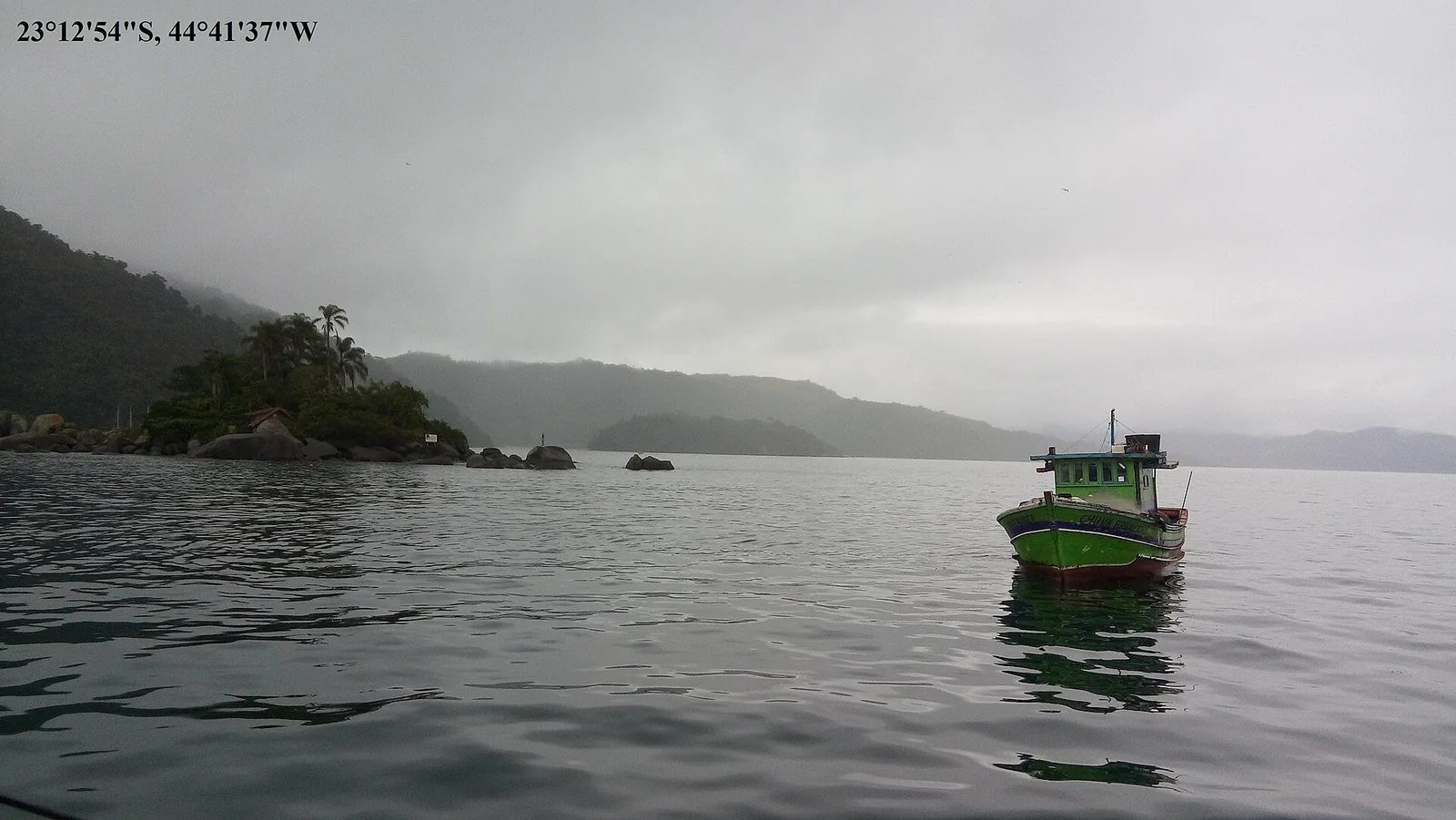
The mistake first-time visitors most often make is underestimating Brazil's scale. It is not a country you tour end to end on a single road trip; it is closer to a continent, and distances between its regions are measured in flight hours, not drive times. Rio to the Amazon, or Rio to the Pantanal, or Rio to the great northeastern beaches, are all serious journeys. Planning realistically around this is the difference between a relaxed trip and one spent in transit.
Domestic flights
For moving between regions, you fly. Brazil has an extensive domestic air network linking all the major cities, and an internal flight will routinely save you a day or more over any overland alternative. Book domestic flights as part of your overall plan rather than improvising them, watch the baggage rules on the low-cost carriers, and build a little buffer into connections, as schedules can shift. If your trip spans, say, Rio, the Pantanal and a northeastern beach, accept from the outset that flying between them is simply how it is done.
Within a region
Once you are inside a region, the calculus changes. For somewhere like the Costa Verde — the coast we know best — a private transfer or a hire car is the way to go, because the pleasure is in the stops: the bays, the viewpoints, the small towns along the coastal highway. The drive from Rio down to Paraty, for instance, is around 258 kilometres and takes about four hours on the scenic BR-101, and it is part of the experience rather than a chore. A private transfer removes even that small effort, and is what most of our guests choose; we set out the options, by car, transfer and bus, in our getting around guide and walk the route itself in the Rio to Paraty road trip piece. Within a coastal stay, boats matter as much as cars — much of the Costa Verde is best reached by water — but that is a pleasure to plan for, not a logistical worry.
A word on timing
Because the regions run on different seasons, the country's size has a calendar dimension too: a route that strings together several regions needs each leg timed to its own best season, not to a single idea of when to visit Brazil. We unpack that fully in our companion piece on when to visit Brazil, and it is worth reading before you fix your dates.
Driving, transfers and the practicalities of the road
If you do drive within a region, a few honest notes. An international driving permit alongside your home licence is the safe combination, and worth arranging before you travel. Brazilian roads vary enormously in quality, from excellent toll highways to patchy rural stretches, and the scenic coastal roads in particular are winding rather than fast, so judge journeys by time rather than distance. Drive in daylight wherever you can — the coastal routes are far better seen and safer driven before dark, and heavy rain raises the risk of fog and the occasional landslide in the mountains. Tolls are common on the main highways and usually take cards. Parking and security at stops call for the same discretion as anywhere: nothing valuable left visible in the car.
For many of our guests the simpler answer is to skip the rental entirely and use private transfers, which remove the navigation, the unfamiliar roads and the parking, and let you watch the scenery instead of the satnav. A good transfer driver becomes a quiet asset — knowing where to stop, how the traffic runs out of the city, which beach is worth the detour. It is, frankly, the more restful way to move along a coast like the Costa Verde, and it is what we most often arrange. Whatever you choose, the principle holds: long hops by plane, short ones by car or transfer, and the scale of the country respected at every turn.
Language and etiquette
Brazil speaks Portuguese — Brazilian Portuguese, which has its own warmth and music and is not interchangeable with the Spanish many visitors expect. In the main tourist areas and good hotels you will find English spoken, but away from them it thins out quickly, and a little Portuguese goes a remarkably long way. You do not need fluency; you need courtesy. A few words — bom dia for good morning, por favor, obrigado if you are a man or obrigada if you are a woman for thank you, and a warm tudo bem? as a greeting — will change how you are treated, because Brazilians are genuinely delighted when a visitor makes the effort. A translation app for the gaps does the rest.
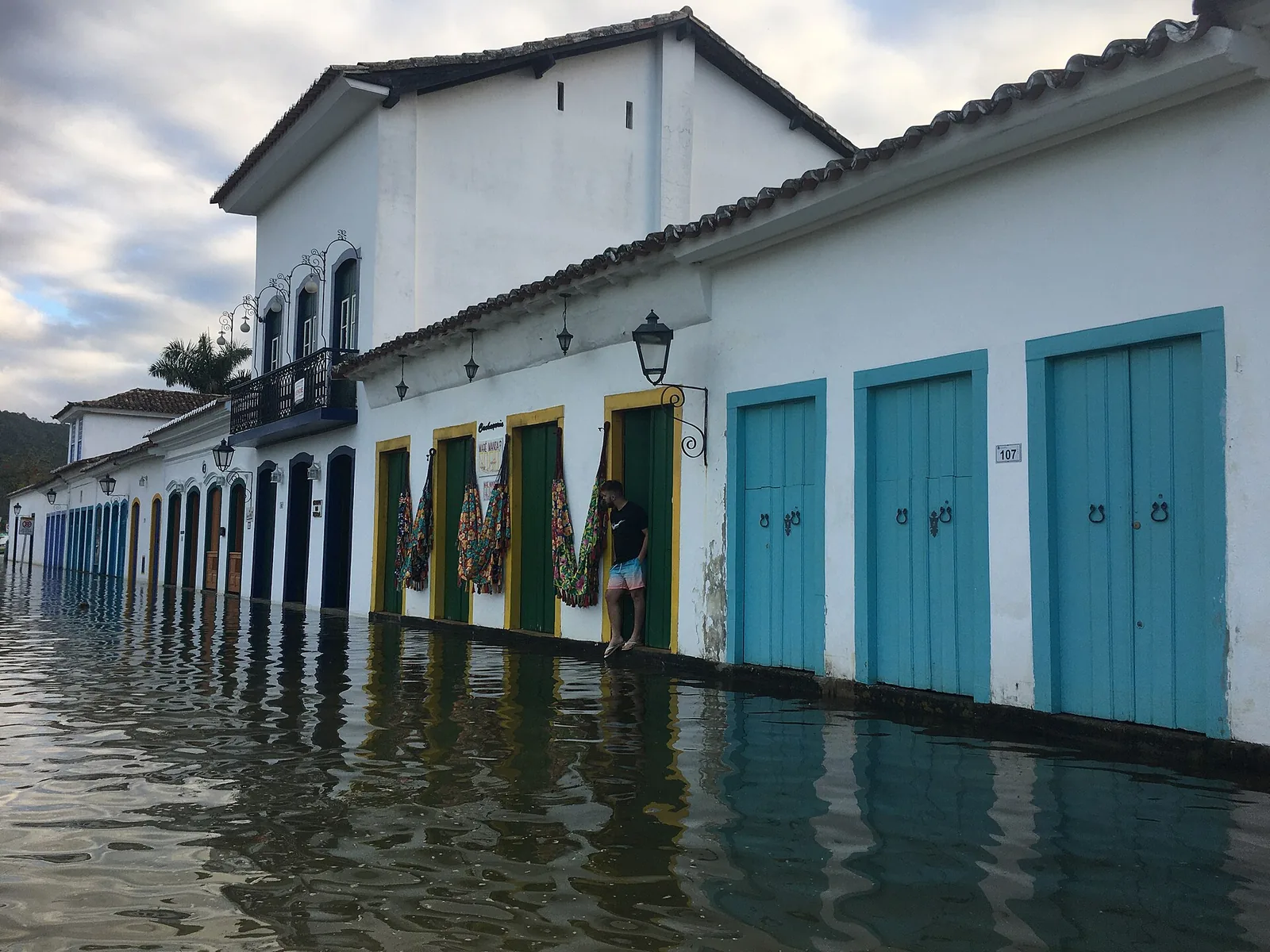
On etiquette more broadly, Brazil is warm, physical and informal in its social manner. Greetings are affectionate — handshakes, and often a kiss on the cheek between people being introduced socially. Personal space is closer than northern Europeans are used to, conversation is animated, and punctuality is treated more loosely in social settings than in business ones; do not be surprised if a dinner runs late or a plan is fluid. Dress is generally relaxed and stylish rather than formal, even at good restaurants, though beachwear stays at the beach. Above all, the social register is friendly and unpretentious, and meeting it in kind — patient, smiling, unhurried — is the surest way to be looked after well.
Connectivity: staying online
Staying connected in Brazil is easy, and worth sorting before you fly. For most travellers the simplest solution is an eSIM, bought online before departure and activated on arrival, which gives you local mobile data the moment you land without hunting for a shop or swapping a physical card. Mobile coverage is good across the cities and the populated coast and patchier in genuinely remote areas — some of the best beaches and islands deliberately have little signal, which many guests come to enjoy. Wi-Fi is standard in hotels, restaurants and cafés.
Two small habits make a real difference. Download offline maps for your regions before you go, so navigation works where the signal does not, and download offline translation for the same reason. And consider that part of the appeal of a coastal stay is exactly the patchy signal — the chance to be properly off, by the pool, with the bay in front of you. Connectivity is there when you want it; the luxury is choosing when you don't.
Plugs, power and the small practicalities
A handful of small things are worth knowing before you pack. Brazil's electricity is a quirk among travellers: the country uses its own plug standard, and the voltage is not uniform across the country, varying between regions. A universal travel adaptor handles the sockets, and modern electronics with dual-voltage chargers — phones, laptops, cameras — cope with the variation automatically; only single-voltage appliances need real care, and most travellers carry none. Good accommodation increasingly provides adaptors, but bring your own to be sure.
Brazil keeps to a single mainland time zone across most of its populated regions, with the far west and some islands differing, so jet lag between Brazilian cities is rarely a factor even on long internal hops. And a note that matters more than its size suggests: Brazilian addresses and opening hours run on local rhythms, with later evenings and a relaxed approach to timing, so build a little flex into your day rather than a tight schedule. The country runs warm and unhurried; meeting it at that pace is part of travelling well here.
Health and the sensible precautions
Brazil is not a difficult country health-wise, but a few sensible steps belong on any planning list. Travel insurance with proper medical cover is non-negotiable for a high-end trip, and worth choosing for the quality of its assistance and evacuation cover rather than the price. Check, well ahead, whether any vaccinations are recommended for your specific itinerary; yellow-fever vaccination in particular is relevant for some inland and forest regions, and a certificate can matter for onward travel, so consult a travel-health professional rather than guessing. In mosquito-borne-disease areas — parts of the interior, the wetlands, the Amazon — take repellent and cover up at dawn and dusk; on the developed coast this is far less of a concern.
Day to day, the practical notes are mild. Stick to bottled or filtered water in most places, which good accommodation will provide as a matter of course. The sun is strong, especially near the equator and on the water, so high-factor sun protection and a hat earn their place even on cloudy days. Pharmacies are excellent and widespread for minor needs. None of this should loom large; it is the ordinary admin of tropical travel, done once at the planning stage and then forgotten.

Safety, sensibly and without fear
Let me be plain, because this is the topic that draws the most anxious questions and the most overblown answers. Brazil is visited safely by enormous numbers of travellers every year, and the overwhelming majority have a wonderful, untroubled time. It also has real urban crime, as big cities the world over do, and the sensible response is not fear but ordinary, low-key caution — the same instincts you would use in any large unfamiliar city, applied consistently.
The practical habits that matter most:
- Keep a low profile. Leave the conspicuous jewellery and the expensive watch at home, and do not wave the latest phone around on a crowded street or beach. Looking like an obvious target is the avoidable part.
- Move smartly. Use registered taxis or a reputable ride app rather than hailing on the street, and lean on your hotel or host to arrange transport in unfamiliar areas, especially after dark.
- Carry little. Take only the cash and one card you need for the day, keep them on your person rather than in a bag that can be snatched, and leave passports and spares in the hotel safe.
- Ask the people who know. Your host or hotel can tell you precisely which neighbourhoods to favour, which to skip, and which beaches and times are best avoided. Local knowledge beats any guidebook generalisation, and it is freely given.
- Be calm if approached. In the rare event of a problem, possessions are replaceable; do not resist a robbery. This almost never comes up, but it is the right posture if it does.
That is genuinely it. A traveller who keeps valuables discreet, uses sensible transport and takes local advice is overwhelmingly likely to find Brazil exactly as warm and easy as its reputation among those who actually go. Fear-mongering does the country a disservice; so does carelessness. The middle ground — relaxed, aware, unflashy — is where almost everyone happily lives.
What to pack for a high-end Brazilian trip
Packing for Brazil is mostly about heat, sun and informality, with a couple of practical extras. The country dresses well but rarely formally, even at the better restaurants, so the brief is relaxed elegance rather than black tie. A short list of what genuinely earns its place:
- Lightweight, breathable clothing for hot, humid days — linen and cotton over synthetics — with enough for a few days between laundry, since you will change often in the heat.
- A light layer or two for cool coastal evenings, especially in the dry winter and up in the hills, and for fierce air-conditioning. Even tropical Brazil has evenings that surprise the unprepared.
- Proper sun protection — high-factor sunscreen, a hat, sunglasses. The sun is strong near the equator and stronger again reflected off the water; this is not the place to be casual about it.
- Real shoes for the active days alongside the sandals — the colonial towns have slick, uneven cobbles, the forest trails are rough, and the boats have wet decks. Pretty footwear has its place, but bring something with grip.
- Swimwear and a rash vest for long days on the water, plus a quick-dry towel if you plan remote beaches.
- A packable rain shell — essential in the wet summer, useful insurance in any season.
- A universal adaptor, a power bank for long days out, and any prescription medicines in their original packaging with a copy of the prescription.
- A small daypack that closes securely, for carrying only what you need on city days while leaving the rest in the safe.
Pack light overall. Laundry is easy to arrange, the climate calls for less than you think, and the domestic carriers can be strict on baggage; the traveller who arrives with one well-chosen bag moves through the country far more gracefully than the one wrestling a hard case up a boat ramp.
How a private villa fits a high-end itinerary
Now the part I know best. For travellers used to the finest hotels, the question of whether to base part of a Brazilian trip in a private villa rather than a resort is worth thinking through, because it changes the texture of the trip more than people expect.
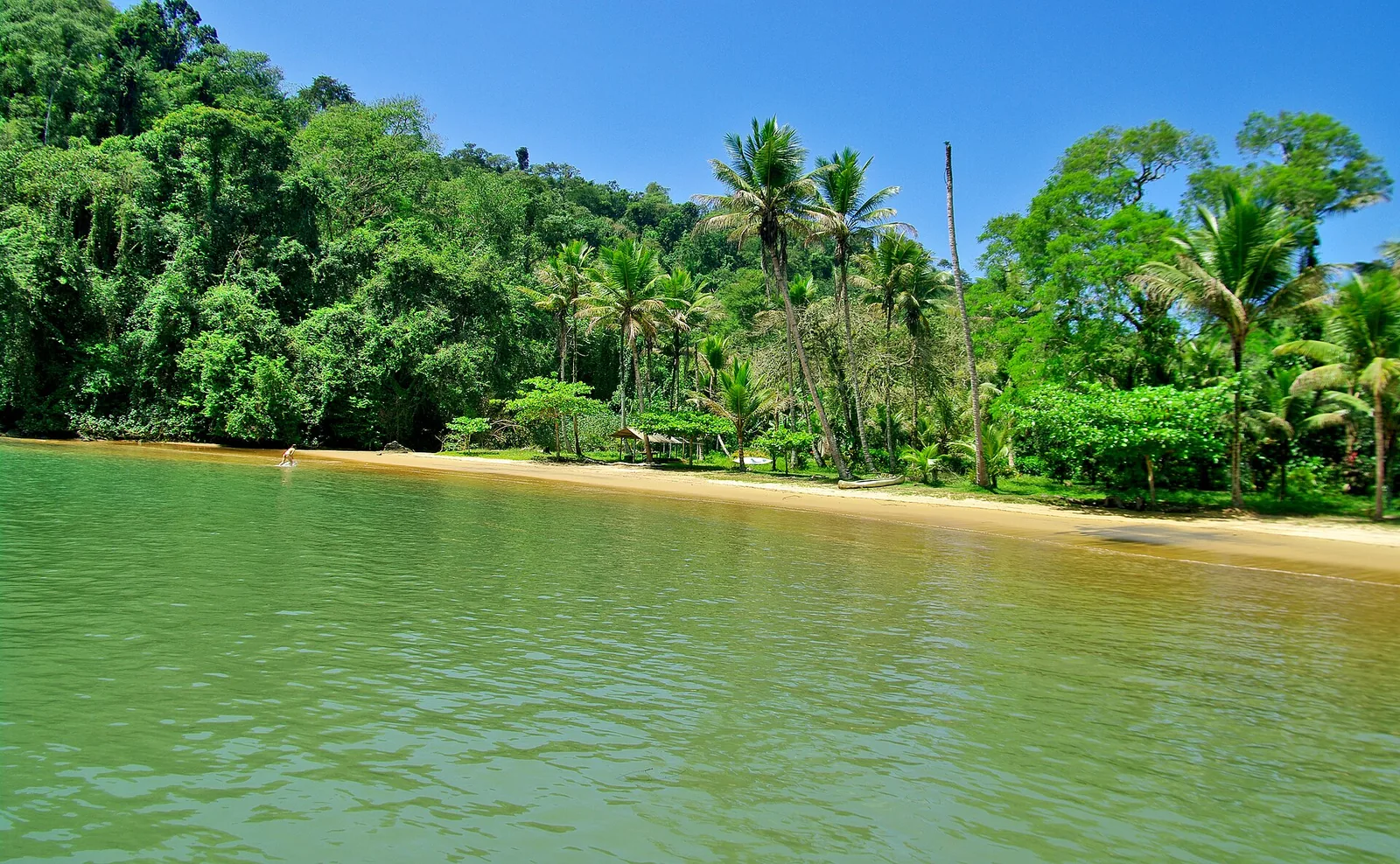
The case for a villa, on a coast like the Costa Verde, comes down to space, privacy and pace. A private house gives you the run of the place — the pool to yourselves at dawn, the terrace at sunset, a kitchen if you want it, room for a family or a group of friends to be together without the compromises of separate hotel rooms. It removes the small frictions of resort life: no queues, no set mealtimes, no sharing the view. And it suits the way the Costa Verde rewards visitors, which is slowly — long mornings, days out on the bay by boat, late lunches, the kind of unhurried rhythm a private base makes natural. Our own chalet sits around 400 metres above the Bay of Paraty with an infinity pool looking out over the water toward Paraty, Angra dos Reis and Ilha Grande, and the thing guests remark on is precisely that: the privacy and the long, slow days it gives them. You can read about it on the chalet page, and see how it anchors a coastal stay in our guide to a luxury villa in Paraty.
The way to think about it within a wider itinerary is as the anchor leg — the part where you stop moving. A classic high-end shape is a few polished days in Rio at the start, using a good city hotel as your base for the icons and the restaurants, then a transfer down the coast to a private villa for the heart of the trip, where you settle, slow down and let the coast come to you. From there, day trips by boat and car reach the islands, beaches and colonial town without you ever repacking. If the trip extends to a wildlife region, that becomes a separate, flown leg with its own lodge. The villa is where the journey exhales, and most guests find it is the part they remember most fondly. We set out worked versions of this in our Paraty itineraries and the regional picture in the Costa Verde overview.
A short planning checklist
To gather it all in one place, here is the order I would tackle a luxury Brazil trip in:
- Settle entry first. Check your nationality's current visa position with the official Brazilian source, and if you need an eVisa, apply early through the official portal.
- Choose your season by region. Decide your priorities and time each leg to its own best season — see our when to visit Brazil guide.
- Map the distances honestly. Plan internal flights between regions and cars or transfers within them; do not underestimate the scale.
- Sort money before you fly. Tell your bank, bring a low-fee card and a backup, plan to draw reais on arrival.
- Connectivity and health. Buy an eSIM, download offline maps, arrange insurance, and check vaccinations for your route with a professional.
- Choose your bases. A city hotel for Rio, a private villa for the coast, lodges for any wildlife leg — and book the anchor stay first.
Do these in this order and the trip plans itself, with the anxious parts handled long before you board. That is the whole idea of an elevated trip: the work happens quietly in advance, so that arrival feels like nothing at all.
If you would like a hand shaping a Brazilian itinerary around a stay on the Costa Verde — the timing, the logistics, the way the pieces fit — we are glad to help, and we do it for guests as a matter of course. Begin with the chalet, explore the region through our Paraty hub, and reach us any time on the contact page. The country is more than worth the planning, and the planning, done well, all but disappears.
Frequently asked questions
It depends on your nationality, and the rules changed recently. As of April 2025, citizens of the United States, Canada and Australia again need a visa — an electronic eVisa — for tourism in Brazil. Citizens of the United Kingdom and the European Union do not need a visa for short tourist stays of up to 90 days. Rules can change, so always confirm with the official Brazilian government source for your country before you travel.
Eligible travellers apply online through the official VFS eVisa portal, pay the fee by card, and typically receive approval within a few business days, though it can take longer in busy periods. The eVisa is for tourism, business and transit. Apply well ahead of travel, use only the official portal, and check the current fee and validity, which differ by nationality, on the official site.
The currency is the Brazilian real. Cards are very widely accepted, even for small amounts, so you do not need to carry large sums. It is still worth having some cash for tips, small vendors, taxis and remote spots. Withdraw reais from ATMs on arrival rather than changing money at home, and tell your bank you are travelling.
Brazil is visited safely by huge numbers of travellers every year, and a sensible, low-key approach goes a long way. Keep valuables out of sight, use registered taxis or ride apps rather than hailing in the street, avoid displaying expensive jewellery or phones in busy public places, and ask your hotel or host which areas to favour and which to skip. This is ordinary big-city common sense, not cause for fear.
Restaurants usually add a service charge of around 10 percent to the bill, which functions as the tip; you can add a little more for good service but are not obliged to. Tipping is more modest and less universal than in North America. Round up taxi fares, tip hotel porters and helpful guides in cash, and you will be well within local custom.
Yes. An eSIM bought before you travel is the simplest option for most visitors, giving you local data the moment you land without swapping a physical SIM. Coverage is good in cities and along the populated coast, patchier in remote areas. Wi-Fi is common in hotels and restaurants. Download offline maps and translation in advance for the places without signal.
Brazil is vast, so for long distances flying is the norm; the domestic network is extensive and a flight between major cities saves days over driving. For a region like the Costa Verde coast, a private transfer or a car gives you the freedom to explore. A good itinerary usually combines internal flights between regions with cars or transfers within them.