In this guide
You cannot really understand the Paraty coast — its bays and beaches, its food, the rhythm of a day on the water — without understanding the people whose lives have shaped it for centuries. They are the caiçara: the traditional coastal communities of this stretch of southeastern Brazil, descended from the meeting of Indigenous peoples, Portuguese settlers and Africans, and still living, fishing and cooking in ways that draw directly on all three. To a visitor the coves and fishing villages can look like scenery. They are not. They are home, and they are the living heart of a culture that is one of the most genuinely special things about this region.
This is a piece I have wanted to write carefully, because the caiçara are too often reduced to a postcard — a fisherman in a wooden canoe, a thatched hut on an empty beach — when the reality is a complex, resilient and pressured way of life. My aim here is to introduce who the caiçara actually are, where their traditions come from, what they eat and how they live, where you can encounter their communities around Paraty, the real pressures they face over land and access, and — most importantly — how to visit in a way that respects them as neighbours rather than treating them as part of the view.
I write as a host who lives above this bay and has spent years in and around these communities, with deep affection and a great deal still to learn. Take this as an invitation to look more closely and travel more thoughtfully, not as the last word. The caiçara tell their own story best; the most I can do is encourage you to go and listen.
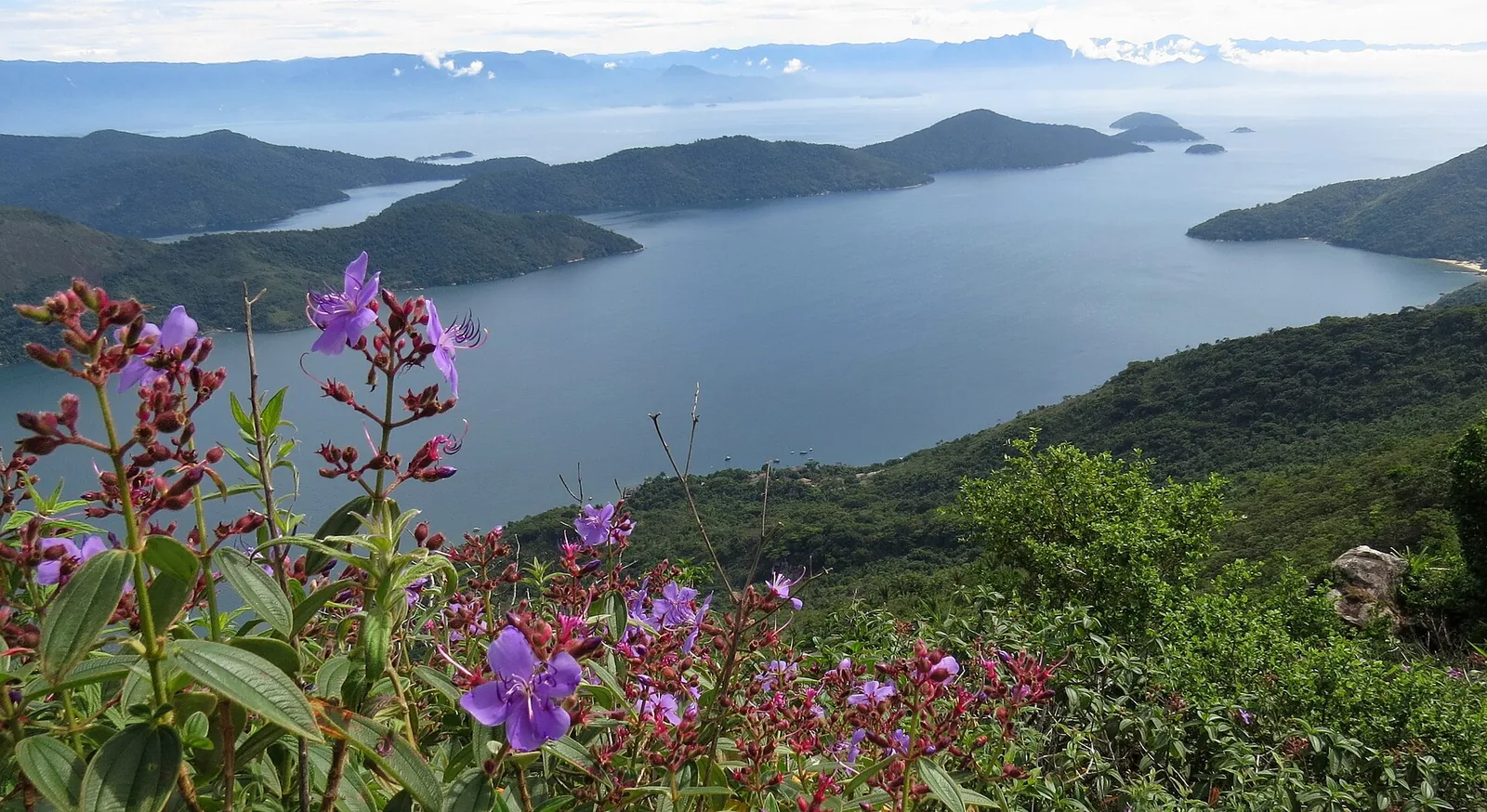
Who the caiçara are
The caiçara are the traditional coastal populations of southeastern Brazil, found along the shores of São Paulo, Paraná and Santa Catarina states and, here in the south of Rio de Janeiro, in the municipalities of Paraty and Angra dos Reis. They are not a single ethnic group in the simple sense but the product of centuries of mixing: descended from the region's Indigenous peoples — including Tupi-Guarani groups who lived on this coast long before the Portuguese arrived — from the Portuguese colonisers themselves, and from Africans brought to Brazil during the era of slavery. That threefold heritage is the foundation of everything in caiçara culture, from the food to the language to the boats.
The word itself carries that history. 'Caiçara' comes from the Indigenous Tupi language — from a term for a kind of fence or enclosure of branches, originally connected to fishing traps and the staked corrals used along the shore. Over generations the word shifted from the structure to the people who used it, and then to their whole way of life. To call yourself caiçara today is to claim a coastal identity rooted in this particular meeting of peoples and this particular landscape of forest and sea.
What has always distinguished the caiçara from other coastal fishing peoples in Brazil is that they never lived from the sea alone. Theirs is a culture of combination: artisanal fishing alongside small-scale subsistence farming, hunting and gathering in the forest, plant extraction and handicraft. The farming, in particular, carries a clearly Indigenous inheritance — slash-and-clear gardens, manioc as the staple crop, techniques handed down from the people who worked this land first. The caiçara, in other words, are amphibious in the best sense: people of both the water and the forest, who have understood for centuries how to live between the two.
To understand the Paraty coast, you have to understand the caiçara — the people whose lives are woven into its bays, beaches and forest.
How the culture came to be
To understand the caiçara you have to glance back at the history of this coast, because the culture is the sediment of several very different eras. Long before Europeans arrived, the bays and forests around what is now Paraty were home to Indigenous peoples, Tupi-Guarani groups who fished, farmed manioc and moved by canoe through these same waters. They are the deepest layer, and the source of much of what is still distinctively caiçara — the boats, the staple crop, the read of the forest and the tides.
The Portuguese came in the colonial period, and Paraty grew into a port of real importance. In the late seventeenth and eighteenth centuries it became the coastal end of the Caminho do Ouro, the Gold Trail, down which gold from the interior mines of Minas Gerais was carried over the mountains to be shipped to Europe — the trade that built the handsome colonial town you walk through today. That economy depended on enslaved African labour, the third great strand of the region's heritage, and when the gold trade faded and slavery was abolished, the coast was left with a population formed from all three peoples and a far quieter economy.
It was in that long aftermath — as Paraty slipped from a busy port into relative isolation, cut off by the mountains and reachable mainly by sea — that the caiçara way of life as we know it settled into place. For generations these communities lived in a kind of seclusion, largely self-sufficient, fishing and farming the bays and beaches with little contact with the outside world. That isolation, hard as it was, is precisely what preserved the culture so intact: the canoes, the manioc cooking, the fishing knowledge and the close-knit village life survived because the modern world arrived here late. Only in recent decades, with roads, electricity, conservation laws and tourism, has that seclusion broken down — which is why the caiçara today are at once remarkably traditional and rapidly changing. The town's own story is the necessary backdrop, and our historic-centre guide and the piece on the Gold Trail fill it in.
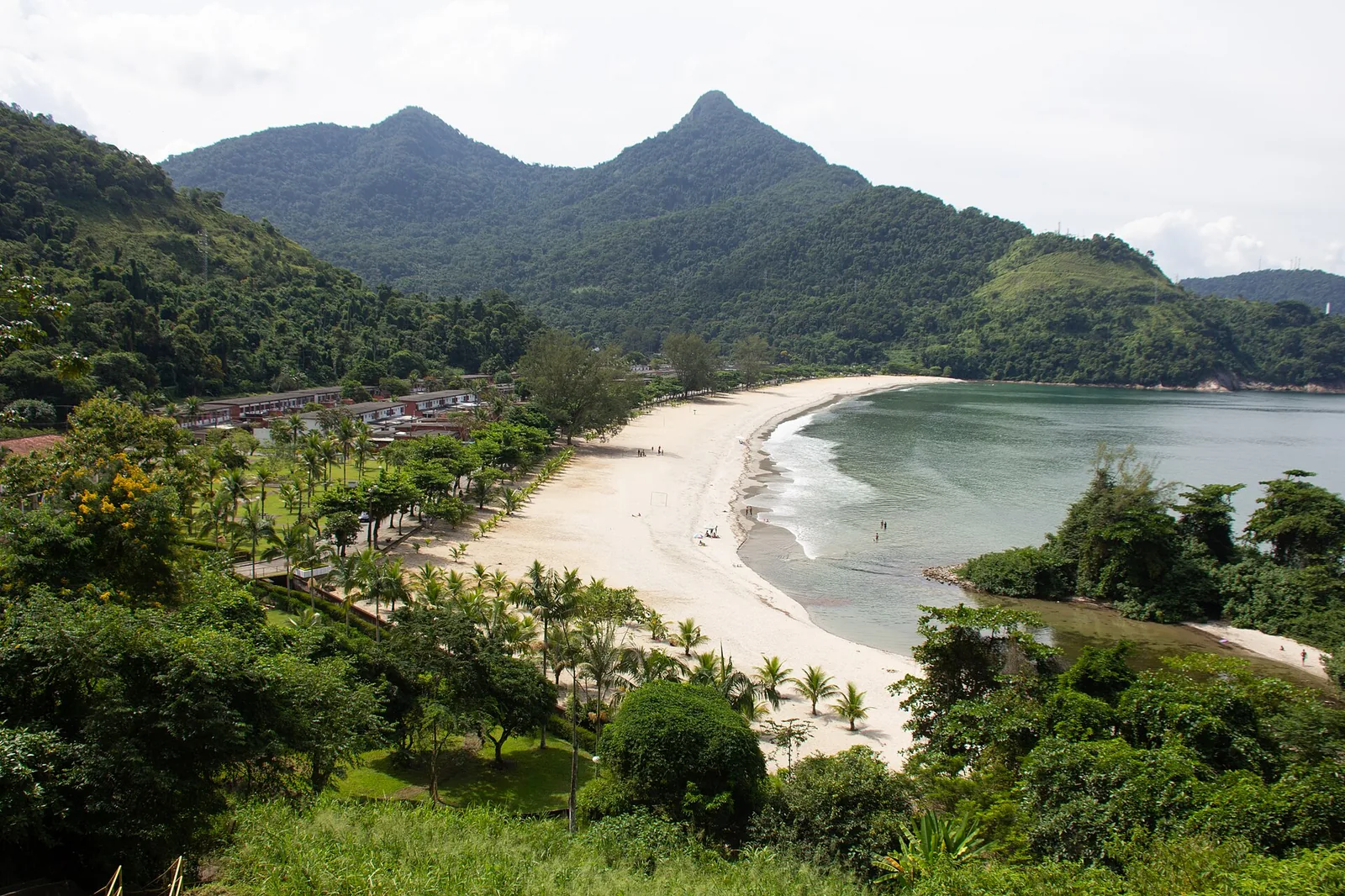
A culture born of the forest and the sea
The landscape the caiçara inhabit is itself extraordinary, and inseparable from their culture. This is the Mata Atlântica — the Atlantic Forest — one of the richest and most threatened ecosystems on earth, of which only a small fraction of the original cover survives, much of it concentrated on exactly this southeastern coast. Where the forest meets the sea you get mangroves, restinga scrub, rocky shores and sheltered bays, a mosaic of habitats that the caiçara have read and used with great precision for generations.
That intimate knowledge is the substance of the culture. Caiçara fishers know the seasons of the fish, the behaviour of the tides, the moods of the bay, the places where particular species gather; the gardeners know the forest's plants for food, medicine and material. This is not folklore but practical, accumulated ecological understanding, and it is part of why the region was recognised in 2019 when Paraty and Ilha Grande were jointly inscribed as a UNESCO World Heritage site — Brazil's first 'mixed' site, valued for both its nature and its culture, with the traditional Indigenous, caiçara and quilombola communities named explicitly as part of what makes it worth protecting.
Living this way leaves a light footprint, and it is worth pausing on that, because it is central to who the caiçara are. A culture built on taking what the sea and forest provide, season by season, in small quantities, is by its nature a culture of stewardship. The bays around Paraty are as beautiful and biodiverse as they are partly because the people who have lived here longest did not strip them. That is a lesson the wider world is only lately learning, and the caiçara have been quietly practising it for centuries. To explore the coast they shaped, our guide to exploring Paraty is a good starting point.
Fishing, canoes and the working life
If there is one image at the centre of caiçara identity, it is the canoe. These are not decorative — they are the working heart of the fishing life, and they carry a heritage as mixed as the people themselves. The traditional caiçara canoe descends from the dugout craft of the Indigenous Tupinambá, carved from a single trunk, and over centuries absorbed European refinements in shape and rigging. The result is a vessel unique to this coast, and the craft of making it — selecting and felling the right tree, hollowing and shaping it by hand — is so bound up with caiçara identity that the canoes and their making have been moving toward recognition as part of Brazil's intangible cultural heritage.
The fishing itself is artisanal in the truest sense: small boats, hand-lines and nets, local knowledge rather than industrial scale. Caiçara fishers work the bays and the open coast for fish, and the shallows and mangroves for shellfish — oysters, cockles, mussels, and the small bivalve known as sururu, gathered by hand at low tide. Shellfish-gathering, often done by women, is its own deep tradition, a daily reading of the tides and the mudflats that outsiders rarely see and easily overlook.
It is important to be honest that this working life has changed and is under strain. Over the past several decades many caiçara communities have shifted their cash income increasingly toward fishing and, more recently, tourism, as the old farm products like manioc flour — once a mainstay sold to the wider economy — lost their value. The combination of farming and fishing that defined the classic caiçara economy has been pulled apart by modern pressures. Understanding that is part of understanding the communities you may visit: this is a living culture adapting under difficult conditions, not a museum exhibit frozen in time.
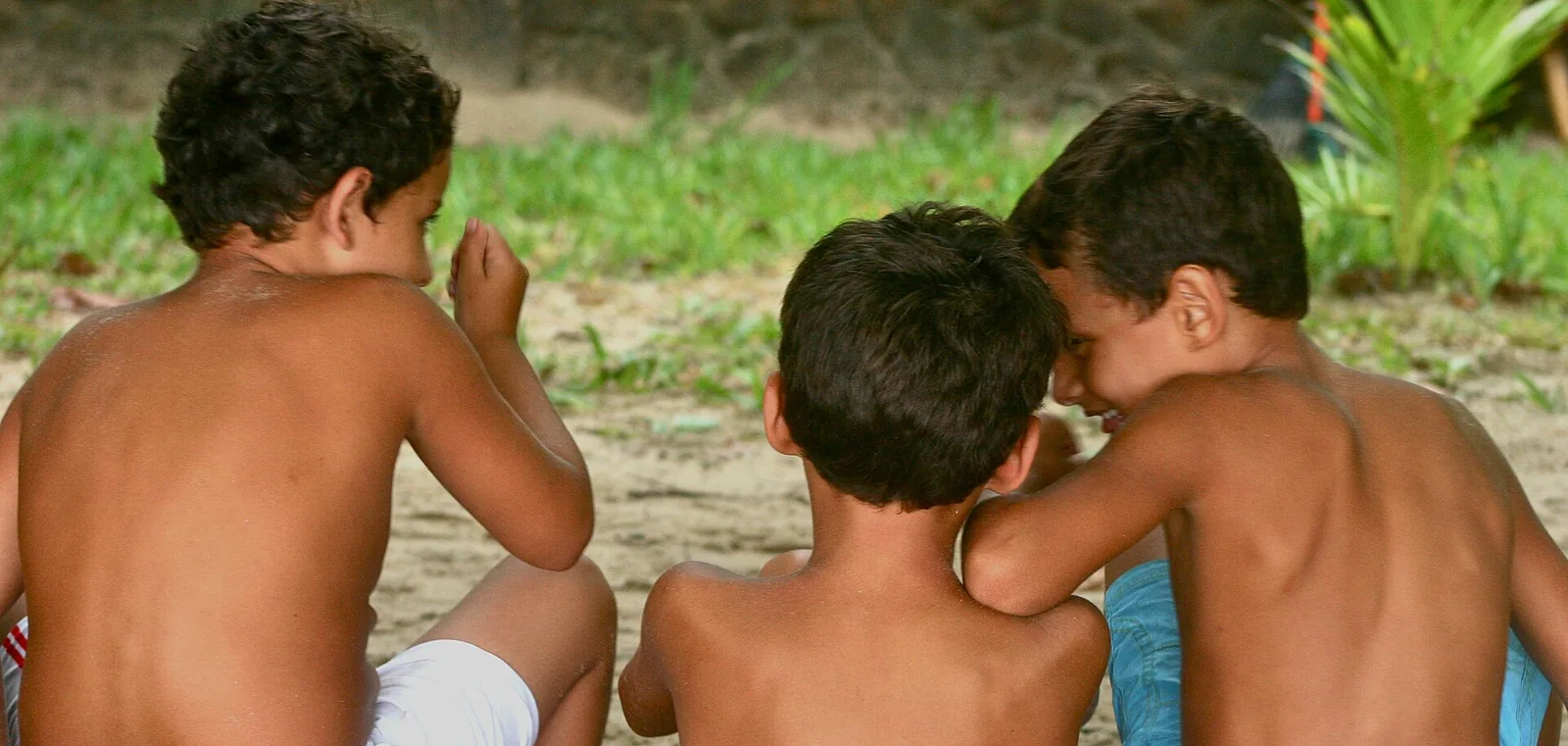
Language, craft, music and belief
Beyond the boats and the fishing, caiçara culture lives in a wealth of smaller things — the way people speak, the things they make, the music they play and the saints they honour. These are easy to miss on a quick visit and deeply rewarding to notice.
The way of speaking
Caiçara communities have their own distinctive Portuguese — an accent and a vocabulary shaped by isolation and by the Indigenous and African words woven into it over centuries. Many everyday terms for fish, plants, weather and the sea come straight from Tupi, the same root that gave us the word caiçara itself. It is the linguistic fingerprint of the threefold heritage, and you hear it in the unhurried, lyrical rhythm of older fishers in particular.
Handicraft and the made object
The caiçara are makers as much as gatherers. Beyond the famous canoes, the tradition runs to baskets and mats woven from forest fibres, fishing nets and traps made by hand, wooden tools and utensils, and objects shaped from what the forest and shore provide. Buying these directly from the people who make them is one of the most useful things a visitor can do — it puts money straight into the community and helps keep skills alive that are otherwise fading as younger generations leave or turn to other work. A handmade basket or a small carved piece is a far better thing to carry home than a factory souvenir, and it carries a story.
Music, dance and faith
The caiçara have their own folk traditions of music and dance, often tied to the cycles of work and the calendar of religious feasts. The fandango caiçara — a sung, danced tradition with roots reaching back to Iberian forms, performed with distinctive stringed instruments and, in some versions, the rhythmic stamp of wooden clogs — is among the best known, and like the canoes has been recognised as part of Brazil's intangible heritage. Faith, too, is woven through the culture: a folk Catholicism rich with processions, saints' days and the great feasts of the region, above all the Festa do Divino at Pentecost, which the caiçara and the wider Paraty community share. Music, dance and devotion are not separate from daily life here — they are how the community marks time and holds itself together. Our guide to the festivals covers the public feasts you might catch.
Caiçara food: the sea, the manioc, the moqueca
Caiçara cooking is one of the most rewarding ways into the culture, and it is exactly what you would expect from a people of the forest and the sea: built on fresh fish and shellfish, and on manioc, the Indigenous staple, in all its forms. It is simple, seasonal, generous food, dictated by what the tide brings in and what the small gardens give.
Manioc, the root of everything
Manioc — cassava, mandioca — is the foundation, the inheritance from the region's Indigenous peoples. It appears as farinha, the toasted flour scattered over almost everything; as pirão, a thick savoury porridge made by stirring that flour into fish broth, which is the soul of a caiçara fish meal; and in dumplings, breads and side dishes throughout the cuisine. Where wheat defines European cooking, manioc defines this one, and learning to love a good pirão is learning to eat like the coast.
The catch
Fish and shellfish are the proteins, naturally — marine resources make up a very large share of the animal food in a traditional caiçara diet. The regional signature is the moqueca, the slow-cooked fish stew built on coconut milk, with fish or prawns and the day's catch; you will find versions of it all along this coast, and a caiçara kitchen's moqueca, eaten near the water it came from, is one of the genuine food experiences of a trip here. Alongside it come rice and beans, the gathered shellfish, and whatever the gardens and the forest add. The pleasure of this food is its directness — it tastes of the place because it is, quite literally, made of the place.
What you will not find in a caiçara meal is pretension. This is food cooked for sustenance and shared without ceremony — a pot of fish and broth, a bowl of pirão, farinha to scatter, fruit from the garden, perhaps a banana fried or a heart-of-palm dish if the season gives it. The seasonality is real and worth respecting: the catch changes with the months and the moon, the shellfish with the tides, the garden with the rains. To eat with a caiçara family is to eat whatever the coast happened to provide that week, which is exactly what makes it memorable. It is also a quietly sustainable way to eat, drawing on what is abundant rather than what is shipped in — a model the wider food world now calls 'local' and 'seasonal' as if it were a discovery, and which these communities have simply always practised.
If the food draws you in, it connects to the wider table of the region: the deeper story of how to eat well along this coast runs through our Paraty restaurants guide and the broader picture of the country's cooking in our journal piece on Brazilian gastronomy. Eat a moqueca in a community kitchen on a quiet beach and you will understand the food in a way no restaurant in town can quite reproduce.
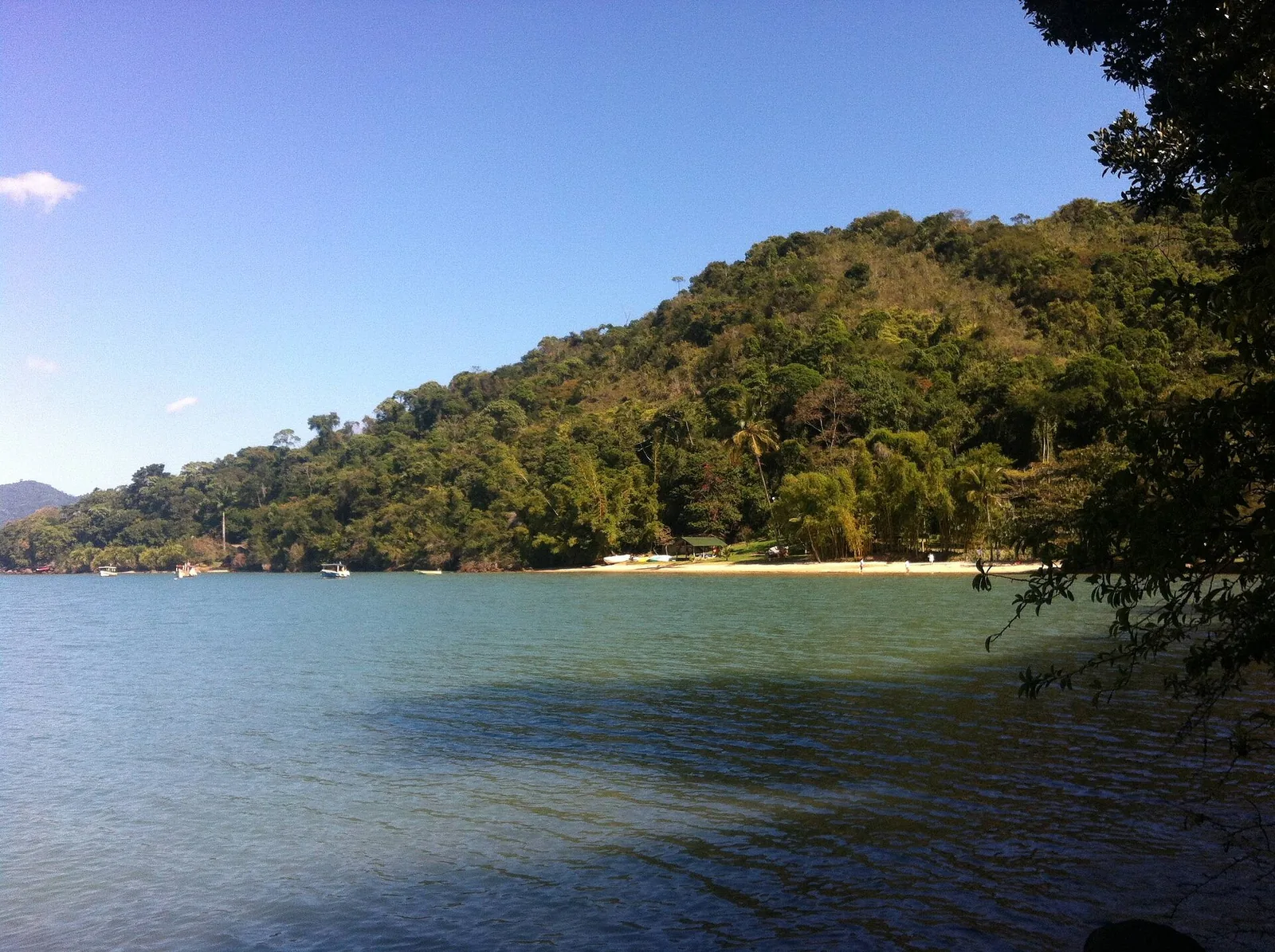
The communities: Praia do Sono, the Mamanguá and the bay islands
Around the Bay of Paraty and the surrounding coast, the caiçara culture is not an abstraction — it lives in specific, named places, several of which you can visit. Each has its own character, and each rewards a respectful, unhurried approach.
Praia do Sono and its neighbours
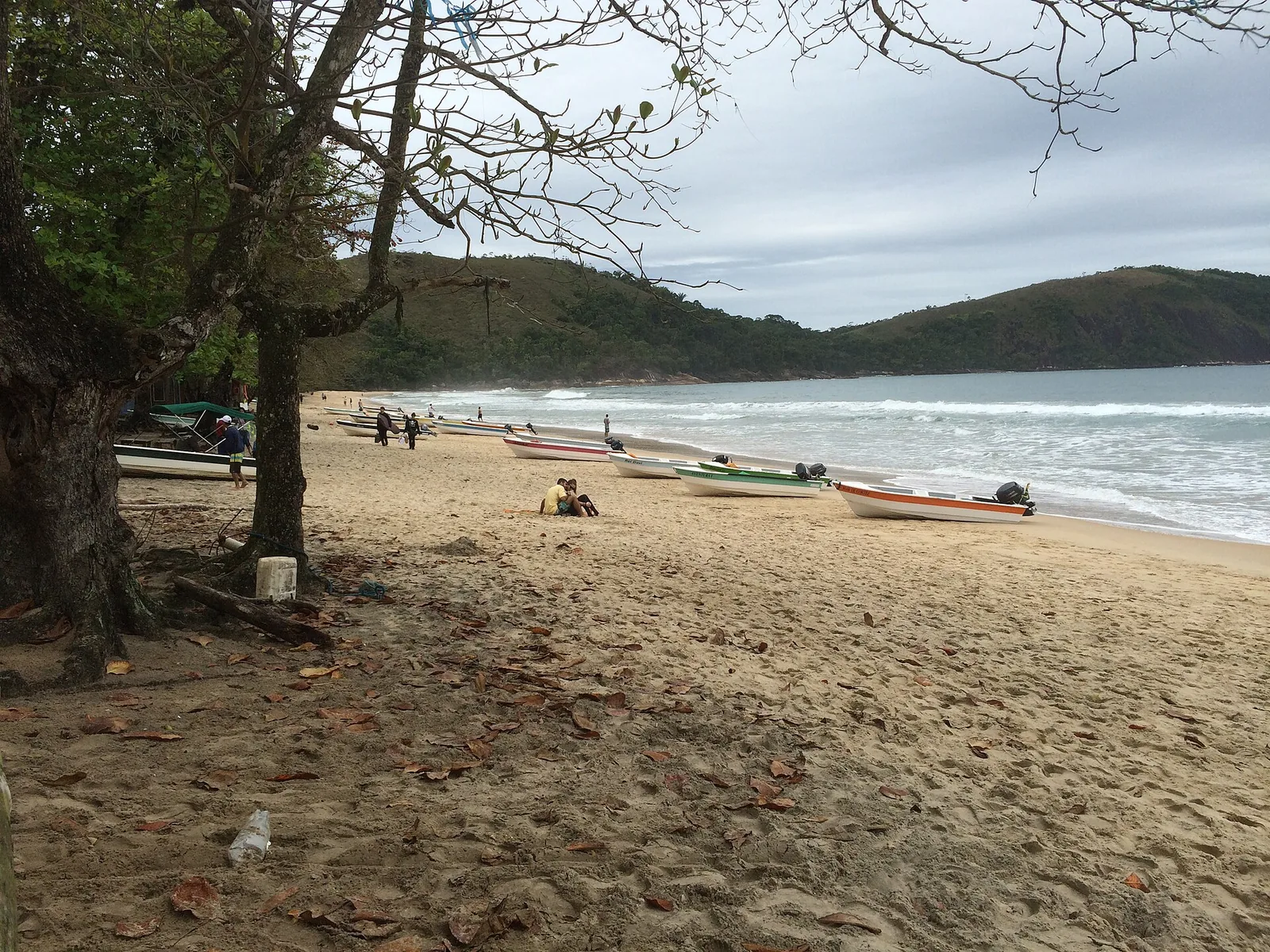
South of Paraty, reachable only by boat or on foot along a forest trail, lies Praia do Sono, one of the best-known caiçara villages of the region. It is a fishing community of a few hundred people set on a long, beautiful beach, sitting inside the Juatinga Ecological Reserve — a protected area created in the early 1990s to safeguard both the Atlantic Forest and the traditional caiçara culture within it. What makes Sono special is that tourism has grown slowly and on the community's terms; fishing still matters to daily life, and the village has kept its character rather than being remade for visitors. The same coast holds neighbouring beaches and hamlets — places like Antigos and Antiguinhos — reached by trail, each quieter than the last. Our dedicated guide to Praia do Sono covers how to get there and what to expect.
The Saco do Mamanguá
To the south the coast folds inward into the Saco do Mamanguá, a long, narrow sea inlet often described as the only tropical fjord in Brazil. It runs for several kilometres between forested ridges, sheltering well-preserved mangroves and dozens of quiet beaches, and along its shores live small caiçara communities whose lives still follow the tide and the catch. Above it rises the Pico do Pão de Açúcar, a steep peak with a celebrated view down the whole green inlet. The Mamanguá is one of the most unspoilt corners of the entire region, and one of the best places to understand how caiçara life and the Atlantic Forest fit together — reached by boat or on foot, never by road. Our Mamanguá guide goes into detail.
The bay islands and the quilombo
Out in the bay and along the coast, other communities keep the traditions alive — island families, and the quilombola community of Campinho da Independência on the road toward Paraty, descended from formerly enslaved Africans, which emerged in the late nineteenth century and became the first community in Rio de Janeiro state to win formal title to its land. Quilombola heritage is distinct from caiçara, but the two are interwoven on this coast, both rooted in the African strand of the region's history, and both part of the cultural fabric that the UNESCO listing recognised. Visiting either, on their terms, is a privilege.
It helps to remember how connected all these places are by water rather than road. For the caiçara, the bay has always been the highway — the way to reach the next village, the market in town, the good fishing grounds, the family on the far beach. A day spent moving between communities by boat, as residents have always done, gives you a truer sense of the culture than any single stop: the same forested coast, the same green water, the same canoes drawn up on the sand, repeated cove after cove. Our guide to the boat tours explains how to travel the bay the way it has always been travelled.
The pressures: land, tourism and conservation
It would be dishonest to paint the caiçara purely as a charming survival. These communities live under real and growing pressure, and a thoughtful visitor should understand it, because how we travel either eases or worsens it.
The deepest tension is over land and access. Much of the coast where the caiçara have always lived now falls inside conservation units — state reserves, parks, protected areas, the very designations that earned the region its world-heritage status. The intention behind those protections is good, but their rules can collide head-on with traditional life: restrictions meant to limit development can also restrict the fishing, gathering, building and small-scale farming that caiçara families have practised for generations, sometimes leaving long-resident communities in a precarious legal position on land they have held informally for centuries. Across this coast, environmental law and traditional livelihood have repeatedly found themselves at odds, and caiçara communities have had to fight to keep the access to sea and forest on which their culture depends.
Layered on top is the pressure of tourism and property. The same beauty that draws visitors drives up the value of coastal land, and communities without formal title can find themselves squeezed by speculation, second-home development and the slow transformation of working villages into holiday backdrops. Tourism is not the enemy here — done well, it can be a lifeline, replacing lost farm income and giving young people a reason to stay. Done badly, it hollows a community out, turning residents into staff and culture into performance. Which of those happens depends, in part, on the choices travellers make.
There is also a slower, quieter pressure that does not make headlines: the steady departure of the young. When fishing alone cannot support a family and the old farming income is gone, young people leave for the cities in search of work and schooling, and each one who goes takes a thread of knowledge with them — how to read a particular fishing ground, how to carve a canoe, how to cook a dish the way a grandmother did. A culture transmitted by doing, rather than by writing, is only ever one generation from real loss. This is why livelihood and culture are, for the caiçara, the same question: a community that cannot make a living on its own coast cannot keep its way of life either.
The encouraging counter-current is community-based tourism: visits organised by the residents themselves, with itineraries they design, profits that stay in the community, and a model built to value and sustain caiçara culture rather than extract from it. Done right, it gives young people an economic reason to stay and to value the very knowledge that might otherwise feel like a relic — the fisherman who guides visitors, the cook who shares a kitchen, the boatbuilder whose craft becomes something people travel to see. This is the model worth seeking out and supporting, and it points directly to how to visit well.
How to visit respectfully
If you take one thing from this piece, let it be this: go to these communities as a guest, not a spectator. The difference is everything, and it is mostly a matter of attitude backed by a few concrete choices.
- Choose community-based tourism. Seek out visits, guides and stays organised by the communities themselves. When residents set the terms and keep the income, your trip supports the culture instead of eroding it.
- Hire local. Use caiçara boatmen and guides to reach the beaches and the Mamanguá, eat in the community kitchens, and buy handicrafts and produce directly. The money you spend is the most direct way your visit does good.
- Ask before you photograph people. The villages are photogenic and the temptation is strong, but a fisherman, a woman gathering shellfish, a child playing — these are people in their own home, not subjects. A conversation and a request first; respect for a no. Our photography guide says more on this.
- Tread lightly, literally. Many of these places have no road, limited infrastructure and fragile surroundings. Carry out your rubbish, respect the forest and the reef, and remember you are in a protected area and a living village at once.
- Slow down and listen. The point is not to tick off a 'fishing village' but to spend real, unhurried time — to share a meal, ask questions, learn a little of the history and the present. The communities that welcome visitors do so generously; meet that generosity with curiosity and patience rather than a checklist.
- Spend, and spend locally. Bring cash, eat the local food, pay fairly, tip the people who guide and feed you. A well-spent day directly helps a community keep its young people, its boats and its independence.
None of this is complicated. It is, in the end, simply the difference between visiting people and consuming a view — and travellers who get it right are remembered warmly and welcomed back. If you would like help arranging a respectful day in one of these communities, with the right local guides and boatmen, our tours and our team can point you the right way; just get in touch and we will set it up properly.
One more honest word on expectations. A caiçara village is not a resort, and that is the point. The infrastructure is simple, the pace is slow, plans bend to the weather and the tide, and the welcome is human rather than professional. If you arrive expecting to be served and entertained, you will be disappointed; if you arrive ready to be a guest — patient, curious, easy-going about the small inconveniences — you will be given something far rarer than service, which is a genuine glimpse of a way of life most of the world has lost. The travellers who come back from these communities most moved are, without exception, the ones who let go of the schedule and simply spent time.
The caiçara and a stay above the bay
There is a quiet connection between staying somewhere like our chalet on the hillside above the Bay of Paraty and the caiçara world below. From up here the bay reads as a single living landscape — the forested ridges, the green water, the small boats working the coves, the beaches where the villages sit. The caiçara are the reason that view looks the way it does: their light-touch way of life is part of why these bays are still beautiful, still forested, still alive with fish, rather than built over and emptied out.
To stay above this coast and not engage with the people who shaped it would be to miss its best part. The fish in the market, the moqueca on your plate, the boatman who takes you out to the islands, the canoe pulled up on a far beach — these are the threads of a culture that has held this coast together for centuries. Spend a day among the communities of the Mamanguá or Praia do Sono, eat what the tide brought in, listen to someone who has fished these waters all their life, and the whole region will mean more to you. Then climb back up the hill in the evening with a fuller sense of where you have been — that, to me, is what travelling on the caiçara coast should feel like. When you are ready to plan it, browse all there is to explore in Paraty and come and see it for yourself.
Frequently asked questions
The caiçara are the traditional coastal communities of southeastern Brazil — including the Paraty and Angra dos Reis area — descended from the mixing of Indigenous peoples, Portuguese settlers and Africans. They have lived for generations by artisanal fishing, small-scale farming and gathering, with a culture shaped by the sea and the Atlantic Forest.
It comes from the Indigenous Tupi language, from a word for a fence or enclosure of branches once used in fishing. Over time it came to describe the coastal people themselves, and today caiçara refers both to these communities and to their way of life and traditions.
It is built around the sea and the land: fresh fish and shellfish, and manioc (cassava) in many forms — flour, the broth-thickener pirão, and more. The regional moqueca, a fish stew with coconut milk, is a signature dish. Caiçara cooking is simple, seasonal and tied to what the tide and the small gardens provide.
In the fishing communities around the bay — at Praia do Sono and the surrounding beaches, deep in the Saco do Mamanguá fjord, and on some of the bay islands. The respectful way to do it is through community-based tourism: hiring local boatmen and guides, eating in family kitchens and learning from residents on their terms.
Mainly conflict over land and access. Many communities sit inside conservation units and parks where strict environmental rules can clash with traditional fishing and farming, and rising tourism and coastal property values add pressure on land that families have held informally for generations. Their cultural survival is closely tied to keeping access to the sea and the forest.
Go as a guest, not a spectator. Use local guides and boatmen, eat in community kitchens, buy local handicrafts, ask before photographing people, and keep your footprint light. Community-based tourism, organised by residents themselves, is the model that supports the communities rather than extracting from them.
It is a long, narrow sea inlet south of Paraty, often called the only tropical fjord in Brazil. Ringed by Atlantic Forest and well-preserved mangroves, it shelters small caiçara communities and dozens of quiet beaches, and is reached by boat or on foot — one of the most unspoilt corners of the region.