In this guide
Ask around Ilha Grande for the best beach, and the answer comes back so consistently it almost sounds rehearsed: Lopes Mendes. Ask further afield, across Brazil, and the same name keeps surfacing on the lists — a country with thousands of kilometres of coastline and an embarrassment of beaches, and yet this one, on the wild ocean flank of a car-free island, gets singled out again and again. So is it actually Brazil's most beautiful beach? I've spent enough mornings there to have an opinion, and I'll give it to you straight, along with everything you need to get there and enjoy it without the rookie mistakes.
The short version first, because it's the part people most often get wrong: Lopes Mendes is not a beach you stroll onto. It sits on the exposed Atlantic side of Ilha Grande, with no road, no village and almost nothing built on it, and reaching it takes either a boat-and-walk or a proper hike. That difficulty is precisely why it's still so unspoiled, and why the photographs, for once, don't oversell it. The reward at the end is nearly three kilometres of fine, pale, squeaky sand, clean green-blue surf, and a backdrop of untouched rainforest — and, if you time it well, hardly anyone else.
This guide covers the two ways in, what the beach is and isn't, how to handle the surf and the sun, when to go for the best of it, and an honest verdict on the "best beach in Brazil" question. For the wider picture of staying on the island — where to sleep, how to get there from the mainland, the other beaches — see our complete Ilha Grande guide.
Why Lopes Mendes is celebrated
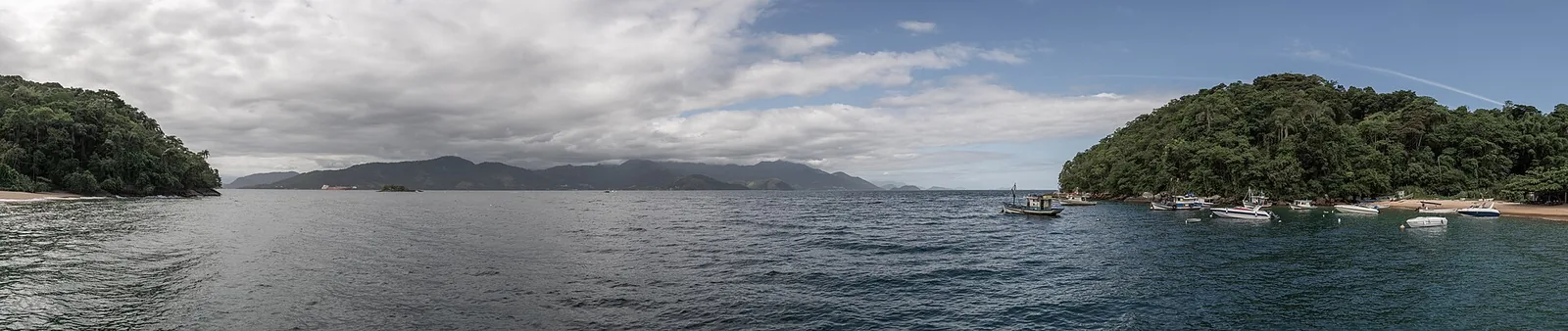
Plenty of beaches are pretty. What sets Lopes Mendes apart is a particular combination that's become genuinely rare: scale, quality and emptiness all at once. The sand runs for the better part of three kilometres in a long, gentle curve, and it's the good kind of sand — fine, pale, firm underfoot, the sort that squeaks when you walk on it and stays cool a little longer than the coarse golden stuff. The water on a clear day is the colour you hope for and rarely get, shading from green at the shore to deep blue beyond the break, and clean because the open ocean keeps it moving.
Locals will tell you the sand at Lopes Mendes is so fine and clean it was once prized for glassmaking — a story you hear in various forms along this coast, and whether or not it's literally true of this particular beach, it captures something real about how the sand feels underfoot: the kind that brushes off cleanly and doesn't scorch your soles the way coarse dark sand does. A small thing, but you notice it after a day of walking its length.
And then there's what isn't there. No hotels behind the beach, no road, no line of bars and sun-loungers, no concrete. Just sand, sea, and a wall of rainforest rising straight behind it, with a few palms and great smooth boulders breaking the line. That emptiness is not an accident — it's the legacy of the island's long history as a restricted zone, when no one was allowed to build, and of the protected status that keeps it that way now. You're looking at a stretch of Brazilian coast more or less as it has always been, and there's very little of that left anywhere.
The surf is the third ingredient. Because this is the ocean side, Lopes Mendes nearly always has waves — clean, rolling sets that draw surfers and bodysurfers and give the whole beach a kinetic, alive quality that the mirror-flat coves on the island's other side don't have. Some people come precisely for that. Others come despite it, for the look of it. Either way, the moving water is part of the character.
There's a fourth thing too, harder to put on a list: the way it feels when you arrive. You've crossed water and walked through forest to get here, and then the trees open and the whole long sweep of it lays out in front of you at once. It's a genuine reveal, the kind a road and a car park rob you of everywhere else. Half the beaches I love most in Brazil are ones you have to work a little for, and that arrival — the effort paying off in a single view — is a big part of why. Lopes Mendes does it as well as any.
A short word on its history of being left alone
It's worth understanding why Lopes Mendes looks the way it does, because the answer is unusual. For most of the twentieth century Ilha Grande was effectively closed to ordinary visitors — first a quarantine station, then a penal colony held the island, and for decades nobody was permitted to build, clear or develop here. While the rest of Brazil's southeast coast filled with roads, towns and resorts, this island sat under a kind of accidental preservation order. When the prison finally closed in the 1990s and the island reopened, its forest and its beaches were largely as they'd always been. Lopes Mendes is, in a real sense, a beach that history forgot to spoil — and the protected status it now sits within is what keeps it that way. The wider story is in our island guide; here, it's enough to know that the emptiness you're enjoying was hard-won and is deliberately maintained.
Lopes Mendes is the rare famous beach that the photographs don't oversell — chiefly because there's so little there to photograph but the sand and the sea.
How to get to Lopes Mendes
There are two routes from Vila do Abraão, the island's only village and where you'll be based. Both are part of the experience; which you choose depends on your legs, your time and your appetite for a forest walk.
The easy way: boat to Pouso, then walk
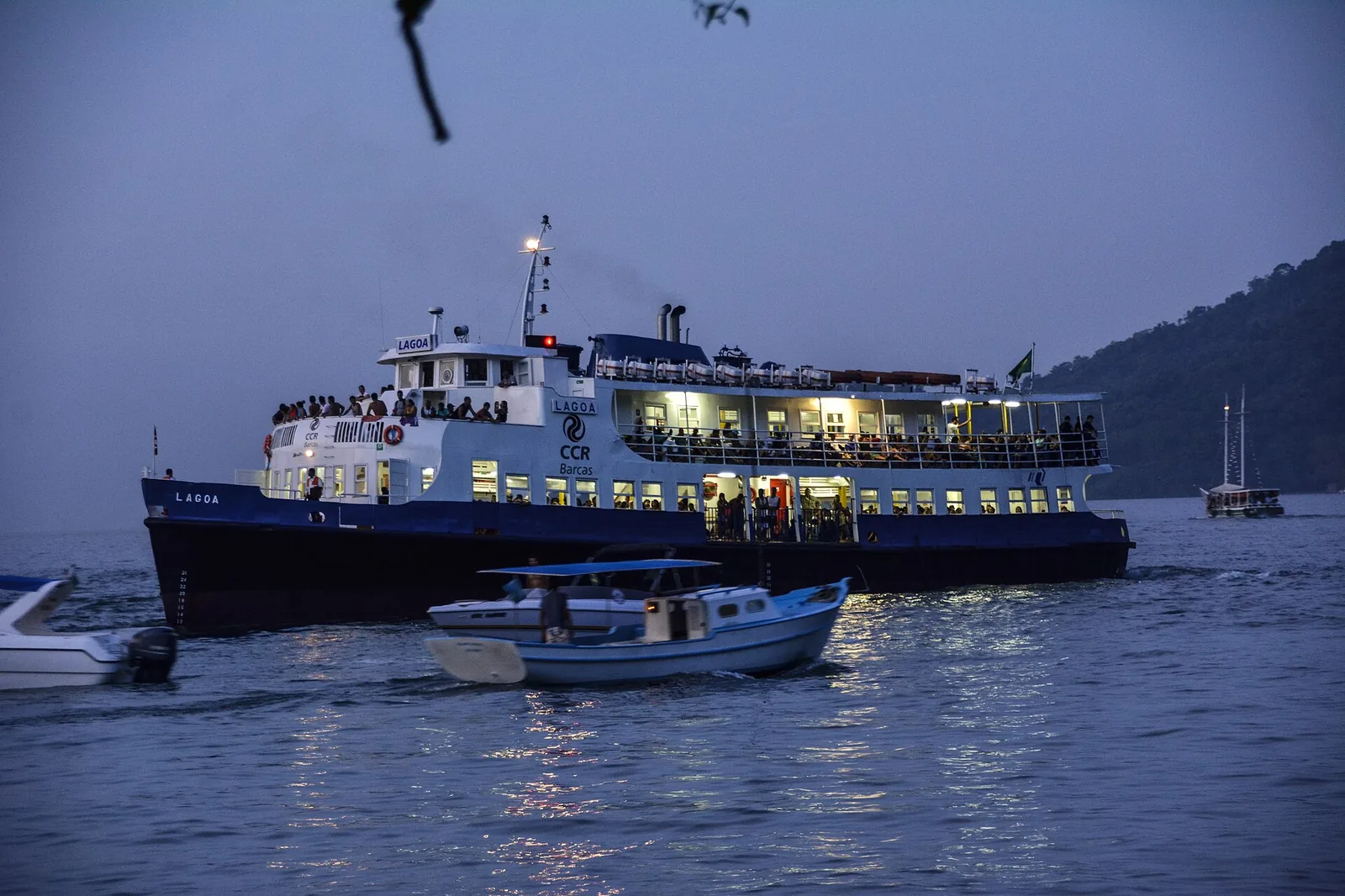
The standard approach, and the one most visitors take, is to catch a boat across the bay to Pouso, the small beach nearest to Lopes Mendes, and then walk the last stretch over the headland. Water taxis and the morning tour boats run this hop constantly from the Abraão beachfront; it's a pleasant twenty-odd minutes on the water, hugging the green coast. From Pouso, a clear forest path climbs over the ridge and drops down to Lopes Mendes on the far side — about twenty minutes of walking, shaded, mostly easy, with a bit of up and down and some roots and rocks underfoot. Wear something better than flip-flops for that short section.
The one piece of planning this requires: sort out your return before you commit. If you take a water taxi, agree a pickup time at Pouso, or buy a round-trip on a tour boat that will wait for you. The last boats back to Abraão leave in the late afternoon, and you do not want to be stranded on the wrong side of the island as the light goes. Carry cash for the boat — there's nowhere to pay by card out here.
The long way: hike from the village
If you'd rather earn it, you can walk the whole way from Abraão through the forest. It's roughly two and a half hours each way along the marked trail that runs out to the eastern beaches — a genuinely lovely walk through dense Atlantic forest, with glimpses of the coast, but a real hike rather than a stroll: hot, humid, undulating, and slippery in places even when it hasn't rained recently. Most people who hike out one way take the boat back, which is the sensible plan; doing the round trip on foot makes for a long, sweaty day with limited time on the actual beach. If you're tempted by the walk, read our hiking guide first for the trail detail, what to carry and the safety notes — they matter more here than people expect.
Pouso, and the beaches you pass
However you arrive, you'll likely pass through or near Pouso, the small beach on the bay side of the headland where the boats drop you. It's worth a moment's attention in its own right. Pouso is calmer and more sheltered than Lopes Mendes — there's usually a simple kiosk or two here selling drinks and basics, which makes it a useful staging post: top up on water, have a coffee, then make the short climb over to the ocean side. A practical trick many regulars use is to base their gear logic around Pouso — buy your cold drinks there on arrival rather than carrying everything from Abraão, and call in again on the way back while you wait for the boat. Don't over-rely on it, but it softens the no-facilities reality of Lopes Mendes itself.
The walk over the headland between Pouso and Lopes Mendes is short but genuinely pretty — a tunnel of forest, a brief climb, then the drop to the ocean shore. Take it slowly enough to enjoy it rather than charging through; it's part of the experience, not just a transfer. If you've come the long way on the full trail from Abraão, you'll also have passed a string of quieter coves on the route, any of which can make a good cooling-off stop. None of them have the scale or the surf of Lopes Mendes, but they're lovely in their own quiet way, and on a busy day they can be emptier.
No facilities: what to bring
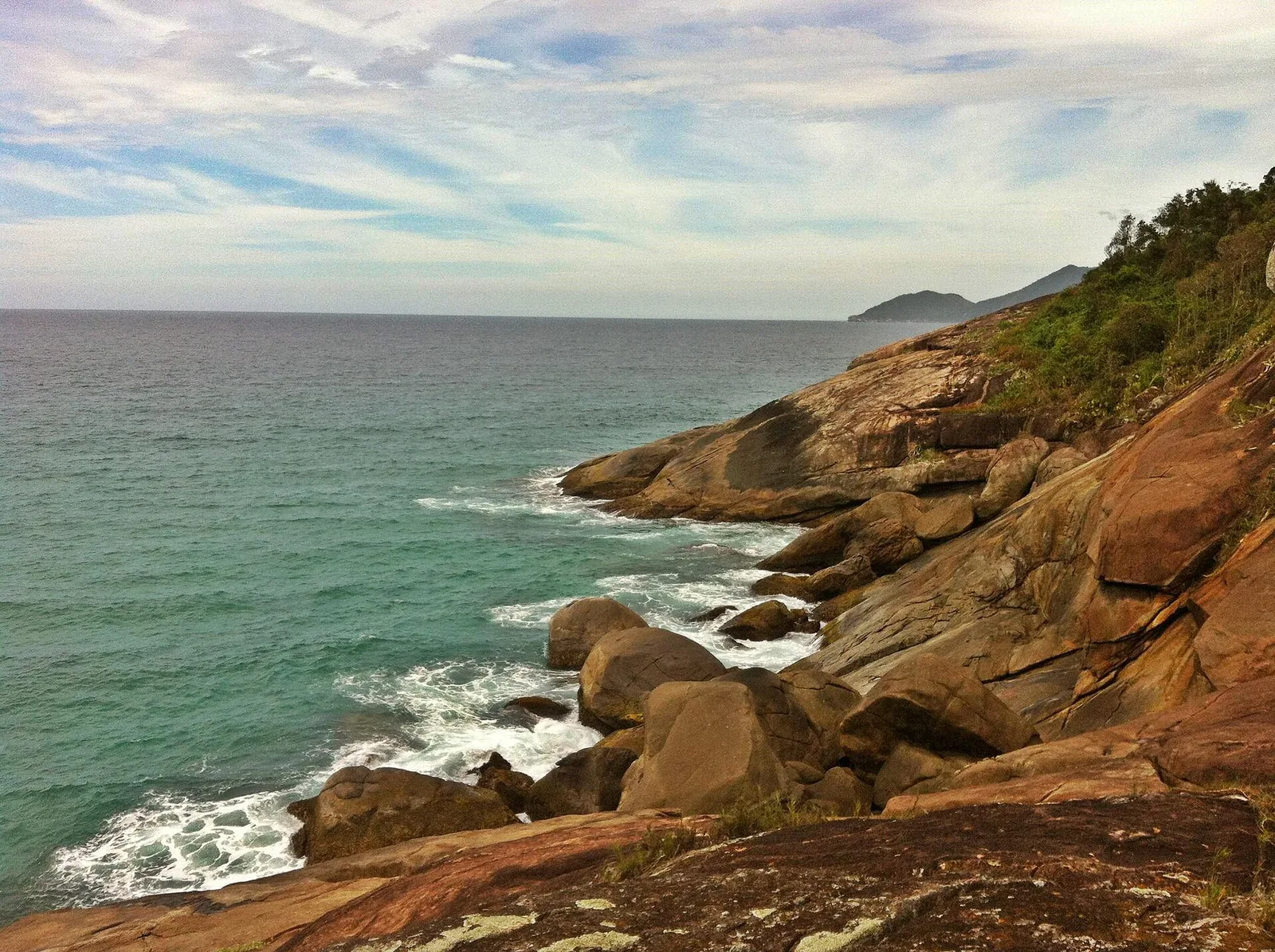
This is the part that catches people out, so I'll be blunt about it. Lopes Mendes has essentially no infrastructure. There are no proper restaurants, no shops, no reliable shade beyond the edge of the trees, no lifeguard posts, no shower blocks. Sometimes a few informal vendors walk the sand selling cold drinks, sandwiches or grilled cheese from a cool-box, and on a busy summer day you'll usually find one — but you must not plan around them, because on a quiet day there may be no one at all.
This is deliberate, and it's the point. The absence of buildings is exactly what protects the beach — the moment you put a restaurant, a road and a car park behind it, you'd have somewhere that looks like everywhere else. The trade-off is simply that the comfort is on you. Plan for it and it's no hardship; arrive expecting a serviced resort beach and you'll spend the day wishing for a cold drink that isn't coming. The travellers who love Lopes Mendes most are the ones who came prepared to be self-sufficient for a few hours, and who treat that as part of the adventure rather than a flaw.
So pack as if there's nothing there, because there might not be. A sensible Lopes Mendes kit:
- Water — more than you think. The walk is hot and the beach has no shade and no tap. Two big bottles per person is not too much for a full day.
- Food. A packed lunch and snacks. Buy them in Abraão before you set out.
- Sun protection. High-factor sunscreen, a hat, sunglasses, and ideally a light cover-up or a beach umbrella — the midday sun on open sand is fierce, and the treeline shade is narrow and shifts through the day.
- Proper footwear for the walk, plus the obvious beach things.
- A bag for your rubbish. There are no bins and this is a protected beach. Whatever you carry in, carry out. The reason Lopes Mendes still looks the way it does is that visitors leave no trace; be one of them.
- Cash for the boats and any vendor you do find.
Surf, swimming and safety
Lopes Mendes faces the open Atlantic, and that defines the water. There's almost always a shore break — usually a friendly, rolling one that's a pleasure to play in, occasionally bigger and rougher when a swell is running. It's a fine beach for a confident swimmer, for bodysurfing, and for beginner and intermediate surfers; boards can sometimes be hired or you'll see locals out on the better days. What it is not is a flat, glassy paddling pool. There can be a current, and there are no lifeguards in the way you'd find on a city beach.
The practical advice: don't swim out beyond your comfort, keep an eye on children rather than assuming the water is calm, and if you feel yourself being pulled along the beach or out, don't fight it head-on — swim parallel to the shore until you're out of the pull, then come in. If you have small children or you simply want a flat, safe swim, the island's sheltered side has the calm coves and lagoons for exactly that, covered in the island guide. Lopes Mendes is the beach for the look, the space and the surf — not the toddler-friendly dip.
For surfers
Lopes Mendes has a real reputation among Brazilian surfers, and not by accident — it's one of the more consistent breaks within easy reach of Rio, picking up the open Atlantic swell that the sheltered bays never see. It's a beach break, so the peaks shift with the sand and the conditions, which makes it forgiving for improvers and interesting for better surfers depending on the day. On a clean, modest swell it's a friendly place to learn or to log easy waves; when a bigger southern swell fills in, it can throw up something with more punch and the rips strengthen accordingly. Bring your own board if you're serious — hire is informal and not guaranteed — and treat the lack of lifeguards as a reason to surf within your level and ideally not alone. Mornings tend to be cleaner before the afternoon onshore wind gets up, which lines up neatly with the early-start advice for everyone else.
If you don't surf but want to, this is actually a pleasant place to try: the long beach gives you room, the white-water is plentiful, and watching the locals trade waves while you find your feet is no hardship. Just respect the same cautions — know your limits, mind the current, and keep clear of more experienced surfers on the better peaks.
Best time of day and the light
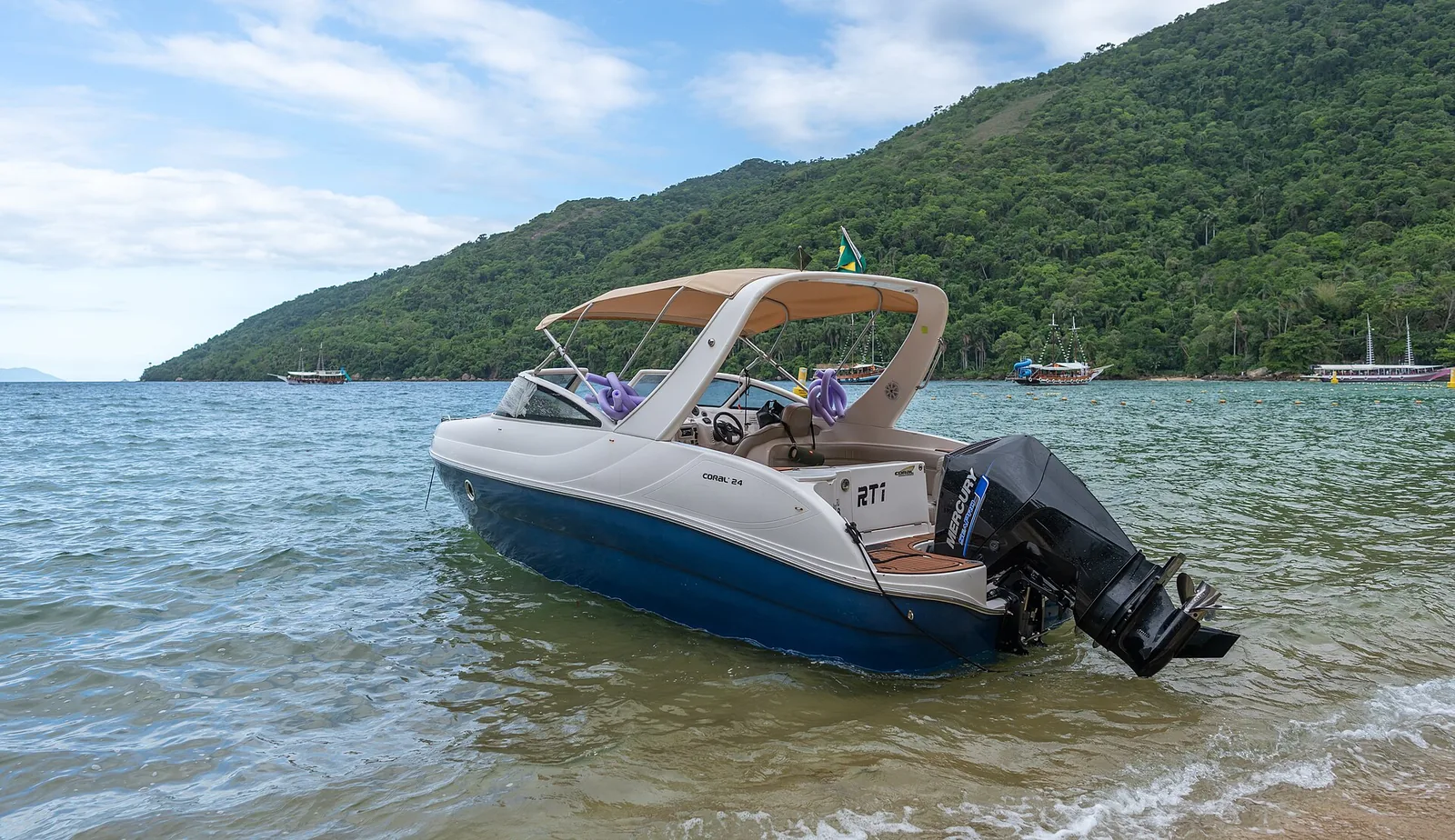
Get there early. This is the single best piece of advice I can give about Lopes Mendes. The day-trip boats from the mainland and the bigger tour groups tend to arrive around late morning, and from then until mid-afternoon the central section of the beach can get genuinely busy by island standards. Arrive before that — on one of the first water taxis from Abraão — and you can have long stretches of sand more or less to yourself, with the surfers and the early walkers for company and the whole place feeling like the secret it used to be.
The light follows the same logic. Early morning is soft and golden and kind to both the water and your photographs; midday is flat, harsh and shadeless. Late afternoon softens again, but you have to balance that against the last boats home. If you're chasing the empty-beach, beautiful-light version of Lopes Mendes — the one in the photographs — the morning is when both come together. The beach is also long enough that even on a busy day you can simply walk five or ten minutes towards either end and find quiet sand again; most people cluster where the path comes in.
Photography
Lopes Mendes photographs beautifully, and a few things help. The classic shot is from up on the headland path as you come over from Pouso, looking down the full sweep of the beach — worth pausing for on the way in, when you and the light are both fresh. On the sand, the great smooth boulders at the ends of the beach give you foreground and scale, and the contrast of pale sand, green water and dark forest is what makes the colours sing. Early and late light flatters all of it; midday flattens it. Keep your gear out of the sand and the salt spray, bring a cloth, and if you want the wide, empty composition, you'll only get it before the crowds — another vote for an early start.
A few more specifics if photography is your reason for coming. The water colour reads best with the sun behind or to the side of you and high enough to light the shallows but not yet harsh — roughly mid-morning is the sweet spot for that turquoise-to-blue gradient. For people in the frame, the long empty stretches toward either end of the beach give you clean, uncluttered backgrounds that the busy middle won't. If you shoot on a phone, the dynamic range struggles with bright sand against dark forest, so expose for the highlights and let the trees go a touch dark rather than blowing out the sand. And do put the camera down for a while — the temptation to spend a rare morning here behind a lens is strong, and the beach is better lived than logged.
Honest expectations
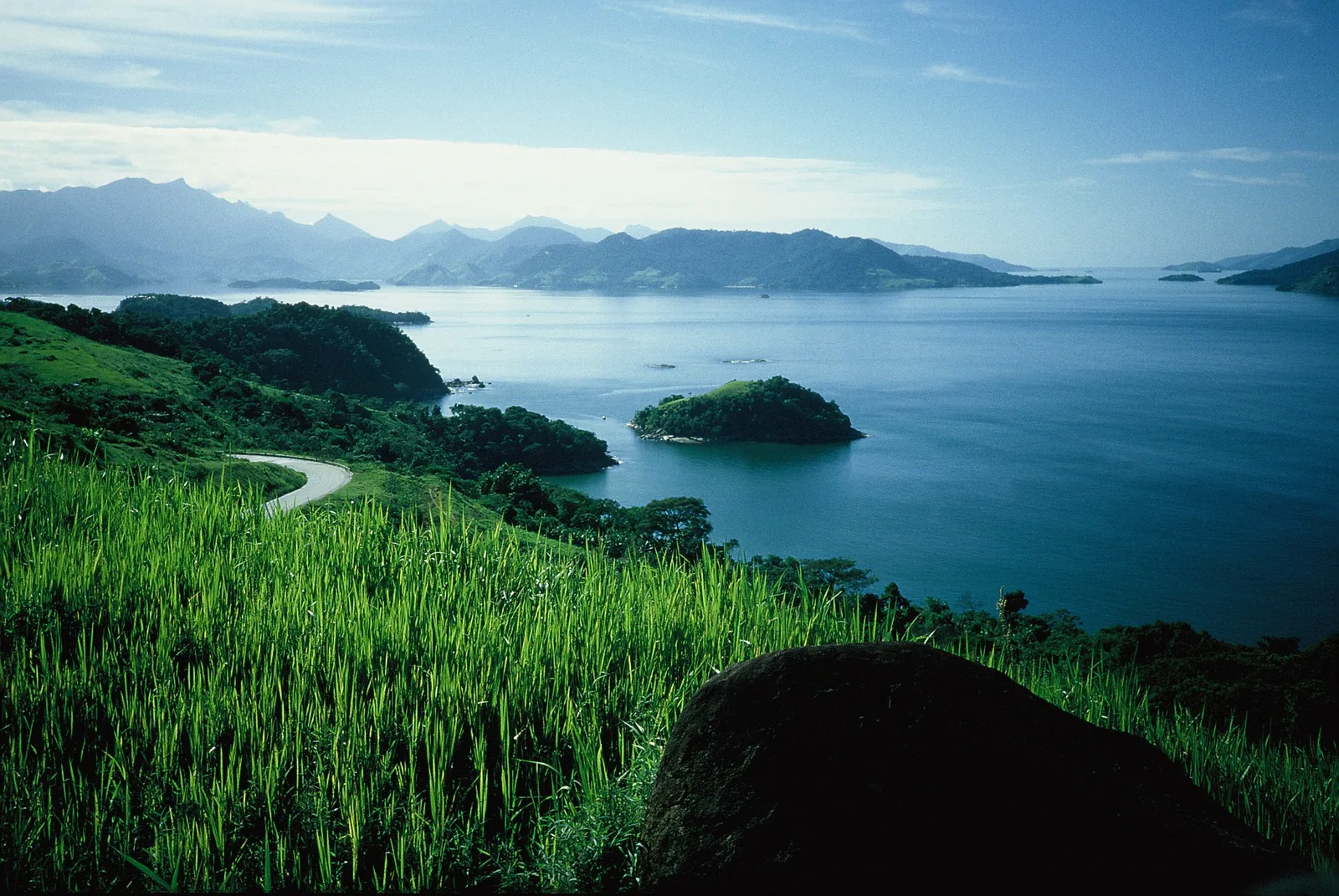
Now the honest part, because a beach this hyped deserves a fair hearing. Lopes Mendes is genuinely beautiful and genuinely unspoiled, and on a clear morning it lives up to its reputation completely. But manage two things and you'll enjoy it more.
First, the effort is real. You can't drive there, the boat-and-walk takes a chunk of the morning, and on a hot day the forest section is sweaty work. This is a half-day commitment at least, not a quick stop. Treat it as the centrepiece of a day, not one item on a list.
Second, it's not a resort beach, and you shouldn't want it to be — the lack of facilities is the whole point. If your idea of a perfect beach day involves a waiter, a cocktail and a guaranteed sunbed, Lopes Mendes will frustrate you, and you'd be happier on the island's calmer, more serviced coves or back on the mainland. If your idea of a perfect beach day is space, clean surf, fine sand and the sense that you've reached somewhere that takes a little reaching — this is close to the platonic ideal of it.
One more honest note: on a grey or rough day, Lopes Mendes loses a good deal of its magic. The colours need sun, and the surf can be too much when a big swell's running. If the weather's poor, save it for a better day and do a sheltered cove or a trail instead. The beach will keep.
How to plan your Lopes Mendes day
Because it takes some reaching, Lopes Mendes works best when you give it the shape of a proper day rather than squeezing it in. Here's the rhythm I'd suggest, adjusted to taste.
- The night before: buy your water, lunch and snacks in Abraão, and check the morning boat or water-taxi times. Decide whether you're boating both ways or hiking one leg.
- Early morning: catch one of the first boats to Pouso. You want to be walking over the headland while the light is still soft and the day-trippers are still on the mainland.
- Mid-morning: the beach more or less to yourself. Swim, walk its length, find a spot in the narrow treeline shade or under your own umbrella. This is the magic window.
- Lunch: your packed food, or back over to Pouso for something from a kiosk if you'd rather a cooked bite and a cold drink.
- Early afternoon: the crowds peak around now. Either lean into it on the lively central stretch or walk ten minutes toward an end and reclaim the quiet.
- Mid to late afternoon: head back over to Pouso in good time for your boat. Don't cut the last sailing fine — the consequences of missing it are a long, dark walk or an expensive private launch.
That's a full, satisfying day and almost exactly how I'd spend it myself. If you've only half a day, the boat-to-Pouso route still works — just go early and accept a shorter spell on the sand.
A word on combining it with the rest of the island. Lopes Mendes deserves its own day, but it pairs naturally with the next one: a calm-water boat tour of the snorkelling lagoons on the sheltered side, which is the gentle, flat-water counterpoint to Lopes Mendes's surf and effort. Do the wild ocean beach on one day and the still coves on another, and you've seen the two faces of Ilha Grande. Throw in a forest walk or the climb to a viewpoint and you have the makings of a perfect two or three days; the island guide sets out how those days fit together. Many people find that Lopes Mendes is the thing that tips them from a day trip into an overnight stay — once you've made the effort to reach the island, one beach rarely feels like enough.
Lopes Mendes and the best beaches in Brazil
People searching for the best beaches in Brazil tend to fall into camps, and it's worth saying where Lopes Mendes sits among them, because it helps you decide whether it's your kind of beach at all. Brazil's coastline is so long and so varied that "best beach" means wildly different things depending on what you value.
If you want remote, dramatic, postcard-perfect island scenery, the comparison most people reach for is Fernando de Noronha, the protected archipelago far off the northeast coast — stunning, and a serious, expensive expedition to reach. Lopes Mendes offers a slice of that same untouched-island feeling at a fraction of the cost and effort, sitting as it does just off the populous southeast coast within reach of Rio. If you want warm, calm, transparent water and gentle swimming, the northeast's reef-sheltered beaches and the calm coves on Ilha Grande's own bay side beat Lopes Mendes — its strength is surf and scale, not stillness. If you want lively, social, city-beach energy, Rio's Ipanema and Copacabana are a different proposition entirely, and Lopes Mendes is the deliberate opposite of that.
Where Lopes Mendes genuinely competes for the title is in the specific category of great surf beach left wild: long, fine-sand, clean-water ocean beaches that have somehow escaped development. In that company it is genuinely among the best in the country, and its accessibility — a day trip from a coast you'd be visiting anyway — gives it an edge over rivals that take days and flights to reach. So when the lists rank it among Brazil's most beautiful beaches, that's the case being made: not that it's the warmest swim or the easiest to reach, but that few beaches anywhere combine this much natural beauty with this little human imprint and still let you get there in a morning.
So, Brazil's most beautiful beach?
Here's my verdict. Brazil is spoilt for beaches, and "the best" is partly a matter of what you're after — the dunes of the northeast, the island fantasy of Fernando de Noronha, the urban drama of Rio's sands, the laid-back surf towns of the south. Against that field, Lopes Mendes makes the shortlist on the strength of a rare trio: world-class sand, clean ocean surf, and an almost complete absence of development, all on a protected island you reach by boat and on foot. It's not the most convenient beach in Brazil, and it's not the liveliest. But for the combination of beauty and emptiness — for the feeling of a great beach left alone — there are very few in the country that match it, and on the right morning none that beat it.
What makes the case unanswerable, really, is the context. You don't visit Lopes Mendes in isolation; you reach it across a car-free island wrapped in rainforest, after a crossing from a coast scattered with islands and colonial towns. The beach is the prize at the heart of one of the loveliest corners of Brazil, and that setting is part of its claim.
If I'm honest about my own ranking, I'd put it like this: Lopes Mendes is not the single beach I'd send everyone to regardless of who they are — a family with toddlers, a traveller who wants a beach bar and a sunbed, or someone short on time would all be better served elsewhere. But it is, without much argument, the most beautiful beach I know that you can reach on a day out from this coast, and the one I most often think about when I'm away from it. For a great many people that combination — extraordinary beauty, real wildness, genuine accessibility — is exactly what "best beach in Brazil" ought to mean. Go on the right morning and you may well agree.
If you want to see it for yourself, the natural way is to fold the island into a stay on the Paraty coast. From Château Portofino, high above the Bay of Paraty, you can actually look out at Ilha Grande on the horizon, drive to the nearest crossing in the morning, and be standing on Lopes Mendes by the middle of the day. We help our guests plan exactly this kind of day out all the time — which boat, which port, what to carry — so if you'd like a hand shaping an island day into a wider trip, browse the region and then just get in touch. The beach has waited a long time; it's worth the small effort to reach it.
Frequently asked questions
From Vila do Abraão on Ilha Grande, the easy way is a boat or water taxi across to Pouso beach, then a forest walk of about twenty minutes over the headland to Lopes Mendes. The alternative is to hike the whole way from the village, which takes roughly two and a half hours each way through the forest.
Almost none. The beach is deliberately undeveloped — there are no buildings, no proper restaurants, and no reliable shade beyond the treeline. A few informal vendors sometimes sell drinks and snacks, but you should not count on them. Bring your own water, food and sun protection, and carry your rubbish out.
It's good for a swim if you're comfortable in surf. This is the open Atlantic side of the island, so there's almost always a clean rolling shore break and sometimes a current. It's better suited to confident swimmers, bodysurfers and beginner surfers than to small children, who are happier on the island's calm bay-side coves.
It's a serious contender and regularly appears on national and international best-beach lists. Its case rests on the combination of fine white sand, clear surf and an almost total lack of development. Whether it beats Brazil's other great beaches is a matter of taste, but few are this beautiful and this untouched at once.
Morning. Aim to arrive before the day boats from the mainland deposit their crowds around late morning, and you may have long stretches of sand nearly to yourself. The light is also softer early and late; midday sun is harsh and shade is scarce.
There's no accommodation on the beach itself. You stay in Vila do Abraão, where the pousadas and guesthouses are, and visit Lopes Mendes as a day trip by boat or on foot. Camping on the beach is not the done thing and there are no services to support it.