In this guide
Ask ten people what Paraty adventure activities means and you will get ten different answers, because the geography here refuses to specialise. In the space of a morning you can leave a colonial street, climb into cloud-cool Atlantic Forest, stand under a waterfall, and be back at sea level pulling on a mask over a warm reef. The Serra da Bocaina rises almost straight out of the water, so the mountains and the islands are never more than a short drive or a boat leg apart. That compression is the whole appeal. Elsewhere you choose between hills and coast; in Paraty you can have both before lunch.
This guide is written the way I would brief a friend arriving with a week and some energy to burn. It covers the trekking, the climb up Pico do Mamanguá, the canyoning and waterfall days, the diving and snorkelling, and the quieter pleasures of a sea kayak or a stand-up board on flat green water. It is honest about difficulty and about who should guide you, because the same landscape that makes this coast rewarding also makes it unforgiving of casual mistakes. Trails go unmarked, afternoon storms build fast, and the boat access that reaches the best spots needs someone who reads the tide.
We host guests at a hillside chalet about four hundred metres above the Bay of Paraty, with an infinity pool and one deck that takes in Paraty, Angra dos Reis and Ilha Grande at once. I mention it now only because it shapes the advice: the smartest way to do adventure here is in day-sized bites, returning each evening to somewhere you can swim the aches out and eat well. You do not need to rough it to reach the wild parts. You need a good base, a good guide, and a sensible plan.

Why this stretch of coast is built for adventure
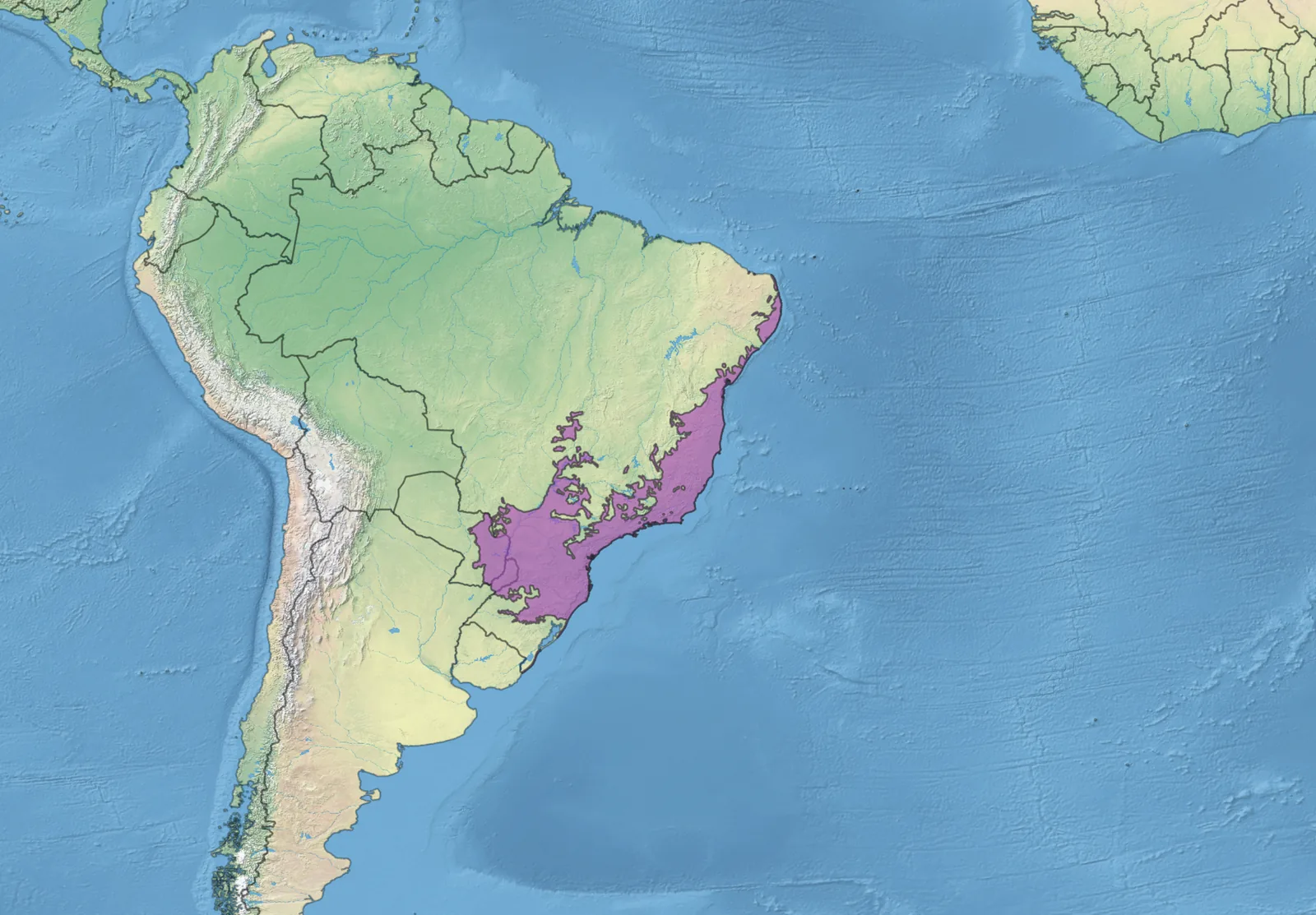
The Costa Verde — the green coast running southwest from Rio de Janeiro toward São Paulo — is where the Serra do Mar mountains meet the Atlantic in a tangle of bays, islands and drowned river valleys. Paraty sits at the heart of it, wrapped by protected land on almost every side: the Serra da Bocaina National Park inland, the Cairuçu Environmental Protection Area to the south, and a scatter of marine reserves offshore. That protection is the reason the forest is still standing and the water is still clean, and it is why so much of what you do here happens with a guide and inside park boundaries.
The forest itself is Mata Atlântica, the Atlantic Forest, one of the most biodiverse and most threatened rainforests on earth. It is different from the Amazon — steeper, wetter in bursts, draped over mountains rather than spread across a basin. Within minutes of leaving a road you are under a closed canopy, in air that is cooler and heavier, with cicadas loud enough to talk over. If you want the natural-history side of it, our journal piece on Atlantic Forest wildlife is a good companion to this one; here we are mostly interested in moving through it.
The other thing to understand is water — how much and when. Paraty is genuinely rainy, and the wettest months from roughly December to March fill the waterfalls and green the hills but also bring heavy afternoon storms that turn trails to mud and cloud the sea. The drier, cooler season from about April to September gives firmer footing and clearer diving. Neither is wrong; they simply favour different activities. Our guide to the best time to visit Paraty lays the seasons out in full, and I will flag the seasonal call within each activity below.
The mountains here run straight into the sea, so a single day can hold cold forest waterfalls before lunch and warm reef water by mid-afternoon.
Trekking in the Atlantic Forest
Trekking is the backbone of adventure here, and it ranges from an hour's amble to serious multi-day crossings of the Bocaina range. What you choose depends on fitness, time and how much you want a guide to carry the navigation for you.
The Caminho do Ouro, the old gold road
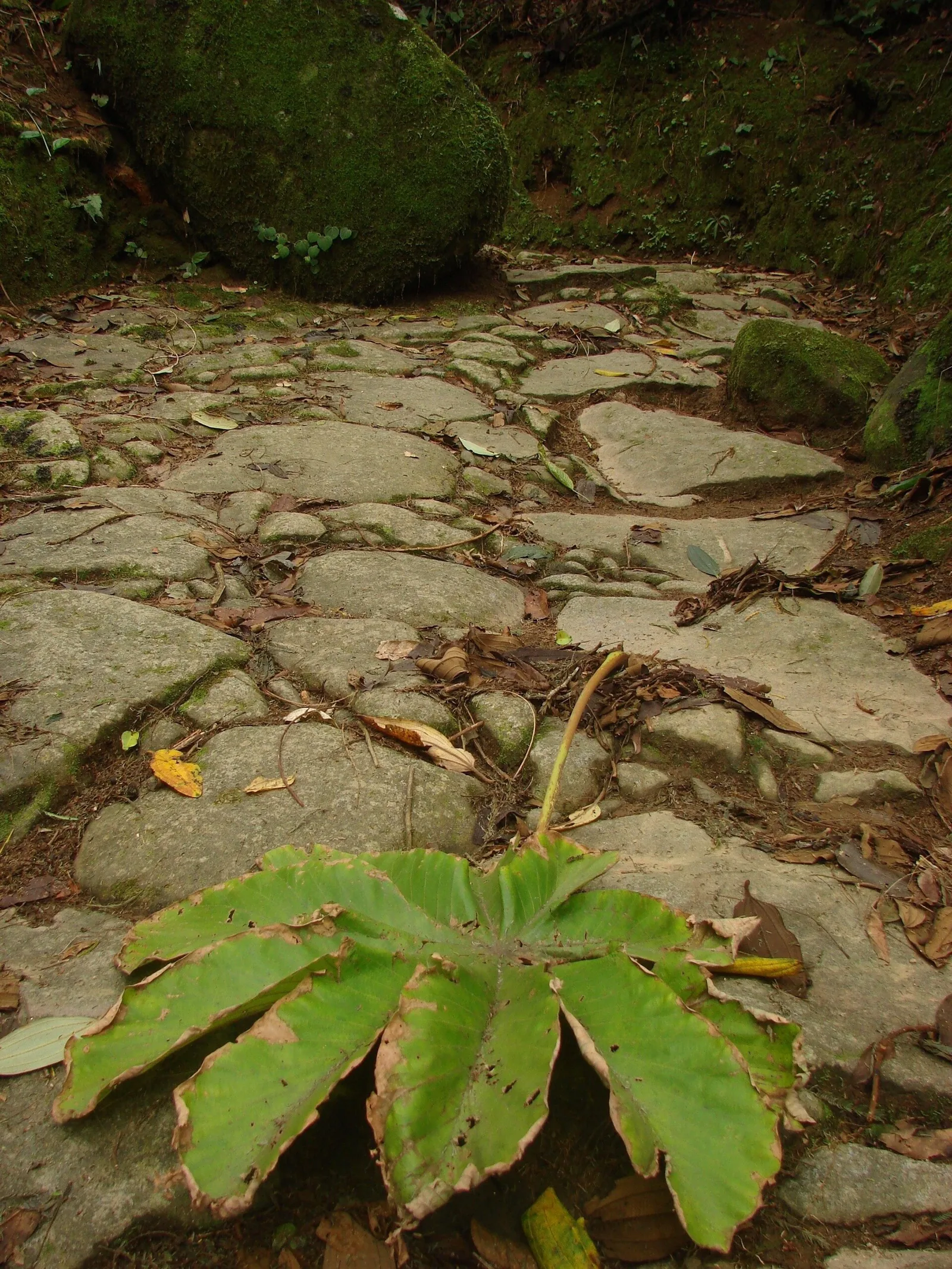
The single most rewarding walk that mixes history with forest is the Caminho do Ouro, the Gold Trail. In the 1700s, gold and gemstones from Minas Gerais were carried down to Paraty's port along a stone-paved mule road built by enslaved Africans, and later the same route moved coffee. Long sections of that paving survive, climbing through the Serra da Bocaina in shaded corridors of forest. A typical guided outing covers a few kilometres at a medium level of effort, with stops at viewpoints, small waterfalls and, on many itineraries, a traditional cachaça still at the bottom. It is doable for most reasonably active people, children included, and it is the best single walk for understanding how this whole town came to exist.
The trailhead sits near the Paraty–Cunha road on the edge of town, so it is easy to reach. In dry weather the well-known lower section can be walked independently, but the stone can be slick and the higher forest paths branch confusingly, so a local guide is worth it both for safety and for the history you would otherwise miss.
Coastal treks to hidden beaches
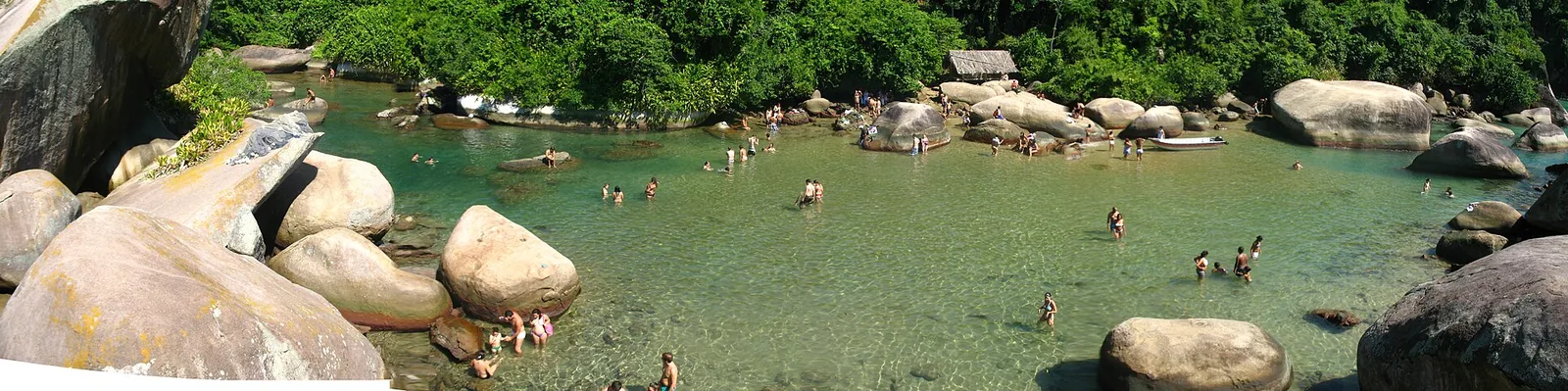
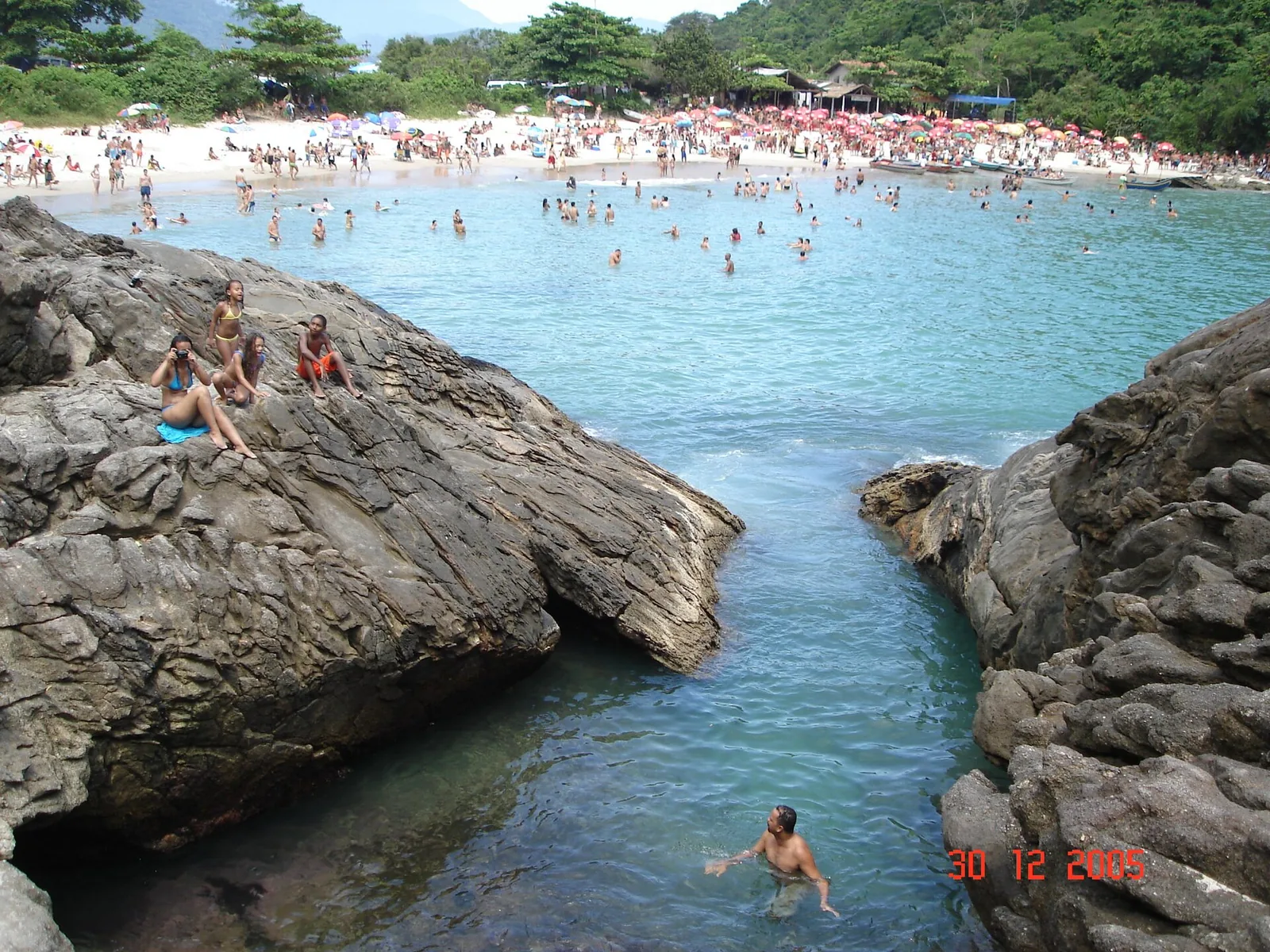
Not all the walking is uphill into the forest. Some of the finest trekking here hugs the coast, dropping over headlands into beaches that no road reaches. The classic is the path to Praia do Sono, a walk of a bit over an hour from the end of the road at Laranjeiras that delivers you to a broad, calm-water beach with a fishing-village feel; push on and you reach the wilder coves of Antigos and Antiguinhos. To the south, the beaches and jungle paths around Trindade link a string of coves and a natural tidal pool set in the rocks. These are moderate walks with roots, sand and a few scrambly bits — good footwear matters — but they are within reach of anyone who walks regularly, and the reward is a beach you half have to yourself.
Into the high country of the Bocaina
For experienced hikers, the Serra da Bocaina opens up longer and tougher options — full-day climbs and multi-day traverses through cloud forest to high viewpoints like the Pedra da Macela, with cold nights and real elevation. This is a different order of commitment, needing fitness, proper kit and a mountain guide who knows the park. If that is your thing, read our overview of the Serra da Bocaina and plan it as the centrepiece of your trip rather than an afternoon add-on.

The Pico do Mamanguá climb
If there is one adventure that sums up Paraty, it is the climb to the top of Pico do Mamanguá, also called Pico do Pão de Açúcar for its sugarloaf shape. It is short, it is steep, and the view from the top is one of the best on the Brazilian coast.
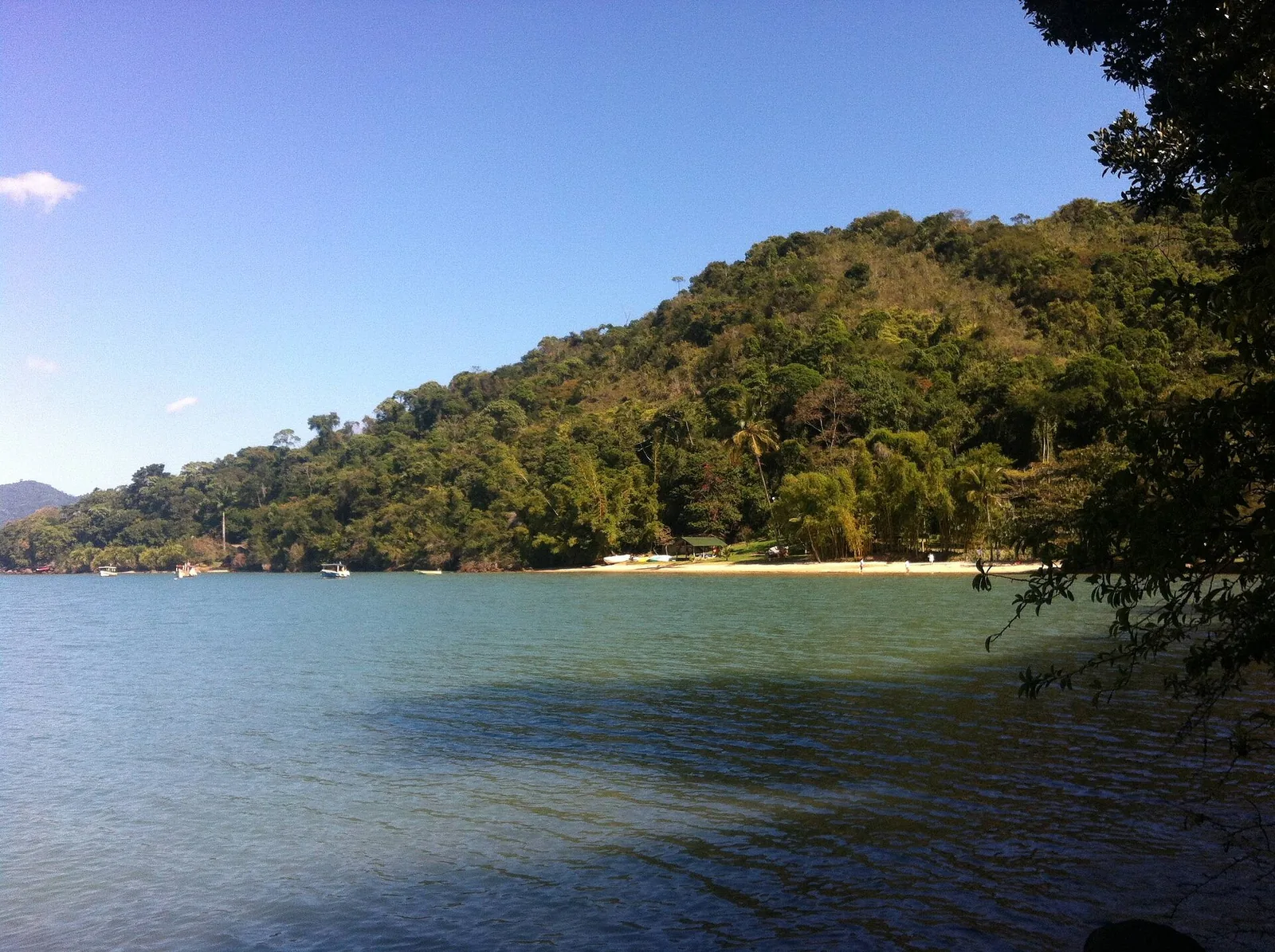
The peak stands above the Saco do Mamanguá, a long, narrow inlet fringed with mangrove and forest that is often described as the only tropical fjord in Brazil, and sometimes claimed for the world. Getting to the trailhead is part of the adventure: you cross the Saco by boat — usually a local taxi-boat from Paraty-Mirim — to a small beach, and the climb starts from there. That water leg means you never do this hike without a boatman or guide, which is exactly as it should be.
The climb itself gains somewhere around 350 to 450 metres depending on where you start, and it does it fast. Expect roughly an hour of steep, rooty ascent with sections where you are pulling on tree roots and rock, inclines that feel like thirty or forty degrees, and little shade relief at the top. It is not technical, but it is a proper effort, and it rewards a decent level of fitness and dry conditions. In the wet the roots turn greasy and the risk goes up sharply. From the summit you look straight down the green throat of the fjord to the open bay, with the Bocaina behind and the islands ahead. Most people rate it the finest viewpoint of their trip.
- Start early. The heat builds through the morning and afternoon storms are common; a dawn or early-morning start keeps you cooler and clearer.
- Wear grippy shoes. Trail runners or light hiking shoes, not sandals. There is real scrambling.
- Carry water and little else. A litre or more per person, sun cover for the top, and a dry bag for the boat crossing.
- Check the forecast. A wet peak is a dangerous peak. A good guide will call it off, and you should let them.
Many people combine the climb with a night or two staying in the Saco itself, kayaking and unwinding, but it works perfectly well as a long day trip too. Either way, budget it as the physical highlight of your week rather than something to slot in casually.
Canyoning and waterfall days
The mountains behind Paraty are laced with rivers, and where those rivers meet granite you get waterfalls, natural slides and, for the adventurous, canyoning. This is some of the most family-flexible adventure the region offers, because the same valley can hold a gentle paddling pool and a serious rappel.
Waterfalls and natural slides
The cluster of falls along the Paraty–Cunha road is the easiest to reach and the most fun for mixed groups. The best known is a long, smooth granite chute that acts as a natural water slide, worn glassy by the river — you sit and go, and the pool at the bottom catches you. Around it are quieter falls and cold, clear pools set in the forest. These are cool-mountain-water spots, refreshing after a hot morning, and they are close: roughly twenty to forty minutes inland by car. Our dedicated Paraty waterfalls guide maps the main ones and flags which are calm enough for children and which run hard after rain.
A word of caution that locals take seriously: waterfalls respond fast to rain falling kilometres upstream, even when the sky above you is blue. Flash rises catch people out. Do not linger in narrow gorges when storms are building inland, obey any local closures, and treat the slide rocks with respect — they are slick and the landings are shallow in places.
Canyoning proper
For a bigger adrenaline day, canyoning takes you down a river through the parts you cannot otherwise reach — rappelling down the face of falls, sliding chutes and jumping into plunge pools, all in a wetsuit and harness with a certified guide. Operators near town run trips on rivers such as the Usina, tailoring the route to your experience: first-timers get the gentler drops and jumps, while people who have rappelled before tackle the taller faces. It is guided, roped and equipped throughout — this is not a self-serve activity — and it suits confident swimmers who are comfortable with heights and cold water. Minimum ages vary by operator, so ask when you book.
.jpg)
Diving and snorkelling on the Costa Verde
Underwater, the Costa Verde is calmer and warmer than Brazil's open Atlantic, because the islands break the swell. That makes it an unusually gentle place to learn to dive and a pleasant one to snorkel, with warm water in the low-to-mid twenties Celsius and visibility that ranges, depending on weather and season, from a modest six metres up to a clear twenty. It is not the Caribbean, and honesty helps here: the appeal is calm, warm, life-rich water close to shore rather than glass-clear blue. Our Paraty diving and snorkelling guide goes deeper on sites and operators; here is the shape of it.
Easy water for beginners
The sheltered islands off Paraty and around Ilha Grande hold shallow, currentless sites that are ideal for first dives. Ilha dos Meros, for instance, is a calm, shallow site in the region of thirteen metres that has become one of the most popular introductory dives in southeastern Brazil, with clear water and easy conditions. Around Ilha Grande, spots like the shallows of Lagoa Azul are a fine first taste with a mask and snorkel, with abundant fish over a sandy bottom. Discovery dives — a supervised first dive with an instructor, no certification required — are widely offered, which makes this a good place to find out whether diving is for you.
Wrecks and dives for the certified
Certified divers get more range. The best-known wreck in the area, the Pinguino, sits at around eighteen metres in a cove off Ilha Grande and is well preserved and full of marine life — groupers, crustaceans and reef fish sheltering in the hull — but it wants good buoyancy control and some experience. Other island sites offer rock reefs, small caves and the odd turtle. If diving is a priority, base a day or two around Ilha Grande, which most people agree is the strongest diving of the whole coast, and go in the drier season when the water is clearest.
On the water: kayak, SUP and the flat green Saco
Not every water day needs a tank. Some of the most restorative time here is spent on the surface, and the Saco do Mamanguá is made for it. The inlet is long, sheltered and shallow, ringed by mangrove and forest, with almost no swell — which makes it close to perfect for sea kayaking and stand-up paddleboarding. You can paddle for hours between tiny caiçara fishing communities, nose into the mangrove channels, and watch for herons and the odd otter, all on water flat enough for a nervous beginner.
Multi-day kayak journeys through the Saco are a genuine thing, camping or staying in simple pousadas along the shore, but you can equally rent a board for a couple of hours and stay within sight of the beach. Stand-up paddling is also a lovely, low-effort way to explore the calmer beaches nearer town in the early morning before the boats stir the bay. For anyone who wants the water without the exertion, this is the sweet spot: quiet, scenic, and as gentle or committed as you make it.

Mountain biking the old roads
Cyclists have real terrain to work with here, most of it on the historic dirt roads that thread the hills. Sections of the Caminho do Ouro and the back roads toward Cunha give long, scenic climbs and fast descents through forest, with river crossings and waterfall stops along the way. This is proper mountain biking rather than gentle cycle-pathing — the roads are steep, winding and rough, and good brakes matter — so it favours riders with some off-road confidence. In the wet the clay turns to a skating rink, which is another vote for the drier months. The flatter coastal lanes near town suit an easier family ride, and bikes are straightforward to rent. If you want the same landscape at walking pace instead, everything the road offers a cyclist it also offers a hiker.
Boat-based adventure and island hopping
Because so much of the wild coast has no road, the boat is a piece of adventure kit in its own right. Beyond the diving and the Mamanguá crossing, the classic day out is a schooner or lancha trip that hops between islands and coves, stopping to snorkel over rock reefs and swim in sheltered bays. Smaller private lanchas can reach the quieter corners that the big schooners skip, which is worth the extra for anyone who wants a swim without a crowd. Our guide to Paraty boat tours breaks down the styles and what each is good for.
The honest note here is on weather again. Boat days live and die by the wind and the afternoon storm pattern, so build flexibility into your plans and take the calm mornings when they come. A good skipper reshuffles the route to stay in the lee of the islands when it blows, and that local judgement is exactly what you are paying for.

Wildlife and the quieter side of moving through it
Not all adventure is about effort, and some of the best moments here are the ones you stumble into while doing something else. The Atlantic Forest is dense with life, and a slow guide will show you far more than a fast one. On the forest trails you have a real chance of seeing troops of capuchin or the small, endangered golden lion tamarin that this coast helped save from extinction, along with toucans, trogons and hummingbirds, and — if you are quiet at dawn — the tracks of larger animals in the mud. In the mangroves of the Saco, herons stalk the shallows and otters work the channels. Offshore, sea turtles are common over the reefs, and in winter the odd whale passes the outer islands.
The point is to build a little slowness into an active trip. A paddle through the mangrove at first light, an hour sitting still at a forest pool, a snorkel that becomes a float — these are where the coast opens up. If natural history is a big part of why you travel, tell your guide, and they will trade a fast pace for a watchful one. Birders in particular do well here; the range of habitats packed into a small area means a single day can turn up forest, mangrove and coastal species without much driving. It is also the gentlest way to bring less athletic members of a group along, giving everyone a reason to be out in the wild without a summit to reach.
Getting to the trailheads and jetties
A quick word on logistics, because it trips people up. Paraty has no airport of its own; most visitors arrive by road. From Rio de Janeiro it is roughly a four-to-five-hour drive down the coast road, from São Paulo a similar four-to-five hours, and travellers from abroad usually fly into Rio or São Paulo and continue by car, transfer or the comfortable long-distance buses that serve the town. Once here, a rental car is genuinely useful for the inland waterfalls and the Cunha-road trailheads, which are awkward to reach otherwise, while the boat jetties for Mamanguá and the islands are close to town and easy to reach by taxi. The forest and coastal trailheads are scattered, so a car or an operator's transfer saves a lot of standing around. Our notes on getting around the area cover the details; the short version is that half a day's flexibility with wheels unlocks most of the adventure map.
Who guides you, and how the difficulty stacks up
The single most useful thing I can tell first-time visitors is that the good adventure here is guided, and that this is a feature rather than a limitation. Trails cross protected parks with permit and access rules, paths go unmarked in the forest, the weather turns quickly, and boat access needs someone who knows the tide and the coast. Reputable local operators run licensed guides, provide the ropes and wetsuits and boats, and — crucially — will change or cancel a plan when conditions say so. Let them. The people who get into trouble here are almost always the ones who went alone, ignored a forecast, or pushed on when a guide would have turned back.
A rough sense of difficulty, easiest to hardest:
- Gentle: waterfall pools and slides on the Cunha road, snorkelling and discovery dives from a boat, stand-up paddling in calm bays, easy sections of the gold trail, flat coastal cycling. Good for families and non-athletes.
- Moderate: the full Caminho do Ouro, coastal treks to Sono and around Trindade, sea kayaking the Saco, certified reef dives, off-road cycling on the dirt roads. Needs everyday fitness and sensible footwear.
- Demanding: the Pico do Mamanguá climb, canyoning, wreck dives like the Pinguino, and multi-day treks in the Serra da Bocaina. Needs real fitness, confidence with heights or depth, and, in the wet, the humility to postpone.
When you book, tell the operator the ages, fitness and experience of everyone in your group, and be truthful about it. A good guide will pitch the day to the least confident person, which is how it should be. If you are travelling with children or a wide range of abilities, our guides to Paraty with family and building sensible Paraty itineraries will help you sequence the days.
Seasons and how they change the plan
I have flagged the seasonal calls throughout, but it is worth pulling them together, because timing shapes an adventure trip here more than anywhere else on the coast.
The cooler, drier months from roughly April to September are the trekker's and diver's season: firmer trails, safer climbs, clearer water and far fewer storms. Days are warm and comfortable, nights can be genuinely cool in the hills, and the sea, while not tropical-warm, is very swimmable. This is when I would come if the point of the trip is to move.
The green season from December to March flips the calculus. It is hotter and lusher, the waterfalls are at full force, and the forest is at its most alive — but the afternoon storms are frequent and heavy, trails run to mud, rivers rise fast, and underwater visibility drops when runoff clouds the bays. It is a fine time for waterfall days, short walks and easy water, and a poor time for the exposed climb or a diving-focused trip. It also overlaps the Brazilian summer holidays, when the town is busiest. Whichever way you lean, keep your itinerary loose enough to swap a rained-out plan for a clear one, and take the good mornings when they arrive.
What to pack and how to prepare
You do not need an expedition's worth of gear, but a few things make the difference between a good day and a miserable one. For most guests arriving from São Paulo, Rio or abroad, the useful kit is light and easy to bring or buy locally.
- Footwear with grip. Trail shoes or light hikers for the climbs and forest, plus sandals with a heel strap for wet-rock and boat days. Leave the smooth-soled trainers at home.
- Quick-dry clothing. You will be wet often, from rain, river or sea. Synthetic layers, a swimsuit under your clothes, and one warm layer for cool mountain mornings.
- A dry bag. Small and waterproof, for phone, keys and a camera on boat crossings and canyoning.
- Sun and insect cover. High-factor sunscreen, a hat, and repellent for the forest — the Atlantic Forest has mosquitoes and, in places, ticks.
- Water and light snacks. Carry more water than you think, especially for the Mamanguá climb, where there is none on the trail.
- Reef-safe sunscreen if you can, for the diving and snorkelling days, out of respect for the marine reserves.
On logistics: guides and operators are easy to arrange in town or in advance, and reputable ones will confirm what they provide — wetsuits, harnesses, boats, permits — so you are not doubling up. Cash is useful for the smaller caiçara-run boats and beach kiosks. And build a rest day into a week of activity; the heat and humidity tire you faster than the elevation suggests, and a day by the pool between a big climb and a diving day is not laziness, it is good pacing.
Building your days from a base above the bay
The way all of this comes together is in how you structure the day, and this is where staying above the town rather than in it earns its keep. From the chalet, four hundred metres up with the whole bay in front of you, most trailheads and jetties are within half an hour, which means you can leave early for a cool-morning climb or a calm-water boat and be back by mid-afternoon to swim it off in the infinity pool. The mountains here run straight into the sea, so a single day can hold cold forest waterfalls before lunch and warm reef water by mid-afternoon, and then you come home to a deck that looks out over Paraty, Angra dos Reis and Ilha Grande at once — the three places you have been exploring, laid out below you.
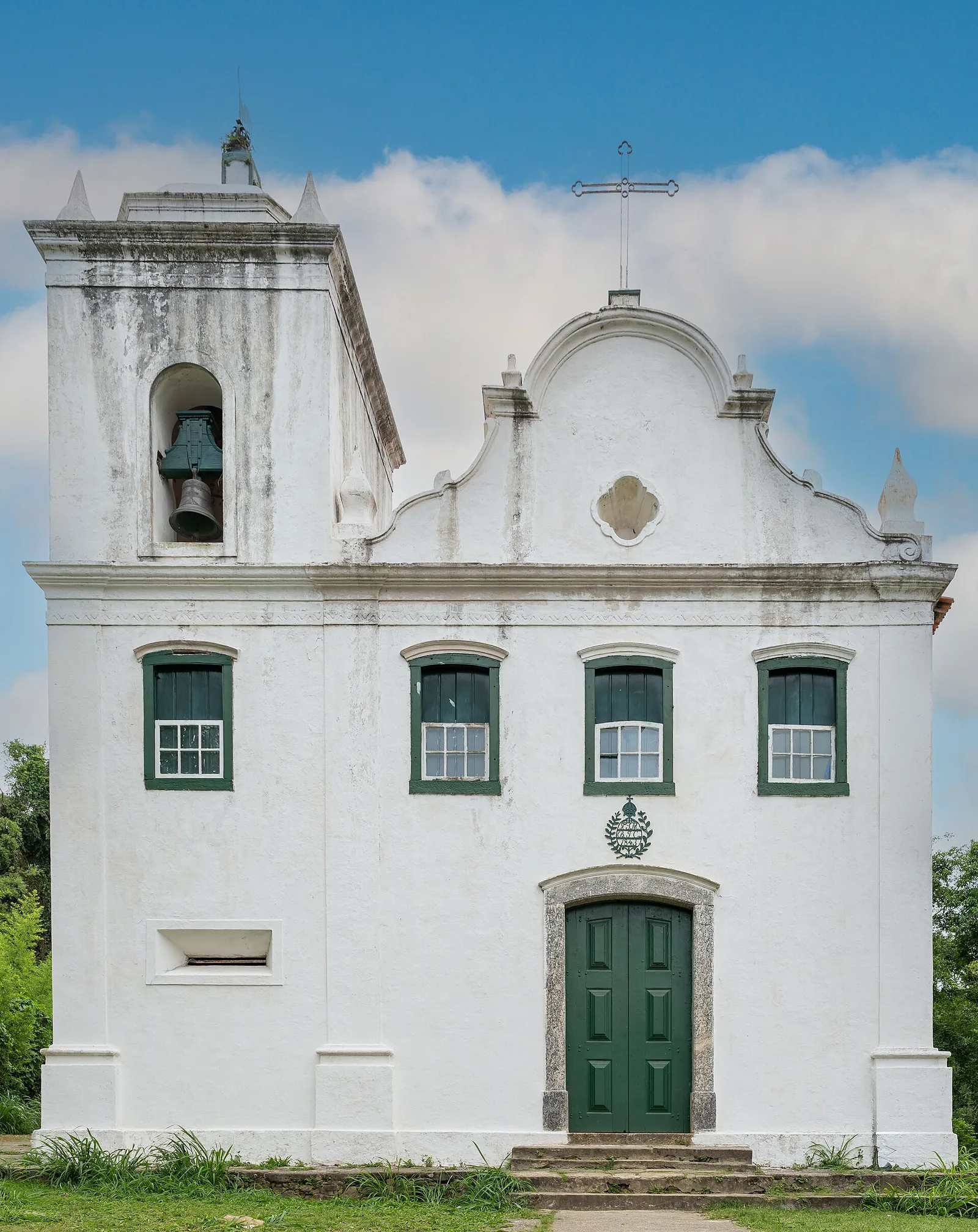
A week might look like this: an easy first day on the gold trail and a waterfall to find your legs; a boat-and-dive day around Ilha Grande; the Pico do Mamanguá climb on the clearest morning of the forecast, followed by an afternoon doing nothing at all; a canyoning or kayaking day depending on your appetite; and a slower day walking a coastal path to a quiet beach with a picnic. Threaded through it, the town itself — its churches, its seafood, its cachaça — for the evenings. If you want help sequencing the exploring, start with our overview of how to explore Paraty, and if you would rather have us line up guides and boats before you arrive, just get in touch and tell us what your group is up for.
Adventure here is not about proving anything. It is about a coast where the wild parts are close, genuinely wild, and easy to reach if you plan sensibly and let good guides do their job. Come in the right season, pack light, respect the weather, and give yourself the luxury of a real base to come back to. Do that, and Paraty gives you more variety in a week than most places manage in a month.
Frequently asked questions
The standouts are trekking in the Atlantic Forest of the Serra da Bocaina, the steep climb up Pico do Mamanguá, canyoning and waterfall days on the Cunha road, and diving or snorkelling around Ilha Grande and the nearer islands. Sea kayaking in the Saco do Mamanguá and mountain biking on the old gold road round out the list. Most can be done in a half or full day from a base near town.
It is short but genuinely steep — roughly 350 to 450 metres of climbing in about an hour, on a rooty, sometimes hand-over-hand path. A reasonably fit person with no injuries can do it, but it is not a casual stroll. You reach the trailhead by boat across the Saco do Mamanguá, so it always involves a guide or boatman.
Yes. The sheltered islands have warm, generally calm water and shallow sites in the 6 to 13 metre range that suit first-time and newly certified divers. Visibility varies with weather and season, usually somewhere between 6 and 20 metres. Discovery dives with an instructor are widely available for people who have never dived.
For the water-based trails, the Mamanguá climb, canyoning and any multi-day trekking, yes — a licensed local guide is the sensible and often required choice. The forest paths are unmarked in places, weather changes fast, and boat access needs local knowledge. Short, well-known walks like parts of the gold trail can be done independently in dry weather.
The drier, cooler months from about April to September give firmer trails, clearer water and lower rainfall, which is ideal for trekking and diving. The summer from December to March is hotter, greener and better for waterfalls, but brings heavy afternoon storms and can cut visibility underwater. See our guide on the best time to visit for the trade-offs.
Many, yes. Gentle waterfall walks, the natural rock slides, snorkelling from a boat and easy sections of the gold trail work well with older children. Steep climbs, canyoning and long treks are better for teenagers and adults. Tell your guide the ages and fitness of your group and they will pitch the day accordingly.
Most are close. The Cunha-road waterfalls are roughly 20 to 40 minutes inland by car, the boat jetties for Mamanguá and the islands are a short drive plus a boat leg, and the gold trail begins on the edge of town. From a hillside base above the bay you can be at a trailhead or a jetty within half an hour.