In this guide
Of all the ways Brazil quietly wins you over, breakfast might be the most underrated. Say the words Paraty cafés breakfast to anyone who has spent real time on this coast and watch their face soften, because the Brazilian morning table is one of the country's genuine glories — long, generous, unhurried, and built around things you will not have eaten anywhere else. Warm cheese bread pulled apart with your fingers. Fruit so ripe it barely needs a knife. Coffee that means it. A tapioca crepe folded to order on a hot griddle while you wait. This is not the grab-a-pastry-and-run breakfast of a rushed European city. It is a ritual, and Paraty — a UNESCO Creative City of Gastronomy — is a lovely place to give yourself over to it.
I want to describe the whole morning here, not just hand you a list of places, because the pleasure of breakfast in Paraty is as much about pace and culture as about any single café. It is understanding what a proper Brazilian café da manhã actually is, why the neighbourhood bakery counter matters so much, what to order and how, and how to slow down enough to enjoy the town before the heat and the day-trippers arrive. I will point you at the different kinds of places to eat and linger — colonial cafés, bakery counters, waterfront tables, juice-and-açaí spots — by type rather than by name, partly because places here change hands from one season to the next, and partly because half the joy is wandering the cobbles and following the smell of fresh bread to wherever it leads.
And because I host people up on the hillside above the bay, I will be honest about the two ways to do a Paraty morning: the big spread laid on by a pousada, and the slow one you build for yourself, coffee in hand, looking out over the water. Both are wonderful. Let us start with what breakfast even means in this country, because it is not quite what you are used to.
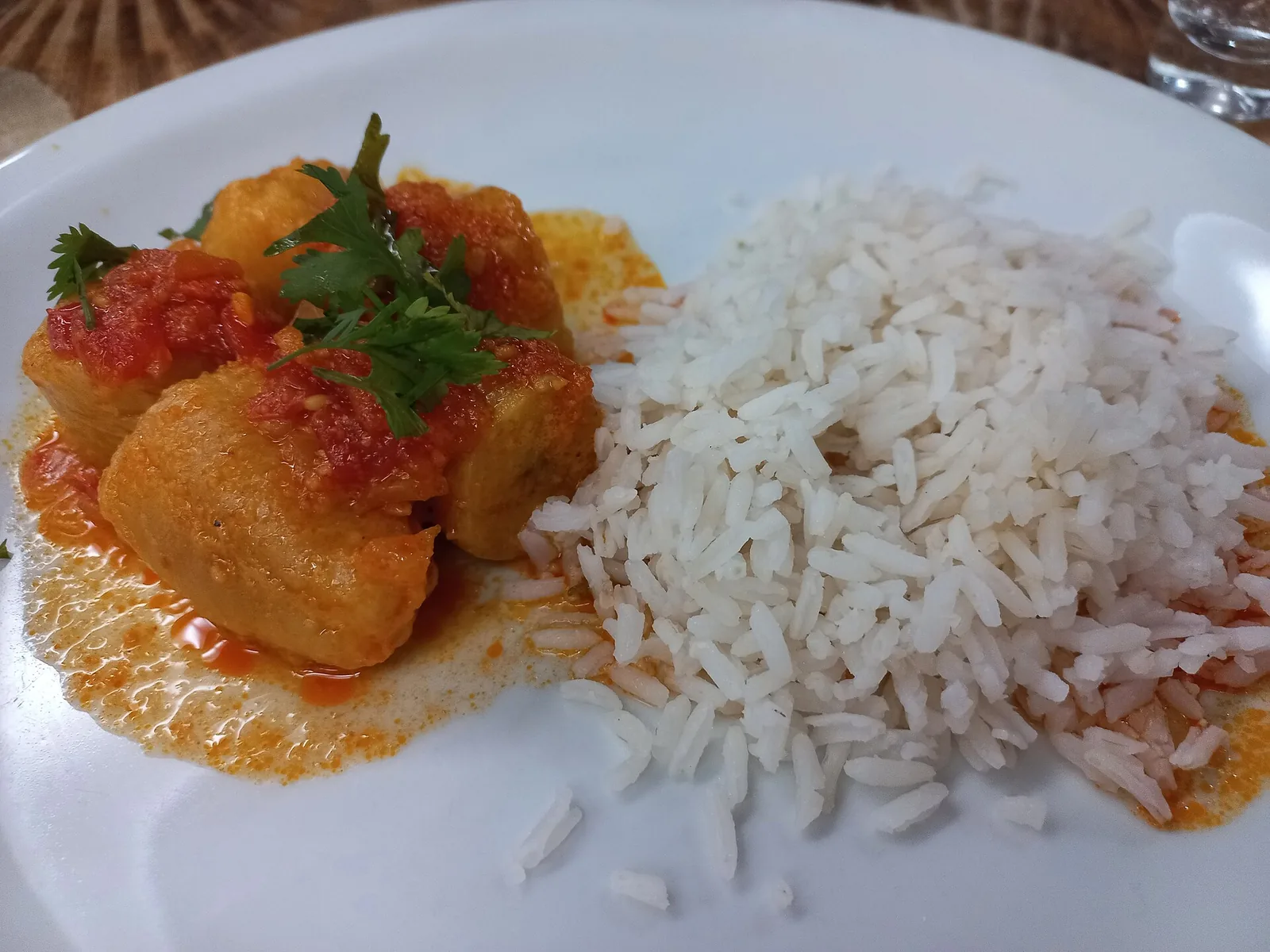

What café da manhã really means in Brazil
The literal translation of breakfast in Portuguese is café da manhã — 'morning coffee' — and that little phrase tells you where the whole meal begins. Coffee is the anchor; everything else gathers around it. But do not let the name fool you into thinking it is a small meal. A proper Brazilian breakfast is a spread, and generosity is the whole point.
The character of it is that sweet and savoury sit side by side without apology. On one table you will find fresh bread and butter, ham and cheese, and a plate of scrambled eggs, and right next to them sliced papaya and mango, a wedge of cake, and a jar of sweetened condensed milk for your coffee. Nobody here treats fruit-then-cake-then-cheese as a contradiction. You build your own plate from all of it, a little of this and that, and wash it down with coffee or café com leite, coffee cut generously with hot milk. It is filling by design — the meal that is supposed to carry a working person through a long, warm morning.
There is also a strong culture of breakfast being a shared, social thing rather than a solitary refuel. At home on a weekend, families linger over it. In a pousada, the breakfast room is where guests surface slowly and swap plans for the day. At the neighbourhood bakery, regulars stand at the counter and gossip over an espresso. The unifying thread is unhurriedness. Brazilians, and the caiçara coast especially, are not in a rush in the morning, and once you sync to that rhythm you will not want to go back. If you are the kind of traveller who likes to understand the food culture before you dive in, our guide to Brazilian gastronomy is a good companion to this piece.
One practical thing to know from the start: in almost every pousada and hotel in Paraty, this full breakfast is included in the room rate, and it is genuinely a point of national pride. Brazilian hosts compete on their café da manhã the way others compete on the pillows. That changes the shape of your morning — for most visitors, the best breakfast of the day is the one already waiting downstairs.
Breakfast in Brazil is not a thing you get out of the way before the day begins — it is the first good thing the day does for you.
The padaria: Brazil's morning institution
If there is one place that explains Brazilian daily life, it is the padaria — the bakery — and it is far more than a shop that sells bread. It is a civic institution, a neighbourhood living room that happens to smell of fresh loaves and coffee. Retirees read the newspaper over a double espresso. Students revise with a plate of cheese bread. A delivery driver knocks back a coffee standing up before the day's rounds. The padaria is where a Brazilian neighbourhood does its early business, and understanding it unlocks half the pleasure of mornings here.
At the counter
The classic padaria move is done standing at the counter, not sitting. You order a small strong coffee — a cafezinho, or a pingado, black coffee 'dripped' with a little hot milk — and a piece of pão na chapa, a length of soft French-style bread (the everyday pão francês) split, buttered and pressed on a hot griddle until the edges crisp. That is it: coffee and toasted buttered bread, eaten elbow to elbow with whoever else is at the counter. It costs very little and it is one of the small, real pleasures of Brazilian life. If you do only one 'local' thing at breakfast in Paraty, do this one morning before the town wakes up properly.
Beyond that first move, the padaria counter is a whole world of salgados, the savoury snacks that Brazilians eat at all hours. There is the coxinha, a teardrop of dough around shredded chicken, deep-fried golden; the pão de queijo in a warm heap by the till; the misto quente, a pressed ham-and-cheese toastie; esfihas and little pastries. None of it is fancy, all of it is good, and it is the backbone of how the town actually eats in the morning.
What to order and how to behave
A few things smooth the way at a Brazilian bakery counter:
- Order at the counter, pay at the till. In many padarias you tell the person behind the counter what you want, they give you a little slip, and you settle up on the way out. Watch what the regulars do and follow.
- Coffee is small and strong by default. If you want it long and milky, ask for café com leite; a pingado is somewhere in between. There is no giant paper cup culture here.
- Point without shame. If your Portuguese is thin, the glass case of salgados is right there — point and hold up fingers for how many. Nobody minds.
- Cash helps. Bigger cafés take cards, but a small neighbourhood padaria is easier with a bit of cash, especially early.
The padaria is also the answer to a question self-caterers ask a lot: where to buy fresh bread and breakfast things each morning. If you are staying in a villa or chalet with a kitchen, the padaria is your daily first stop — warm bread, cheese, cake, a bag of pão de queijo dough to bake off at home. More on that later, because a home breakfast on the hillside is its own quiet luxury.
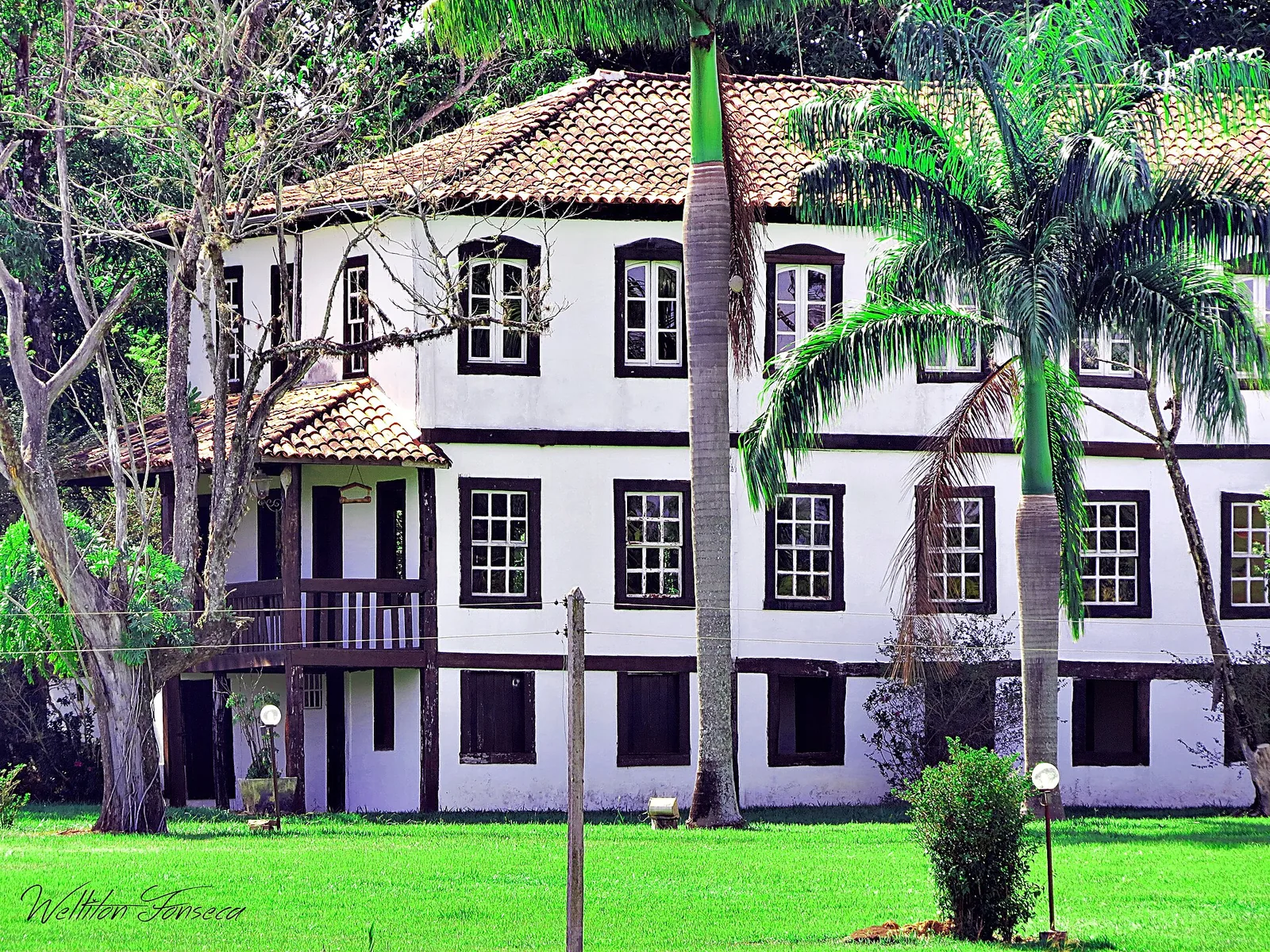

The pousada breakfast: the spread you did not have to make
For most visitors, the flagship breakfast experience in Paraty is the one laid on by their pousada, and it deserves its reputation. The Brazilian guesthouse breakfast is a competitive sport, and even modest places tend to put out a spread that would embarrass a lot of grand hotels elsewhere. It is usually included, usually served buffet-style, and often one of the highlights guests remember longest.
What lands on the table varies, but the shape is consistent: baskets of fresh bread and warm pão de queijo; a platter of sliced tropical fruit — papaya, watermelon, pineapple, banana, mango in season; cake, most reliably the humble, wonderful bolo de fubá, a moist cornmeal cake, and often a carrot cake with chocolate, or a corn or coconut cake; cold cuts and cheese; eggs, sometimes scrambled, sometimes cooked to order; tapioca or couscous depending on the house; homemade jams, sometimes a local doce such as banana or guava paste; a jug or two of fresh juice; and coffee, milk and hot chocolate. On the coast you will often find açaí and a bowl of granola and yoghurt as well.
The temptation, of course, is to eat as though you are storing up for winter, and honestly, lean into it a little — a big pousada breakfast means you can happily push lunch back to a late beach picnic and keep your day loose. It also sets you up for the kind of active morning this coast rewards, whether that is a boat out into the bay or a walk to a waterfall. When you are planning which mornings to be out early, our overview of things to do in and around Paraty helps you slot the big days in.
A small tip: breakfast service in most pousadas runs from around 7 or 8 until about 10, and the fruit and the fresh bakery items are at their best early. If you are a slow riser, it is worth asking your host whether they can keep something back for you, because many will — the Brazilian instinct to feed a guest well runs deep.
Pão de queijo and the baked things worth crossing town for
If Brazil has a single edible ambassador, it is pão de queijo — cheese bread — and no guide to breakfast here can spend too long on it. These are small, round, golden rolls made from cassava starch (the tapioca of the name) and cheese, which makes them naturally gluten-free, crisp on the outside and gloriously chewy and stretchy within. They come from the state of Minas Gerais, up in the hills, but they are eaten everywhere in Brazil, at breakfast and as a snack at any hour, and the difference between one eaten warm from the oven and one that has sat around for an hour is the difference between a revelation and a rubber ball. Eat them fresh.
The rest of the bakery repertoire
Beyond the cheese bread, the Brazilian breakfast bakery has a repertoire worth exploring:
- Bolo de fubá — cornmeal cake, dense and just sweet enough, sometimes flavoured with fennel or cheese. The definitive breakfast cake, made for dunking in coffee.
- Pão francês — the everyday soft roll, the backbone of pão na chapa and of every home breakfast.
- Broa and other corn or cassava breads, denser and rustic.
- Sonho — a cream-filled doughnut, if you have a sweet tooth and no restraint.
- Bolo de cenoura com chocolate — Brazilian carrot cake, blitzed smooth and orange, under a thick chocolate glaze. Not what an English or American carrot cake is at all, and better for it.
Many of these you will meet at your pousada spread, but hunting them down fresh at a good bakery in the historic centre is a fine reason to walk into town in the morning. The centre's colonial streets are at their coolest and quietest before mid-morning, the light low and gold on the whitewashed walls, and a warm bag of pão de queijo eaten on a bench in an empty square is a better start to the day than any amount of sightseeing.
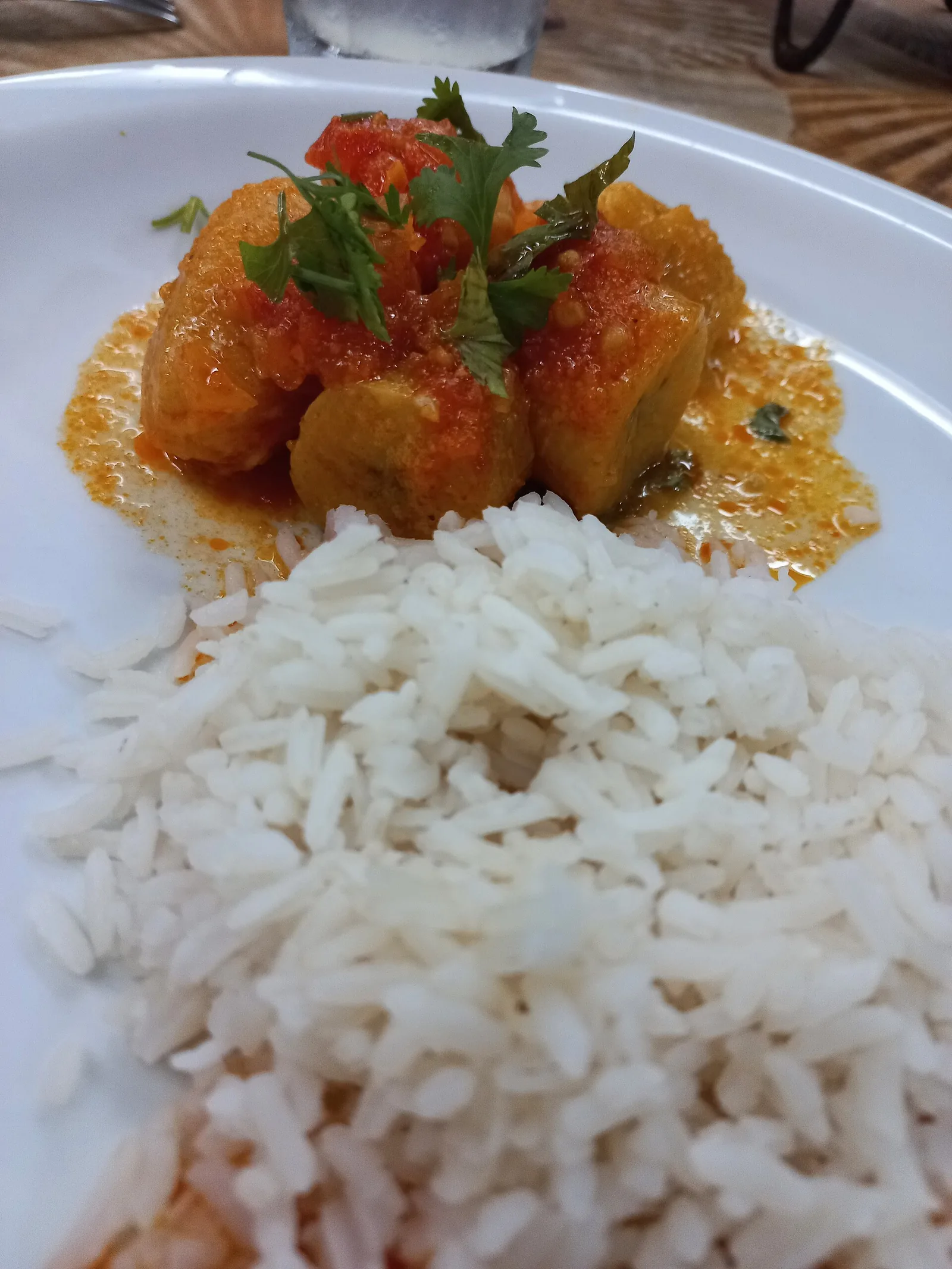

Tapioca: the caiçara cassava morning
Forget everything the word tapioca means in a British or American pantry — the little pudding pearls. On this coast, tapioca is a breakfast in its own right, and it is one of the things I most enjoy introducing visitors to. It is a soft, thin crepe made from hydrated cassava (manioc) starch, sprinkled onto a hot dry griddle where it fuses into a pale, pliable round in a minute or two, then folded around a filling and eaten straight away. It is cooked entirely to order, naturally gluten-free, and light in a way a bread breakfast is not.
The fillings run sweet and savoury. On the savoury side: cheese, especially the squeaky northeastern queijo coalho; ham and cheese; carne seca or carne de sol, Brazil's cured, salted beef, sometimes with cheese and tomato. On the sweet side: banana with cinnamon and a drizzle of condensed milk; grated coconut; doce de leite; chocolate. My own weakness is a plain cheese one alongside a coffee, but the banana-and-cinnamon is the crowd-pleaser and the one children fall for instantly.
Tapioca is deeply tied to the cassava-based food culture of coastal and northeastern Brazil, and eating it here connects you to the caiçara traditions of the Paraty coast — the fishing-and-farming communities whose staples were built around the cassava root long before the town was pretty. If that living culture interests you, it is worth reading our piece on the caiçara culture of the coast, because the food is one of its most accessible doorways. You will find tapioca at pousada breakfasts, at market stalls and at dedicated little griddle counters — look for the round hotplate and the queue.
Coffee, properly: from the cloth filter to the new cafés
Brazil grows more coffee than any country on earth, so it would be strange if the morning cup here were an afterthought — and it is not. But the coffee culture comes in two distinct flavours, and both are worth knowing.
The traditional cup: café coado and the cafezinho
The everyday Brazilian coffee is small, strong and sweet, served in a little cup — the cafezinho, literally 'little coffee'. The classic way of making it is café coado, brewed by pouring hot water through ground coffee held in a cloth filter, a slow, patient drip that many Brazilians still swear tastes better than any machine. In homes and old cafés you will see the cloth sock on its wire frame, and a thermos of the finished coffee kept warm all morning. It is often pre-sweetened, so if you take yours without sugar, say so — sem açúcar — when you order. This is coffee as a small, frequent, sociable punctuation of the day rather than a giant single hit.
The new wave
Alongside the traditional cup, Brazil has a serious and growing specialty-coffee movement, and a place as visited and as food-proud as Paraty has caught it. In among the colonial streets you will now find a handful of contemporary cafés doing single-origin Brazilian beans properly — espresso, pour-over, flat whites — the kind of place a visitor from São Paulo or from abroad will recognise instantly and be quietly relieved to find. These sit-down cafés are also where the slow-morning, laptop-and-a-book crowd lingers, and they tend to open a little later and stay open through the afternoon.
My honest advice is to try both. Have the tiny sweet cafezinho at a bakery counter for the culture of it, and seek out a good specialty café when you want a long, careful cup and a shaded table to sit at. Between the two you will drink very well. And if the story of Brazilian drinks pulls you further, the other great regional beverage tradition — the sugarcane spirit — is covered in our guide to the cachaça distilleries and, more culturally, in our journal piece on cachaça and caipirinha culture. Coffee for the mornings, cachaça for the evenings; the coast has both covered.
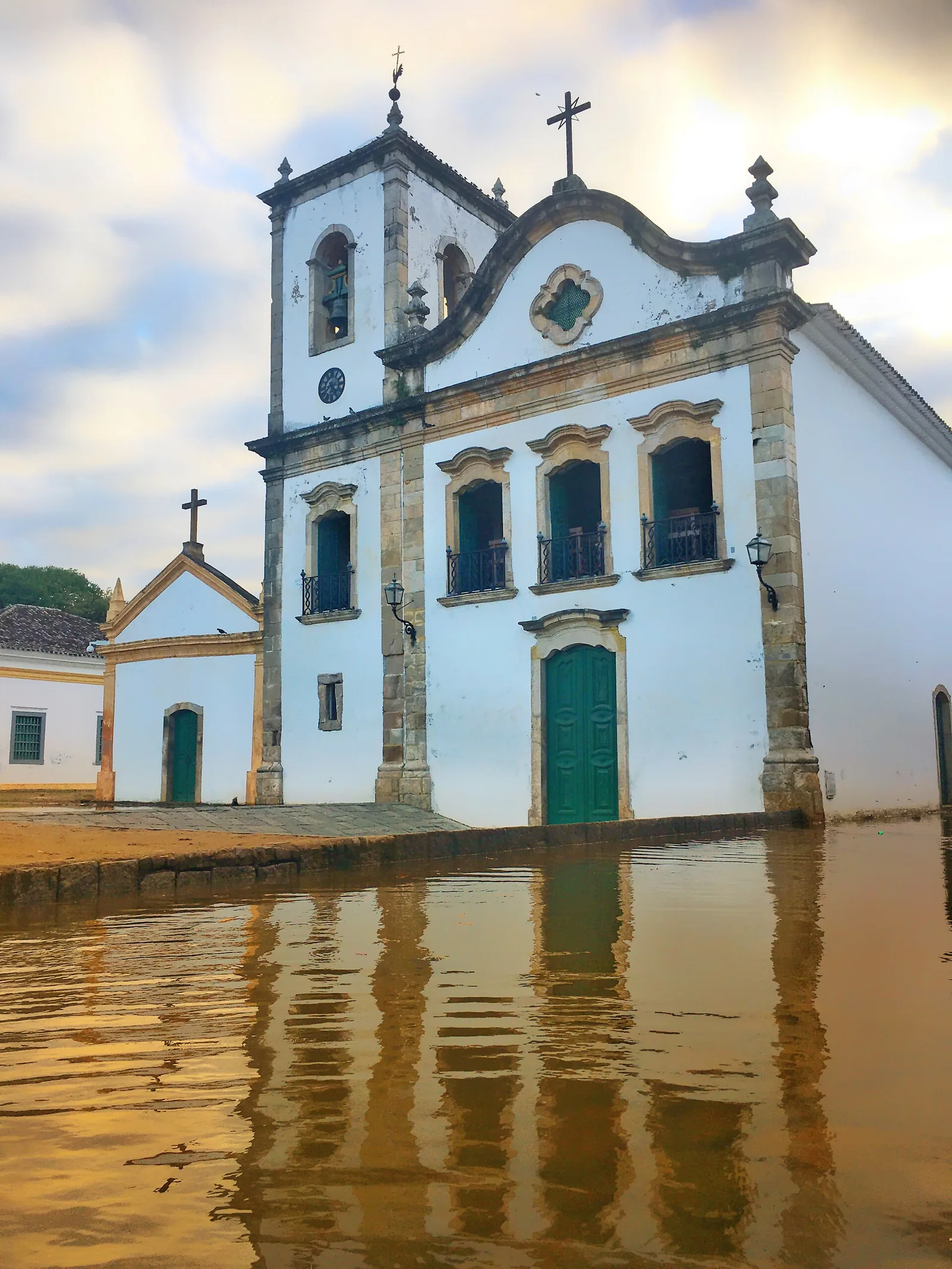

Açaí: the real thing, close to its source
Most visitors have met açaí abroad in some diluted, over-sweetened form, so it is worth resetting expectations, because the Brazilian version is a different and better thing. Here açaí is a thick, almost frozen, deep-purple bowl — the pulp of the Amazonian açaí palm berry, blended with a little guaraná syrup or banana to take the edge off its earthy bitterness, then piled with granola, sliced banana and other fruit. It is served cold and eaten with a spoon, dense enough to stand the spoon up in.
Eaten this way it is both a treat and a genuine energy hit, which is why Brazilians reach for it after the beach or the gym as much as at breakfast. On this stretch of coast you are relatively close to its Amazonian origins, and the quality tends to be high. A good açaí bowl on a hot Paraty morning, somewhere shaded near the water, is one of the simplest pleasures the town offers, and it suits the climate far better than a heavy cooked breakfast when the day is already warming up.
You will find açaí at juice bars and at the fruit-and-juice counters dotted around town — the same places that will make you a glass of freshly pressed juice from fruit you may never have tasted: caju (cashew fruit), acerola, graviola, maracujá (passion fruit), cupuaçu. Ordering a juice from a fruit you cannot identify is one of the quiet joys of a Brazilian morning; be brave with the ones you do not recognise.
Brunch and the slow morning table
Not every morning has to be a stand-up coffee or a pousada buffet. Paraty, being both a tourist town and a UNESCO gastronomy city, has grown a proper sit-down brunch culture for the days you want to make the meal the event. These are the mornings to book nothing else, take a shaded table in the historic centre, and let breakfast stretch into late morning.
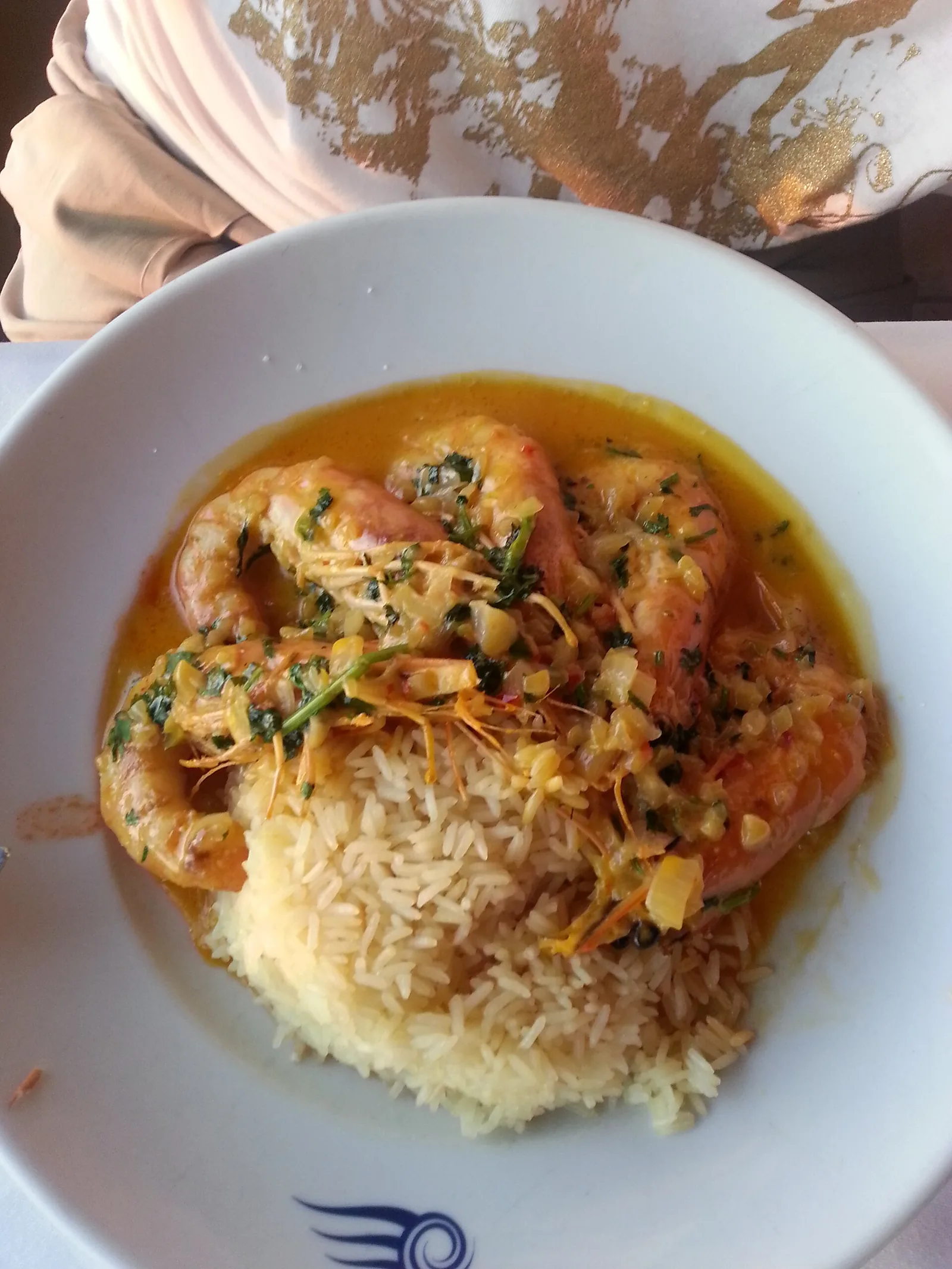
The sit-down cafés and brunch spots pull the best of everything onto one table: eggs done a few ways, good bread and pastries, tapioca or pão de queijo, fresh juices and specialty coffee, fruit, and often a more contemporary plate or two — avocado toast has reached the colonial coast, as it has everywhere. The atmosphere is the draw as much as the food: thick whitewashed walls keep the room cool, the cobbled street outside is quiet before the day-trip boats unload, and there is no reason on earth to hurry. This is the morning I recommend to honeymooners and to anyone celebrating something, and it pairs beautifully with the unhurried mood of a honeymoon in Paraty.
A word on timing and expectation. Brazil does not have a rigid brunch-only window the way some cities do; these places tend to open mid-morning and simply keep serving. And because Brazilians eat their main meal at lunch, a long breakfast that slides toward noon feels entirely natural here — order another coffee, watch the town come to life, and let the morning do what mornings in Paraty do best, which is to refuse to be rushed. When you want the full lie of the land on eating out for other meals too, our Paraty restaurants guide takes over where this one leaves off.

Where to linger, by type
I do not hand out lists of business names, because places here open, close and change hands from one season to the next, and because half the pleasure is discovery. But the kinds of places to eat and linger in the morning are stable, and knowing the types lets you choose by mood. Here is how the town's morning geography breaks down.
The colonial-centre cafés
Tucked into the whitewashed, blue-and-ochre-trimmed buildings of the historic grid are the sit-down cafés — cool-walled rooms and shaded courtyards where you take a table and settle in for coffee, cake and a slow read. These are the places for the unhurried brunch, for a rainy-morning refuge, and for the specialty coffee crowd. They are at their loveliest early, before the streets fill.
The bakery counters
Scattered through the residential edges of the centre and the working parts of town are the padarias — the counters where locals get their pão na chapa and cafezinho standing up. Come here for the cheapest, most authentic, most Brazilian version of breakfast, for the smell of bread at seven in the morning, and for a warm bag of pão de queijo to carry off and eat by the water.
The waterfront and juice spots
Down toward the bay and the pier you will find the juice bars and açaí counters, the cool-morning-drink places, and cafés with a view of the water and the boats. This is where to have a light, cold, fruit-forward breakfast when the day is already hot, or to sit with a coffee and watch the schooners load up for the day's island trips. If a boat day is on your plan, our guide to Paraty boat tours is worth a look while you finish your juice.
The market and the makers
For self-caterers and the curious, the town's produce and the small food makers are their own morning outing — fruit stalls piled with things you cannot buy at home, cheese and cured meats, the raw materials of the breakfast you might build yourself back at the house. Wandering these before the heat, with a coffee in hand, tells you more about how Paraty actually eats than any restaurant will.
A morning for every kind of traveller
One of the nicest things about the Paraty breakfast is how well it flexes to whoever you are travelling as. The same generous, unhurried table works for very different trips.
Couples
For couples, the slow brunch in a cool colonial café, or a lazy breakfast on a terrace with coffee and fruit and nowhere to be, is romance without any effort. The town's whole unhurried temperament rewards two people who want to do very little, beautifully. Pair a late breakfast with a quiet swim and you have the shape of a perfect Paraty morning.
Families
Families are wonderfully well served, because the Brazilian breakfast is a children's dream: cheese bread, cake, fresh fruit, tapioca with banana and chocolate, hot chocolate, juices. Fussy eaters find something, adventurous ones get to try tapioca cooked in front of them, and the pousada buffet means everyone builds their own plate and nobody goes hungry. For the wider picture of travelling here with kids, our family guide to Paraty goes deeper.
Solo travellers and friends
Solo travellers should feel completely at home standing at a bakery counter with a coffee, or taking a book to a café for a long morning — the padaria in particular is an easy, unintimidating place to be alone. Groups of friends do well at the sit-down brunch spots and the waterfront juice bars, where the table can grow and the morning can drift. Whoever you are, the morning here meets you where you are.
Breakfast at home on the hillside
There is one more way to do a Paraty morning, and it is the one I know best, because it is what a stay up on the hill makes possible. When you have your own kitchen and your own view, breakfast stops being something you go out for and becomes something you build, at your own pace, in your own company.
The ritual is simple and it is one of my favourite things about hosting here. Early, before the day gets going, someone walks or drives down to the padaria and comes back with warm bread, a bag of pão de queijo to bake off in ten minutes, a fresh cake, whatever fruit the market had. Coffee goes on. And then the whole thing is carried out to the terrace, and you eat it slowly, looking at the bay. Our chalet sits about four hundred metres above the water, with a single deck that takes in Paraty, Angra dos Reis and Ilha Grande all at once, and I promise you that pão de queijo eaten warm with that view, an infinity pool a few steps away and the whole day still ahead of you, is a breakfast you will talk about long after you go home.
The practical beauty of it is the freedom. There is no service window to make, no dining room to share, no need to be dressed. You can have a light fruit-and-juice breakfast on a hot morning before a boat day, or a long, lazy spread on a rainy one with nowhere to be. You can eat at six before an early start for a waterfall walk, or at eleven after a swim, in a towel, in no hurry at all. And after a day out on the water or the trails, you come back up the hill to the same quiet terrace — the base you return to is half the point of staying above the town rather than in it. When you want to build a trip around exactly this kind of morning, get in touch and we will help you plan it.
Practical notes for breakfast in Paraty
A few last, useful things to make your mornings run smoothly:
- Breakfast is usually included, so use it. If you are staying in a pousada, the morning spread is part of what you are paying for and is often superb. Eat well and let it push lunch back.
- Go early for the best of it. Fruit and fresh bakery items are at their peak first thing, and the historic centre is cool, quiet and beautiful before the day-trip boats arrive around mid-morning.
- Coffee comes small and sweet by default. Ask for café com leite if you want it long and milky, and say sem açúcar if you do not want it pre-sweetened.
- Carry a little cash. Bigger cafés take cards, but small padarias, market stalls and juice counters are smoother with cash, especially early in the day.
- Try the things you cannot name. Order the juice from a fruit you do not recognise, eat the tapioca, have the bolo de fubá. The unfamiliar things are the whole point.
- Eat pão de queijo fresh. Warm from the oven it is a joy; hours old it is not worth it. If it is not warm, wait for the next batch or move on.
- Self-catering? The padaria is your daily first stop. Fresh bread, cheese, cake and a bag of pão de queijo dough turn any kitchen into a proper Brazilian breakfast.
- Mind the season. Fruit is seasonal and best in summer; the town, its cafés and its bakeries are busiest around New Year, Carnival and the July holidays. Our best-time-to-visit guide lays the calendar out.
Breakfast, in the end, is where Paraty shows you its temperament before you have even left the table: generous, unhurried, deeply local, and quietly proud of what it puts in front of you. Give the morning here the time it asks for — the warm cheese bread, the strange good fruit, the small strong coffee, the tapioca folded to order — and you will find it sets the pace for everything that follows. Do it in town among the colonial streets, or do it up on the hill with the bay laid out below and a swim waiting; either way, start slow. The day will still be there when you are ready for it.

Frequently asked questions
A Brazilian café da manhã is generous and mostly savoury-and-sweet together: fresh bread, pão de queijo (cheese bread), sliced tropical fruit, ham and cheese, cake such as bolo de fubá, and strong coffee or café com leite. In a good pousada it becomes a full spread laid out buffet-style. Tapioca, couscous and açaí often appear too, especially near the coast.
Most visitors eat the big morning spread at their pousada, which is usually included and often excellent. Beyond that, the historic centre has café and bakery counters for coffee and pão de queijo, sit-down cafés for a slower brunch, and juice-and-açaí spots. We describe them by type rather than naming places, because the joy here is wandering the cobbled streets and following the smell of fresh bread.
Pão de queijo is Brazil's beloved cheese bread — small, round, golden rolls made from cassava (tapioca) starch and cheese, naturally gluten-free, crisp outside and chewy inside. It comes from Minas Gerais but is eaten everywhere, warm, at breakfast and all day long. Order it fresh from the oven with a coffee and you will understand the fuss.
Tapioca here is not the pudding. It is a soft, thin crepe made from hydrated cassava starch cooked on a hot griddle, then folded around a filling — cheese, ham, banana and cinnamon, or sweetened condensed milk and coconut. It is naturally gluten-free, cooked to order, and a light, satisfying breakfast that belongs to Brazil's coast and northeast.
Pousada breakfast is usually served from around 7 or 8 until about 10am. Bakery and café counters in the centre open early for coffee and bread, while sit-down cafés and brunch spots tend to get going mid-morning. Brazilians eat late generally, so a relaxed late-morning coffee is very much part of the culture.
In Brazil, açaí is a thick, deep-purple frozen bowl of blended açaí berry, usually sweetened a little with guaraná syrup and topped with granola, banana and sliced fruit. It is richer and less sweet than the versions sold abroad, eaten as a cool breakfast or afternoon energy hit. On this coast it is close to its Amazonian source and genuinely good.
Almost always, yes. The included café da manhã is a point of pride for Brazilian pousadas and is often one of the highlights of a stay — a full buffet of breads, cakes, fruit, eggs, cold cuts, juices and coffee. If you are self-catering in a villa or chalet, you can recreate it easily from the town's bakeries and the local market.