In this guide
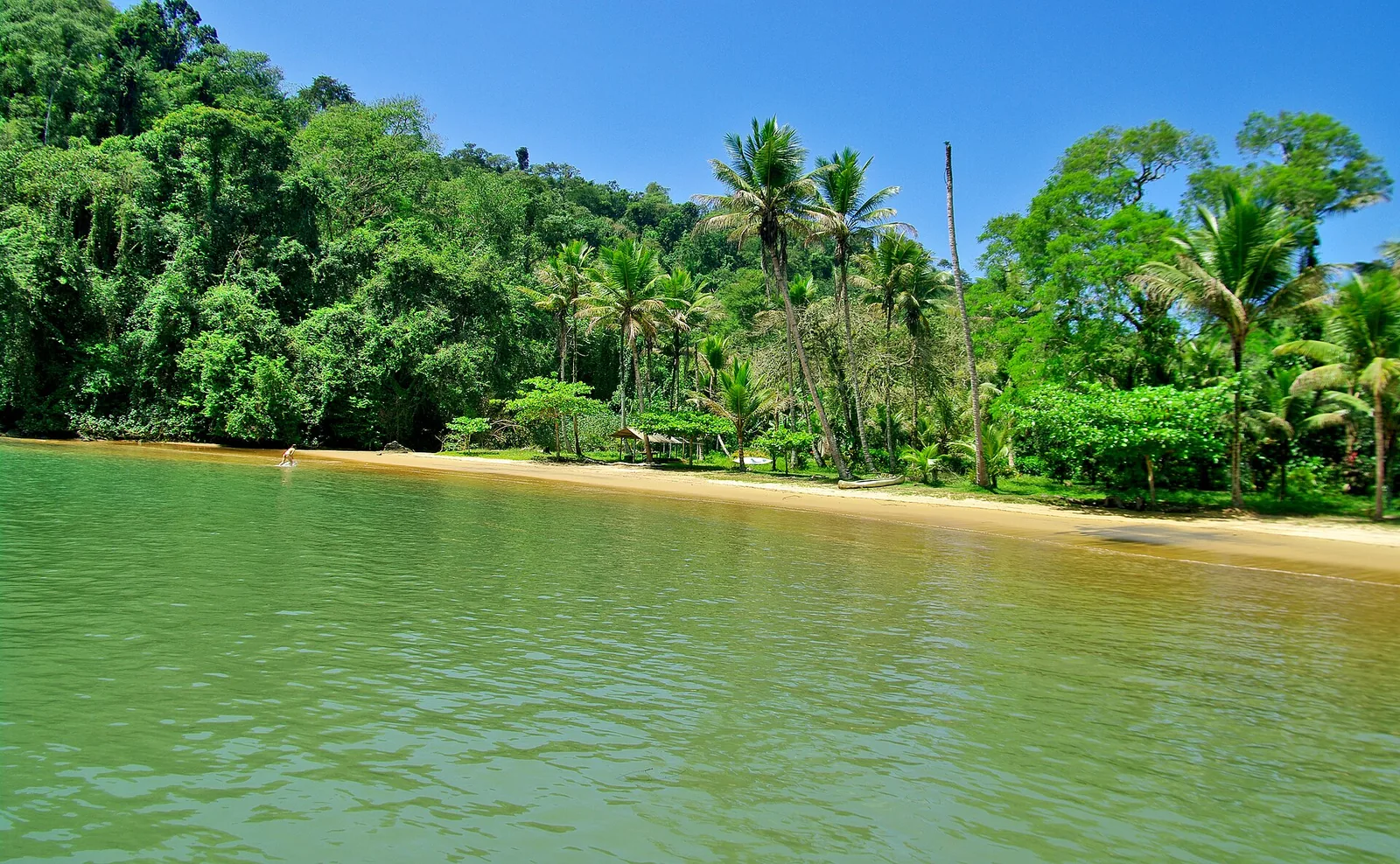
Let us be honest from the first line, because honesty serves you better than a sales pitch: Paraty is not the Caribbean. The water of the Costa Verde is warm and inviting, but it is green rather than electric blue, and the visibility, while often very good, is rarely the gin-clear forty metres of a reef postcard. If you arrive expecting Bonaire you will be a little let down. If you arrive expecting warm, green, fish-rich water in a setting of forested islands and quiet coves, you will be delighted, because that is exactly what you get, and it is lovely.
Set your expectations to warm, green and full of fish rather than to clear Caribbean blue, and the water here will exceed them rather than disappoint. The bay is sheltered, the swimming is easy, and the snorkelling at the right spots is genuinely good. Out in the wider Baía da Ilha Grande, toward Angra dos Reis, the diving is better still, with rock walls, caves and shipwrecks that draw divers from across Brazil. This guide covers the realistic underwater scene: how visibility changes through the year, the best places to snorkel, where to scuba dive and what level each site suits, the marine life you will actually meet, and how to do all of it responsibly so the next visitor sees the same abundance you did.
We host plenty of guests who love being in the water, and we would rather tell you the truth and have you arrive prepared than oversell and have you grumble. Done with the right expectations and on the right day, the snorkelling and diving here are a real highlight of a Paraty trip.
Snorkelling or diving: which is right for you
Before going further, it is worth being clear about which activity you are actually after, because they suit different people and the bay serves them differently. For most visitors to Paraty, snorkelling is the answer. The marine life here is concentrated in the shallows, exactly where a mask and snorkel put you, so you do not need to go deep to see the best of it. Snorkelling needs no training, no certification and almost no kit, you can do it from a boat or off a beach, it costs little or nothing, and children can join in. If you simply want to float over rocks and watch fish in warm, clear water, snorkelling delivers nearly everything the bay has to offer.
Diving is for those who want more: to go deeper, to stay down longer, to explore the wrecks and walls that snorkelling cannot reach, and to feel the particular calm of breathing underwater. It asks more of you, in time, money and, for the better sites, certification, and the best of it is not in Paraty's own bay but out around Ilha Grande. If you are already a diver, or you have always wanted to try, it is well worth doing. But do not feel you are missing out if you stick to snorkelling; in this particular bay, the gap between the two is smaller than it would be on a deep coral reef, because so much of the life is up in the shallows where snorkellers and divers alike can enjoy it.
Set your expectations to warm, green and full of fish rather than to clear Caribbean blue, and the water here will exceed them rather than disappoint.
What the water is really like: green, warm and seasonal
The defining fact of diving and snorkelling on this coast is that the water is green, not blue, and that is down to geography. The Costa Verde, the green coast, is backed by steep, forested mountains and fed by many rivers tumbling out of the Serra da Bocaina. All that fresh water and forest brings nutrients and fine sediment into the sea, which feeds an abundance of life and, at the same time, takes the edge off the clarity. The trade-off is worth understanding: it is precisely the green, productive water that makes the bay so full of fish. Crystal-clear water is often clear because it is comparatively empty.
Temperature is the easy part. The sea sits comfortably in the low to mid twenties Celsius for most of the year, warm enough that you rarely hesitate to get in and warm enough that a wetsuit is optional for snorkelling, though a thin one is welcome on a longer dive. You can be in the water in any season. There can be a degree or two of variation with depth and with the season, the surface warmer in summer and the deeper water cooler, but nowhere near the cold of a temperate dive; you are unlikely ever to be driven out by the temperature.
It also helps to picture what the bottom is actually like, because it sets the tone for everything you will see. This is not a coral coast in the tropical sense. There is some coral, but the underwater landscape is mostly rock, boulder fields and sand, with sponges, soft growths and seaweed clinging to the stone. The fish live around that rocky structure, in the cracks and overhangs and along the edges where rock meets sand. Once you understand that the action is at the rocks rather than over open sand, you snorkel and dive far more rewardingly, because you know where to look. The bay rewards the patient observer over the one who swims fast looking for something dramatic.
How visibility changes through the year
Visibility is where the seasons matter most, and it is the single biggest variable in whether you have a great water day or a murky one. On a good day after a run of dry weather, the inner bay clears to several metres and the snorkelling is excellent; out at the better Ilha Grande sites, visibility can reach well over ten metres. After heavy rain, though, the rivers pour sediment into the bay and the water clouds for a day or two, dropping visibility right down close to shore.
The practical conclusion is simple and worth repeating. The dry winter months, roughly June through August, give the clearest, most reliable water because there is the least runoff. The summer, December to March, is warmer and the swimming is glorious, but it is the wet season and a big downpour will fog the water for a day or so afterwards. Whatever the season, go in the water after it has been dry, and go in the morning, when the sea is calmest and has had the night to settle. If clear water matters to you, watch the forecast the way a diver does, and pick your day. Our guide to the best time to visit Paraty goes deeper into the seasonal patterns.
Snorkelling: the best spots in and around the bay
Snorkelling is the most accessible way into the underwater world here, and for most visitors it is all they need. You do not have to dive deep to enjoy this water; the life is concentrated in the shallows, over the rocks and around the islands, exactly where a mask and snorkel put you. Two places stand out above the rest, and both are easy to reach.
Ilha Comprida and the island circuit
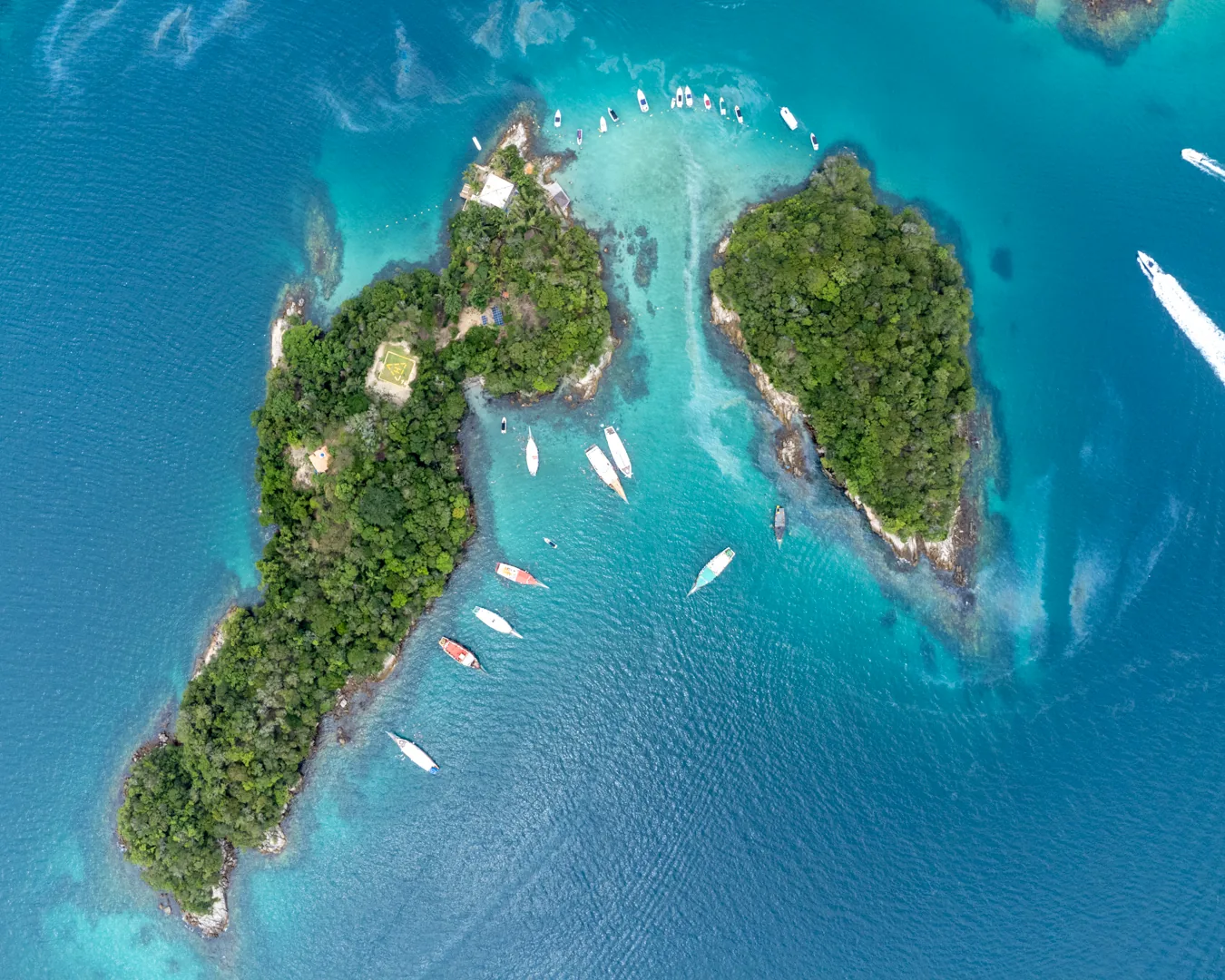
Ilha Comprida is the bay's reliable snorkelling stop, which is why nearly every boat on the standard island circuit visits it. Locals call it the bay's natural aquarium, and the name is earned: you drift over rock and sand in a couple of metres of clear water, and shoals of small fish gather close. It is shallow, calm and easy, suitable for complete beginners and children, and on a clear day the abundance of fish is genuinely impressive. Other coves on the circuit offer similar, quieter snorkelling over rocky bottoms.
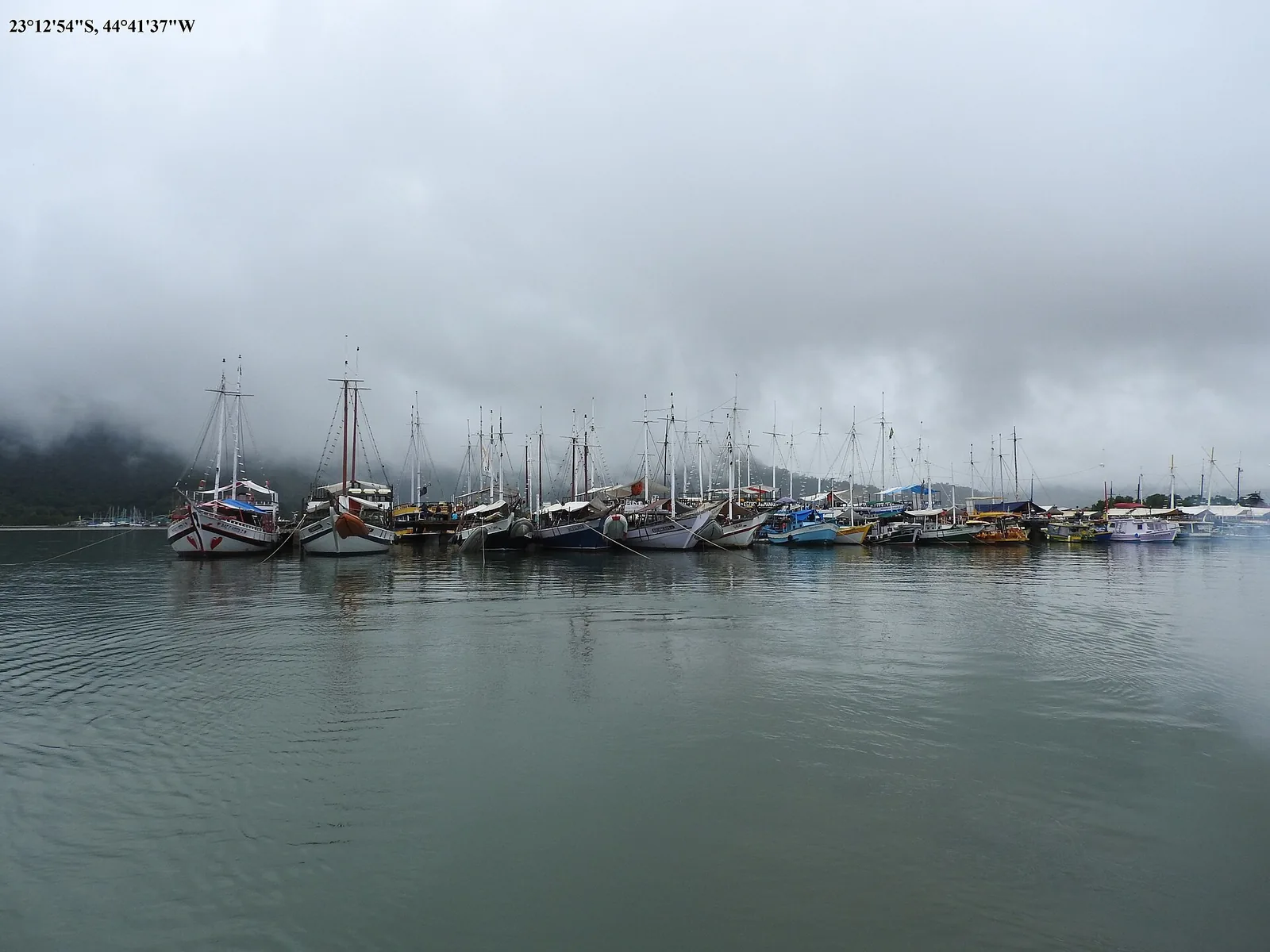
The catch is the crowd. Ilha Comprida is popular precisely because it is good, and around the middle of the day several boats can converge there at once. The fix is timing: get there early, before the day schooners arrive, which a private boat or an early start allows. The whole island circuit, and how to choose your boat to make the most of the snorkelling, is covered in our guide to Paraty by boat, and the boat day is the natural way to combine snorkelling with a day out on the water.
The natural pool at Trindade
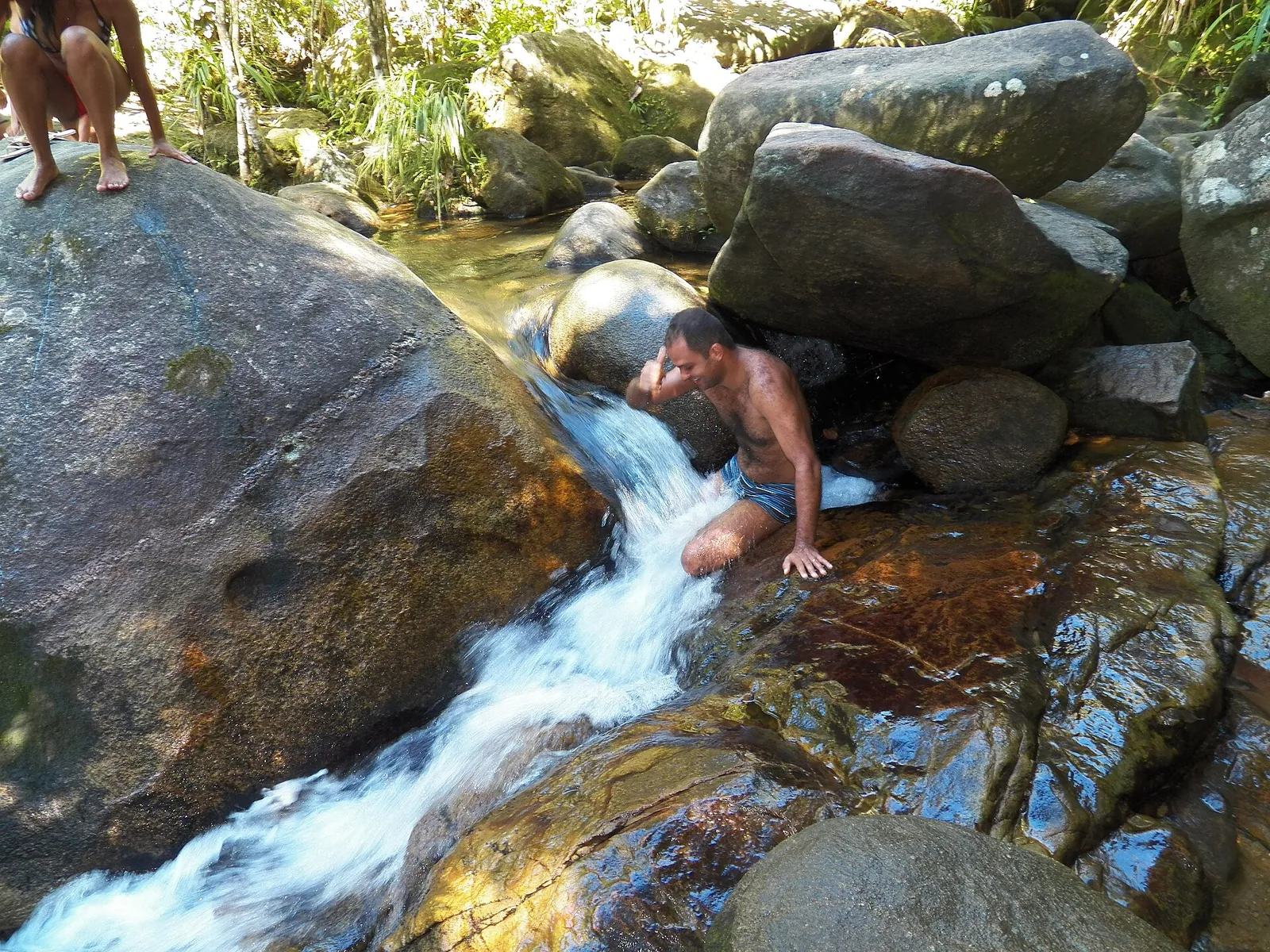
The other standout is on land, or nearly so. At Trindade, the lively beach village south of Paraty, a short walk or a five-minute boat hop brings you to the Piscina Natural do Cachadaço, a natural pool where a barrier of large rocks calms the open sea into a shallow, sheltered basin. The water inside is clear and rarely more than a metre or so deep, and it teems with colourful small fish, with starfish and other life on the bottom. It is one of the best easy snorkelling spots in the whole region, perfect for families and for anyone who wants the fish without the boat.
A word of advice on timing, because it is the difference between a magical visit and a frustrating one. The pool is no secret, and on sunny weekends and holidays it gets very busy, which both crowds the water and stirs it up. Go on a weekday, go early, and you may have it close to yourself. The walk in passes the other Trindade beaches and is lovely in its own right; we cover the village, the pool and the walk in full in our guide to Trindade.
The pool is reached either on a short, easy trail of about half an hour from the Trindade beaches, passing the Praia do Meio and the Praia do Cachadaço, or by a five-minute boat hop from the village beaches for a small fee, which is the kind option on a hot day or with children. The pool itself is shallow, mostly no more than waist to chest deep, and ringed by big rocks that take the force out of the open sea, so it is about as safe and gentle a place to put your face in the water as exists on this coast. It is genuinely one of the best easy snorkelling experiences in Brazil, the rare spot where the postcard idea of a natural aquarium turns out to be true. The only enemy is the crowd, so the whole game is timing your visit to avoid it.
Tips for better snorkelling anywhere here
- Bring your own mask if you care about fit. The shared gear on boats is basic and one-size; a mask that seals well transforms the experience.
- Go early, go after dry weather. Calm, clear water beats murky, choppy water every time, and the morning gives you both.
- Look over rocks, not open sand. The fish gather around structure, so the best snorkelling is along the edges of rocks and reefs, not over bare bottom.
- Do not feed the fish. It is tempting and it is everywhere, but it harms them and unbalances the spot. Watch, do not feed.
- Wear a rash vest. You will be face-down in strong sun for a long time, and your back burns before you notice.
Scuba diving in Paraty and toward Ilha Grande
If snorkelling whets your appetite, the diving here is worth pursuing, with the honest caveat that the best of it is not in Paraty's own inner bay but out in the wider Baía da Ilha Grande, a boat ride to the northeast toward Angra dos Reis. That larger bay is the region's real diving ground, and it is where serious divers head. The sheltered, shallow sites closer to Paraty are better suited to a first try than to a memorable dive.
The sites around Ilha Grande
Ilha Grande is the heart of diving on the Costa Verde, and it offers something for every level within a short boat ride of its main beaches. A few sites come up again and again:
- Lagoa Azul — a sheltered, shallow bay with calm, clear water and a bottom of rock, coral and sponge. It is the classic spot for a first dive or for snorkelling, with parrotfish, urchins and starfish and usually good visibility. Easy and reliable.
- Jorge Grego — a more open site near a small island, good for recreational diving without strong currents, where you may see larger fish moving through.
- The Pinguino wreck — a Brazilian Navy ship sunk in the 1960s, now an artificial reef colonised by groupers, moray eels and clouds of sergeant majors. It is the region's signature wreck dive and a favourite of certified divers, manageable in depth but best with good buoyancy control.
- Praia Vermelha and other shallow points — gentle sites with abundant fish life, recommended for beginners and for building confidence.
Reaching these usually means a dedicated trip out toward Ilha Grande or Angra, rather than diving directly from Paraty. The wider region of Angra dos Reis and the island itself are where the dive operators and the best sites cluster, and a day built around diving there can be combined with seeing the island. If you are weighing up a visit, our Ilha Grande day trip guide is the place to start.
Beginner discover-scuba versus certified dives
You do not need to be a qualified diver to try scuba here, which is one of the nicest things about the region for the curious. Operators run a discover-scuba or beginner dive, where a qualified instructor gives you a short briefing and then takes you down in shallow, calm, sheltered water, holding your hand through the whole thing. There is no certification required and no commitment beyond the session, and the warm, calm water of this coast is about as gentle a place to try it as exists. For many guests, a first breath underwater here becomes the start of a lifelong habit.
If you are already certified, you can join guided dives at the deeper, more interesting sites, the walls, caves and wrecks around Ilha Grande, where the diving rewards experience and good buoyancy. Bring your certification card and log, and be honest with the operator about how recently you have dived; if it has been a while, a refresher in shallow water first is sensible. Either way, the water is forgiving and the operators are used to mixed-ability groups.
There is also a middle path worth knowing about for the genuinely keen. If you find that a discover-scuba session lights a fire in you, the calm, warm, sheltered water of this coast is an excellent place to do a full entry-level certification course, the kind that takes a few days and leaves you qualified to dive anywhere in the world. Several operators in the wider region run these courses, mixing classroom theory, confined-water practice and open-water dives. It is a real commitment of time on what might be a short holiday, so it is not for everyone, but a handful of our guests have come for a beach trip and left as certified divers, and none has regretted it. If diving is something you have always meant to get around to, there are far worse places to start than the gentle bays of the Costa Verde.
A note on operators and safety
Because dive operators come and go and change hands, we describe by type rather than naming a particular business, the same approach we take throughout these guides. When you choose one, a few simple checks protect you. Look for an operator affiliated with a recognised international training agency, ask to see that their equipment is well maintained and serviced, and pay attention to whether they brief properly and keep group sizes sensible. A good operator will ask you questions too, about your health, your experience and when you last dived, and will not let you do something beyond your level. If anything feels rushed or careless, walk away; there is always another boat. Diving here is safe and well run on the whole, but the responsibility for choosing a careful operator rests partly with you, and it is worth a few minutes of due diligence before you put your trust in someone underwater.
One firm rule that catches people out: do not fly within roughly a day of diving. If your trip ends with a flight out of the region, plan your diving for early in your stay rather than the day before you leave, to give your body time to off-gas safely. Build the dive days into the front of your trip and the worry disappears.
The marine life you will actually see
Setting realistic expectations about marine life is the kindest thing a guide can do, so here is the honest picture. This is not big-animal diving. You will not be surrounded by sharks or mantas or great schools of pelagics. What you will see, in abundance, is the smaller, richer life of a productive temperate-to-tropical coast, and once you tune into it there is a great deal to enjoy.
Snorkelling the shallows, you will meet shoals of small reef and rocky-shore fish: parrotfish nibbling at the rock, sergeant majors in their black-and-yellow stripes, wrasse, damselfish and many others. On the bottom there are sea urchins, starfish and the occasional crab, and in the cracks of the rocks, if you look, a moray eel's head. Diving the better sites, the cast grows: larger fish, the occasional ray gliding over the sand, groupers hanging in the shadow of a wreck, and, with luck and patience, a sea turtle. Sightings of turtles and dolphins are a bonus rather than a guarantee; treat them as a gift when they come.
The pleasure here is in the abundance and variety of the smaller life rather than in any single headline creature. A patient half-hour over a good rocky stretch will show you more than a hurried tick-list dive elsewhere. Slow down, hover, and let the life come to you.
A particular treat, when conditions allow, is the chance of company from dolphins or, more rarely, a sea turtle. Spinner and bottlenose dolphins do pass through the wider bay, and there are few finer moments on the water than seeing a pod arc past the boat. Sea turtles graze the seagrass and rocky bottoms in places, and meeting one underwater is unforgettable. Neither is a sure thing, so do not book a trip on the promise of them; treat them as the bonus that makes a good day a great one. If you do encounter either, keep your distance, do not chase or touch, and let the animal set the terms. They are wild, and the privilege is in being allowed to watch them be wild.
Gear: what to bring and what is provided
The kit question is simple for snorkelling and a little more involved for diving. For snorkelling, the boats and most operators provide a basic mask, snorkel and sometimes fins, and for a quick stop that is fine. But the shared gear is one-size and often well-worn, and a mask that does not seal lets water in and ruins the experience. If you snorkel at all regularly, bring your own mask and snorkel; they pack small, they cost little, and a mask that fits your face turns a frustrating splash into a clear, comfortable hour in the water. Fins are nice but not essential in the calm, shallow stops here, and they are bulky to travel with, so most people manage without their own.
A few other things make snorkelling better and safer. A rash vest or thin long-sleeved top protects your back from the sun, which burns fast when you are face-down for an hour, and saves you slathering more sunscreen into the water. Reef-safe sunscreen for any skin you cannot cover. A waterproof pouch or cheap underwater housing for your phone, because you will want photos and the colours are best in the bright shallows. And for the deeper, longer dives, the operator provides everything, the tanks, weights, regulator, buoyancy gear and a wetsuit; you need bring nothing but your certification card and your logbook, plus honesty about your recent experience. If you wear glasses, ask the dive operator about a prescription mask, as some carry a range.
Responsible and reef-safe practice
This coast is beautiful because, for the most part, it has been looked after, and a few simple habits from every visitor keep it that way. None of this is onerous; it is just the basic courtesy of a guest in someone else's home. Much of this stretch of coast lies within protected areas, marine and forest reserves that exist precisely because this environment is both rich and fragile, and the abundance of life you came to see depends entirely on people treating it gently. The good news is that the rules are mostly common sense, and following them costs you nothing while it preserves the very thing that makes a day in this water worthwhile.
- Wear reef-safe sunscreen. Ordinary sunscreens contain chemicals that harm marine life, and you will be shedding them straight into shallow water full of it. Choose a mineral, reef-safe formula, and where you can, cover up with a rash vest instead of slathering on more cream.
- Touch nothing, take nothing. Do not stand on, hold or kick the rocks and coral, do not pick up starfish for a photo, and leave shells where they lie. What looks sturdy is often alive and fragile.
- Do not feed the fish. It changes their behaviour, harms their health and unbalances the spot. The fish are plentiful precisely because the system is healthy; keep it that way.
- Mind your fins and your buoyancy. A careless fin-kick raises clouds of sediment and breaks living things. Good buoyancy is not just good style, it is good stewardship.
- Carry out your rubbish. Nothing goes in the water, and what comes ashore comes home with you, especially in the protected reserves along this coast.
The caiçara communities and the protected reserves of this coast have kept it intact against the odds. Snorkel and dive lightly, and you leave it as you found it for the next person and for the people who live by it.
How to build a water day from the hill
For guests staying up above the bay, the water days slot neatly into a Paraty trip, and the height of a hillside base only sharpens the pleasure of them. The pattern is the same as for any boat day: come down to the harbour in the morning, head out to the snorkelling stops or the dive sites while the water is calm and clear, and climb back up in the afternoon. The contrast is the reward, a morning with your face in green water full of fish, and an evening looking down on the same bay from a quiet pool as the light goes. There is a quiet satisfaction in lying by the pool at the chalet in the evening, looking out over the very stretch of water you spent the morning exploring beneath the surface, and knowing the bay from both above and below.
A few suggestions for putting it together well. Pair a snorkelling-focused boat day on the island circuit with a separate, gentler day at the Trindade pool, so you get both the boat and the easy land-based fish. If anyone in the group is keen to dive, build a dedicated day around Ilha Grande, where the proper sites are, rather than expecting to dive from Paraty itself. And whatever you plan, hold it loosely against the weather, going on the dry, calm days and saving the murky ones for the town, the waterfalls or the historic centre. Our overview of how to explore Paraty helps you slot the water days among everything else, and the tours page covers the boats themselves.
We are always glad to help guests sort the right boat, the right operator and the right day for being in the water, and to read the forecast with you so you go when the sea is at its best. It is one of the genuine highlights of staying here, the bay below the house turning out to be just as good beneath the surface as it is from above. Tell us what you are after, whether it is an easy float over the fish with the children or a proper dive on a wreck, and we will point you the right way. Do get in touch, and we will help you make the most of the water that makes this coast what it is.
The verdict: honest, and enthusiastic
So, to bring it back to where we started. Is the diving and snorkelling in Paraty world-class? No, not by the measure of the great coral reefs of the world, and anyone who tells you otherwise is selling something. The water is green, the visibility is good rather than astonishing, and the marine life is abundant in the small rather than dramatic in the large. If your heart is set on crystal blue and big animals, this is not the trip for that, and it is kinder to say so plainly.
But ask the better question, which is whether being in this water is worth your time, and the answer is an easy yes. There are few finer ways to spend a morning than drifting over the rocks at Ilha Comprida with fish all around you, or floating in the warm, still aquarium at Trindade while the open sea breaks harmlessly on the rocks a few metres away, or, for divers, hanging over the Pinguino wreck as groupers slide out of the shadows. It is warm, it is gentle, it is set against a backdrop of forested islands that few reef destinations can match, and it is right there below the house. Come with the right expectations and the right day, and the water of the Costa Verde will give you more than you came for. That, in the end, is the best thing any honest guide can promise.
Frequently asked questions
Yes, if you set your expectations right. This is warm, green, fish-rich water rather than clear tropical blue. The best snorkelling is at sheltered rocky stops on the boat circuit, especially Ilha Comprida, and at the natural pool in Trindade, where shoals of small fish gather in shallow, calm water. On a clear day after dry weather it is genuinely rewarding.
Variable. On a good day after dry weather you can see several metres clearly; out in the wider Ilha Grande bay, visibility can reach well over ten metres at the best sites. After heavy rain, river runoff clouds the inner bay and visibility drops for a day or two, so it pays to snorkel and dive when it has been dry.
Two stand out. Ilha Comprida, on the standard schooner circuit, is the bay's reliable snorkelling stop, known locally as a natural aquarium. The natural pool at Trindade, the Piscina Natural do Cachadaço, is a shallow rock-protected pool where colourful small fish are easy to see with just a mask.
Yes. Calm sheltered sites in the bay are good for beginners and for a first try, and the region's best diving is out around Ilha Grande, a short boat ride toward Angra dos Reis, where there are rock walls, caves and shipwrecks for certified divers. Operators run both beginner discover-scuba sessions and dives for those already certified.
Realistically: lots of small reef and rocky-shore fish, parrotfish, sergeant majors, wrasse and the like, plus urchins, starfish and the occasional moray eel. At the better sites you may see larger fish, rays and, with luck, a sea turtle. This is not big-animal diving, but the smaller life is abundant and easy to enjoy.
The dry winter months, roughly June through August, give the clearest water because there is less river runoff. Summer brings warmer water but more rain, which clouds the bay. Whatever the season, mornings are calmest and clearest. Go after a run of dry days for the best visibility.
No. Operators offer a discover-scuba or beginner dive, where an instructor takes you down in shallow, calm water with no certification needed, ideal for a first try. If you are already certified you can join guided dives at the deeper, more interesting sites around Ilha Grande.