In this guide
Paraty rewards people who slow down, and nowhere is that clearer than at the table. This is a small colonial port on the Costa Verde, wedged between the Serra da Bocaina and a bay scattered with islands, and it has been feeding travellers since the days when gold and cachaça moved through its harbour. What has changed in the last two decades is ambition. UNESCO named Paraty a Creative City of Gastronomy, and a handful of kitchens here now cook with the confidence and precision you would expect in a much larger city, while keeping their feet in local waters and local farms, and fine dining in Paraty has quietly become a reason to visit in its own right.
If you are planning fine dining in Paraty for an anniversary, a honeymoon, a milestone birthday or simply a night that deserves more than a plate of grilled fish by the water, this guide is meant to help you plan it well. It covers what the upper end of the town actually offers, how tasting menus and chef's tables work here, when to book and how far ahead, what to drink, and how to build an evening that feels like an occasion rather than a scramble for a table.
I write this as a host, not a critic. We look after guests at a hillside chalet above the bay, and the questions we field most often are the practical ones: where do we go for our last night, can we get a table during the festival, is it worth the drive, what do we wear. So I will describe the dining scene honestly and by type, name the trade-offs, and leave the specific restaurant choice to you and your own taste, which is where it belongs.
_(51338403464).jpg)
What fine dining in Paraty actually means
Set your expectations correctly and you will enjoy the evening far more. Paraty is not a city of white-glove formality, tasting rooms with tweezers and forty covers a night. The best kitchens here are small, often family-run, and housed in three-hundred-year-old buildings on cobbled streets that flood at high tide. Fine dining in this town means serious cooking in an unserious setting: a chef who trained in São Paulo or Rio plating a nine-course menu in a candlelit colonial room with a garden out the back and a caipirinha sweating on the table in front of you.
That informality is the point, not a shortcoming. You can arrive in linen and sandals and be perfectly dressed. The refinement lives in the food and the sourcing rather than in the dress code or the number of glasses on the table. What you are paying for at the top end is intent: menus built around what the boats brought in that morning, sauces reduced properly, produce from named farms in the mountains behind town, and a kitchen that has thought hard about how a meal should unfold.
Broadly, the upper tier of the town sorts into a few kinds of evening. There are the contemporary Brazilian kitchens that reinterpret caiçara coastal cooking through a modern lens. There are the seafood houses near the harbour that do one thing, fresh fish and shellfish, and do it beautifully. There are the intimate rooms that run a set tasting menu and turn dinner into a two or three hour sitting. And there are private and chef's-table formats, where the meal is cooked more or less for you. Knowing which you want makes booking much easier.
Fine dining in this town means serious cooking in an unserious setting: a nine-course menu in a candlelit colonial room, with a caipirinha sweating on the table in front of you.
The caiçara table, reinterpreted
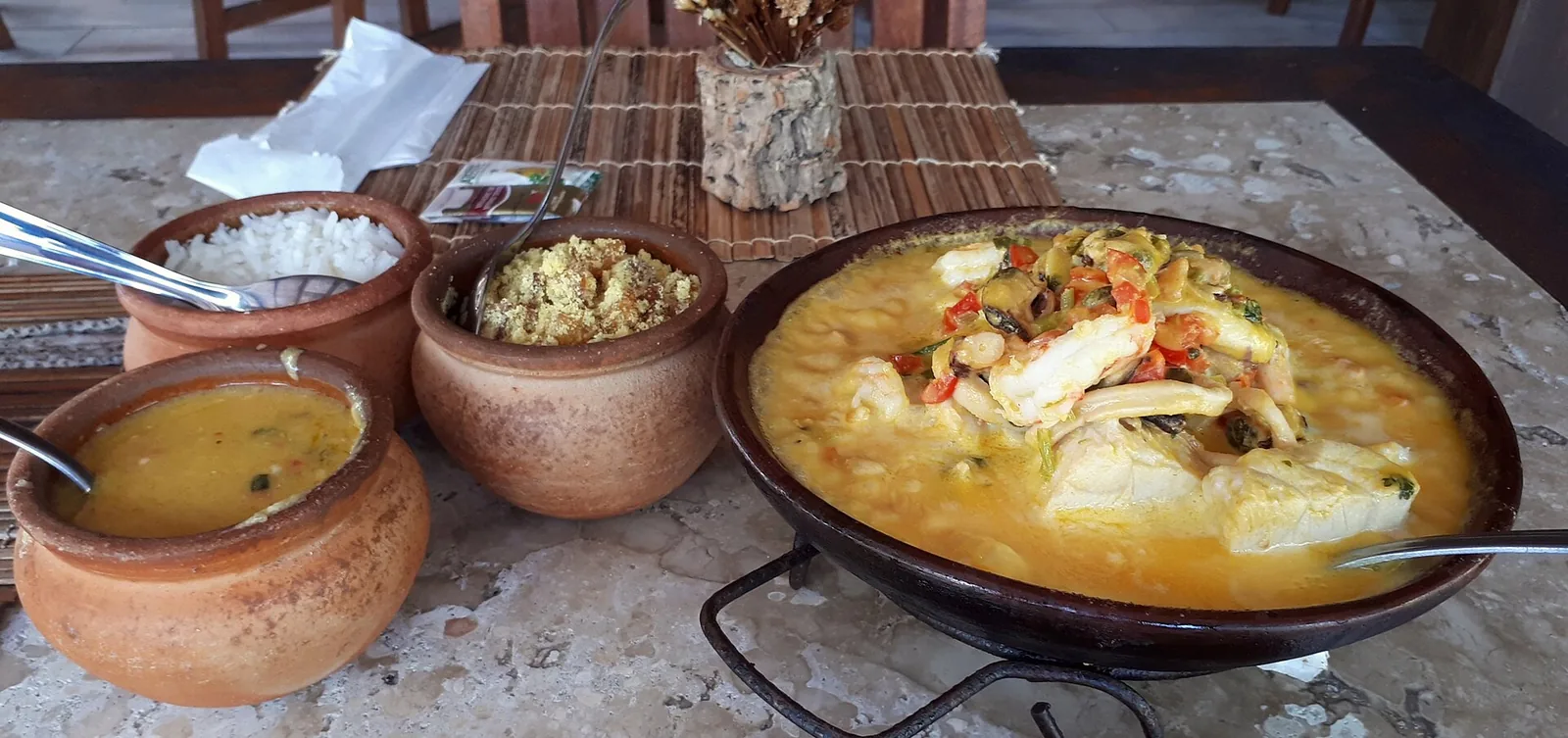
To understand the ambitious cooking here you have to understand caiçara cuisine, the food of the traditional coastal communities who fished these bays and farmed cassava and banana in the forest behind the beaches. It is a cuisine of the sea and the Atlantic Forest: fish, prawns, squid and octopus; cassava in every form from flour to purée; green banana; palm heart; and a generous hand with fresh coriander, lime and dendê palm oil. The signature local dish is fish served with banana, which sounds odd to a first-timer and makes complete sense by the second bite.
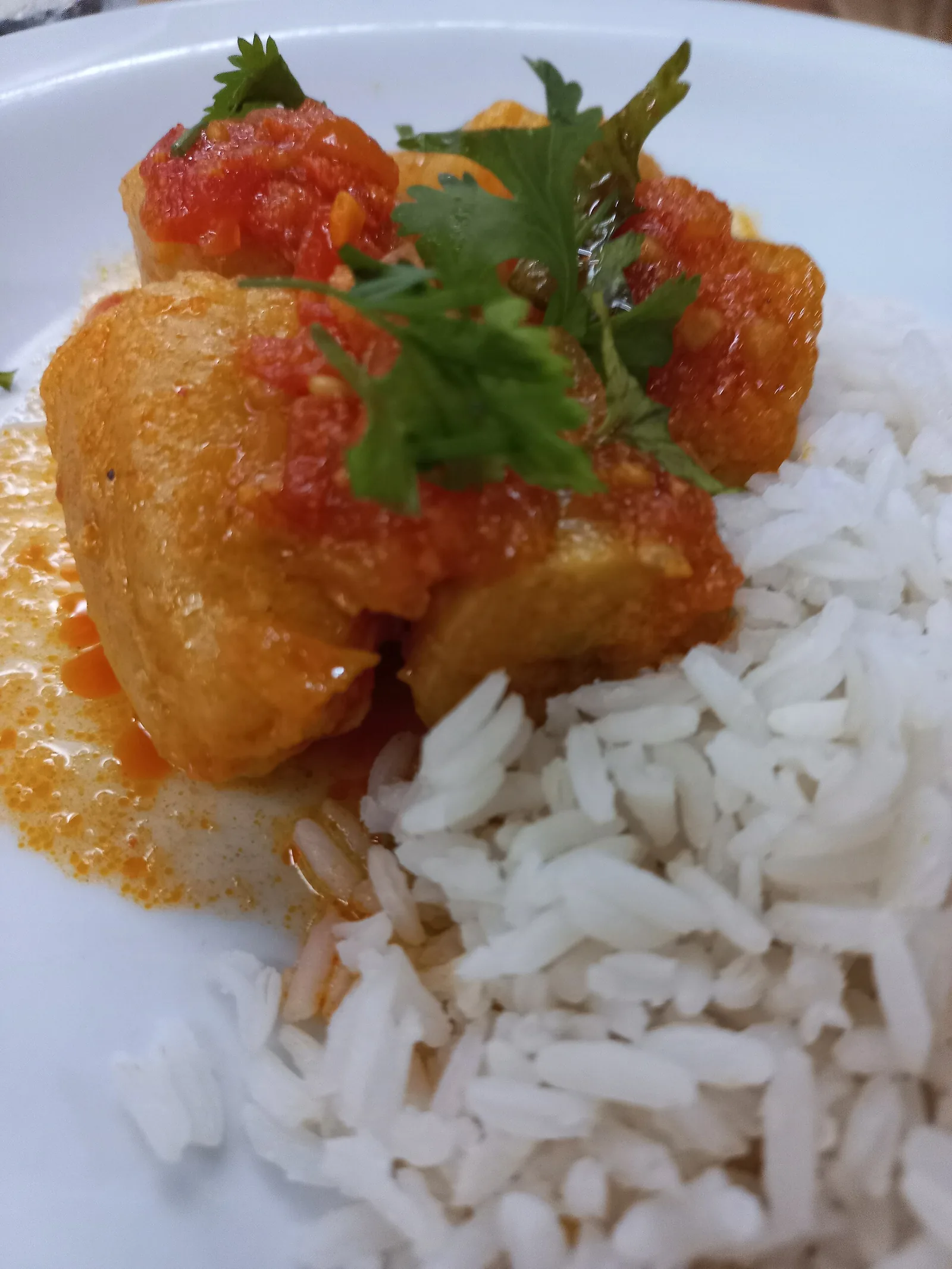
The town's better contemporary kitchens take this larder and refine it. A moqueca, the coconut-and-palm-oil seafood stew that is one of Brazil's great dishes, might arrive deconstructed or plated with unusual precision rather than bubbling in the traditional clay pot. Squid comes stuffed and paired with risotto. Green banana turns up as ravioli. Cassava is treated the way an Italian kitchen treats polenta. The through-line is respect for the ingredient and the tradition, dressed up with technique learned elsewhere.
What makes this cooking distinctly of the place is the forest as much as the sea. Paraty backs onto one of the largest remaining stretches of Atlantic Forest in the country, and the kitchens that shop well pull from it: palm heart cut fresh, wild greens, native fruits like cambuci and juçara, and honey from stingless bees. When a menu reads like a map of the mountains and the bay behind the restaurant, you are in the right room. When it reads like it could be printed anywhere, you are not.
What to look for on a modern menu
When you sit down at one of these places, a few things signal that the kitchen is cooking seriously rather than trading on the setting. Look for a short menu that changes with the catch, an obvious pride in local sourcing, and dishes that name their origins. If the menu leans on the classics done well rather than a long list of everything, that is usually a good sign.
- Fish of the day, named: robalo (snook), badejo (grouper), or whatever came off the boats that morning, rather than a generic "grilled fish".
- Palm heart from the forest: pupunha or juçara, fresh rather than tinned, is a marker of a kitchen that shops locally.
- Cassava and green banana treated with care: as purée, gnocchi, chips or crisped, not just a side of plain rice.
- A dessert that uses local fruit: cupuaçu, banana, cambuci or cocoa from the region rather than an imported cheesecake.
For a deeper look at the ingredients and the wider national picture, our journal on Brazilian gastronomy is a good companion to this piece, and the town's everyday eating options are covered in our broader Paraty restaurants guide for the nights you want something simpler.

Seafood at the top end
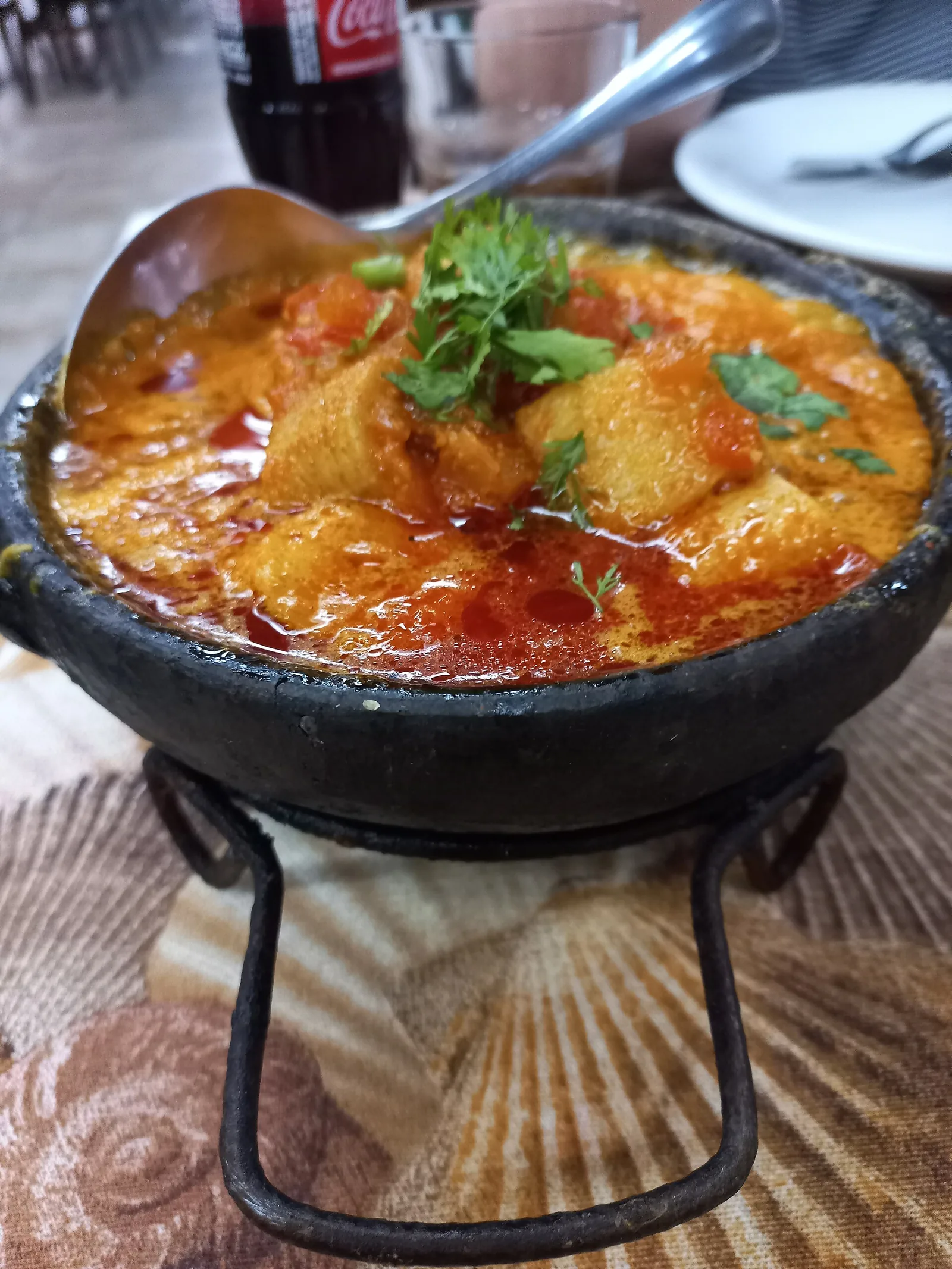
If your idea of a special dinner is the freshest possible seafood rather than a long tasting menu, Paraty is built for you. The harbour end of the historic centre and the streets around the old pier hold a cluster of seafood houses, some of them with tables set out where you can watch the tide come up over the cobbles at sunset. This is coastal Brazil at its most direct: prawns the size of your thumb, whole grilled fish, moqueca for two in a clay pot, octopus cooked until it gives.
The best of these kitchens are not cheap, and they should not be. Paying a fair price for a whole fish that was swimming that morning, grilled simply and served with a proper pirão or a plate of garlic rice, is one of the quiet luxuries of this coast. A few of the more refined seafood rooms add a Mediterranean accent, olive oil and herbs alongside the dendê and coriander, which suits the produce and lightens the plate.
My honest advice on seafood: order what is local and in season, ask what the boats brought, and do not over-order. Portions here are generous, and a shared whole fish with a couple of starters and a bottle of something cold is a better evening than four elaborate courses each. If you are staying with us, this is often the meal guests build their last night around, an unhurried sunset dinner by the water before the drive back up the hill.
Lunch, dinner, and where the good tables really are
A question worth settling before you plan: are you eating your big meal at lunch or at dinner? In Brazil the midday meal is traditionally the larger one, and in Paraty a serious lunch has real advantages. The light is beautiful on the harbour, the historic centre is quieter than at night, prices at some kitchens are gentler, and you keep the evening free for a slow drink and an early night after a day on the water. For a couple who has been up since dawn for a boat trip, a long lunch and a light supper often beats the reverse.
That said, the town comes into its own after dark. Dinner in the lantern-lit old town, with the streets closed to cars and the sound of a live choro or samba drifting out of a bar, is the version most people picture and it deserves the billing. My honest suggestion for a week here is to do one of each: build your milestone dinner as an evening event, and slot a relaxed, ambitious lunch somewhere in the middle of the trip so the good cooking is not crammed into a single night.
Geographically, the concentration of top kitchens is inside the pedestrian historic centre, but not all of it. A handful of the more interesting places sit just outside the grid, on the roads toward the beaches or up in the greener edges of town, trading a harbour view for a garden and a little more space. These are worth the short taxi ride, and they are often easier to book than the marquee names in the centre. If you are willing to travel ten minutes for your table, your options widen considerably.

Tasting menus and the chef's table
The most memorable dinners in Paraty tend to be the ones where you hand over control. A growing number of the town's small kitchens run a set tasting menu, usually somewhere between five and nine courses, built around the day's market and the chef's mood. You sit for two to three hours, the plates come in sequence, and the kitchen decides the arc of the evening. For an anniversary or a honeymoon this is the format I steer people towards, because it turns dinner into the event itself rather than a stop on the way to something else.
How chef's tables work here
A true chef's table, a seat at or beside the pass where the chef cooks and talks you through the courses, is a rarer thing in a town this size, but it does exist in a handful of the smaller rooms. Because the kitchens are tiny, these seats are limited, sometimes to a single party a night, and they book out first. If a chef's table is the experience you want, treat it as the anchor of your trip and reserve it before you finalise anything else, then plan the rest of your days around that one evening.
There is also a distinctly Paraty version of the format: cooking experiences and hosted dinners where the meal is combined with a class or a demonstration, walking you through caiçara ingredients and technique before you sit down to eat what has been prepared. These are wonderful for a couple who like to cook, or a small group who want something more involved than a restaurant booking, and they are almost always private.
Private dining and dinners at the chalet
Some of the most relaxed high-end evenings happen away from any restaurant. A private chef who cooks in your kitchen, using the morning's catch and produce from the mountain farms, is a genuinely luxurious way to spend a special night, especially for a group who would rather not coordinate a table and a drive. From our terrace above the bay, with the lights of Paraty below and the islands going dark on the water, a chef-cooked dinner at home is hard to beat. If that appeals, tell us early and we can point you toward the people who do it well; a note through our contact page is the place to start.
What to drink: wine, cachaça and the caipirinha
Brazil is not a major wine producer at the level most visitors know, so the better restaurants here build their lists around imports, chiefly Argentine and Chilean reds, Portuguese whites and reds given the colonial connection, and a growing number of surprisingly good Brazilian sparkling wines from the south, which pair beautifully with seafood. Expect fair but not bargain pricing; wine carries a heavy import duty in Brazil, so a bottle costs more than it would at home. If the budget matters, a Brazilian sparkling or an Argentine white is usually the smart, well-priced choice.
Cachaça, properly understood
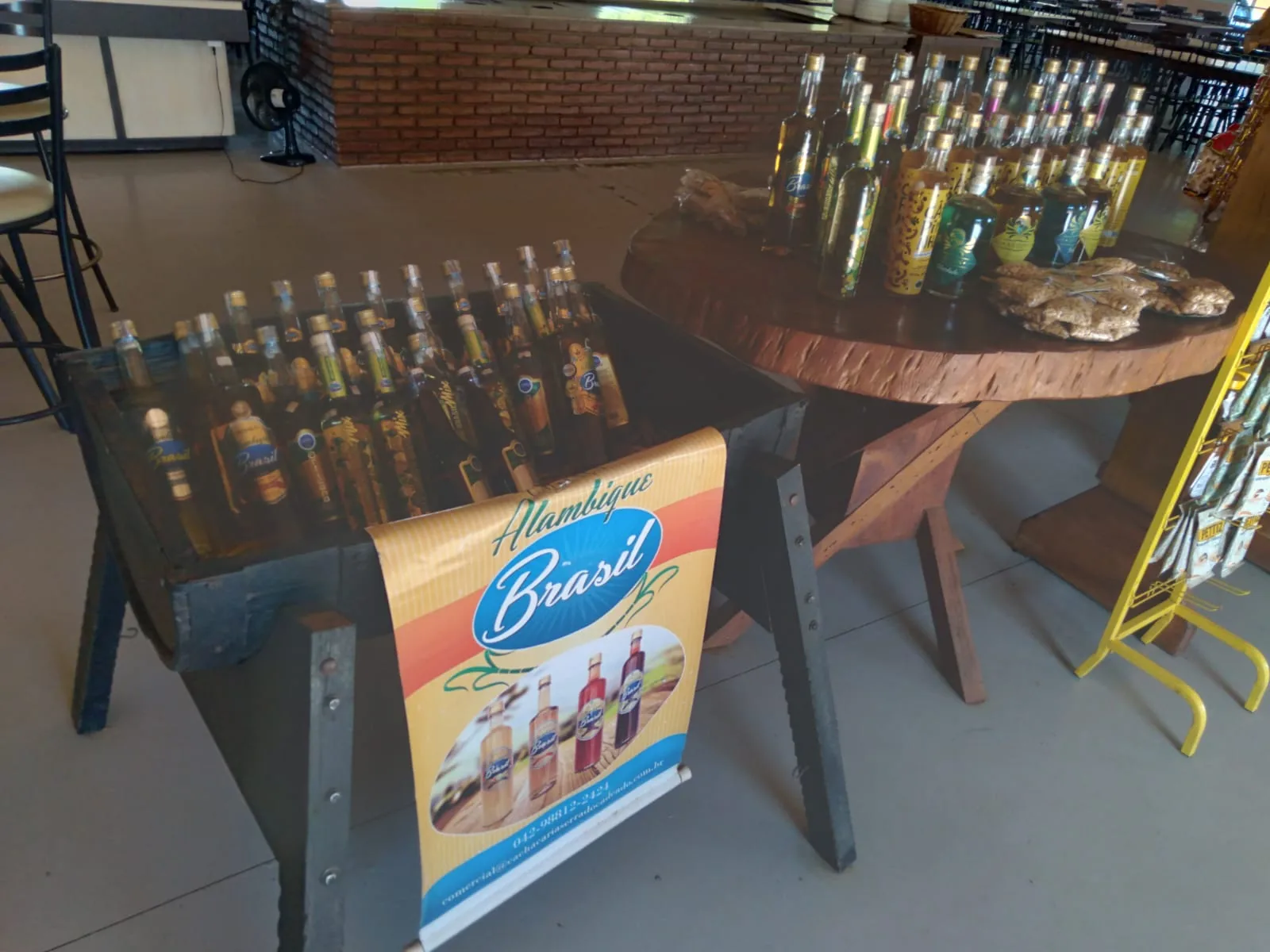
Paraty's real drinking heritage is cachaça, the sugarcane spirit that the town has distilled since the eighteenth century; the local version is good enough that in colonial times "paraty" was simply another word for the drink. The distilleries in the hills around town produce artisanal cachaças that bear no resemblance to the harsh industrial stuff, and the best restaurants keep a proper selection. Ask for a flight of aged cachaças after dinner the way you might ask for a whisky or an aged rum, and you will taste why this place is serious about it.
The caipirinha, cachaça muddled with lime and sugar over ice, is the national cocktail and it is made properly everywhere here. A good one, with a decent artisanal cachaça rather than the cheapest bottle, is a different drink entirely. Our journal piece on cachaça and caipirinha culture goes deeper, and if you want to see where it is made, the cachaça distilleries guide maps out the ones you can visit on an afternoon before dinner.

When to go, and the festival factor
Timing shapes everything about a fine-dining trip to Paraty, both the weather and the pressure on tables. The town has distinct seasons and one enormous event that changes the whole equation, and planning around them is the difference between a relaxed booking and a locked-out evening.
The seasons at the table
The Brazilian summer, roughly December to February, is high season: hot, humid, busy, and prone to afternoon rain. The restaurants are at full tilt and the town is lively, but you will be booking well ahead and sharing the streets with crowds. The cooler, drier months from about April to June and again in late winter are, in my view, the best time for a food-focused trip: kitchens are relaxed, tables are easier, produce is good, and the evenings are comfortable for a long dinner. Our guide to the best time to visit Paraty lays out the trade-offs month by month.
FLIP and the festival calendar
Once a year the town hosts FLIP, the Festa Literária Internacional de Paraty, one of Latin America's most important literary festivals. For a few days, usually in the cooler part of the year, Paraty fills with writers, publishers and readers, and every good table in the historic centre is spoken for weeks in advance. If you want to be here for FLIP, and it is a wonderful time to be, book your restaurants the moment you book your travel. If you are coming purely for a quiet romantic dinner, you may prefer to avoid those specific dates entirely. The town also keeps a full calendar of religious and cultural festivals, notably the Festa do Divino, which our FLIP and festivals guide covers in full.
Booking ahead: how far, and how
This is the single most common mistake I see. People arrive in Paraty imagining they will wander the cobbled streets and drop into whatever looks good. For a casual lunch that works fine. For the town's best tables, on a weekend, in high season, or anywhere near FLIP, it does not. The serious kitchens are small, and the seats fill.
Here is how I would approach it, in rough order of how far ahead you need to move:
- Chef's tables and set tasting menus: reserve as far ahead as you can, several weeks at minimum, longer for festival dates. These are the scarcest seats in town.
- The marquee contemporary kitchens on a weekend: a week or two ahead in normal season, more in summer. A Friday or Saturday walk-in is optimistic.
- Seafood houses and mid-week dinners: a day or two ahead is usually enough outside peak periods, though a call in the morning never hurts.
- Anything during FLIP: the moment your dates are fixed. Everything books out.
Practically, most reservations happen by phone or WhatsApp rather than a slick online system, and many kitchens speak enough English to handle a booking, though a few words of Portuguese or a note typed and translated goes a long way. If you are staying with us, this is exactly the kind of thing we are happy to help arrange; part of the point of a hosted stay is that you do not have to wrangle a foreign phone line for a table. Ask us and we will make the calls.

Special occasions: anniversaries, honeymoons and proposals
A large share of the fine-dining bookings we help with are for a specific reason: an anniversary, a honeymoon, a proposal, a big birthday. Paraty is a genuinely romantic town, colonial, walkable, lit by lanterns at night, and it lends itself to these evenings if you plan with a little intention.
For a proposal, the two formats that work best are a private chef dinner somewhere with a view, where you control the timing entirely, or a booked chef's table where the kitchen is in on the plan. A crowded restaurant on a Saturday is harder to choreograph. Tell whoever is cooking what the night is for; kitchens here are warm and will quietly do something to mark it. For honeymooners, I usually suggest anchoring the trip with one big tasting-menu night and keeping the rest loose, sunset seafood one evening, a simple caiçara lunch another, so the special dinner stands out rather than blurring into a week of heavy meals.
One more thing on occasions: dietary needs and surprises both travel better when you warn the kitchen. If someone in the party is vegetarian, or allergic to shellfish in a town that runs on it, a heads-up when you book means the chef can plan rather than improvise around it on the night. And if you are hiding a cake, a ring or a photographer, tell them quietly in advance; small kitchens in a small town are very good at keeping a secret and setting a scene, but only if they know it is coming.
We have hosted our share of these. A couple we looked after last autumn built their entire anniversary week around a single nine-course dinner in the old town, and spent the rest of their days doing very little except swimming and watching the bay from the deck. That is the shape of trip I would recommend to almost anyone marking an occasion here. If romance is the whole point of the visit, our Paraty honeymoon guide and the romantic getaway guide go further into planning the days around the dinners.
The setting: dining in the historic centre
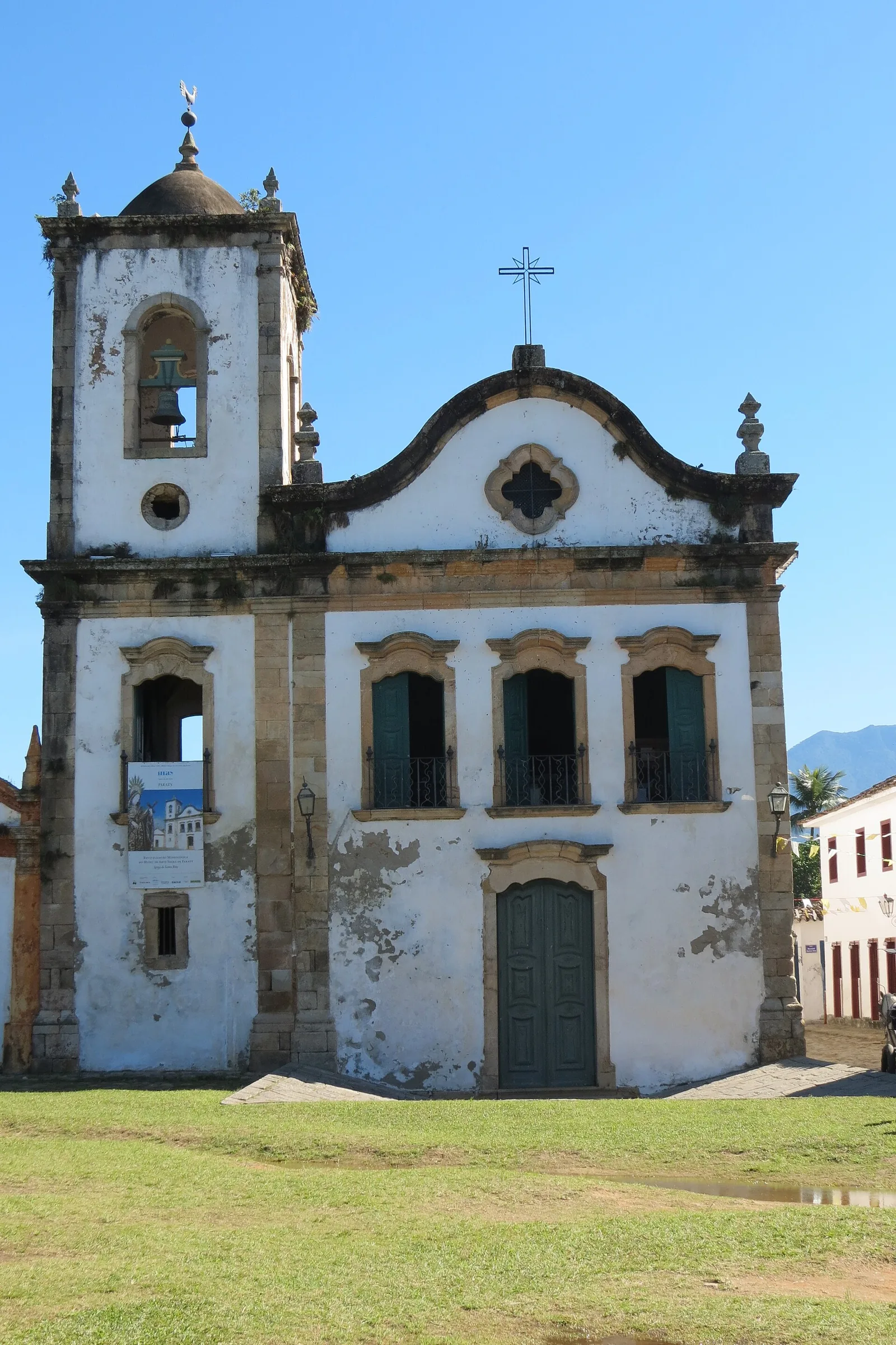
Almost all of the town's best restaurants sit within the pedestrian historic centre, a grid of eighteenth-century streets paved with irregular stones the locals call pé de moleque, closed to cars, and lit at night in a way that has barely changed in two hundred years. Eating here is inseparable from the setting. You walk to dinner past whitewashed houses with brightly painted window frames, church bells mark the hour, and at the harbour end the sea slides up over the cobbles at high tide.
Two practical notes about those famous stones. First, they are beautiful and genuinely difficult to walk on, uneven, and slippery when wet, so leave the high heels at home and wear something flat and sure-footed. Second, the historic centre floods gently at the highest tides, by design, the streets were built to let the sea flush them clean, so it is worth checking the tide if you have a particular restaurant in mind on a full-moon evening. Our historic centre guide explains the layout and the best way to wander it before and after dinner.
Getting there and back from the chalet
One advantage of dining in a town this compact is that logistics are simple, but they are worth thinking through, especially the drive home after a bottle of wine. The historic centre is closed to traffic, so wherever you are staying you will park at the edge and walk in. From most of the pousadas in and around town it is a short stroll. From a house up in the hills, like ours, it is a ten to fifteen minute drive down to the edge of the old town and a two-minute walk to your table.
The obvious implication is transport. If you are drinking, do not drive; Brazil enforces a strict zero-tolerance alcohol limit, and it is not worth the risk. Options are a local taxi, a ride-hailing app where coverage exists, or a driver arranged in advance, which is what most of our guests do for a big dinner: down to the town relaxed, and home again without anyone watching their glass. If you are weighing where to base yourself for a trip like this, our notes on choosing a luxury villa in Paraty cover the difference between staying in the town and staying above it.
Building an evening around the chalet
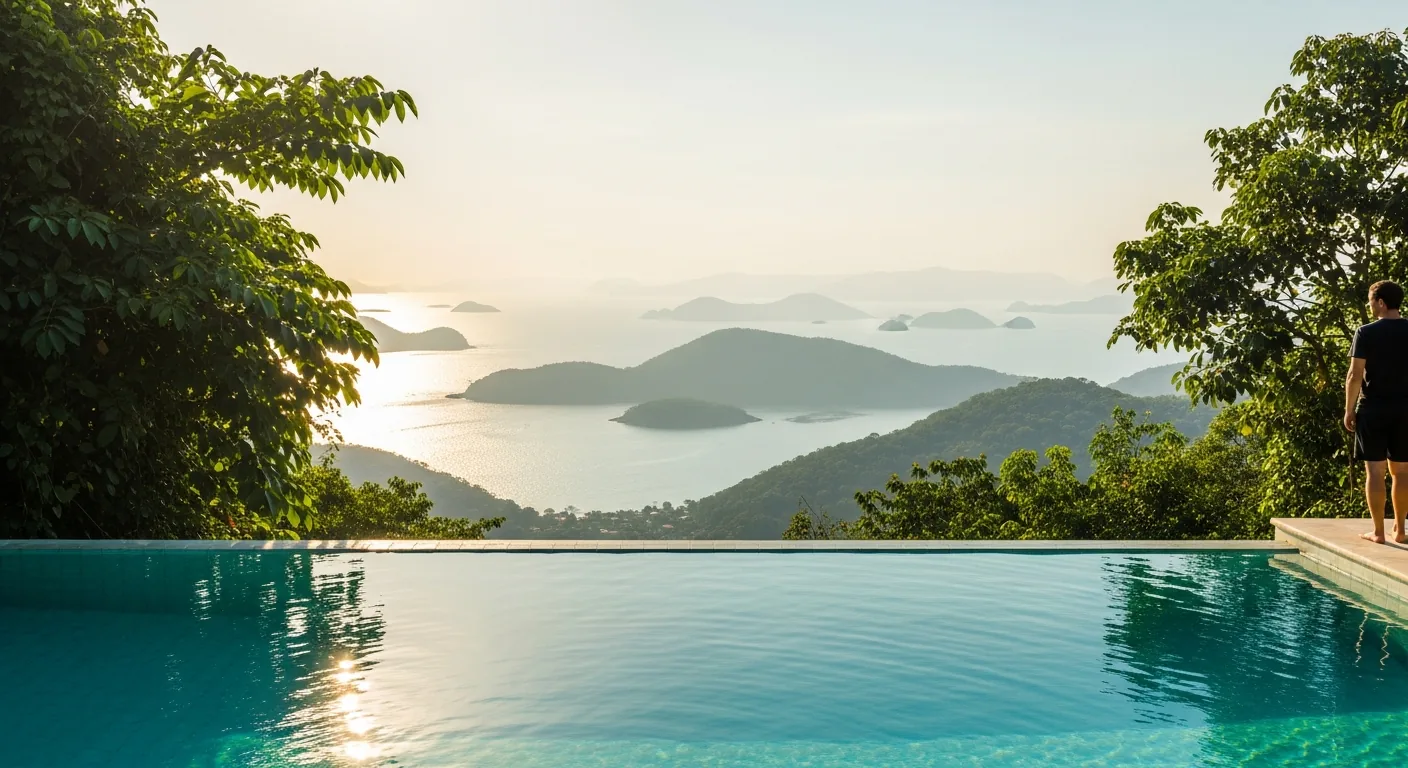
The version of a Paraty food trip I would sell you, if I were selling anything, is not a march from restaurant to restaurant. It is a rhythm. You spend the day out on the water or up a waterfall trail, come back to the chalet for a swim in the infinity pool as the light goes long, sit on the deck with a cold drink and the three-way view of Paraty, Angra dos Reis and Ilha Grande laid out below you, then change and drive down into the old town for dinner. The meal is better for the day behind it, and the day is better for having a proper dinner to end it. A day on the bay earns the tasting menu; the tasting menu gives the day a real ending, an evening you sat down for on purpose rather than a scramble back to a hotel buffet.
Sitting four hundred metres above the bay changes the whole tempo. There is no rush to see everything, because the view does a lot of the work, and dinner becomes the deliberate centre of the evening rather than one more thing crammed into a busy day. Guests tell us the pattern they settle into fastest is exactly this: active mornings, slow afternoons by the pool, unhurried dinners in town. For ideas on filling the daylight hours around your dinners, our explore Paraty overview and the Paraty itineraries guide are the places to start.
A few honest trade-offs
No guide is worth much if it only tells you the good parts, so here are the caveats I would want a friend to know. Paraty's fine dining is very good but it is not deep; this is a small town, and the number of genuinely top-tier kitchens is limited, so on a busy weekend you are competing for the same handful of tables as everyone else. Plan accordingly.
Prices at the top end are real. A serious dinner for two with wine will cost what a good dinner costs anywhere, and imported wine pushes it higher, so if value is your priority, drink Brazilian sparkling or cachaça and spend on the food. Service runs on Brazilian time, warm, unhurried and not built for people in a rush; a tasting menu is an evening, not a quick bite, and trying to hurry it misses the point. And the setting, for all its charm, is genuinely rustic underfoot, old stones, occasional flooding, the odd power flicker in a storm, so come with the right expectations and the right shoes.
And a small point on tipping: a service charge of around ten percent is usually added to the bill in Brazil, and it is customary to leave it; anything beyond that is generous rather than expected. None of that should put you off. Managed with a little planning, an evening at the top of Paraty's table is one of the real pleasures of this coast, and the fact that it comes without pretension is exactly why people who have eaten everywhere keep coming back here.
Planning your dinners with us
If you are staying at the chalet, the easiest way to get your special dinners right is to tell us what you are marking and roughly when, and let us help with the bookings and the driver. We are not a restaurant and we do not take a cut; we simply know the town, know which kitchens suit which occasion, and would rather you spent your evening at the table than on the phone. Reach us through the contact page and we will point you in the right direction well before you arrive.
Paraty is a place that gives its best to people who let it set the pace. Come with your dinners booked, your good shoes on, and a couple of long afternoons by the pool in between, and the town will feed you as well as anywhere on this coast, quietly and without fuss, which is precisely how the best luxury feels.
Frequently asked questions
Paraty's best kitchens are small, often family-run, and set in three-hundred-year-old colonial buildings in the pedestrian old town. The refinement is in the food and sourcing rather than in formality — expect serious contemporary Brazilian cooking in a relaxed, candlelit setting where linen and sandals are perfectly appropriate.
Yes, for the top tables. Chef's tables and set tasting menus can book out weeks ahead, and the marquee restaurants fill on weekends and in high summer. Casual lunches are easy to walk into, but for a special dinner reserve as early as you can — and far ahead if you are visiting during the FLIP literary festival.
Paraty is a UNESCO Creative City of Gastronomy known for caiçara cuisine — the coastal cooking of fish, prawns, squid, cassava and green banana. The signature dish is fish served with banana, and moqueca, the coconut-and-palm-oil seafood stew, appears on most menus. The town is also famous for artisanal cachaça.
Yes. A growing number of small kitchens run set tasting menus of roughly five to nine courses, and a few offer a true chef's table or hosted cooking-and-dinner experiences. Seats are very limited because the kitchens are tiny, so book these first and plan the rest of your trip around the reservation.
Smart-casual is right everywhere, even at the best restaurants — linen, a nice shirt, sandals or flat shoes. Skip the heels: the historic centre is paved with large, uneven cobblestones that are slippery when wet and genuinely hard to walk on. Comfortable, flat footwear matters more than dressing up.
Restaurants lean on imported Argentine, Chilean and Portuguese wines, plus increasingly good Brazilian sparkling that suits seafood. Wine carries heavy import duty, so it is not cheap. The smarter local choice is cachaça — order a flight of aged artisanal bottles after dinner, or a properly made caipirinha with a good cachaça rather than the cheapest one.
Yes, and it is one of the most relaxed high-end options. A private chef can cook in your rental using the day's catch and produce from the mountain farms — ideal for a proposal, a group, or a special night with a view. If you are staying at a villa above the bay, ask your host to help arrange it in advance.