In this guide
Most people come to Paraty with too little time and too long a list. They have read about the thousand islands in the bay, the colonial streets that flood at the full moon, the waterfalls in the hills, the cachaça distilleries, the far beaches reachable only by boat or on foot. Then they arrive on a Friday night and leave on a Sunday afternoon, and they try to do all of it at once. It never works.
So here is the honest version. You can spend a genuinely good 48 hours in Paraty — the kind of weekend you talk about afterwards — if you accept one simple idea up front: two days buys you two things, not ten. Give one day to the water and one day to the town and the falls. Eat well. Swim in the afternoons. Do not drive yourself ragged chasing every beach on the map. This plan is built for weekenders coming down from Rio de Janeiro or São Paulo, and for travellers from abroad tacking Paraty onto a wider Brazil trip, and it is timed from a hillside base above the bay — the sort of place you come back to for a swim before dinner rather than a hotel room you only sleep in.
Two days is not enough to know Paraty. It is exactly enough to fall for it, and to know you will come back. Here is how to spend it.

Why 48 hours in Paraty works — if you keep it simple
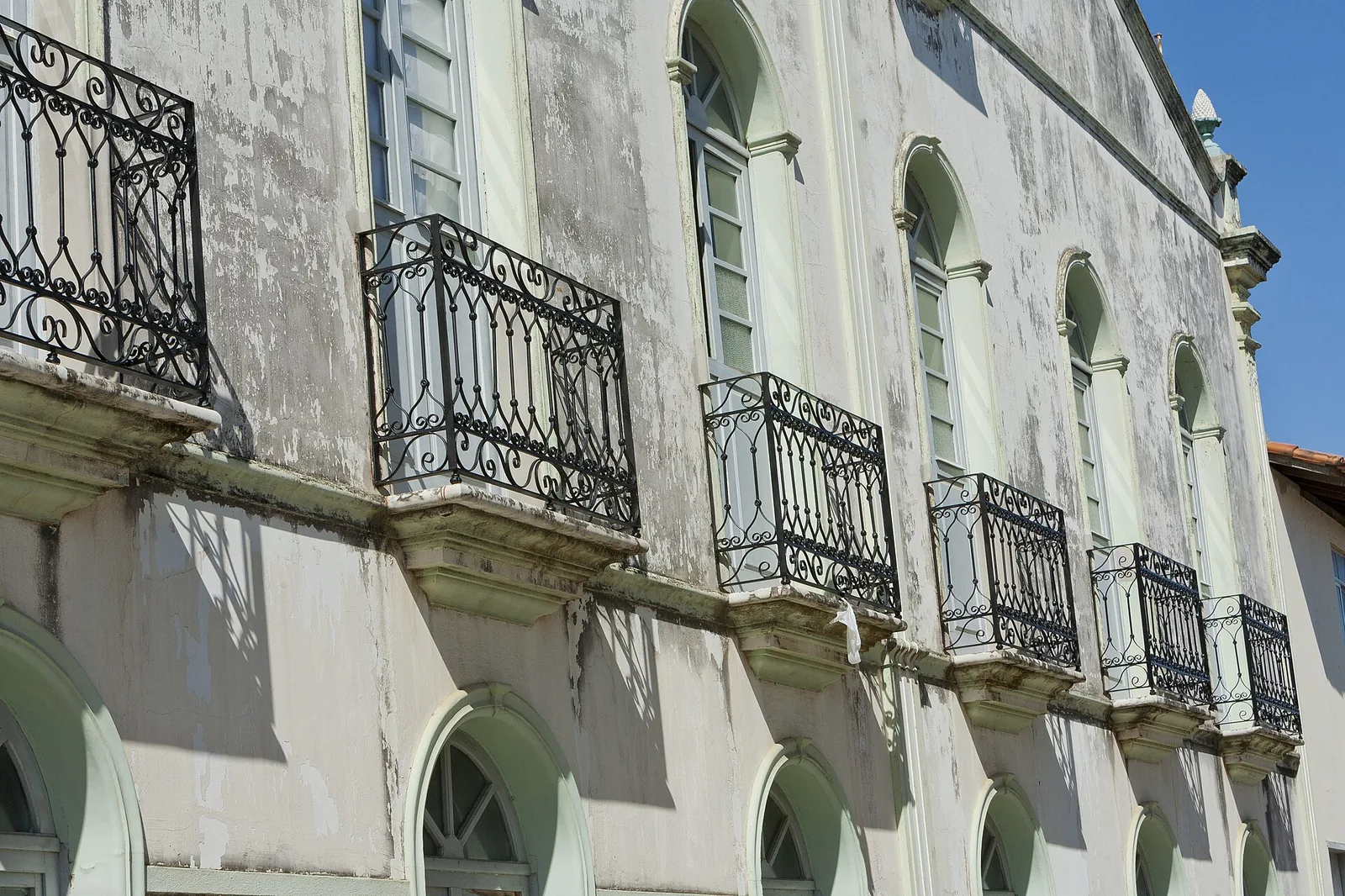
Paraty rewards restraint. The town itself is tiny: the historic centre is a grid of maybe a dozen car-free streets, walkable end to end in fifteen minutes. Everything else — the good stuff — is spread out around it. The bay opens to the south and west, scattered with islands and quiet coves. The hills rise steeply to the north, green and wet, cut through with rivers and waterfalls. The distilleries sit in the valleys. The far beaches, Trindade and the Saco do Mamanguá among them, need a boat or a hike and a half-day each.
You cannot see all of that in two days, and trying to is the classic mistake. What you can do, comfortably, is pick the two best experiences and do them properly. A full day on a boat in the bay is unimprovable — it is the thing Paraty does better than almost anywhere on the Brazilian coast. A day that pairs the historic centre with a forest waterfall gives you the town's soul and the mountains' cool water in one loop. That is the spine of this itinerary: one boat day, one town-and-falls day, and both evenings kept loose.
The other reason 48 hours works here is the drive. Paraty is close enough to both big cities to be a real weekend, and far enough to feel like a proper change of air. From Rio it is about four hours; from São Paulo about five or six. You lose half a day getting in and half a day getting out, which leaves you two clean days in the middle. Plan those two days well and you will not feel short-changed.
Two days is not enough to know Paraty, but it is exactly enough to fall for it — one day given to the water, one to the streets, and every evening to the pool.
Getting there: from Rio, from São Paulo, from abroad
Paraty sits on the Costa Verde, the green coast that runs between Rio de Janeiro and São Paulo state, and it is reached by the coastal BR-101 highway. There is a small local airport, but scheduled commercial flights are limited, so nearly everyone arrives by road.
Coming from Rio de Janeiro
From Rio it is roughly 250 kilometres and about four to four-and-a-half hours of driving, west along the coast through Angra dos Reis. The road is scenic and mostly good, though it narrows and winds in places, and rain can slow it down, so give yourself margin rather than planning a tight arrival. Intercity buses run the same route in around four and a half to five hours and are comfortable, but once in Paraty you will want a car or taxis for the second day. If you are flying into Rio from abroad, either of the city's airports works; pick up a car there and drive down, ideally in daylight for the coastal views. For a fuller breakdown of the routes and the transfer options, our note on getting around the Costa Verde lays it out.
Coming from São Paulo
From the city of São Paulo you are looking at about 300 kilometres and five to six hours, dropping off the plateau and down the Serra do Mar on winding mountain roads before you reach the coast road. It is a beautiful descent but not one to rush in the dark or the wet. Many paulistas leave Friday after work and arrive late; if that is you, factor the extra time and take the mountain section carefully. Ubatuba, just over the state line in São Paulo, is the last big town before Paraty and a natural place to break the drive if you need one.
Coming from abroad
If you are arriving on an international trip, Paraty pairs naturally with a few days in Rio, and the two-day plan below slots neatly into a longer loop. Fly into Rio, spend your city days there, then drive or transfer down for the weekend and continue on. Bring or rent a car for the Paraty portion — the historic centre is walkable, but the waterfalls, the distilleries and any hillside base are not. A little Portuguese helps in the valleys and at the smaller establishments, though the town itself is well used to visitors.

Where to base yourself for two days
Where you sleep shapes the whole weekend, more than people expect. Stay in the middle of the historic centre and you are steps from dinner but hemmed in — no view, no pool, and the sound of the bars until late. Stay on a distant beach and you spend your two days driving in and out. The sweet spot, for a short trip built around a boat day and a town day, is a private base in the hills just above town: close enough to be in the historic centre in a few minutes, high enough to have quiet, air and a real view.
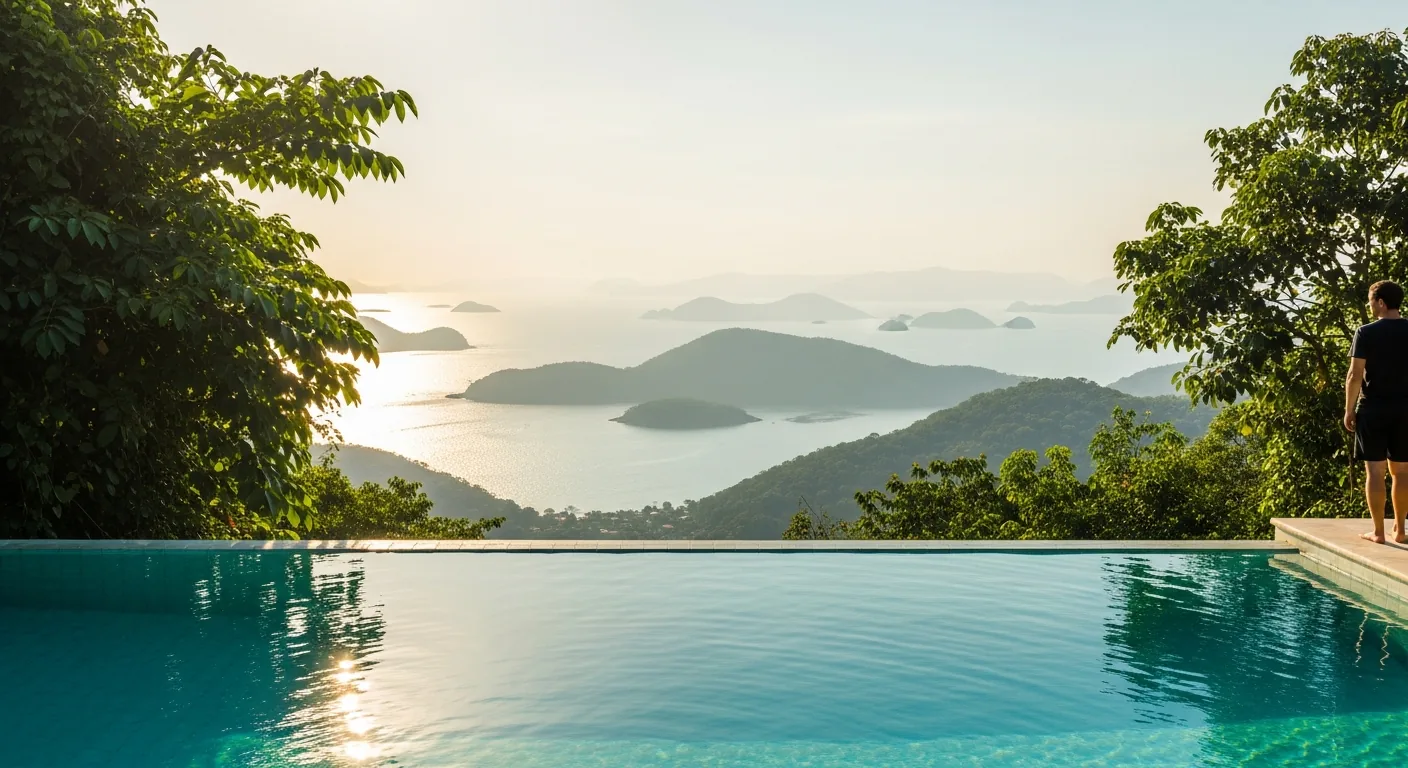
That is exactly what the chalet is — a hillside house set about 400 metres above the water, with an infinity pool on a deck that looks out over three things at once: Paraty and its bay in the foreground, Angra dos Reis away to the east, and the long green wall of Ilha Grande beyond. On a two-day trip that height earns its keep twice a day. You come back from the boat salt-tired and slide straight into the pool with the whole bay laid out below you. You come back from the waterfalls and do it again. The town is a short drive down for dinner, and the drive back up at the end of the night takes you out of the noise and into the dark and the frogs. For how a hillside base changes the rhythm of a Paraty stay, our piece on choosing a private villa in Paraty goes deeper.
Whatever you choose, pick a base with somewhere to swim that is not the sea. After a long boat day and a hot town day, the ability to cool off at home, on your own terms, is the difference between an easy weekend and a tiring one.
Day One: the bay by boat
Give your first full day to the water. The bay in front of Paraty is the reason the town is on anyone's list — hundreds of small islands, calm green channels, coves you can only reach from the sea, water warm enough to stay in for an hour. A day out here is the single best thing you will do in 48 hours, and it sets the tone for everything after.
Morning: getting out on the water
Boats leave from the harbour at the edge of the historic centre through the morning. You have two broad choices, and they suit different moods. The classic is a slow wooden schooner — a broad, unhurried boat that carries a crowd, makes a handful of stops of about an hour each for swimming and snorkelling, and usually serves a simple lunch on board. It is sociable, cheap and easy, and the pace is gentle. The alternative is a small private boat you hire for the day, which lets you set your own route, skip the busier anchorages and reach the quieter coves — more money, far more freedom, and the better call if you are a couple or a small group who would rather choose their own stops. Our full breakdown of the options, the routes and roughly what to pay is in the guide to Paraty boat tours.
Whichever you take, aim to be on the water by mid-morning. Book the boat for the day the forecast looks best — this is the one part of the weekend that genuinely depends on weather, and it is worth being flexible about which day is your boat day and which is your town day. If the sky is right, go; if it is grey and blowing, swap the days and take the town.
Midday: coves, snorkelling and lunch
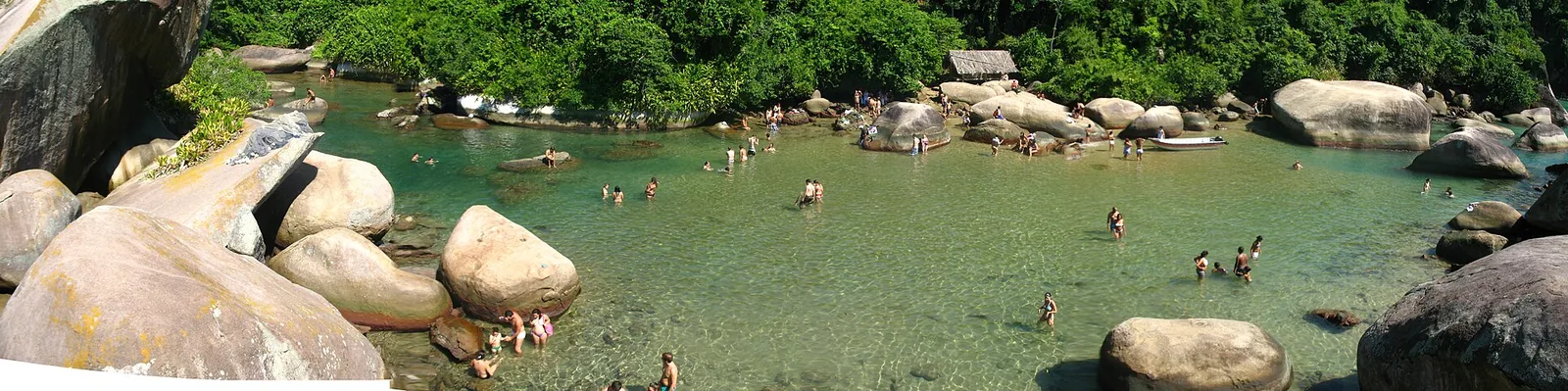
The bay's appeal is how quickly it goes quiet once you are past the first island or two. The boats work a rotating set of anchorages — a different route most days — dropping into sheltered coves where you can swim off the back, snorkel over reef and rock, and see clear water and reef fish without going far. Bring a mask if you have one; rentals on board are hit and miss. There are little floating bars and beach kiosks at some of the stops selling caipirinhas and cold coconuts, and part of the pleasure is doing very little between swims.
Lunch is either on the boat or at one of the island beach restaurants, depending on your trip. Expect grilled or fried fish, rice, beans and salad, simple and good, eaten with your feet still sandy. If you are on a private boat you can time lunch to land at a beach you like rather than wherever the schooner happens to be.
Islands, Angra and the edge of Ilha Grande
Paraty's bay runs east into the wider Baía da Ilha Grande, the great sheltered bay shared with Angra dos Reis and its many islands, with Ilha Grande — the largest island in Rio de Janeiro state — closing the horizon to the south. Most single-day boat trips from Paraty stay in the near waters and do not reach Ilha Grande itself, which is really its own day or its own overnight. That is fine for a 48-hour trip; you get the calm coves and the island scatter without a long crossing. If the island pulls at you, save it for a return visit — the Ilha Grande day trip guide explains why it deserves more than a squeezed afternoon, and the complete Ilha Grande guide covers a proper stay. From the deck of the chalet you will see the whole sweep of it in the evening light, which is a good way to plan the next trip.
Late afternoon: home for a swim
Come back in by mid-to-late afternoon. This is where the hillside base pays off. Instead of trailing back to a hotel room with sand in your bag, you drive up, drop the towels, and get into the pool while the sun goes down behind the islands. The salt washes off, the light does its thing over the bay, and you are in no hurry to be anywhere. Rest here for an hour or two before going back down for dinner. A boat day is more tiring than it sounds — sun, salt and sea air — and the swim-and-slow-evening rhythm is what keeps two full days from wearing you out.

Evening in the historic centre
Go down into the old town after dark on your first night. The historic centre of Paraty was laid out in the eighteenth century and is a UNESCO World Heritage Site, and its irregular stone streets — the famous pé de moleque paving, uneven on purpose — are closed to cars, so the evenings belong to people on foot. Lit by lamplight, with the white-and-colour houses and the churches, it is at its best after sunset.
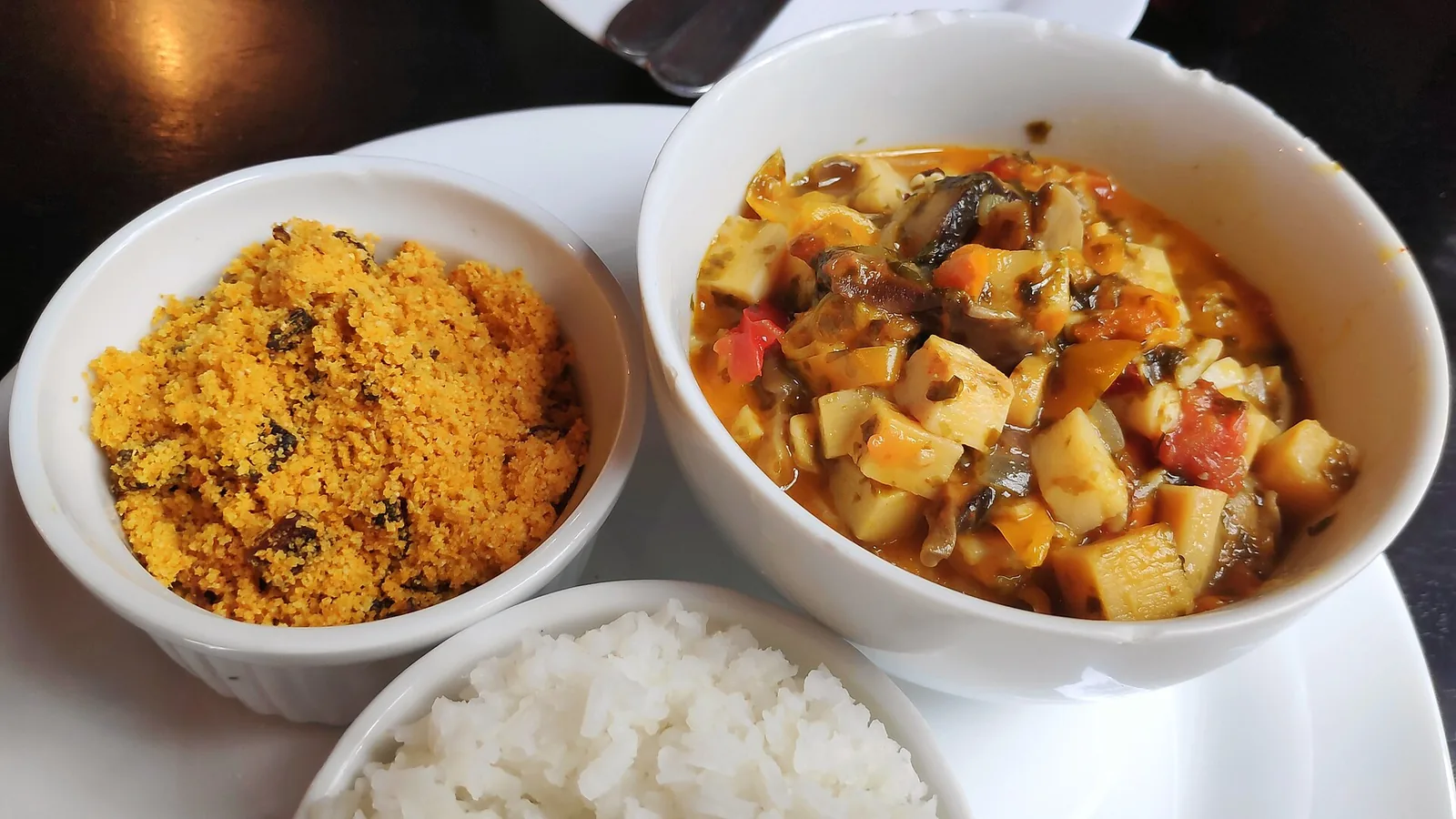
Wear flat shoes you do not mind scuffing; the stones are ankle-turners, especially after a drink. Wander without a plan first — the grid is small enough that you cannot get properly lost — then settle in for dinner. The town is full of restaurants set in old houses around courtyards, ranging from simple to ambitious, and the harbour end has the seafood houses where the day's catch comes in. For a first night, keep it easy: a table outside, fish or a moqueca, a caipirinha made with local cachaça. Our rundown of where to eat by type and neighbourhood is in the Paraty restaurants guide.
If you have energy left, the historic centre has a low-key music scene — small bars where someone is playing samba or choro without a cover charge. It is easy to find and easy to leave; follow the sound. Then drive back up the hill, out of the noise, to sleep with the windows open.
Day Two: town and waterfalls
Day two is a loop: the historic centre by daylight in the morning, a forest waterfall in the hills at midday, a cachaça distillery on the way back, and home to the pool before dinner. It is a satisfying shape — history, cool water, a taste of the local spirit — and it uses the car well.
Morning: the historic centre by day
The old town looks completely different in the morning light, and it is quieter before the day-trippers arrive. Come down early, park at the edge, and walk in. The centre is small, so an hour or two on foot covers it. The set pieces are the churches: the Church of Santa Rita, built in 1722 near the waterfront and one of the town's oldest, now home to a museum of sacred art; the Matriz church on the main square; and the smaller Church of Our Lady of the Rosary, historically the church of the town's enslaved and free Black community. Look, too, at the doorways and the coloured window frames, and notice how the lowest streets near the water are built to flood — at the highest tides and full moons the sea comes up through the drains and turns the streets to canals, then drains away. For the history behind the stones and a walking route through the grid, see the Paraty historic centre guide.
Have a slow coffee and something sweet at a café on one of the squares. Then, before it gets hot, get back in the car and head for the hills.
Midday: a waterfall in the hills
Behind Paraty the land climbs fast into the Serra da Bocaina, and the road toward the mountain town of Cunha climbs with it, passing a string of rivers and waterfalls in the forest. This is where you cool off on day two. The best-known spot is the Tobogã — a long, smooth rock chute that the water runs down, which the confident (and the local kids) slide down into the pool below; there is a calmer pool nearby for everyone else, and a well-known bar at the roadside above it. Other falls along the same road, like Pedra Branca, offer clear pools under taller cascades in preserved forest. The water is cold, clean and a shock after the coast's warmth, and it is exactly what a hot second day needs.
A few honest notes. The rocks are slick — do not attempt the natural slide unless you have watched others do it and you are sure; people get hurt every season. Wear shoes with grip. Go in the morning or early afternoon before rain builds, because the rivers rise fast after a storm and can turn dangerous. And the falls closest to town get busy on weekends; arrive earlier rather than later. The full set of falls, how to reach them and which suit families is in the Paraty waterfalls guide.
Afternoon: cachaça on the way back
Paraty made its name on cachaça long before tourism — the sugarcane spirit that is the soul of a caipirinha — and the valleys around town still hold dozens of artisanal distilleries, some of them generations old. Several are set up for visitors, with a walk through the copper stills and a tasting at the end. On the drive back down from the waterfalls it is easy to fold one in: an hour, a look at how it is made, a few small pours of aged and unaged cachaça, and a bottle to take home. Go easy if you are driving, and let a passenger do the serious tasting. The distilleries, how to visit and what the different styles mean are covered in the cachaça distilleries guide, and for the wider story of the spirit and the caipirinha there is a longer read in our journal on cachaça and caipirinha culture.
Late afternoon and evening: the last swim and a good dinner
Come home to the pool one more time. A second afternoon swim above the bay, after town and falls and a tasting, is the quiet high point of the trip for a lot of guests — the light going gold, the islands turning to silhouettes, nowhere to be. Rest, then go down for your best dinner of the weekend, the one you booked ahead. Make it the ambitious table in the old town, or the seafood house at the harbour with the boats in front of it. This is your last night; give it a little more time.


Where and how to eat in Paraty
Food is a real part of the pleasure here, and you do not need to overthink it. A rough guide by type, so you can pick as you go rather than research every meal.
- The harbour-end seafood houses. Nearest the water at the edge of the historic centre, these do the day's catch simply and well — grilled whole fish, prawns, and moqueca, the coconut-and-palm-oil fish stew, served in a hot clay pot for two.
- The courtyard restaurants in the old houses. The historic centre is full of restaurants set in eighteenth-century houses around leafy courtyards, from casual to genuinely refined. This is where to spend your second, better dinner.
- The island and beach kiosks. On your boat day, lunch is often at a beach restaurant or a floating bar — fried fish, chips, caipirinhas, nothing fussy, eaten in a swimsuit.
- The everyday places off the grid. Just outside the historic centre are the simpler restaurants and bakeries locals use, cheaper and unpretentious, good for a quick breakfast or a casual lunch before the boat.
Two things to know. Cachaça is the local drink and the caipirinha is made with it here as a matter of course; try one made with a good aged Paraty cachaça rather than the standard bar bottle. And for a broader sense of Brazilian coastal cooking beyond Paraty, our journal piece on Brazilian gastronomy is a good companion read. Book your main dinner ahead in high season and around festivals — the best tables in the old town fill up.
What to pack for a Paraty weekend
Pack light but pack right. Two days on the coast and in the hills asks for a specific small kit, and getting it wrong — no reef shoes, no rain layer — takes the shine off a day. The essentials:
- Reef shoes or sturdy sandals with grip — for the boat's rocky coves and, more importantly, the slick waterfall rocks.
- Flat, closed-ish shoes for the evenings — the historic centre's stone paving is uneven and unkind to heels and thin soles.
- Reef-safe sunscreen and a hat — the boat day is exposed and the sun off the water is strong.
- A light rain layer — afternoon showers are common, especially in summer, and the hills catch the weather.
- A dry bag for phones and cameras on the boat.
- A mask and snorkel if you own one — the rentals are inconsistent.
- Insect repellent for the forest and the evenings.
- Cash in reais — the boats, kiosks and smaller distilleries do not all take cards.
- Swimsuits you can rotate — you will be wet twice a day.
You do not need much beyond that. Paraty is casual; nobody dresses up. Leave room in the bag for a bottle of cachaça to carry home.

Making the plan fit you
The two-day spine — boat, then town-and-falls — works for almost everyone, but the details flex depending on who you are travelling with. Here is how to bend it.
For couples
Lean toward a private boat over the schooner so you can choose the quiet coves, and book the ambitious courtyard restaurant for your second night. Time your afternoons around the pool at golden hour. If you want to trade the waterfall for something slower on day two, a late lunch on a near beach and an early evening back at the base works beautifully. For more in this vein, the romantic getaway guide is built around exactly this.
For families
Keep the boat day but choose a schooner or private boat that will stop at calm, shallow coves, and do not over-schedule day two — one waterfall with a gentle pool, not three. The pool at the base is the family's best friend here; it lets you break the day and let younger children rest without losing the view. Our Paraty with family guide has more on which beaches and falls suit which ages.
For friends and groups
Hire a private boat between you — split several ways it is very reasonable, and it turns the boat day into the centre of the trip. Do the cachaça tasting properly with a designated driver, and give the second night to the historic centre's music bars. A hillside house with a pool and room to spread out beats separate hotel rooms for a group every time.
For solo travellers
The schooner is the sociable choice and an easy way to meet other travellers on day one. The historic centre is safe and walkable in the evenings, and the walking, the churches and a distillery tour all work well alone. Give yourself the same two-day shape; solo does not mean rushed.
When to come, and what to expect from the weather
Paraty's weather shapes the trip more than in most places, because the best day here is a boat day and a boat day wants sun and calm water. Broadly, the drier and cooler months from about May to September give you the most reliable conditions and the clearest views across the bay, though the nights can turn genuinely cool and the sea is brisker. The green season, roughly December to February, is hot and lush and full of life, but wetter, with heavy afternoon rain a regular feature — beautiful, but you may lose a boat window to weather. Spring and autumn shoulders are a fair compromise.
Whenever you come, build the flexibility into your two days: keep an eye on the forecast and be willing to swap your boat day and your town day at the last minute so the water day lands on the better sky. For a fuller month-by-month picture, including sea and rain patterns, see the guide to the best time to visit Paraty, and if your dates are flexible across a whole trip, the journal note on the best time to visit Brazil takes the wider view.
One scheduling warning. Paraty hosts big events that transform the town — the FLIP international literary festival, the Festa do Divino religious festival, Carnival, and New Year among them. They are wonderful if you want them and overwhelming if you do not: the town fills, prices climb, and the quiet coves are less quiet. Check the calendar before you book, and go in with eyes open. The festivals guide lays out the dates and the character of each.
If you can steal a third day
Two days is the plan, but if you can stretch to a third — a long weekend rather than a short one — you have good options, and none of them need cramming into the core 48 hours. Any one of these makes a satisfying extra day:
- The far beaches at Trindade. South of town, the fishing village of Trindade has some of the loveliest and least developed beaches on this coast, reachable by a short drive and a walk. A whole day well spent.
- The Saco do Mamanguá. Brazil's only true fjord-like inlet, a long green arm of calm water ringed by hills, reached by boat or kayak. The Saco do Mamanguá guide explains how.
- The Gold Trail. A restored section of the old stone road the Portuguese used to carry gold to the coast, walkable through the forest with waterfalls along the way. See the Caminho do Ouro guide.
- A proper day on Ilha Grande. If the island called to you from the boat, give it a full day rather than an afternoon.
For a menu of ready-made shapes — three days, five days, rainy days, family loops — the Paraty itineraries guide collects them, and the broader explore Paraty page is the place to browse everything the region holds beyond a first weekend.
Two days, done right
The trap in Paraty is the list. There is so much here — islands, beaches, falls, churches, distilleries, trails — that the temptation is to sprint, and sprinting is the one thing this place punishes. The travellers who leave happiest are almost always the ones who did less: one good boat day, one good town-and-falls day, two swims a day back at the base, two unhurried dinners, and the good sense to save the rest for next time.
Do that, and 48 hours in Paraty is not a compromise — it is a complete, well-shaped weekend, the kind you find yourself planning to repeat before you have even driven home. A day on the water, a day in the old streets and the cool of the hills, and every evening spent above the bay with the light going down over the islands. That last part is easier when your base is built for it — a hillside chalet with a pool and a three-way view, a few minutes above the town but a world away from the noise. Have a look at the chalet and, when your dates start to firm up, get in touch — we are glad to help you shape the weekend around whatever the weather and your mood decide on the day.
Frequently asked questions
Two days is enough to see the best of Paraty without rushing: one full day on a boat in the bay, and one day split between the historic centre and a waterfall or two. You will not reach the far beaches like Trindade or the Saco do Mamanguá on a two-day trip, but you will leave with a real sense of the place. If you can add a third day, spend it on a beach or a longer boat trip.
Paraty is about 250 kilometres west of Rio along the coastal BR-101 highway, roughly a four to four-and-a-half hour drive depending on traffic and weather. Regular intercity buses also run the route in about four and a half to five hours. Driving gives you the freedom to reach the hillside chalet and the waterfalls on your own schedule.
From the city of São Paulo it is about 300 kilometres and usually five to six hours by car, dropping down to the coast on the winding Serra do Mar roads before joining the Costa Verde highway. Buses take a similar time. Many paulistas make it a long-weekend drive, leaving Friday evening and returning Sunday night.
A boat day is the single best use of your first day — the bay is dotted with islands and calm swimming coves you can only reach by water. Day two belongs to the UNESCO-listed historic centre and one of the forest waterfalls in the hills, ideally with a cachaça tasting on the way back. Book the boat for the day the weather looks best.
For the historic centre alone, no — it is small, flat and car-free, and easily walked. But a car makes a two-day trip far easier: it gets you to a hillside base, out to the waterfalls on the Cunha road, and to the distilleries in the valleys, none of which are walkable from town. If you arrive by bus, plan on taxis or a rental for the second day.
The drier, cooler months from about May to September are the most reliable for boat days and clear views, though nights can be cool. Summer, from December to February, is hot, green and lively but wetter, with afternoon rain common. Avoid the busiest dates — Carnival, the FLIP literary festival, and the New Year — unless you specifically want the crowds and the music.
Both. The plan here works for couples, families and groups of friends with only small adjustments — families lean on the pool and the gentler beaches, couples on quiet coves and long dinners in the historic centre. A private hillside base with a pool suits every version, because everyone comes home to the same view and their own space.