In this guide
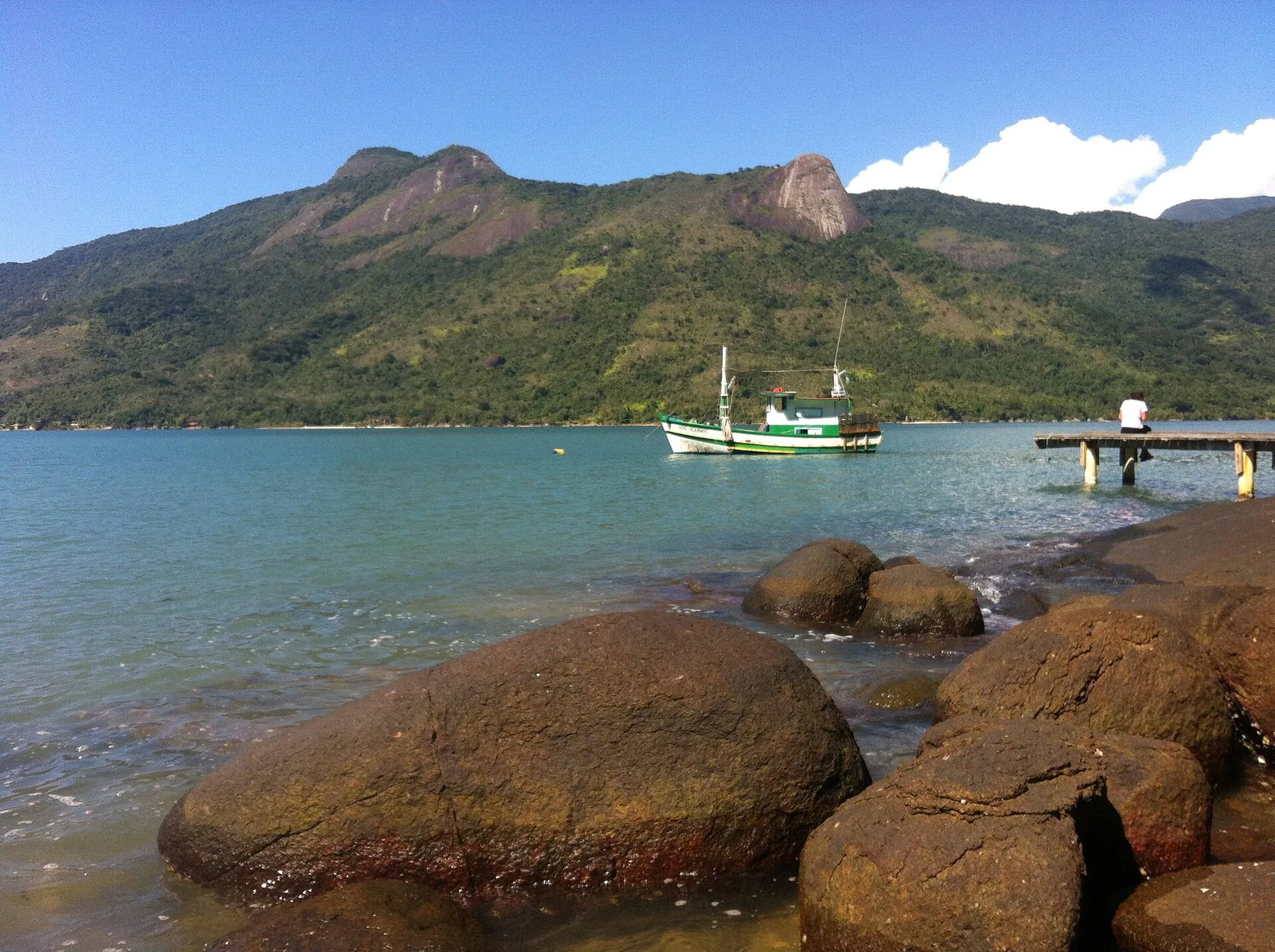
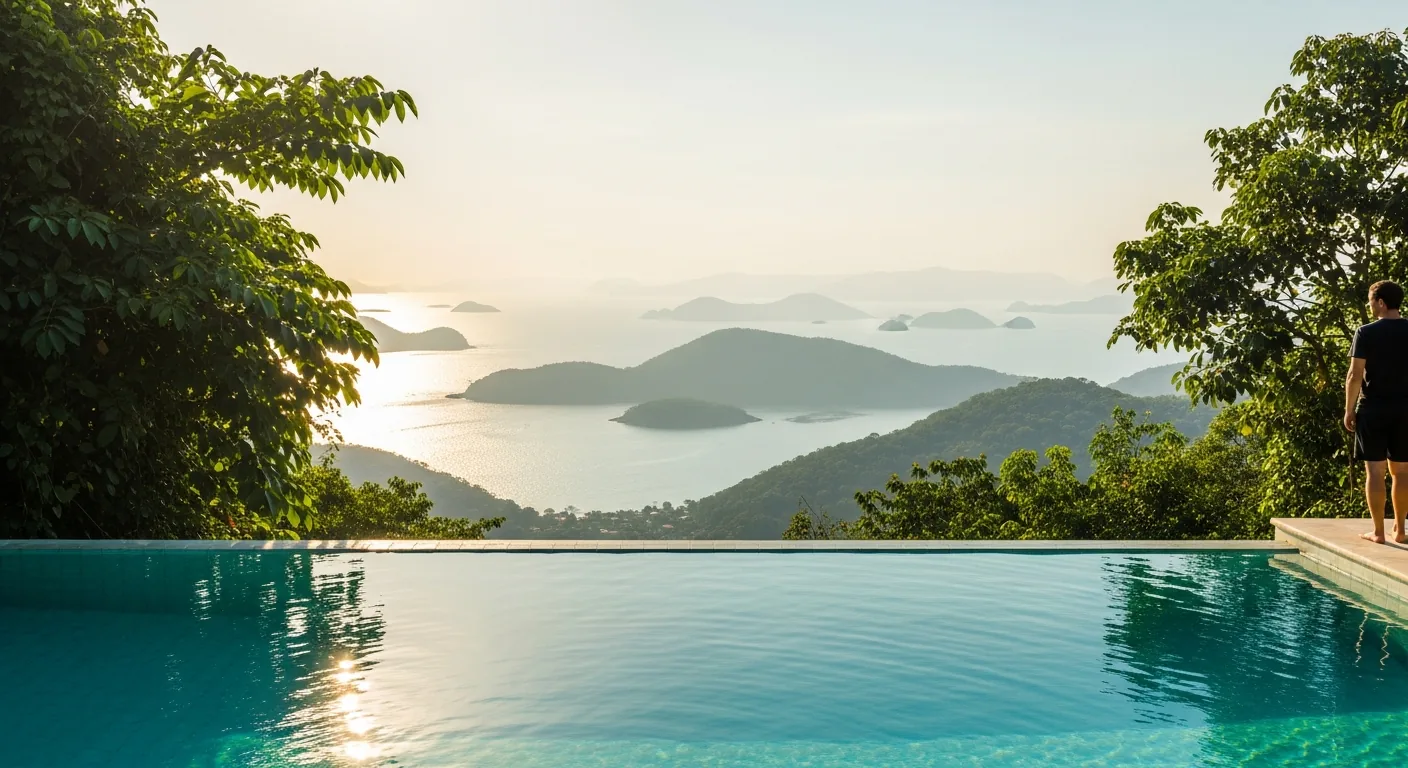
The first time most guests see the Bay of Paraty from the deck here, three hundred metres up the hillside, they notice how still it looks. From this height the water reads as a single sheet of hammered pewter in the morning, broken only by the wakes of a few fishing boats and the dark humps of islands. That stillness is not an illusion. Paraty sits at the head of a deeply indented, island-shielded coast, and much of the sea within reach of the town is protected from the ocean swell by land on almost every side. It is, quite simply, some of the most forgiving paddling water in Brazil.
This is a proper Paraty kayak SUP guide, written for people who want to actually get on the water rather than just read about it. We will cover the two things everyone asks about first — where to go and how hard it is — and then the details that make the difference between a lovely morning and a soggy, sunburnt one: sea kayak versus stand-up paddle, guided versus doing it yourself, how to read the wind and the tide, what to wear, and how to stay safe. The centrepiece of it all is the Saco do Mamanguá, the long sheltered fjord to the south that has quietly become the finest place to paddle on this whole stretch of coast.
None of it requires you to be an athlete. A good number of the guests who paddle from here have never held a paddle before, and they come back to the chalet at lunchtime pleased with themselves, pink across the shoulders and ready for the pool. What follows is the honest version — the good, the practical and the few things worth knowing before you push off from the sand.
.jpg)
Why Paraty is a paddler's coast
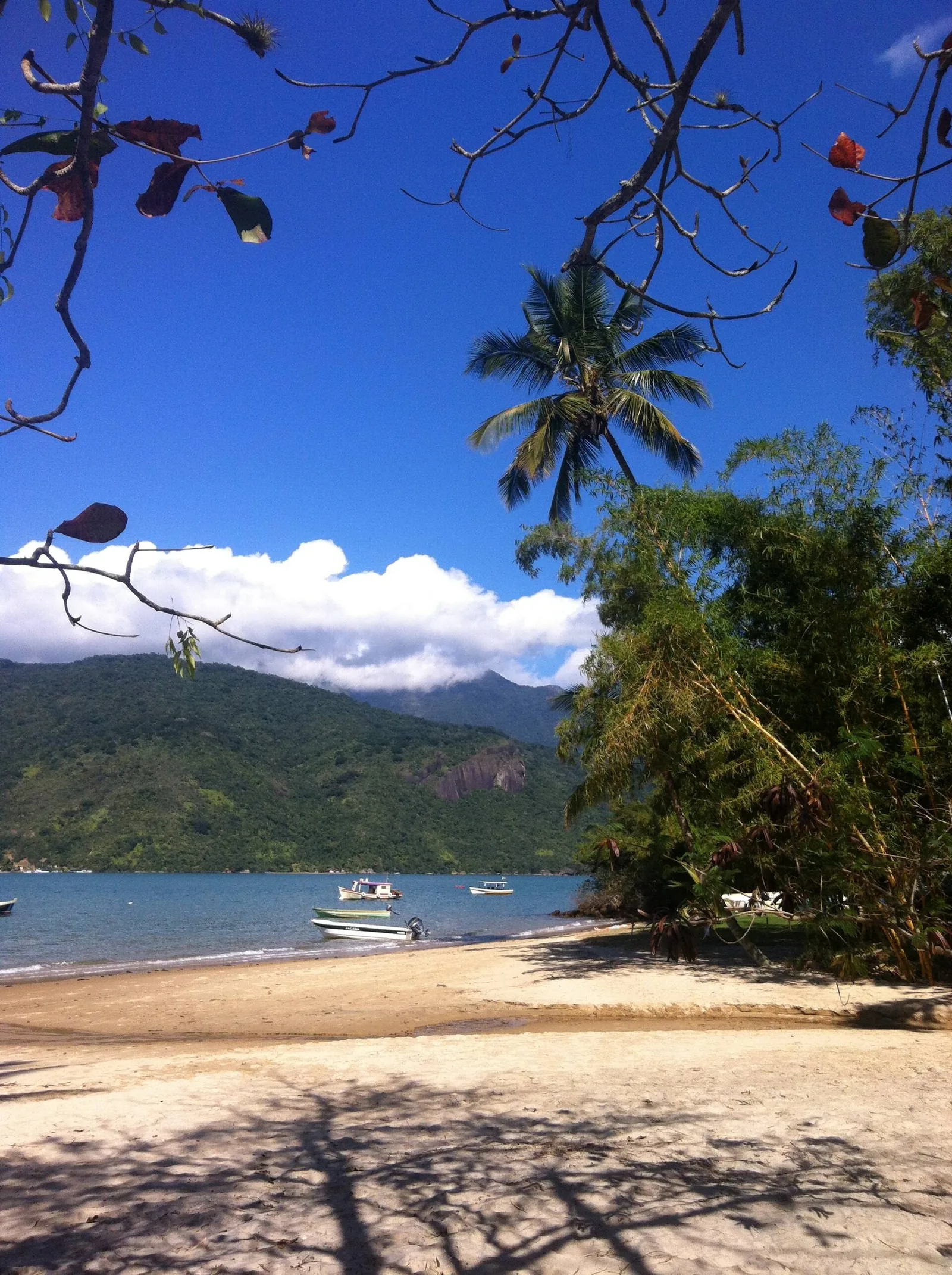
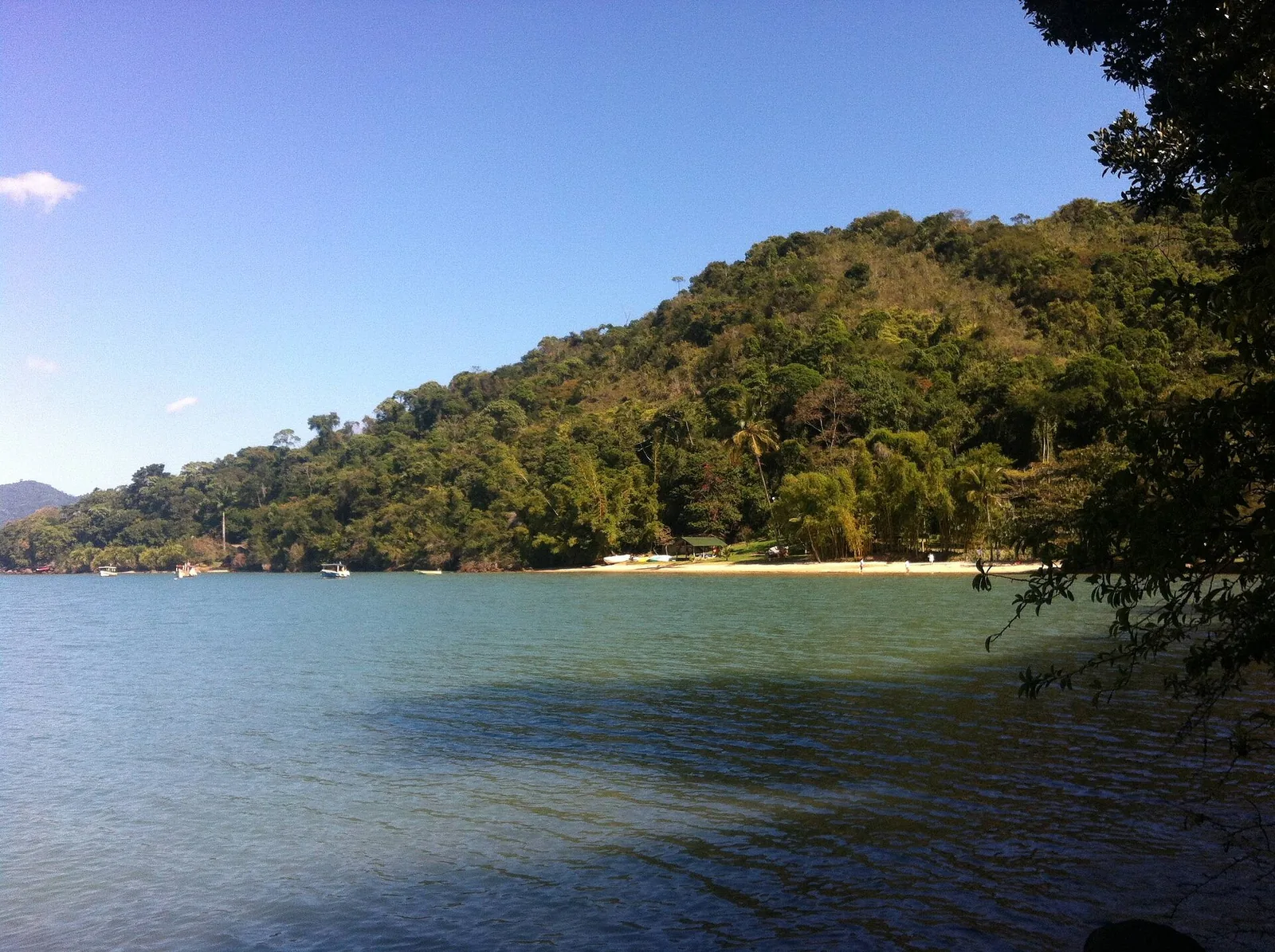
Geography does the heavy lifting. The town sits on the Costa Verde, the Green Coast, where the Serra do Mar drops almost straight into the sea and the shoreline crumbles into hundreds of islands, coves and inlets. The result is a huge amount of sheltered water. Where an exposed beach elsewhere might be dumping surf, here the swell is broken up and softened long before it reaches you, and on a calm morning the bay can be close to a mirror.
The second gift is the temperature. The sea off Paraty is warm the whole year round. You will not need a wetsuit, and a capsize is an inconvenience rather than a shock to the system. That single fact changes the character of paddling here compared with cooler coasts — falling in is part of the fun, especially for children and for anyone learning to stand up on a board.
The third is variety within a short distance. In one morning you can trace the waterfront of the colonial historic centre from the water, cross to a quiet island beach, and nose into a mangrove channel, all without ever leaving protected water. For a wider sense of what surrounds the town — the beaches, the boat routes, the trails — the Paraty overview is a good place to orient yourself before you pick a paddle.
What Paraty is not, for the most part, is a place for surf-skis and rough open-ocean touring. The magic here is the calm. Read the conditions right, stay inside the sheltered zones, and you have a coast that rewards the beginner and still gives the experienced paddler somewhere genuinely beautiful to go.
The Mamanguá is the rare place where a complete beginner and a seasoned paddler can share the same water and both come home happy.
The Saco do Mamanguá: the calm heart of it
If you paddle one thing in Paraty, make it the Mamanguá. It is the reason serious kayakers put this coast on their list, and it is just as kind to first-timers.
What the fjord actually is
The Saco do Mamanguá is a long, narrow arm of the sea that reaches roughly eight kilometres inland between two forested ridges, tapering as it goes until it meets the mouth of a river and a broad stand of mangrove. It is about two kilometres across at its widest and lined with more than thirty small beaches and coves. Geologists call it a submerged coastal valley, or ria; the guides and the tourism posters call it Brazil's tropical fjord, which is close enough and does capture the feeling of paddling up a sheltered corridor of water with steep green walls on either side.
What matters to a paddler is the shelter. Because the fjord points inland and is ringed by high ground, the ocean swell simply cannot get in, and the wind is often blocked as well. While the open coast outside is ruffled by an afternoon breeze, the inner reaches of the Mamanguá can stay glassy. That is why a complete beginner and a seasoned paddler can share the same water here and both come home happy. The whole area sits within the Cairuçu Environmental Protection Area, next to the Juatinga Ecological Reserve, so it is protected land as well as protected water — you will see far more forest than building. We cover the wider area, including the walking and the caiçara villages, in the dedicated Saco do Mamanguá guide.
The mangroves at the head
The far end of the fjord, where the Rio Grande empties in, is a different world again. Here the open water narrows into mangrove channels, the paddling slows to a drift, and the interest shifts from views to detail: the tangle of prop roots, the crabs working the mud, the small fish and the birds that hunt them. A common plan on a longer day is to paddle the length of the fjord, thread into the mangrove for half an hour or so, and land at a trailhead that leads a short way inland to a freshwater fall for a swim before turning back. It is slow, quiet, shaded paddling — the opposite of a beach day, and a favourite with anyone who likes wildlife. If that is you, the Atlantic Forest wildlife piece is worth a read for what to look and listen for.
The caiçara communities who live along the fjord farm oysters in these calm waters, and their small wooden jetties and racks are part of the scene. Buy oysters where they are offered by the growers and you are eating about as locally as it is possible to eat. There is more on that way of life in the caiçara culture guide.

Sea kayak or stand-up paddle: which suits you
Both belong on this coast, and the calm water flatters both. The right choice depends on how far you want to go, how much you want to carry and what you enjoy.
A sea kayak is the workhorse. You sit low, you are stable, you can carry water, lunch, a dry bag and a second person, and you make ground far more efficiently than on a board. For anything involving distance — the length of the Mamanguá, a crossing to an island, a full morning out — the kayak is the sensible tool. Tandem kayaks are also the easiest way to take a nervous partner or a child, because the stronger paddler can do most of the work while the other simply enjoys the ride.
Stand-up paddle, or SUP, is the one to reach for on a warm, still morning when the point is the experience rather than the mileage. Standing up, you see straight down into clear water and out over the surface in a way you never do sitting in a kayak. It is wonderful for a short sightseeing loop of a cove, for a swim-and-paddle session, and for anyone who wants a bit of core exercise. The trade-offs are honest ones: a board is slower, it carries almost nothing, it is harder work into any wind, and you will most likely fall in at least once while you find your balance — which, in warm water, is no hardship at all.
A simple rule of thumb: if the plan is to see something specific and cover ground, take a kayak. If the plan is to potter, swim and enjoy the morning near where you started, take a board. Many guests do both across a few days.
Getting the basics right
Neither craft needs a lesson before you can enjoy it here, but a few small habits make the first hour far more pleasant and save you a sore back the next day.
In a kayak, the power comes from your torso, not your arms. Sit up straight, plant the blade fully near your feet, and turn your body to pull it back rather than heaving with the shoulders — you will go faster and tire far less. Keep the paddle roughly vertical for going straight, and to turn, simply paddle harder on the opposite side or trail the blade as a rudder. Relax your grip; a white-knuckle hold is what makes hands ache.
On a board, start on your knees until you feel the balance, then stand one foot at a time with feet hip-width across the centre, knees soft, eyes on the horizon rather than down at the water. Looking down is what tips people in. Reach the paddle forward and pull it back alongside the board, switching sides every few strokes to hold a line. When a boat wake comes through, bend your knees, keep moving and let the board ride it — stiffening up is what unbalances you. Falling in is normal, warm and completely fine; climb back on from the side, over the middle of the board, and carry on.
.jpg)
Guided or self-guided?
This is the decision that most affects your day, and the answer depends on where you are going.
For a short outing on sheltered water — an hour or two around a bay beach, a cove, or the town waterfront — self-guided is perfectly reasonable for anyone comfortable in and around water. Rental operators near the main beaches will set you up with a board or kayak, a life jacket and a paddle, point you at the calm water and let you go. Stay close to shore, keep the beach in sight and you will be fine.
For the Mamanguá, the mangroves, or any island crossing, go guided, at least the first time. There are real reasons beyond hand-holding. A guide handles the boat transfer that saves you a multi-hour paddle each way; knows which channels and coves are worth your limited time; reads the wind and turns you around before it becomes a problem; and can point out the wildlife and the oyster farms you would paddle straight past on your own. On a longer trip the guide is also your safety margin — the person with the local knowledge, the phone and the plan if the weather turns.
Describe the outing you want by type rather than chasing a particular brand, and you will find operators to match: gentle half-day family paddles, full-day Mamanguá expeditions, and multi-day camping trips that sleep at caiçara guesthouses along the fjord. When you book, ask three plain questions — how long you will actually be paddling, what the wind plan is if it picks up, and whether lunch and water are included. Good operators answer all three without hesitation. We are glad to help arrange something suited to your group; a note to us before you arrive means it is set up and waiting rather than a scramble on the day.
Reading the conditions: wind, tide and season
The single most useful thing to understand about paddling here has nothing to do with technique. It is the daily rhythm of the wind.
Paddle early
On most days the pattern is the same. The morning is calm — often dead calm at first light — and then, as the land heats up, a sea breeze builds through the middle of the day and blows onshore in the afternoon. That breeze is what turns easy water into hard work. The lesson writes itself: get on the water early. Aim to be paddling by mid-morning at the latest, and plan to be heading back before the wind fills in. An early start also means kinder sun and, on a board, the best chance of that glassy surface you came for. There is more on the daily and seasonal patterns in our best time to visit guide.
Tides and the mangrove
Tides on this coast are modest, but they matter in two places. In the mangrove channels at the head of the Mamanguá, a higher tide gives you more water to float over the roots and mud; a very low tide can leave the shallowest channels awkward. And on any beach launch, a rising tide is friendlier for landing than a falling one. None of this is dramatic — the range is small — but a guide will time a mangrove visit to the tide, and it is worth asking about if you are going alone.
Which season
The water is warm all year, so season is about rain and wind, not cold. The cooler, drier stretch from about April to September generally brings the most settled, reliable paddling: clearer skies, calmer mornings and better visibility. The warmer months from roughly December to March are greener and hotter but wetter, with a real chance of a heavy afternoon downpour — another reason to paddle in the morning and be back at the chalet, dry, by the time the sky opens. Whenever you come, check the forecast the evening before and keep your plan flexible.

Where to paddle: a route menu
Here is a rough ladder of options, from a gentle first paddle to a proper expedition. Match it to your group and the day's conditions rather than your ambition.
Easy: a bay beach or the waterfront
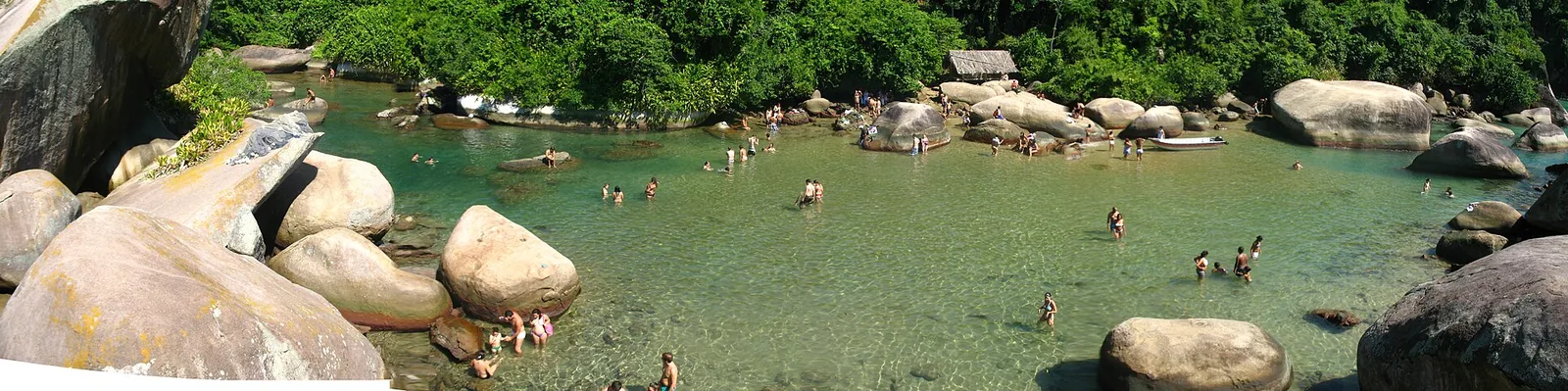
For a first outing, stay on the sheltered water of a bay-side beach or take a slow loop of the town waterfront, tracing the line of whitewashed houses and the church fronts from the sea. An hour or two, always in sight of the sand, no crossings. This is the right level for absolute beginners, for young children in a tandem, and for a low-key morning before lunch. The best beaches guide points you to the calmest launch spots.
Half-day: the mouth of the Mamanguá
Take a boat transfer to the mouth of the fjord and paddle the lower reaches — the first coves, a swim stop, a look at the oyster racks — before being collected. You get the character of the Mamanguá, the sheltered water and a real beach or two, without committing to its full length. This is the sweet spot for most guests: a genuine adventure that still has you back at the pool by mid-afternoon.
Full day and beyond: the length of the fjord
For fit, keen paddlers, the classic is to work up the full length of the Mamanguá to the mangrove and the river mouth, with a walk to a waterfall and a picnic before the return. It is a long day and the return leg often fights a headwind, which is exactly why a guide and an early start matter. Beyond that, multi-day trips camp or sleep in caiçara guesthouses along the fjord and can be linked with the walking route up the Pico do Pão de Açúcar do Mamanguá, the pointed peak that gives the fjord its finest view. Island paddling toward Ilha Grande is possible too but involves exposed crossings and is firmly guide-and-experience territory; most people see those islands by boat instead, as covered in the Ilha Grande day trip guide and the wider boat tours piece.
What to pack and wear
Paddling here needs very little, but a few things make a real difference. Pack light and pack for sun and water rather than cold.
- Sun protection above all. You are on reflective water for hours. A long-sleeved rash top or quick-dry shirt beats sunscreen alone; add a wide brim or a cap with a neck flap, sunglasses with a strap, and reef-safe sunscreen for the gaps. Sunburn is the most common thing that spoils a paddle here.
- A dry bag. A small waterproof bag for your phone, keys and a dry layer. Assume everything not inside it will get wet.
- Water and a snack. More water than you think — the heat is deceptive when a breeze is cooling you. On a longer trip, a proper lunch.
- Footwear that can get wet. Sandals with a heel strap or reef shoes for rocky landings and oyster shells, which are sharp.
- A hat and sunglasses leash. Both go overboard easily; tether them.
- A light layer for the boat transfer. Wind on a fast boat back can feel cool once you are wet.
Leave behind anything you would mind losing to the sea. Rentals supply the board or kayak, paddle and life jacket, so you are really only carrying sun cover, water and a dry bag. If you are travelling from abroad and short on kit, do not buy specialist gear at home — a rash top and reef shoes are easy to find locally and the operators have the rest.

Safety on the water
The water here is gentle, which is precisely why people relax too much. Almost every incident on a calm coast comes down to the same handful of avoidable mistakes. A few plain rules cover most of it.
- Wear the life jacket. Every person, every time, done up properly — not worn as a cushion. It is the one piece of gear that does not care how good a swimmer you are.
- Respect the wind, not the water. The danger here is rarely waves; it is an offshore or building breeze pushing a tired paddler away from shore faster than they can paddle back. If the wind is rising, turn for home early. When in doubt, stay close to the beach.
- Tell someone your plan. Where you are going and when you will be back. On a self-guided outing, leave word at the rental or with us at the chalet.
- Do not paddle in the boat channels. Fishing and tour boats move fast and cannot always see a low kayak or a board. Cross channels quickly and at right angles, and keep out of the main harbour traffic.
- Know your limit and halve it. A crossing looks short from the beach and gets much longer when you are tired and into a headwind. The Mamanguá's full length is a real day's effort; treat it as one.
- Mind the sun and the water. Dehydration and sunburn end more paddles here than anything at sea. Drink, cover up, and get off the water in the heat of the day.
Follow those and the risk drops close to zero. This is a coast for enjoying, not for proving anything — the calmest option is almost always the best one.
Wildlife and the caiçara world
Part of what makes paddling here special is that a kayak is a quiet, low, unthreatening thing, and the wildlife largely ignores it. Sit still and drift, and the coast comes to you.
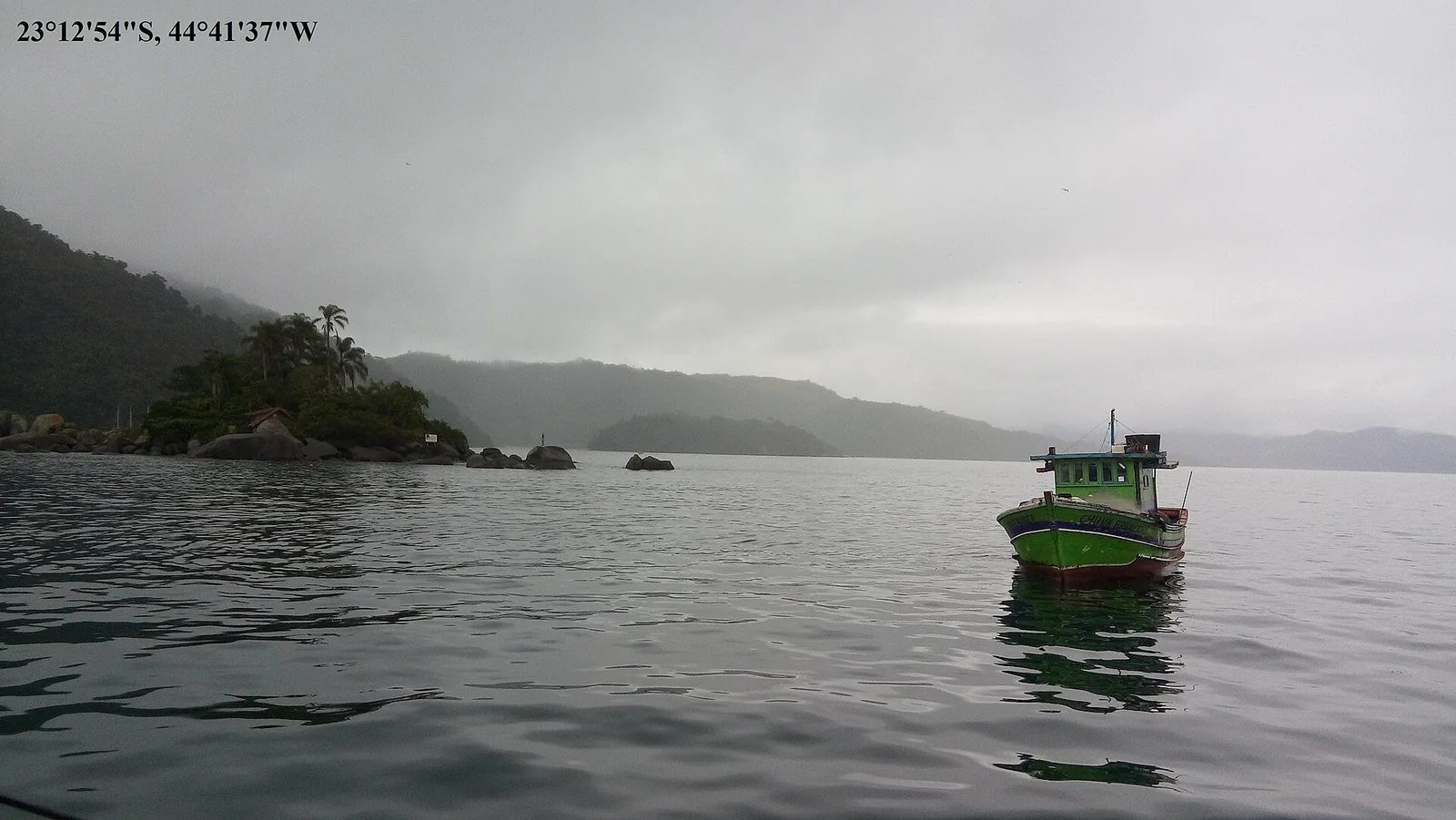
In the open bay you may see dolphins, which pass through in small groups and occasionally surface close by. Sea turtles show themselves as a brief head at the surface before they dive. Frigatebirds and terns work the water for fish, and herons stalk the shallows. In the mangrove the interest is smaller and closer — crabs of several kinds among the roots, mudskippers, and the constant small movement of fish in the shade. None of this is guaranteed on any given morning, which is the honest truth of wildlife anywhere, but the calm early hours give you the best odds.
The human world along the water is just as much a part of it. The caiçara — the traditional fishing and farming communities of this coast — still live along the Mamanguá and the outer beaches, reachable only by boat or on foot. Their oyster racks, dugout canoes and small chapels are the working landscape you paddle through, not a display. Treat their beaches and jetties as you would a neighbour's garden, buy the oysters and fish they offer, and the encounter is the better for both sides. For the fuller picture of that culture and how to meet it respectfully, see the caiçara culture guide, and for the waterfalls that often sit at the end of a paddle, the waterfalls guide.
Paddling with family and mixed groups
One of the quiet virtues of this coast is how well it handles a group that wants different things. Because the water is so forgiving, a family with young children, a nervous partner and a keen paddler can all have a good morning on the same stretch.
For children, the tandem kayak is the answer. A younger child sits safely in the middle, does as much or as little paddling as they like, and the adult behind drives. Confident swimmers can try a board in a sheltered cove, where falling off is the entertainment rather than a worry. Keep the outings short — an hour is plenty for small children — pick calm coves over open crossings, and make the life jacket non-negotiable for everyone regardless of swimming ability.
For mixed-ability groups, the half-day boat-and-paddle format is ideal: the boat does the distance, everyone paddles the pretty, sheltered part in the middle, and no one is left exhausted or bored. It is also the easiest way to include someone who wants to come along mainly to swim and picnic. Our Paraty with family guide has more on structuring days that keep everyone content, and snorkellers in the group will find company in the clearer coves — there is a companion diving and snorkelling guide for that.
A day on the water from the chalet
Here is how it tends to go for guests who paddle from here, and why the base above the town suits it so well. The alarm is early — that is the price and the reward of paddling in the calm. Coffee on the deck while the bay is still silver, then a short drive down to the harbour or a pre-arranged boat transfer toward the Mamanguá. By mid-morning you are on the water, the fjord still glassy, working slowly up past the oyster racks and into a quiet cove for a swim off the boat and a look at the mangrove.
By the time the sea breeze starts to fill in through the afternoon, you are already heading back, pleasantly tired and salt-crusted. And this is where the hillside pays off. Rather than a hot, crowded town beach, you come back up to the chalet, three hundred metres above the water you have just paddled, and step straight into the infinity pool with the whole bay — Paraty, Angra dos Reis and Ilha Grande in one sweep — laid out below. A cold drink, a shower, an afternoon that is entirely yours. The paddle is the adventure; the house is the recovery. Having the two so close together is what turns a good day on the water into an easy one, and it is the reason many guests end up paddling more than once in a single stay rather than treating it as a one-off outing to tick off.
If you would rather not build the day yourself, we keep a short list of the outings guests enjoy most and can help thread a paddle into a wider week — a fjord morning here, a waterfall or a distillery afternoon there. The Paraty itineraries guide sketches a few ready-made shapes, and we are always happy to tailor one.
When to come and a last word
If you are choosing your dates partly around paddling, aim for the drier, calmer months from about April to September, when settled mornings are more reliable and the visibility is at its best. That said, the water is warm all year and there is almost always a calm early window to be found, even in the greener wet season — you simply paddle in the morning and let the afternoon rain fall while you are back at the house. Travellers coming from São Paulo or Rio can reach Paraty by road in a matter of hours and be on the water the next morning; those arriving from abroad usually route through Rio or São Paulo and drive the coast road in, and it is worth building in a slow first day before an early paddle.
Paddling is, in the end, the simplest way to understand why this coast is shaped the way it is. From the water you see the town as the sea once approached it, feel how the islands break the swell, and reach coves that no road will ever touch. Do it early, respect the wind, wear a life jacket and cover up from the sun, and the Mamanguá and the Bay of Paraty will give you one of the gentlest, most memorable mornings of your trip. When you are ready to plan it around a base with a pool and a three-way view of the bay, tell us your dates and we will have the water waiting.
Frequently asked questions
No. The Bay of Paraty and the Saco do Mamanguá are among the calmest paddling waters in Brazil, so a first-timer can manage a short guided outing comfortably. For anything longer than an hour or two, or for open-water crossings, some experience and a guide are strongly advised.
It is a long, narrow arm of sea reaching about eight kilometres inland between two ridges, often described as Brazil's tropical fjord. The water inside is unusually sheltered, which makes it the region's best-loved spot for kayaking, stand-up paddle and easy family outings.
Both work well on the calm water here. Stand-up paddle is lovely for short, sightseeing outings and warm mornings; a sea kayak carries more, moves faster and copes better with wind and distance, so it is the choice for longer trips into the Mamanguá or the mangroves.
Early morning, from roughly first light to mid-morning. The air is coolest, the sun is kinder and, most importantly, the sea breeze that builds through the afternoon has not yet arrived, so the water stays flat and easy.
Yes. In a tandem kayak a young child sits safely in the middle, and calm coves are fine for confident swimmers on a board. Keep outings short, insist on a life jacket for everyone, and choose sheltered water rather than open crossings.
Most people reach the fjord by boat and paddle from there, since kayaking the whole way from town takes several hours each way. Guided trips usually include the boat transfer, or you can arrange a water taxi from the harbour and pick up rental kayaks near the fjord's mouth.
Yes. The sea here is warm through the whole year, so no wetsuit is needed. The bigger seasonal question is rain and wind rather than cold — the drier, calmer months from about April to September tend to give the most reliable conditions.