In this guide
Paraty is a fishing town that happens to be one of the best-preserved colonial ports in Brazil, and the two facts are inseparable. Long before the gold road and the coffee barons and the writers who arrive every winter for the literary festival, there were boats going out at dawn and coming back with robalo and shrimp and the day's mixed catch. That is still the foundation under every good meal here, and it is the reason the town's seafood restaurants are worth taking seriously. If you want to understand Paraty seafood restaurants, you start not with a menu but with the water, and with the caiçara families who have worked it for generations.
Caiçara is the word for the coastal people of this stretch of the Costa Verde, descended from Indigenous, Portuguese and African roots, who built a way of eating around the sea and the Atlantic Forest behind it. Their cooking is unhurried and honest: fish poached slowly in coconut and tomato, shrimp cooked in the shell, cassava turned into flour and porridge, green banana simmered until it thickens a broth. None of it is fussy. Most of it is designed to make a good piece of fish taste even more of itself. Once you can read that logic, the whole town's food makes sense.
This guide walks the seafood scene by type rather than by name, because the honest truth is that the best table changes with the season, the day's catch and who is in the kitchen. I will tell you where the harbour fish houses sit, what the beach kiosks do well, where to find the moqueca specialists, and exactly what to order across peixe, camarão, lula and the rest. We host guests just up the hill at the chalet, and a slow seafood lunch followed by a swim back at the pool is one of the easiest good days you can have here. Let us get you eating well.
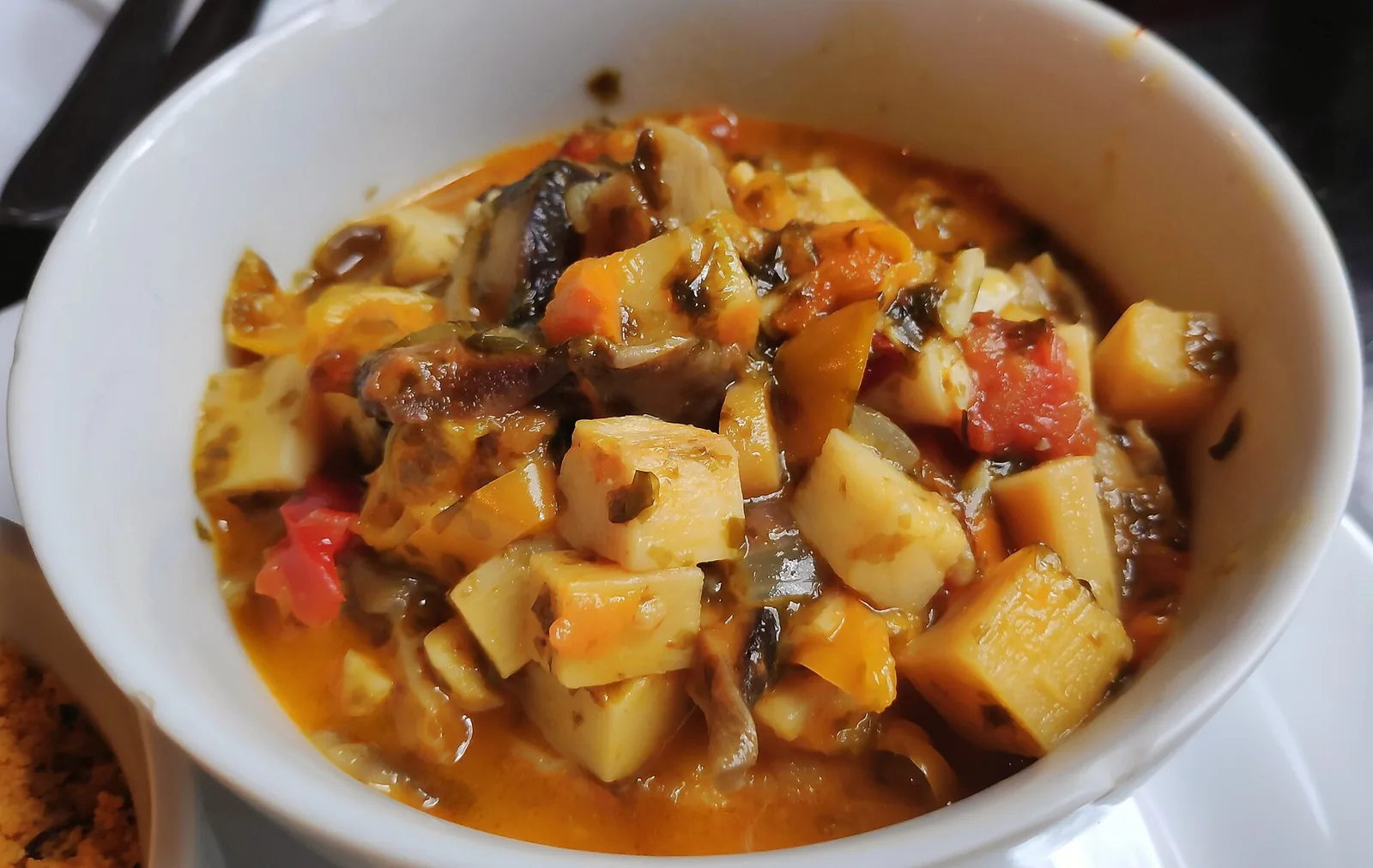

How to read Paraty's seafood scene
There is no single kind of seafood restaurant in Paraty. There are three, really, and knowing which one you are walking into tells you what to expect before you sit down. Getting the type right matters more than chasing any particular name, and it is the single most useful thing I can teach you about eating here.
The harbour fish houses
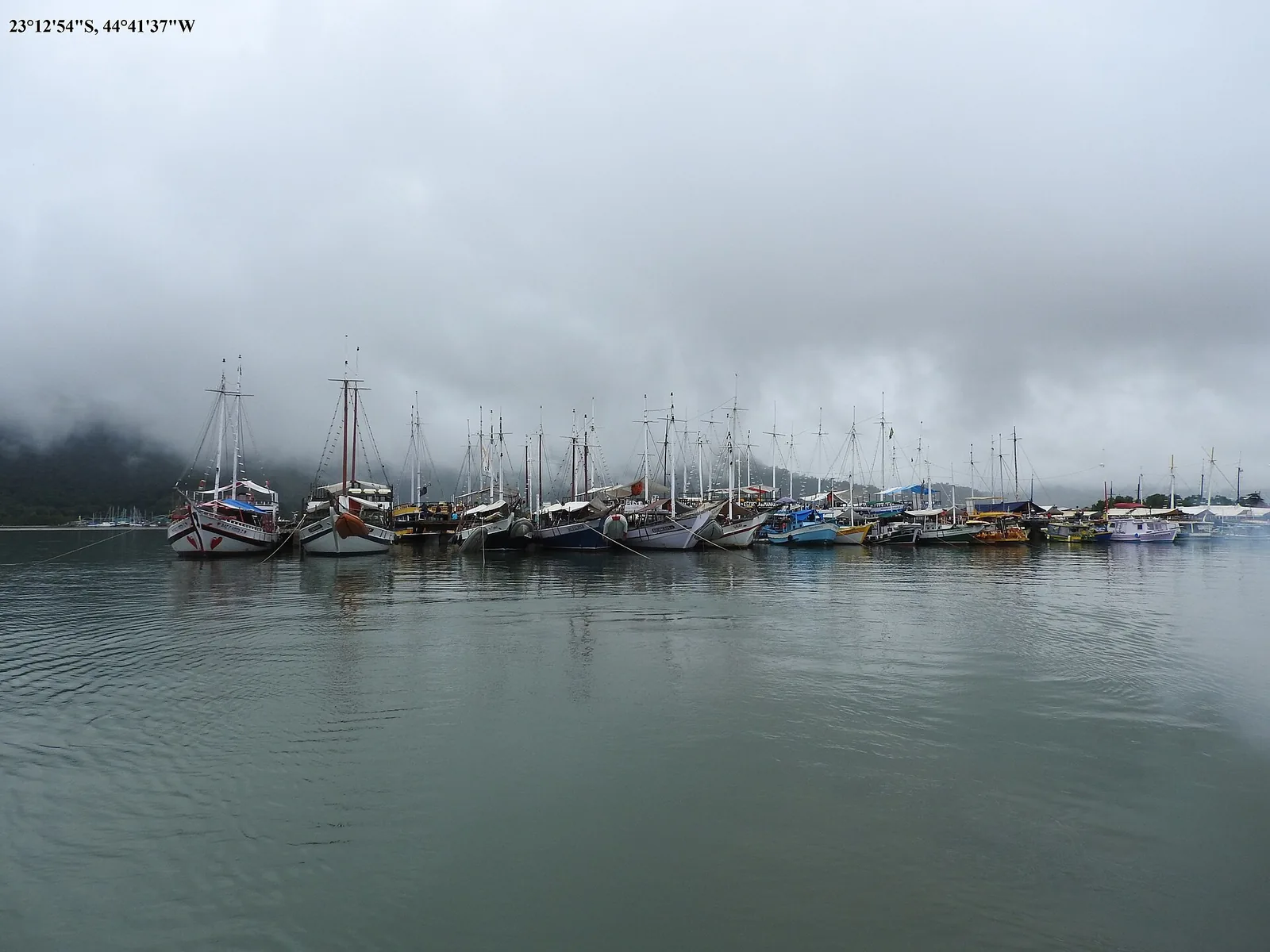
Down at the harbour end of the old town, where the pier reaches out into the bay and the small boats tie up, you find the most casual and often the freshest cooking in Paraty. These are the fish houses: plain rooms, plastic or timber chairs, a grill going, and a menu that leans hard on whatever came ashore that morning. This is where locals eat when they want fish rather than an occasion. The service is unhurried, the beer is cold, and the view is of masts and water. Order simply here and you will rarely be disappointed. A whole grilled fish, a portion of shrimp, rice and pirão, and you are done.
The trade-off is atmosphere over polish. Do not come expecting a wine list or a tasting menu. Come expecting the boat, the grill and a plate that tastes of both. If you are arriving by water on one of the schooner and speedboat tours around the bay, this is the natural place to land for lunch.
The beach kiosks
Out on the beaches, the model changes again. At the outer strands, and above all at Trindade, the seafood comes from beach kiosks and simple family kitchens set back from the sand. Lunch is grilled fish, shrimp in garlic, fried squid, a bowl of moqueca to share, all eaten with your feet more or less in the sand and a cold drink sweating on the table. The cooking is unpretentious and the setting does a lot of the work. On a hot day, a plate of grilled fish and a caipirinha a few steps from the water is one of the great cheap pleasures of this coast.
The honest caution is that beach kiosks vary and prices can climb in high summer, so glance at the menu before you settle in and ask what is fresh. On the best beaches you are paying a little for the location as much as the fish, and that is a fair trade if you go in knowing it. Our guide to the beaches covers which strands have proper kitchens and which are better packed with your own lunch.
The colonial-centre kitchens and moqueca specialists
Inside the historic centre, on the uneven stone streets closed to cars, sit the more considered restaurants: colonial rooms and leafy courtyards, candles at night, a chef with a point of view. This is where the moqueca specialists tend to be, where fish is plated with more care, and where a long dinner turns into the evening's entertainment. Some of these kitchens have earned Paraty its place in the UNESCO Creative Cities network for gastronomy, and they take caiçara ingredients seriously while cooking them with a lighter, more modern hand.
You pay more here, and on a weekend evening in season you should book. But this is where you go for the full moqueca ritual, for a proper wine or cachaça list, and for the pleasure of eating well inside three-hundred-year-old walls. For the wider picture of where to eat beyond seafood, our general Paraty restaurants guide maps the centre street by street.
The best moqueca in Paraty is rarely the one with the longest menu; it is the one closest to the boat that landed the fish.
Where the best Paraty seafood restaurants actually are
People arrive wanting a single address for the best Paraty seafood restaurants, and I understand the impulse. But the useful answer is a rule of thumb, not a name. Match the type to the day. For the freshest, most casual fish, go to the harbour houses at lunchtime and order what came in. For a barefoot beach lunch, drive out to Trindade or one of the outer beaches and eat at a kiosk. For a memorable moqueca dinner, book a table in the colonial centre and give it two hours.
The reason I will not hand you a fixed list is that it would be dishonest. Kitchens change hands, a chef moves on, a beach kiosk that was wonderful last summer coasts this one. What does not change is the logic of the place: proximity to the boat, the freshness of the catch, and whether the kitchen respects the fish. Learn to read those three things and you will out-eat anyone following a two-year-old list. When in doubt, ask where the locals eat, look for a room full of Brazilians rather than only visitors, and check that the fish of the day is genuinely of the day.

Moqueca, the dish worth crossing town for
If you eat one thing in Paraty, eat moqueca. It is a seafood stew cooked slowly in a covered clay pot, brought to the table still bubbling, and served with white rice and pirão. It sounds simple because it is, and it is very hard to do badly and very hard to do brilliantly, which is why it is the dish that separates a good kitchen from an ordinary one. Moqueca is not native to Paraty alone; it belongs to the whole Brazilian coast, and there are two great schools of it, plus the local caiçara variations you meet here.
Baiana versus capixaba
The Bahian moqueca, moqueca baiana, is the one most people picture: fish or shrimp simmered in coconut milk and dendê, the deep orange palm oil that gives the broth its colour and its punchy, faintly smoky richness. It reflects the African heritage of Bahia and it is unashamedly generous. The Espírito Santo version, moqueca capixaba, is lighter. It skips the coconut milk and dendê in favour of annatto oil (urucum) for colour, and leans on tomato, onion, coriander and a splash of olive oil. Capixaba cooks will tell you theirs is the original; Bahians will disagree with total conviction. Both are right in their own kitchens.
Here is the practical difference at the table. Baiana is richer, rounder and more filling; a little goes a long way and it loves a cold beer. Capixaba is brighter and cleaner, and lets the fish come through more clearly. If you are choosing between them, order baiana when you want comfort and capixaba when you want the fish itself to be the star. Many Paraty kitchens cook both, and some do a caiçara version that sits in between, usually with coconut but a lighter hand.
What a good moqueca tells you
A well-made moqueca is a reliable read on the whole kitchen. The fish should be fresh and only just cooked through, not stewed to cotton. The broth should taste layered rather than one-note, and it should not be swimming in oil. The pirão on the side, a smooth porridge made from cassava flour cooked in the fish stock, should be silky, not gluey. If those three things are right, order confidently from the rest of the menu. If the moqueca is tired, be cautious. As I say to guests, the best moqueca in Paraty is rarely the one with the longest menu; it is the one closest to the boat that landed the fish.
What to order: peixe, camarão, lula and beyond
Beyond moqueca, the menu of a Paraty seafood house is really a short list of very good raw materials cooked a handful of ways. Here is what you are looking at, roughly in the order I would recommend it.
Peixe: the fish
The fish of this coast are the heart of it. The names worth knowing are robalo (snook), a firm, clean white fish that is the local favourite and grills beautifully; badejo and garoupa (both in the grouper family), prized, meaty and a little more expensive; and tainha (grey mullet), cheaper, oilier, plentiful and beloved by the caiçara communities, especially in the winter mullet season. You will also see olho-de-cão, dourado (mahi-mahi, not the freshwater fish of the same name) and anchova (bluefish). Ask for the peixe do dia, the fish of the day, which is your best signal of what is fresh.
The simplest good order is a whole fish grilled over coals, peixe grelhado or peixe na brasa, with rice, farofa and a squeeze of lime. Ordered this way you taste the fish and the fire and almost nothing else, which is exactly the point. If you would rather not deal with bones, ask for a filé (fillet). One local dish worth trying if you see it is peixe com banana, fish with banana-da-terra, a caiçara pairing that sounds odd and works completely, the starchy plantain a foil for the fish.
Camarão: the shrimp
Local shrimp are sweet and worth ordering. The classic preparations are camarão ao alho e óleo (in garlic and oil), camarão empanado (breaded and fried) and camarão na moranga, a showpiece dish where shrimp in a creamy sauce are served inside a whole roasted pumpkin, scooped out at the table. There is also bobó de camarão, shrimp in a rich purée of cassava, coconut and dendê, closer to the Bahian end of the flavour spectrum. Shrimp cooked in the shell keep more of their sweetness and firmness, so do not be surprised, or annoyed, if they arrive that way; peeling them is part of the pleasure.
Lula, polvo and the shellfish
Squid (lula) turns up fried in rings (lula à dorê or lula frita), grilled whole, or stuffed. Octopus (polvo) is a treat when it is done well, slow-cooked until tender and often finished with rice, garlic and olive oil in a dish like polvo ao arroz or polvo à lagareiro. You will also find a caldeirada or a caldeirão, a big shared seafood pot of fish, shrimp, squid and shellfish in an aromatic tomato broth, which is a fine choice for a table that cannot agree on one thing. When lula or polvo are on the specials board and the kitchen looks busy, they are usually a good bet.
The oysters of Saco do Mamanguá
One local specialty deserves its own mention. In the calm, fjord-like waters of Saco do Mamanguá, the long green inlet south of town, families farm oysters (ostras) in the mangroves. They are small, briny and inexpensive, and eating a dozen with lime while a boat rocks gently underneath you is one of the quiet pleasures of this coast. You can taste them at some harbour and beach kitchens, but the best way is on the water itself. Our guide to Saco do Mamanguá covers the oyster farms and how to visit them by boat.
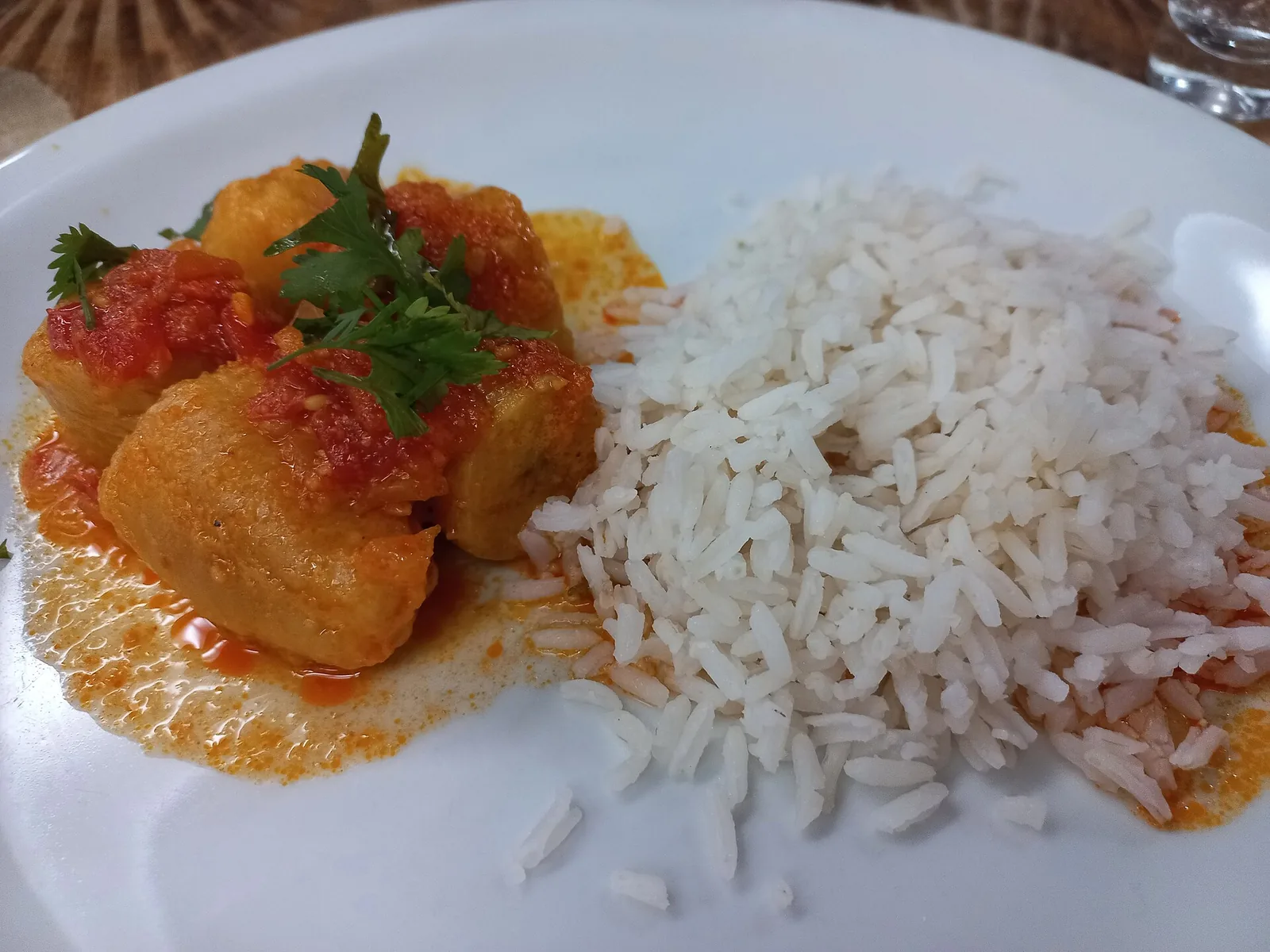

How caiçara cooking actually works
To eat well here it helps to understand the cooking philosophy, because it is unlike the fussier coastal cuisines you may know from Europe. Caiçara cooking grew out of subsistence: fishing families using what the sea and the forest gave them, stretching a catch to feed a household, wasting nothing. That history shows up on the plate as restraint. Seasoning is confident but not loud. The fish is not disguised. Cassava, in its many forms, does the heavy lifting that bread or potatoes do elsewhere.
The techniques are few and they repeat. Grilling over coals for anything that can take direct heat. Slow poaching in a covered pot for moqueca and stews, so the fish stays tender and the broth builds flavour. Frying for squid, shrimp and small fish. And the turning of cassava into flour (farinha), into the toasted, buttery side dish farofa, and into the smooth pirão that mops up a stew. Green banana, palm heart and coconut round out the pantry. If you like a cuisine that trusts its ingredients and gets out of the way, this one will suit you. To go deeper into the people and traditions behind it, our piece on caiçara culture is a good companion, as is our journal essay on Brazilian gastronomy more broadly.
The supporting cast: pirão, farofa and rice
Order a plate of fish in Paraty and it rarely arrives alone. The sides are not an afterthought; they are how the dish is meant to be eaten, and understanding them will make every meal better. The two you must know are pirão and farofa, both made from cassava, both essential, and easy to muddle.
- Pirão is a smooth, warm porridge made by stirring cassava flour into hot fish stock until it thickens. It is meant to be spooned over rice and fish, carrying the flavour of the broth. Good pirão is silky and savoury; bad pirão is a stiff, flavourless paste. It is one of my quiet tests of a kitchen.
- Farofa is toasted cassava flour, usually cooked with butter, onion and sometimes egg or banana, dry and crunchy. It adds texture and soaks up sauce. You sprinkle it, you do not drown things in it.
- Arroz (white rice) is the neutral base under everything, and often feijão (beans) too. Rice and pirão together under a piece of moqueca fish is the caiçara ideal.
A moqueca or a whole fish is typically priced and portioned for two, and it genuinely feeds two once you add the rice, pirão and farofa. So do not over-order. Two people can eat very well on one moqueca and a shared starter, and one plate of grilled fish with all the trimmings will defeat most solo diners.
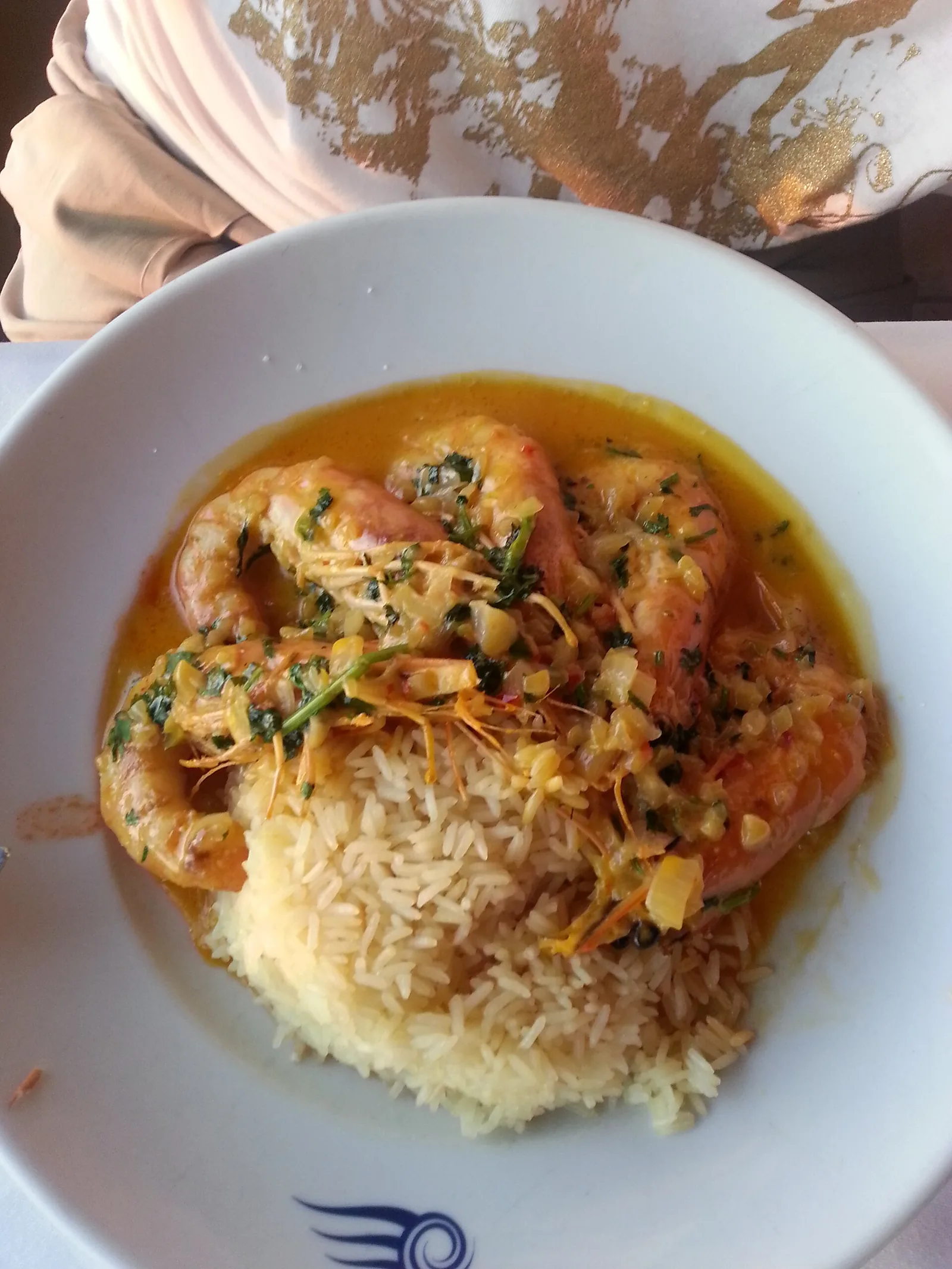

Reading a seafood menu without getting lost
Menus here are usually in Portuguese, sometimes with rough English, and a little vocabulary saves you a lot of guessing. Here is the shortlist I give guests before they head down the hill.
- Peixe — fish; peixe do dia — fish of the day; grelhado / na brasa — grilled / over coals; frito — fried; filé — fillet.
- Camarão — shrimp; lula — squid; polvo — octopus; ostras — oysters; frutos do mar — seafood in general.
- Moqueca — the seafood stew; caldeirada — a mixed seafood pot; bobó — a cassava-and-coconut purée, usually with shrimp.
- Para dois / serve dois — for two people; a crucial phrase, since many main dishes are sized to share.
- O que chegou hoje? — what came in today? Ask this and let the answer guide you.
If you have a shellfish allergy, learn to say alergia a frutos do mar clearly and mention it early, because shrimp, squid and their stock find their way into shared broths and pirão. Vegetarians are increasingly well served: many kitchens now do a moqueca de banana-da-terra or de palmito (banana or palm heart), and there is always grilled palm heart, rice, beans and salad. A little Portuguese and a friendly manner go a long way in a family kitchen.
When to eat, and what it costs
Lunch is the great seafood meal in Paraty. The catch is freshest earlier in the day, the beach kiosks and harbour houses are at their best around one or two in the afternoon, and a long lunch fits the rhythm of a beach day. Dinner is when the colonial-centre kitchens come alive, candlelit and unhurried, and when a proper moqueca becomes an event. If you can, do casual lunches by the water and save one or two dinners for the centre.
On cost, seafood in Paraty spans a wide range. A grilled fish or a plate of garlic shrimp at a beach kiosk is genuinely affordable. A shared moqueca at a good centre restaurant, with a couple of drinks, sits well above that but feeds two comfortably. Prices climb in the high seasons, roughly from December through Carnival and again in July, and during the literary festival (FLIP) in late winter, when the town fills and the good tables book out. If you are visiting then, reserve ahead and expect to pay a little more for the privilege of a busy town. Our guide to the best time to visit Paraty lays out the seasons in more detail.

Eating seafood with a São Paulo, Rio or overseas palate
Guests arrive from very different starting points, and a few origin-specific notes help.
From São Paulo and Rio
If you are driving down from São Paulo or Rio de Janeiro, you already know Brazilian seafood, but Paraty will feel less polished and more coastal than a paulistano seafood house or a Rio beachfront restaurant, and that is the appeal. The move here is to go simpler than you might at home: skip the elaborate plates and order the grilled fish of the day and a moqueca to share. Come hungry at lunch rather than dinner. And build in the drive: it is roughly four to five hours from São Paulo and four to five from Rio depending on traffic and the coast road, so plan your first meal for after you have arrived and settled, not for the moment you step out of the car.
From abroad
For international guests, a few practicalities. Portuguese, not Spanish, is the language, and even a little effort is warmly received. Fish often arrives whole and bone-in, which is normal and delicious; ask for a filé if you would rather not navigate bones. Shrimp come in the shell more often than not. Cash and card are both fine in town, though a small beach kiosk may prefer cash or the Brazilian Pix system. And pace yourself with the caipirinhas, which are stronger and more generous than the versions you meet at home. If Paraty is one stop on a longer trip, our journal piece on Brazilian gastronomy gives useful context for the wider table.
Pairing with cachaça
Paraty is one of the historic homes of cachaça, and the local distilleries make some of the finest in Brazil. A well-made cachaça, sipped neat or in a caipirinha, is the natural drink with this food; the bright, grassy spirit cuts through the richness of a coconut moqueca and lifts a plate of fried squid. Many centre restaurants keep a proper cachaça list. If the spirit interests you, spend an afternoon on the cachaça distillery trail around town before you sit down to dinner; it changes how you drink for the rest of the trip.
Cooking your own catch at the chalet
Some of the best seafood meals our guests have here are the ones they cook themselves. Paraty has a small municipal fish market and the harbour trade to buy from, and a whole robalo or a kilo of shrimp bought in the morning, carried up the hill and grilled in the late afternoon is a fine way to spend a day. The chalet's kitchen is set up for exactly this, and there is no better setting for a simple grilled fish than a deck with the bay spread out below you.
The caiçara approach travels well to a home kitchen because it asks so little. Buy the freshest fish you can, salt it, grill it over coals or a hot pan, and serve it with rice, lime and whatever farofa you can find. If you want to attempt a moqueca, you need only good fish or shrimp, tomatoes, onion, peppers, coriander, coconut milk and, if you can find it, a little dendê; layer it in a pot, simmer gently, and do not stir it to death. A family we hosted last autumn made a moqueca on their second evening from a market haul, ate it slowly on the deck as the light went out of the bay, and told me at breakfast it was the meal they would remember from the whole of Brazil. That is the coast working the way it should.
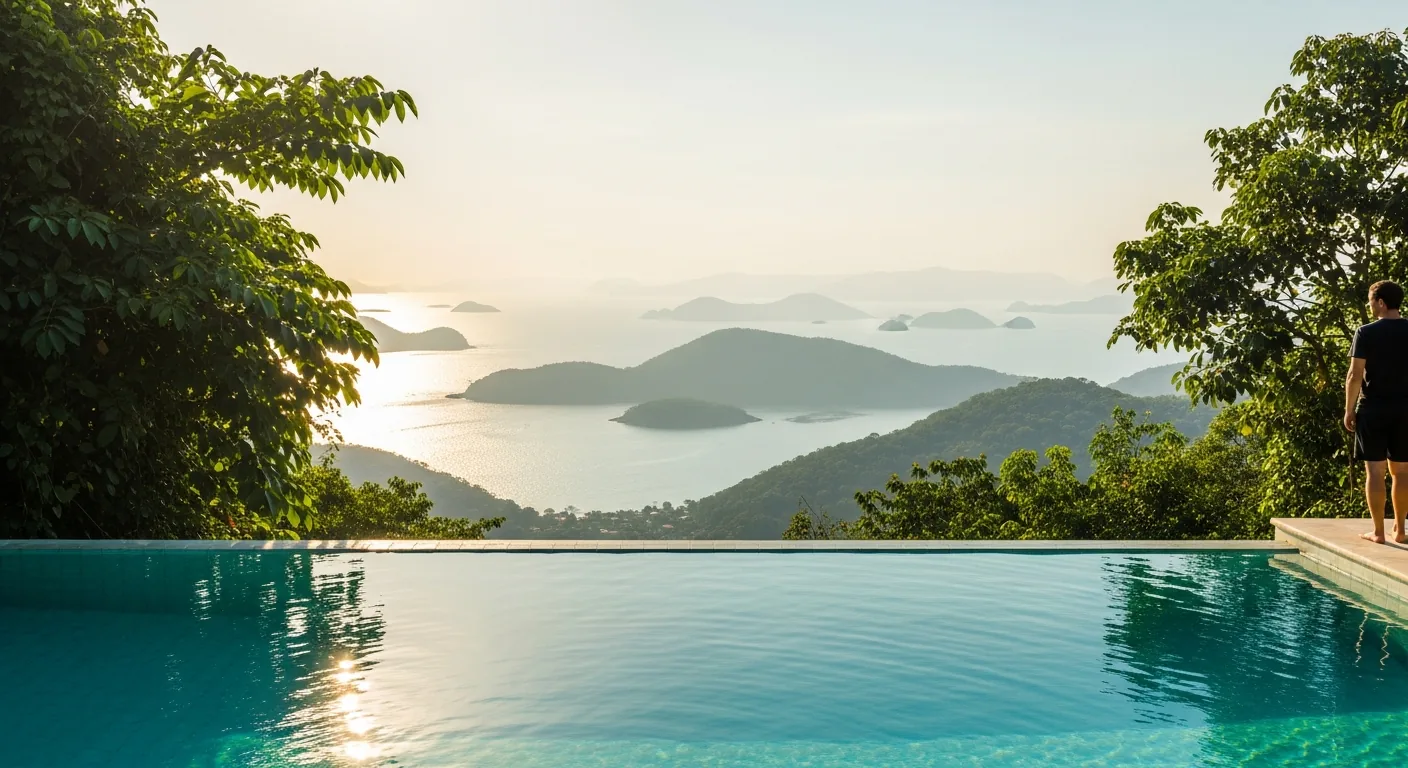
After a long lunch in town or an afternoon of cooking, the pleasure of the place asserts itself: a swim in the infinity pool, the three-way view out over Paraty, Angra dos Reis and Ilha Grande, and the good tiredness of a day spent eating well. It is why we tell guests to keep the schedule loose. The town is a short drive down; the pool is right here.
A simple two-day eating plan
If you would rather not think about it, here is a sequence that covers the range without rushing.
- Day one, lunch: arrive, settle, then drive down for a casual lunch at a harbour fish house. Order the grilled fish of the day, a portion of garlic shrimp to share, rice and pirão. Keep it simple and read the room.
- Day one, dinner: a light evening. A few oysters if you find them, some fried squid, a caipirinha in the centre, an early night.
- Day two, midday: a beach day out at Trindade or one of the outer beaches, with lunch at a kiosk. Grilled fish or shrimp with your feet near the sand, then a swim.
- Day two, dinner: the main event. Book a table at a moqueca specialist in the colonial centre, order a moqueca for two, add a cachaça from the list, and give it two unhurried hours.
- Any spare morning: a boat out to the oyster farms of Saco do Mamanguá, or a self-catered grill back at the chalet with a market haul.
That is a complete tour of the seafood, from the boat to the pot, without a single tourist trap. Adjust the beaches and boat days to the weather; the food will hold up.
A few honest cautions
Because I would rather you eat well than be surprised, a short list of the things worth knowing. Prices on beach kiosk boards are sometimes by the kilo or sized for two, so confirm before you order a mountain of shrimp. Whole fish is priced by weight in some places, which means the friendly-looking number is per portion, not per fish; ask. Sunday and holiday lunches in high season fill the good tables, so either go early or book. And on rainy days, when boats stay in, the fish of the day may be yesterday's; that is when I steer guests toward the centre kitchens with more range rather than the harbour houses that live and die by the morning's catch. Our rainy-day guide has more on that.
None of this is meant to make you cautious. Paraty is one of the easiest places in Brazil to eat beautifully, precisely because the food is honest and the sea is close. Go with an open mind, ask what came in, order less than you think you need, and let the caiçara logic do the rest.
Making a base of it
The pleasure of eating here compounds when you are not rushing between town and a hotel far away. Staying up the hill at Château Portofino means the harbour, the centre and the beaches are all a short drive down, and the pool and the three-bay view are what you come back to after a long lunch. Cook a market fish on the deck one night, book a moqueca in the centre the next, and let the days blur together in the best way. When you are ready to plan the trip around the table, our team is glad to help you time it right; just get in touch, and take a wider look at the region through our guide to exploring Paraty. Come hungry, stay a while, and let the coast set the pace. The sea does the rest.
Frequently asked questions
Paraty is caiçara country, so the coast's own fish and shellfish lead the table. Expect robalo (snook), badejo and garoupa (grouper), tainha (grey mullet), local shrimp (camarão), squid (lula), octopus (polvo) and, from the mangroves of Saco do Mamanguá, farmed oysters. The signature dish is moqueca, a slow seafood stew.
Moqueca is a slow-simmered seafood stew served in a clay pot with rice and pirão. The Bahian style uses coconut milk and dendê palm oil for a rich, orange broth; the Espírito Santo (capixaba) style is lighter, built on annatto oil, tomato and coriander. Paraty kitchens cook both, and often a local caiçara version somewhere in between, usually with plenty of coconut.
It depends on the mood. The fish houses near the harbour and the pier are the freshest and most casual; the colonial centre holds the more polished kitchens and the moqueca specialists; and the beach kiosks at places like Trindade and the outer beaches grill the day's catch a few steps from the sand.
A grilled fish or a plate of shrimp at a beach kiosk is modest. A moqueca in a good centre restaurant is usually priced for two people and costs more, but it genuinely feeds two with rice and sides. Budget more in high season (December to Carnival and July) and during FLIP, when the town fills.
Generally yes. Paraty still has working artisanal fishing communities, and the fish houses at the harbour end and the beach kiosks often serve what came ashore that morning. Ask what is fresh that day (o que chegou hoje) rather than ordering the first thing on the menu, and you will eat well.
Yes, with a little planning. Most seafood kitchens also grill fish, chicken or steak and serve rice, beans and salads, and many now do a vegetarian moqueca with palm heart or banana-da-terra. If you have a shellfish allergy, say alergia a frutos do mar clearly, since shrimp and squid turn up in shared broths and pirão.
For a casual harbour lunch or a beach kiosk, usually not. For the well-known centre restaurants on a weekend evening in high season, or during FLIP, book ahead. If you are staying up the hill and driving down, a reservation also saves you circling the one-way cobbled streets looking for a table.