In this guide
There is a particular quiet that settles over the Bay of Paraty a little after dawn, before the day-trip schooners fire up and the town wakes. The water lies flat and pewter-coloured between the islands, a heron works the mangrove edge, and somewhere a small wooden boat putters out with a man and a hand-line, doing what people here have done for three hundred years. If you want to understand the Costa Verde, you could do worse than spend a morning on that water with a rod in your hands. This is a coast that has always fed itself from the sea, and fishing here is less a sport bolted on for tourists than a thread you can pick up and follow into the older life of the place.
This guide is about Paraty fishing trips in the honest sense: what you can realistically catch, who takes you out, what a day costs you in time and effort, and where the trade-offs sit. I will cover the sheltered inshore fishing that suits families and first-timers, the reef and bottom fishing that rewards patience, and the longer runs toward open water for those who want a fight. I will also be straight about the parts that matter and rarely get mentioned — the amateur licence, the closed seasons that protect the stock, and the difference between a slick charter and a morning in a caiçara canoe. None of it is complicated once someone lays it out for you.
We host guests up at Château Portofino, a hillside chalet about four hundred metres above the bay, and fishing is one of the things people ask us about most once they have had their first swim and looked out at all that water. The view from our one deck takes in Paraty, Angra dos Reis and Ilha Grande at the same time, which is more or less a map of where the good fishing is. So this is written the way I would explain it to a guest over coffee on the terrace, pointing at the islands, before they head down to the harbour.

Why the Costa Verde fishes so well
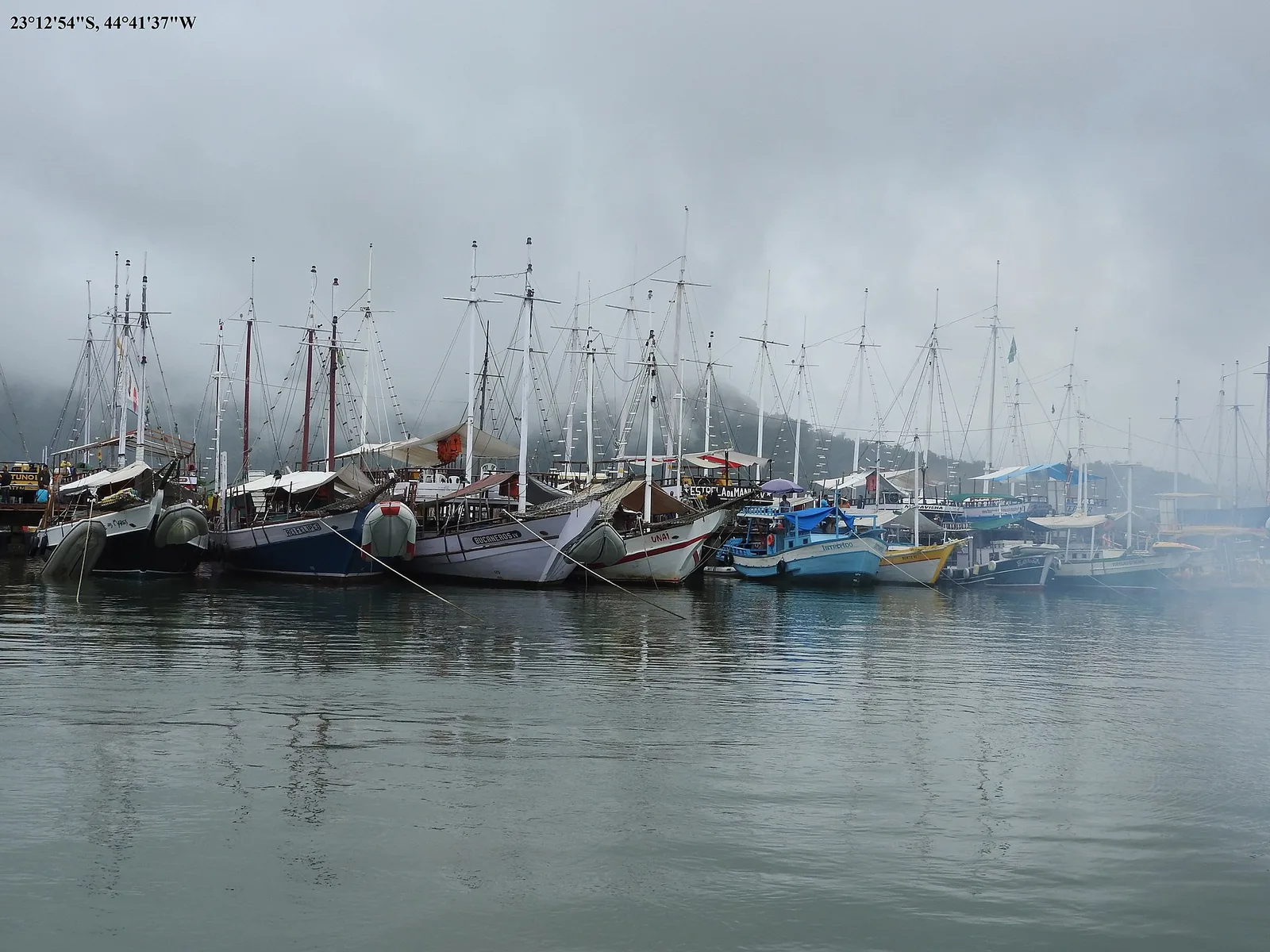
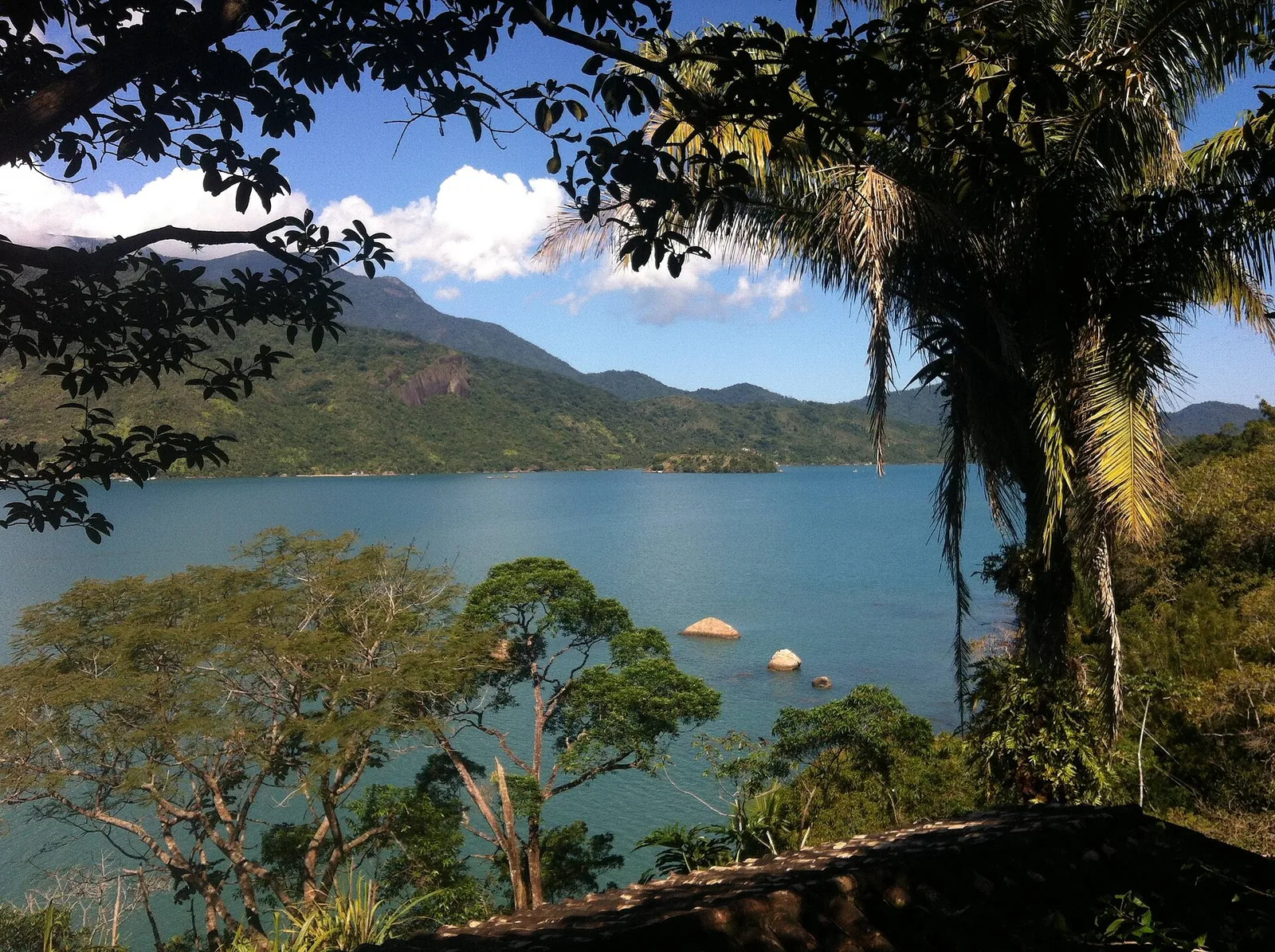
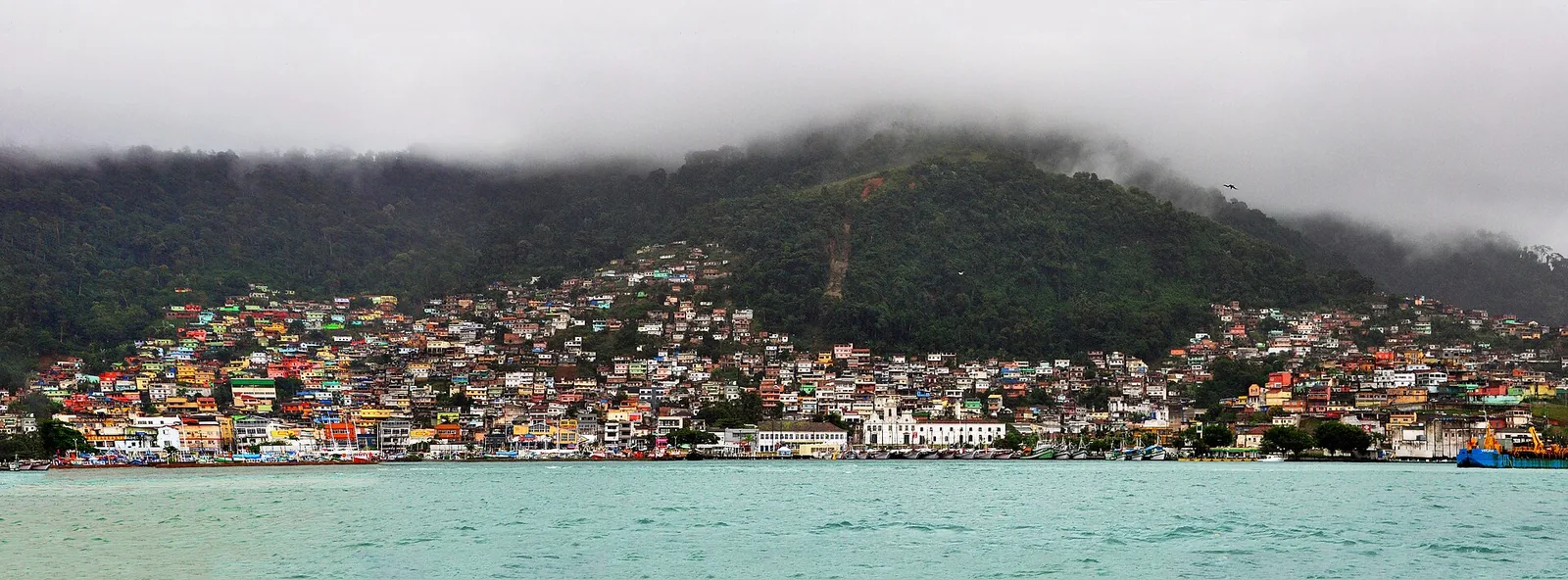
The Costa Verde — the Green Coast — runs along the southern edge of Rio de Janeiro state and the northern edge of São Paulo state, and its defining feature is shelter. The coastline here is not a straight, exposed beach taking the full weight of the Atlantic. It is a broken, folded shore of bays within bays, hundreds of islands, deep inlets and the steep green wall of the Serra da Bocaina falling almost straight into the sea. Ilha Grande and the smaller islands act like a breakwater, so the water inside stays calm on days when the open ocean is rough. For a fishing trip that means comfort: you can go out on mornings that would keep an exposed-coast boat at the dock.
That same geography makes for varied fishing within a short run. In one morning you can drift a mangrove creek mouth for snook, motor twenty minutes to a rocky point and drop baits for grouper, then edge out toward the bay mouth where the bottom falls away and faster fish patrol. The nutrient-rich water where forest rivers meet the sea, the reefs around the islands, and the open channels between them each hold different species, and they are all close together. You are rarely more than half an hour from the next kind of fishing.
The waters divide, loosely, into three arenas that match the view from our deck. To the west and south sits the Bay of Paraty proper and the long finger of Saco do Mamanguá, a shallow, mangrove-lined inlet often called Brazil's only tropical fjord — this is inshore, sheltered, snook-and-jack country. Straight out lies the wider expanse toward Ilha Grande, with its rocky islets and reefs for bottom fishing. To the east, toward Angra dos Reis and the mouth of the great bay, the water opens up and the pelagic fish come and go with the seasons. Knowing roughly which arena you are fishing tells you most of what you need to know about the day ahead.
The best fishing here is rarely about the biggest fish; it is about the hour when the bay goes still, the frigatebirds start to circle, and the man at the tiller says, quietly, get ready.
What you'll catch
Let me set expectations honestly, because fishing writing tends toward fantasy. The Costa Verde is a productive, healthy fishery by Brazilian standards, but it is not an untouched wilderness — it has been fished hard for generations and there are rules, seasons and quiet spots that guides guard. On a good day you will catch fish. On a slow day you will catch a few and enjoy the scenery, which here is not a consolation prize. Below is what actually swims in these waters, arena by arena.
Snook (robalo) — the inshore prize
If Paraty has a signature sport fish, it is the snook, known locally as robalo. Anglers who know the region speak of the Paraty robalos almost reverently; the mangroves, river mouths and shaded structure hold fish that can reach genuinely large sizes, well into double-digit kilos for the biggest specimens. There are two kinds you will hear about — the larger robalo-flecha and the stockier robalo-peba — and both hunt the brackish edges where fresh water meets salt. Snook are ambush predators that hold near structure: fallen trees, dock pilings, oyster-crusted rocks, the seams where current lines form. You catch them casting lures or live bait tight to cover at first light or last light, and when a big one hits it runs straight back into the roots to break you off. It is technical, addictive fishing, and it is the reason serious anglers come here rather than to easier coasts.
Grouper and snapper — working the bottom
Over the rocky points and reefs around the islands you fish the bottom for grouper (garoupa), along with its relatives badejo and cherne, and various snappers. This is more forgiving fishing than chasing snook, which is why it is the backbone of family and beginner trips. You anchor or drift over structure, drop a baited rig, and wait for the tap. Grouper are strong and, like snook, try to bolt back into the rocks, so there is a satisfying moment of pull-back when one takes. Alongside them you will pick up assorted reef fish that make excellent eating. Bottom fishing has a rhythm that suits a mixed group: there is steady action, you do not need a caster's touch, and children can hold a rod and feel the fish for themselves.
Open-water and seasonal fish
Edge out toward the mouth of the bay and the mix changes. Spanish mackerel — sororoca to the locals — come through in fast, slashing schools and give a lively fight on light gear. Jacks of several kinds patrol the channels and around the islands, all of them hard-pulling. In the cooler months, roughly the middle of the year, the bluefish run: anchova arrive in numbers and are a favourite of local anglers for their aggression and their place on the dinner table. Further out, in the true open water beyond the shelter of the islands, there is the chance of tuna and dorado (dourado) and, for the dedicated few who go looking, larger pelagics. Those offshore runs are weather-dependent and longer, and they are a different kind of day from a relaxed morning inside the bay. Barracuda turn up in most arenas and are always good for a jolt.
.jpg)
The caiçara fishermen and the older way
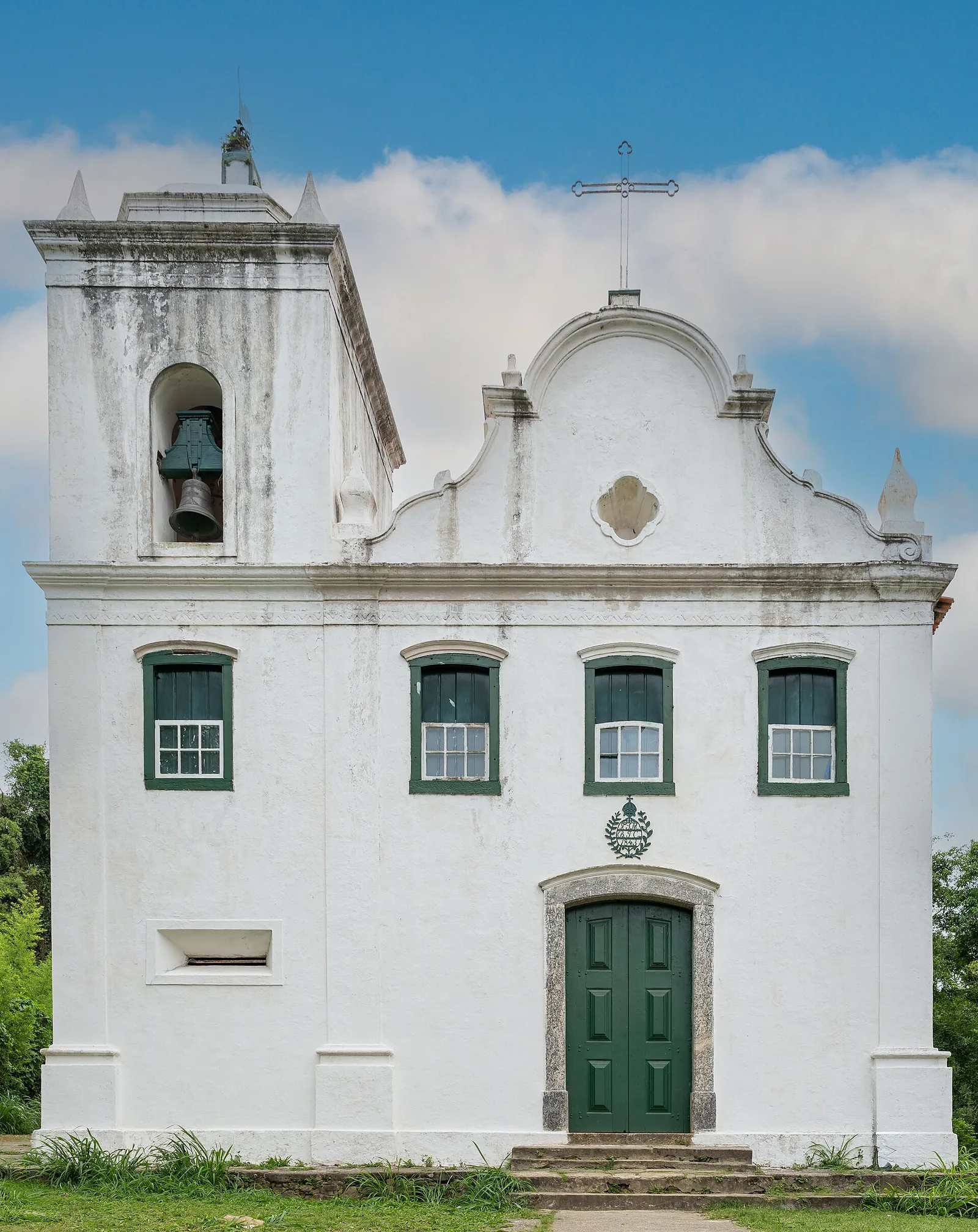
You cannot really talk about fishing here without talking about the caiçara. The caiçara are the traditional coastal people of this stretch of the Atlantic Forest, descended from Indigenous, Portuguese and African roots, and for centuries they have lived from small-scale fishing, cassava farming and the forest. Their villages still dot the Juatinga peninsula, the shores of Saco do Mamanguá and the more remote beaches you can only reach by boat. Much of what makes fishing in Paraty special is that this living culture has not been paved over — it is right there when you step onto the working waterfront or pass the fish stalls near the main quay at dawn.
The older way of fishing here is the hand-line and the dugout canoe. Caiçara canoes are still carved from single logs in the traditional manner, and canoe-making itself is treated as a craft worth preserving. A morning out with a caiçara fisherman is a completely different experience from a charter: quieter, slower, closer to the water, more about reading the tide and the birds than about gear. You will not necessarily catch more — you may catch less — but you will learn how the bay is actually read by someone who has fished it his whole life, and often his father before him. If that appeals, it is worth seeking out through the communities in and around Mamanguá rather than the polished operators; our guide to caiçara culture goes deeper into how to do this respectfully.
A word on respect, because it matters. These are working communities and protected areas, not a theme park. Buy the fish, pay for the trip, tip well, ask before photographing people, and understand that access to some beaches and villages is deliberately limited to protect a way of life that development elsewhere on this coast has already erased. Fishing the traditional way here is a privilege extended, not a service owed.
Types of trip, and choosing the right one
There is no single "Paraty fishing trip." What you book should follow what you want out of the day, how much time you have, and who is coming. Here is how the options break down.
Half-day inshore or reef
The most popular choice, and the one I steer most guests toward. Four to five hours, usually a morning, staying inside the sheltered water. You will bottom-fish the reefs and rock piles, maybe work a mangrove edge, and almost always fold in a swim or a beach stop. Calm water, steady action, home in time for lunch or a swim back at the chalet. This is the right first trip for almost everyone, and the only real trip for young children.
Full-day and offshore
Seven to nine hours, reaching further toward the bay mouth and, on the right boat and the right day, out past the shelter of the islands for pelagic fish. This is for people who genuinely want to fish rather than sightsee with a rod in hand. The seas can be livelier, the runs longer, and the day is more physical. Book it when the forecast is settled, and be honest with yourself about whether everyone aboard will enjoy several hours of open water.
Traditional caiçara outing
Short and slow — a couple of hours in a canoe or small wooden boat with a local fisherman, often near the Mamanguá villages. Less about the catch, more about the place and the person. The best cultural experience of the lot, and gentle enough for almost anyone, though it lacks the gear and comfort of a charter.
Combined fishing-and-island day
Many boats blend a few hours of light fishing into a broader island-hopping day, with swimming and snorkelling stops. If half your group wants to fish and half wants to laze on a beach, this is the diplomatic answer. It overlaps heavily with the standard Paraty boat tours, so if fishing is a secondary interest, book that way rather than a dedicated charter.

Cook your catch
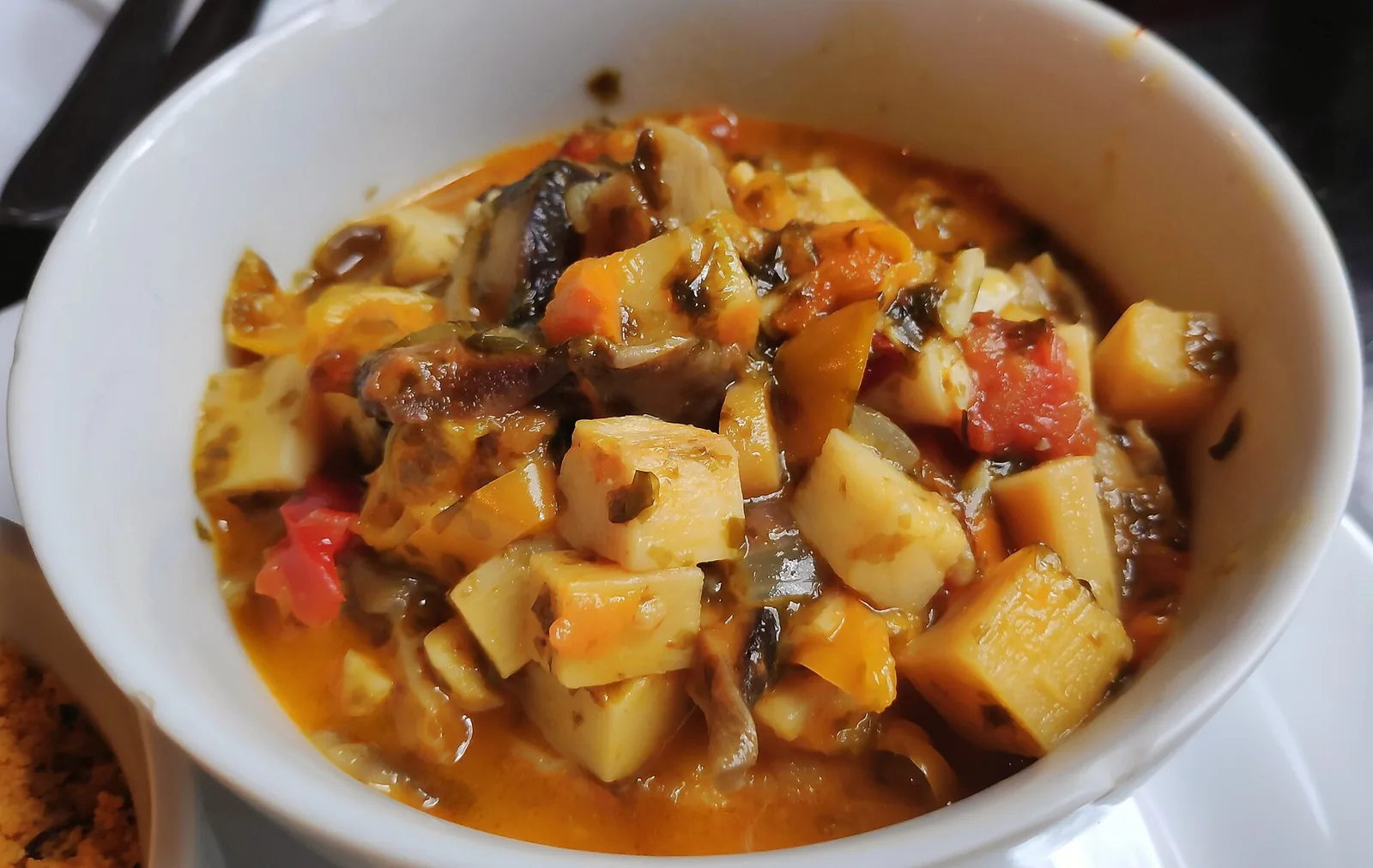
For many guests this is the best part, and it is deeply in keeping with how the coast eats. Fresh fish, handled well and cooked simply within hours of coming out of the water, is a different thing from anything you buy inland. On a lot of caiçara-run trips the crew will clean and fillet what you keep and grill it right there — on a beach, at a kiosk, or on the boat — with rice, farofa, lime and salt, and not much else, because it does not need much else. Some of the seafood houses at the harbour end of town will also cook a fish you bring in, turning your morning's catch into that evening's dinner.
A few practicalities. Confirm the cook-your-catch option when you book, because not every operator offers it and some days the catch is released rather than kept. Keep only what you will eat and what the rules allow — this is not a coast where you fill a cooler and boast. If you would rather someone else did the cooking properly, the town's kitchens do wonders with local seafood regardless of whether you caught it; our guide to eating in Paraty and the broader Brazilian gastronomy journal cover where to go. And back at the chalet, our kitchen is more than up to the job if you would rather grill your own robalo by the pool as the light goes down over the bay.
Licences, rules and doing it properly
This is the part guidebooks skip and then travellers get caught out by. It is not onerous, but it exists for good reason, and following it is part of fishing a place well.
The amateur fishing licence
Recreational fishing in Brazil is meant to be done under a federal amateur fishing licence — the licença de pescador amador — issued by the national fisheries authority and valid throughout the country for a year. It is applied for online, it is inexpensive, and there are separate, low-cost categories for shore-based and boat-based fishing. The good news for visitors is that on a proper chartered trip the operator generally handles licensing, so you do not need to navigate a Portuguese government website before your holiday. Ask the question when you book — "is the licence covered?" — and if you plan to fish independently, say from a rented boat or the shore, sort your own before you cast a line.
Closed seasons (defeso) and size limits
Brazil protects fish stocks through the defeso, a closed season set by the federal environment agency, species by species and region by region, timed to protect spawning. During a species' defeso you may not target or keep it, and artisanal fishers who depend on it receive support to compensate for the pause. There are also minimum sizes and, for some species, catch limits. You do not need to memorise the tables — a reputable guide knows exactly what is in season and what must go back — but you should care that it is happening, and you should not pressure a crew to bend a rule for a photo. If a fisherman tells you a species is closed or too small, that is not him being difficult; that is him keeping the fishery alive.
Catch and release, and light-touch fishing
Not every fish needs to die for the day to be a success. Snook fishing in particular lends itself to catch and release — barbless or de-barbed hooks, wet hands, a quick photo, and the fish back in the water — and many of the better anglers here release the big breeders and keep only smaller fish for the table. If eating your catch is not the point for you, say so, and fish light. The bay has fed people for three centuries because, mostly, people took what they needed and no more.

Seasons, weather and the best time to go
The honest answer is that you can fish out of Paraty in any month, because the islands give you shelter when the open coast would be unfishable. What changes across the year is comfort, water clarity and which fish are running.
The drier, cooler half of the year — roughly April through September — is the sweet spot for many. Seas tend to be flatter, the water clearer, the humidity easier, and this is when the bluefish run brings anchova into the bay. It is also the calmer season for offshore days. The catch is that mornings can be genuinely cool on the water and the odd cold front rolls through, so bring a layer. The warmer, wetter half — roughly December through March — is hot, green and lush, with more rain, often in short heavy afternoon bursts. The fishing inside the islands stays good; you simply plan around the weather and fish the mornings. Whatever the month, calm early mornings are your friend, and a flexible day or two lets you pick the flattest window. Our fuller guide to timing a Paraty trip weighs up the seasons for everything, not just fishing.
One more piece of timing: tides and light. Snook fish best at the low-light edges of the day and around moving water, so a serious inshore angler will be on the mangroves at first light, not mid-morning. Bottom fishing over the reefs is more forgiving of timing. If you are combining fishing with a lie-in and a leisurely breakfast on the terrace, aim for reef and island fishing rather than a dawn snook mission.
Fishing with children and mixed groups
The Costa Verde is unusually kind to families who want to fish, precisely because the water is calm and the action is close in. A family we hosted last autumn — two adults and a pair of restless boys who had never held a rod — booked a half-day of reef fishing on our recommendation, expecting the children to lose interest within the hour. They came back sunburnt and thrilled, because bottom fishing gives near-constant small tugs and the odd decent fish, and the crew had built in a swim stop at a quiet beach when attention flagged. That is the formula for a good family day here: short runs, steady bites, a beach, and no long open-water crossings.
A few things make the difference with children and with anyone who is not a keen angler. Choose the inshore or reef half-day, not the offshore run. Go in the morning before the heat and the wind build. Insist on shade and sun cover, because the glare off the water is fierce. Keep expectations light — the point is a fish or two and a good time on the water, not a trophy. And pick a crew who are patient teachers, which most caiçara fishermen are by temperament. Our guide to Paraty with family has more on tailoring days to different ages, and a fishing morning slots neatly into a wider week of beaches and gentle walks.

What to bring on the water
Most charters supply the fishing itself — rods, reels, tackle, bait and a cooler with ice. What you are responsible for is your own comfort and sun protection, and the tropical sun on open water is stronger than it feels. A sensible day pack looks like this:
- Sun protection first and last: a long-sleeve rash or fishing shirt, a wide-brim or legionnaire hat, reef-safe sunscreen reapplied often, and polarised sunglasses (which also let you see fish and structure in the water).
- A light waterproof layer: for spray, the odd shower, and cool early mornings in the drier season.
- Soft-soled or wet shoes: decks get slippery and beach stops are common; leave the hard soles and heels behind.
- Water and a snack: take more water than you think, especially in summer. Ask whether lunch is included or whether you are stopping at a kiosk.
- A dry bag: for your phone, camera and anything you would rather not soak.
- Cash in small notes: for the beach kiosk, the fish cleaning, and tipping the crew, who earn it.
- Any personal medication: including something for motion if you are prone to it, particularly for a full offshore day.
Leave the cooler-filling mindset at home. Bring an appetite for a fresh grilled lunch and a willingness to release what you do not need.
A morning on the water
To make it concrete, here is how a good half-day tends to unfold. You are at the harbour a little after seven, when the light is still low and the working boats are loading ice. The crew stows your bag, runs through the plan, and idles out past the anchored schooners into the open bay. The first stop is a mangrove point on the way to Mamanguá; the guide cuts the engine well short and poles in quietly, because snook spook easily, and hands you a rod already rigged. You cast tight to the roots, twitch the lure back, and either you hook up or you do not — but even the not is pleasant, drifting a green shoreline as the sun clears the ridge.
After an hour the guide reads the room and moves to a rocky islet for bottom fishing, where the action picks up: a grouper, a couple of reef fish, a jack that pulls harder than its size suggests, and someone in the group finally landing the fish they will talk about at dinner. There is a stop at a beach you could not reach any other way, a swim in water so clear you can watch your own shadow on the sand, and the crew filleting the keepers under a tree. Lunch is the fish, grilled with lime and salt, rice and farofa, eaten with your fingers. By early afternoon you are back at the harbour with salt on your skin and a good tiredness, and by two o'clock you are floating in the infinity pool up at the chalet, looking back down at the exact water you spent the morning on. That is the shape of a fine day here, and it is entirely repeatable.
Beyond the rod: fitting fishing into a Paraty week
Fishing rarely fills a whole trip, and it should not. The pleasure of the Costa Verde is how easily a fishing morning sits beside everything else the region does well. A dedicated angler might fish two or three mornings and spend the afternoons doing nothing much; a mixed group might fish once and give the rest of the week to beaches, the old town and the mountains.
The obvious neighbour is the wider bay itself — the island-hopping boat tours cover much of the same water at a gentler pace, and a longer day trip to Ilha Grande pairs beautifully with a separate fishing day. On land, Paraty's cobbled historic centre is one of the best-preserved colonial towns in Brazil and rewards an aimless evening wander, especially around the festivals; the beaches and forest waterfalls fill the hot afternoons; and the cachaça distilleries in the hills behind town are a fine counterpoint to a day at sea. If you want the region mapped out end to end, our Explore Paraty hub pulls the whole thing together, and the sample itineraries show how a fishing morning drops into a well-paced week without dominating it.
Getting here and where to base yourself
Paraty sits on the coastal road between Rio de Janeiro and São Paulo, and both cities feed the town with visitors, which shapes how people arrive to fish. From Rio it is a drive of roughly four hours down the Costa Verde, one of the more scenic road journeys in Brazil once you clear the city. From São Paulo it is a similar distance inland and down through the mountains, often a little longer depending on traffic out of the metropolis. There is no commercial airport in Paraty itself; travellers flying in from elsewhere in Brazil or from abroad generally land in Rio or São Paulo and drive, or arrange a private transfer. Whichever way you come, allow the town a couple of unhurried days rather than treating it as a stopover — the fishing, like everything here, rewards not being rushed. Our getting-around notes cover transfers, driving and the practicalities in more detail.
Where you stay changes the character of a fishing trip more than people expect. Down in town you are close to the harbour, which is convenient for a dawn start, but you are also in the thick of the crowds and the heat. Up at Château Portofino you trade a few minutes of morning drive for something better: a hillside chalet about four hundred metres above the bay, with an infinity pool and a single wide deck that looks out over Paraty, Angra dos Reis and Ilha Grande all at once — which is to say, over the whole fishery. It is the kind of base you return to after a day out, salt still on your skin, to swim in the pool as the sun drops and grill your catch on the terrace. You can read more about the house on our chalet page, and when you are ready to plan the dates and line up a boat, our team is a message away on the contact page — we are happy to point you to the right crew for the day you have in mind, whether that is a family reef morning, a serious snook mission, or a quiet hour in a caiçara canoe.
Fishing the Costa Verde is not about conquering the sea. It is about spending a morning inside one of the calmest, greenest corners of the Brazilian coast, learning a little of how the caiçara read this water, and coming home with a fish, or a story, or simply the memory of the bay gone silver at first light. Do it once and you will understand why the small wooden boats still go out every dawn, three hundred years on.

Frequently asked questions
For recreational fishing you are meant to hold a federal amateur fishing licence (licença de pescador amador), issued by the national fisheries authority and valid across Brazil for a year. It is inexpensive and applied for online. On a chartered boat the operator will normally sort the paperwork and licensing on your behalf, so ask when you book.
Inshore you are chasing snook (robalo) around the mangroves and river mouths, plus jacks and the odd barracuda. Over the reefs and rock piles you find grouper (garoupa), snapper and other bottom fish. In open water toward the mouth of the bay there are Spanish mackerel, bluefish (anchova) in the cooler months, and occasional tuna and dorado further out.
Yes. The bay is sheltered and calm, so a half-day of light bottom-fishing over the reefs suits children well — there is steady action, short runs between spots, and a beach or swimming stop built into most trips. Choose a slower inshore day rather than a long offshore run, and bring sun cover.
Often, yes. Many caiçara-run trips will clean your catch and grill it at a beach kiosk or on the boat with rice, lime and farofa. Some of the harbour seafood houses will also cook a fish you bring in. Confirm the cook-your-catch option when you book, since not every operator offers it.
You can fish year-round in the sheltered bay. The drier, cooler months from roughly April to September bring flatter seas, clearer water and the bluefish run; the warmer, wetter months from December to March are hot and green but still very fishable inside the islands. Pick a calm morning in any season.
A relaxed inshore or reef half-day runs about four to five hours. A full day, reaching further toward the mouth of the bay or the open edges, runs seven to nine hours. Traditional caiçara outings can be as short as a couple of hours in a canoe near the villages.
Sun protection above all — a long-sleeve shirt, a hat, reef-safe sunscreen and polarised sunglasses. Add a light rain layer, soft-soled shoes, water, and a dry bag for your phone. Most charters supply rods, tackle, bait and a cooler; ask what is included so you are not doubling up.