In this guide
There is a version of this trip that tries to see everything in four days, and it leaves people tired and slightly cheated. Ten days is different. A well-built Rio Paraty itinerary for 10 days gives the city its due, treats the drive down the Green Coast as part of the holiday rather than a transfer to endure, and then hands you the long middle of the trip on the coast, where the pace finally drops. This is the loop I plan most often for guests who fly in from abroad, and the one I would plan for my own family.
The shape is simple. You start in Rio de Janeiro because that is where the flights land and because the city is worth two or three unhurried days on its own. Then you drive south along the Costa Verde, the strip of Atlantic-forest coast between Rio and the São Paulo border, and you settle into Paraty for the heart of the trip. From that base you fan out: the colonial centre, the beaches, a full day on Ilha Grande, a morning in the mountains chasing waterfalls and cachaça. At the end you turn back north to Rio for the flight home. No back-tracking, no wasted legs, and enough slack that a rained-out afternoon does not sink the plan.
Ten days is enough to stop treating the coast as a checklist and start treating it as a place you live in for a while. What follows is how I would spread those days, what to see and skip, honest timings, and the small trade-offs that decide whether the trip feels relaxed or scattered.


Why ten days, and how to split them
People arrive with two instincts that pull against each other. One is to pack Rio with sightseeing because they may never be back. The other is to collapse on a beach the moment they reach the coast. Ten days lets you do both honestly rather than half of each. My default split is three nights in Rio, six on the coast built around Paraty, and one last night back near the Rio airport. If you love cities, borrow a night from the coast. If beaches and islands are the whole reason you came, do the opposite.
The one rule I hold to is this: do Rio first and the coast last. Rio is stimulating, loud and full of logistics — cable cars, cog trains, traffic, museums. It is a better arrival than a farewell. The coast, by contrast, is where you want to be when your body has finally adjusted and you have stopped checking the clock. Ending the trip somewhere you can swim in the morning and read in the afternoon is the difference between coming home rested and coming home needing a holiday from the holiday.
The other reason to weight the trip toward the coast is that most visitors underestimate it. Paraty and its islands are not a side trip from Rio. They are a UNESCO-listed colonial port, a marine bay with more than sixty islands, a tropical fjord, a stretch of preserved rainforest and some of the best beaches in the state. Give that four or five days and it opens up. Give it a day and a half and you will see the postcard and miss the place.
Ten days is enough to stop treating the coast as a checklist and start treating it as a place you live in for a while.
Days 1 to 3: Rio de Janeiro
Three nights in Rio gives you two full days plus your arrival afternoon. That is enough for the landmarks that actually earn their reputation, one proper beach session, and a slower neighbourhood day. Resist the urge to add a fourth headline sight. The city rewards depth over volume, and you have the coast waiting.
The classic first full day
Give your first full day to the two views everyone comes for, and do them in the right order. Go up Corcovado to the statue of Christ the Redeemer early, before the midday haze and the tour buses thicken. The cog train through the Tijuca forest is part of the pleasure. In the afternoon, ride the cable car up Sugarloaf — Pão de Açúcar — timed so you are near the top as the light softens over the bay. These two together are a full day with travel between them, and they are genuinely worth it. The trade-off is that both are exposed and busy; buy timed tickets ahead and treat the schedule loosely.
If clouds sit low on the peaks, flip the plan and spend the day at sea level instead — the beaches, the Sunday market in Ipanema, the lanes of the old centre — and climb the next morning when the sky clears. Rio views are weather-dependent, and forcing them on a grey day wastes the best part.
Beaches, neighbourhoods and slowing down
Your second day should breathe. Spend a morning on the sand at Ipanema or Copacabana, walking the mosaic promenade, swapping the beach chair for a coconut when the sun turns heavy. Then choose one neighbourhood to go deep on rather than three to skim. Santa Teresa, on its hill of cobbled streets and old mansions, is made for an unhurried afternoon of galleries and terrace lunches. The Jardim Botânico, the botanical garden with its avenue of imperial palms, is the quiet alternative if you want shade and birdsong instead of crowds. In the evening, Lapa comes alive with live samba around its old arches — good for one night, less so if you have an early drive.
For a fuller treatment of the city — where to stay, how to move around, which views are worth the queue — our Rio de Janeiro luxury guide goes well beyond what fits here. The short version: two landmark half-days, one beach morning, one neighbourhood you actually wander, and you have taken the measure of Rio without letting it swallow the trip.
Day 4: The drive down the Costa Verde
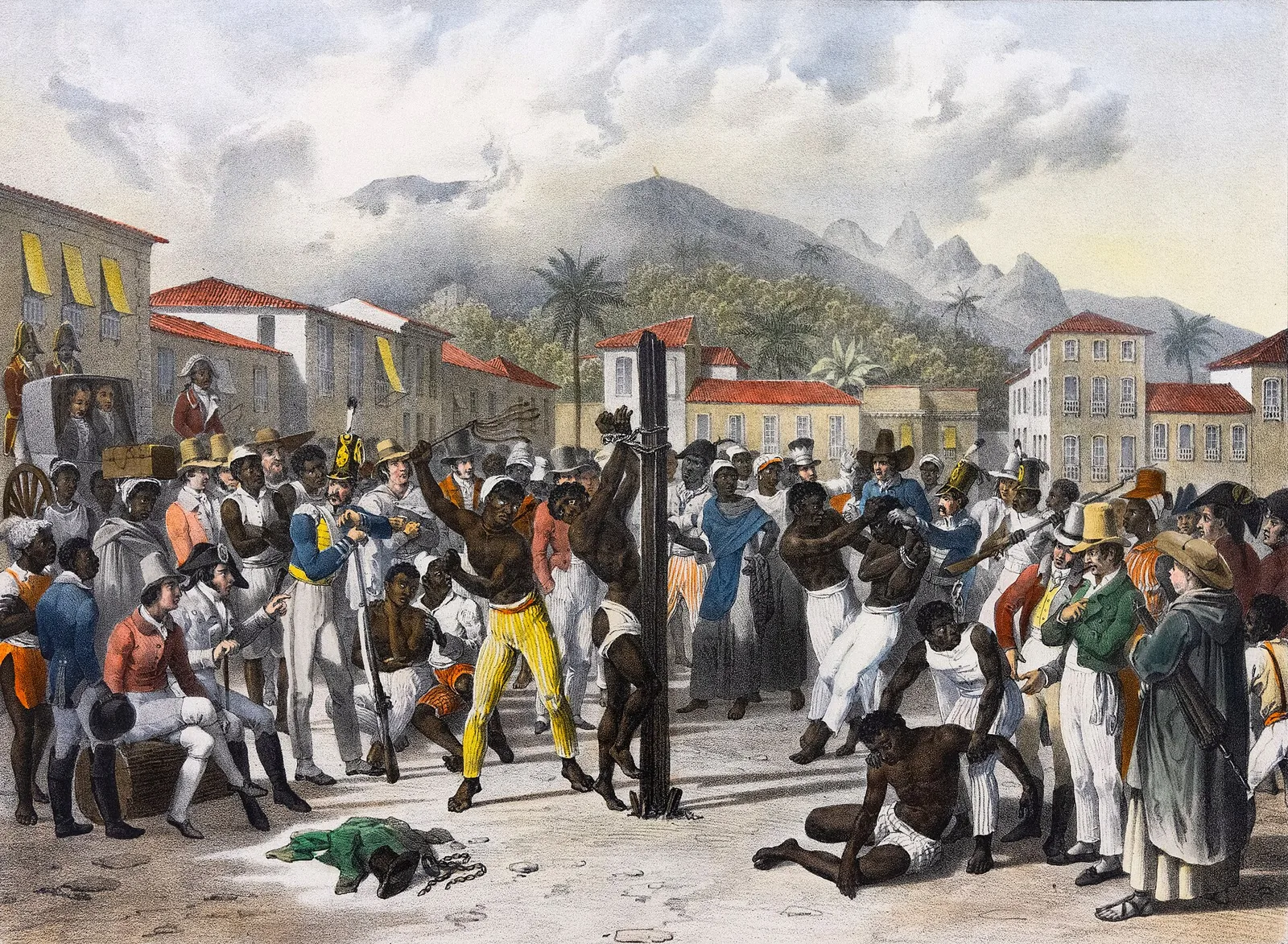
The road south is not a chore to survive between the good parts. It is one of the good parts. Rio to Paraty is roughly 240 kilometres on the BR-101, the coastal highway locals still call the Rio-Santos. Plan on four to four and a half hours of actual travel, and more once you factor in a lunch stop and the places you will want to pull over. The road hugs the coast with the bays and beaches of the Costa Verde on one side and the wall of the Serra do Mar rising green on the other.
Driving yourself or booking a transfer
The honest question is whether to drive. Here is the trade-off. A rental car gives you the mountain roads, the waterfalls and the southern beaches on your own schedule once you are based in Paraty, and it lets you stop freely on the way down. The cost is that the BR-101 is winding, occasionally slow behind trucks, and not somewhere you want to be after dark or in heavy rain. If you are comfortable on a mountain road and you like independence, drive, and drive it in daylight. If you would rather arrive relaxed, a private transfer is money well spent, and you can still hire a car or use boat tours for individual days from town. Many guests do exactly that — transfer down, car for two of the coast days, boats for the rest.
Stops worth making
Break the drive rather than pushing through. A few honest options, described by type rather than by name so you can pick what suits the day:
- A late breakfast on the way out so you leave Rio fed and are not starting the winding section hungry.
- Angra dos Reis and its bay, roughly two-thirds of the way, where a harbourside lunch looking at the islands makes a natural halfway point. If islands pull at you, this is where the appetite starts.
- A beach pull-off or two on the quieter stretches south of Angra, where the road runs close to the water and a fifteen-minute swim resets everyone in the car.
Aim to reach Paraty with light to spare. Arriving in daylight means you settle in, find the town, and have a first dinner without the disorientation of a night arrival on unfamiliar roads.
Days 4 to 8: Settling into Paraty, your hillside base
This is the heart of the trip, and the reason to base yourself somewhere you are happy to return to every afternoon. Paraty is small, walkable and low-slung; the colonial centre is closed to cars and paved with the same rough stones the mule trains crossed three centuries ago. Around it spreads a bay of more than sixty islands, and behind it the mountains climb into cloud forest. From one place you can reach the historic streets, the beaches, the islands and the waterfalls, all within an easy radius.
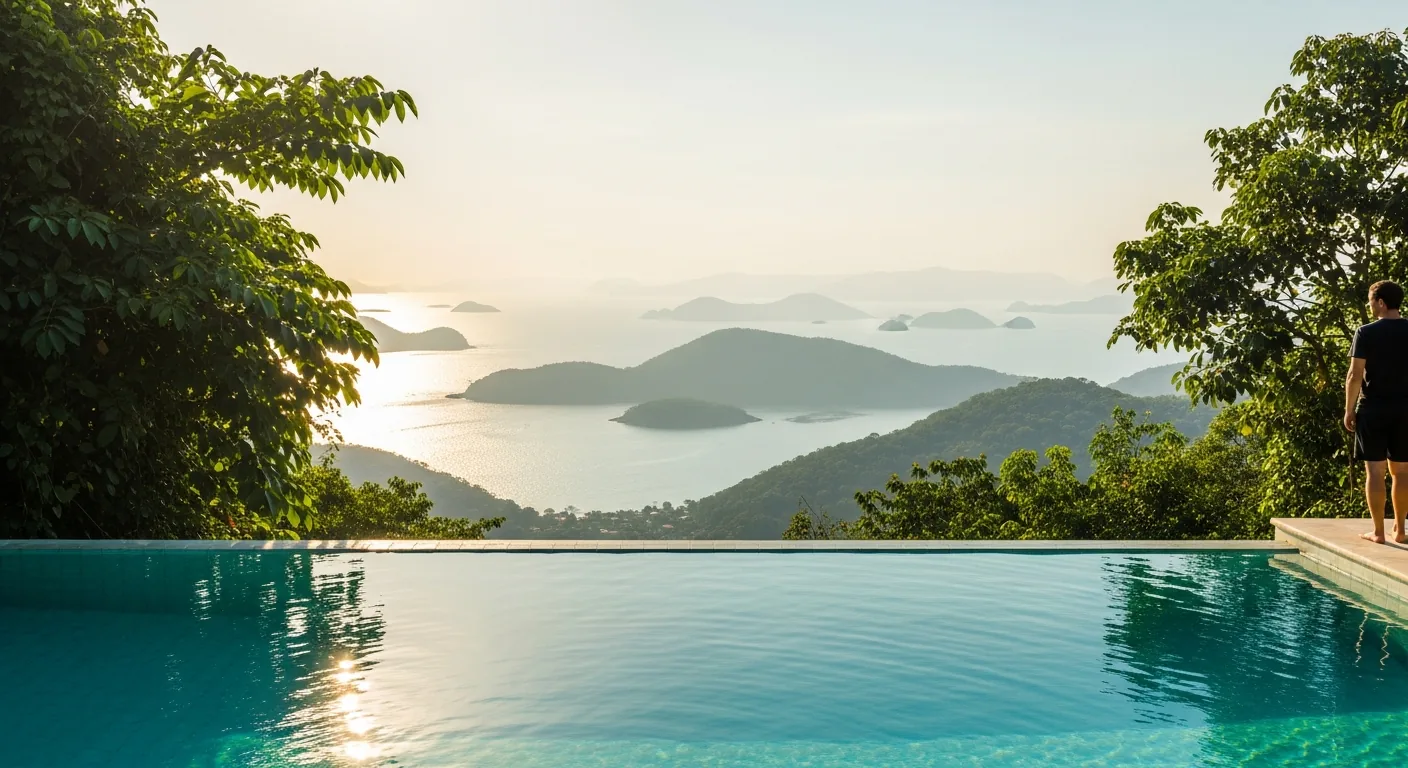
Where you sleep shapes how the days feel. Château Portofino sits about 400 metres above the bay on the hillside, with an infinity pool that reads straight out toward the water and a single deck that holds Paraty, Angra dos Reis and Ilha Grande in one view. The practical value of a base like this over ten days is simple: you go out for the day — a boat, a beach, the town — and you come back to a swim and a quiet evening above the heat, rather than fighting for space on the sand at dusk. A short drive separates you from the centre, which is exactly the distance you want between a busy day and a calm night.
I would not schedule these five days tightly. Pick one main thing per day, leave the afternoons soft, and let the weather steer. What follows is the menu, not a timetable.
The colonial centre
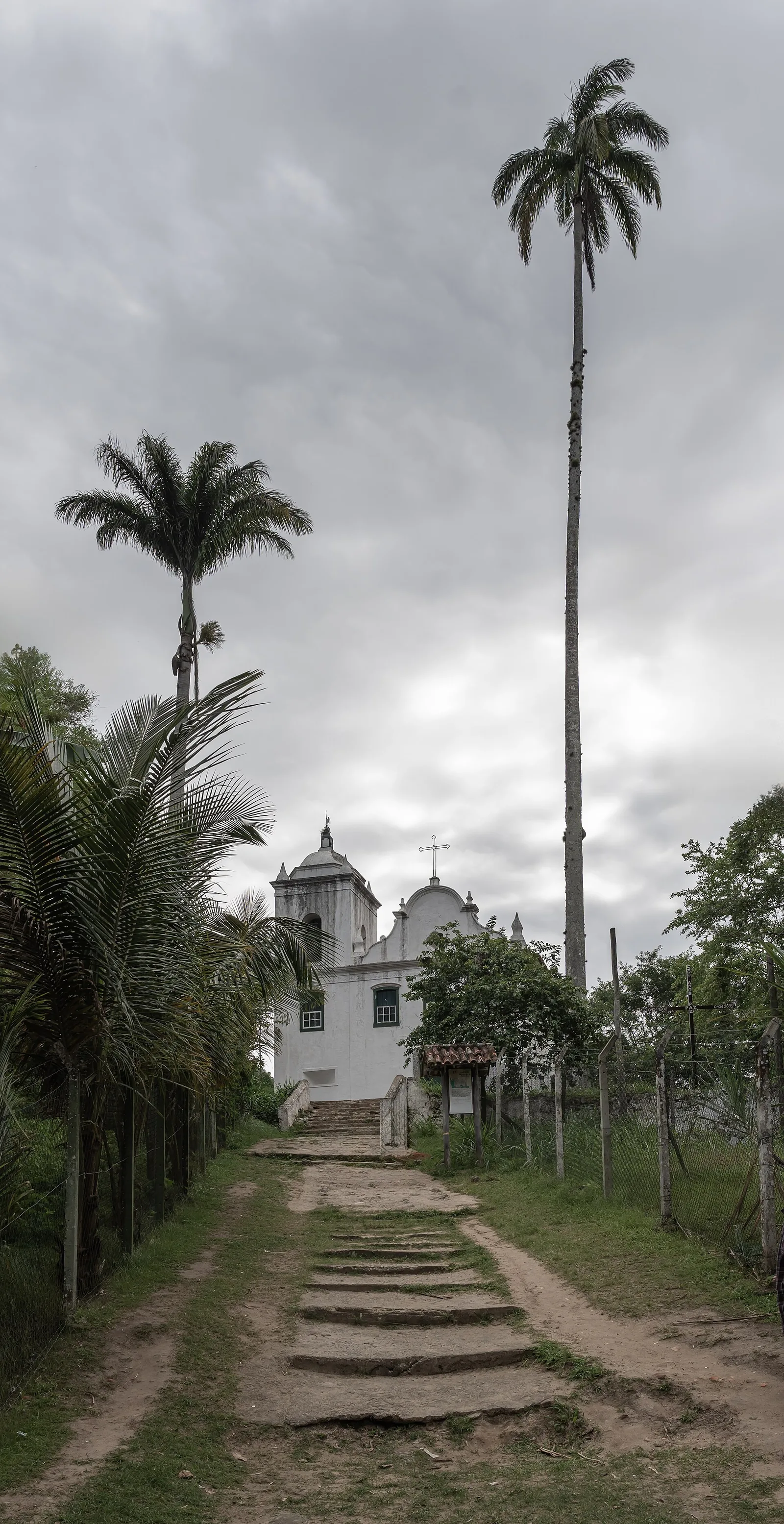
Give a full, slow half-day to the old town on foot, ideally starting early or in the last hours before sunset when the light warms the whitewash and the cobbles are kind. Paraty was founded by the Portuguese in the seventeenth century and grew rich as the port where gold from Minas Gerais met the sea. That history is written in the streets: the Chapel of Santa Rita, the oldest church in town, now holding a small museum of sacred art; the larger Matriz church on its square; the Casa da Cultura in a restored eighteenth-century mansion. Wander without a fixed route. The pleasure is the ensemble — the doors painted in deep blues and reds, the tidal streets that flood on the biggest moons, the workshops and small galleries — rather than any single monument. Our guide to the historic centre maps the churches, the best hours and the streets worth doubling back for.
Beaches and boat days on the bay
You cannot understand Paraty from land alone. The bay is the point, and a day on the water is the single experience I would protect above all others. There are two ways to do it, and the choice is a real one. The larger wooden schooners run a fixed circuit of islands and swimming stops for a set price, sociable and easy, leaving from the town pier through the morning. A private or small speedboat costs more but lets you set the route, linger where the water is clearest, and reach quieter coves the big boats skip. For a couple or a family who want the day to be theirs, the private option is worth it; for a relaxed sampler, the schooner is honest value. Either way, our boat tour guide lays out the circuits and what each one includes.
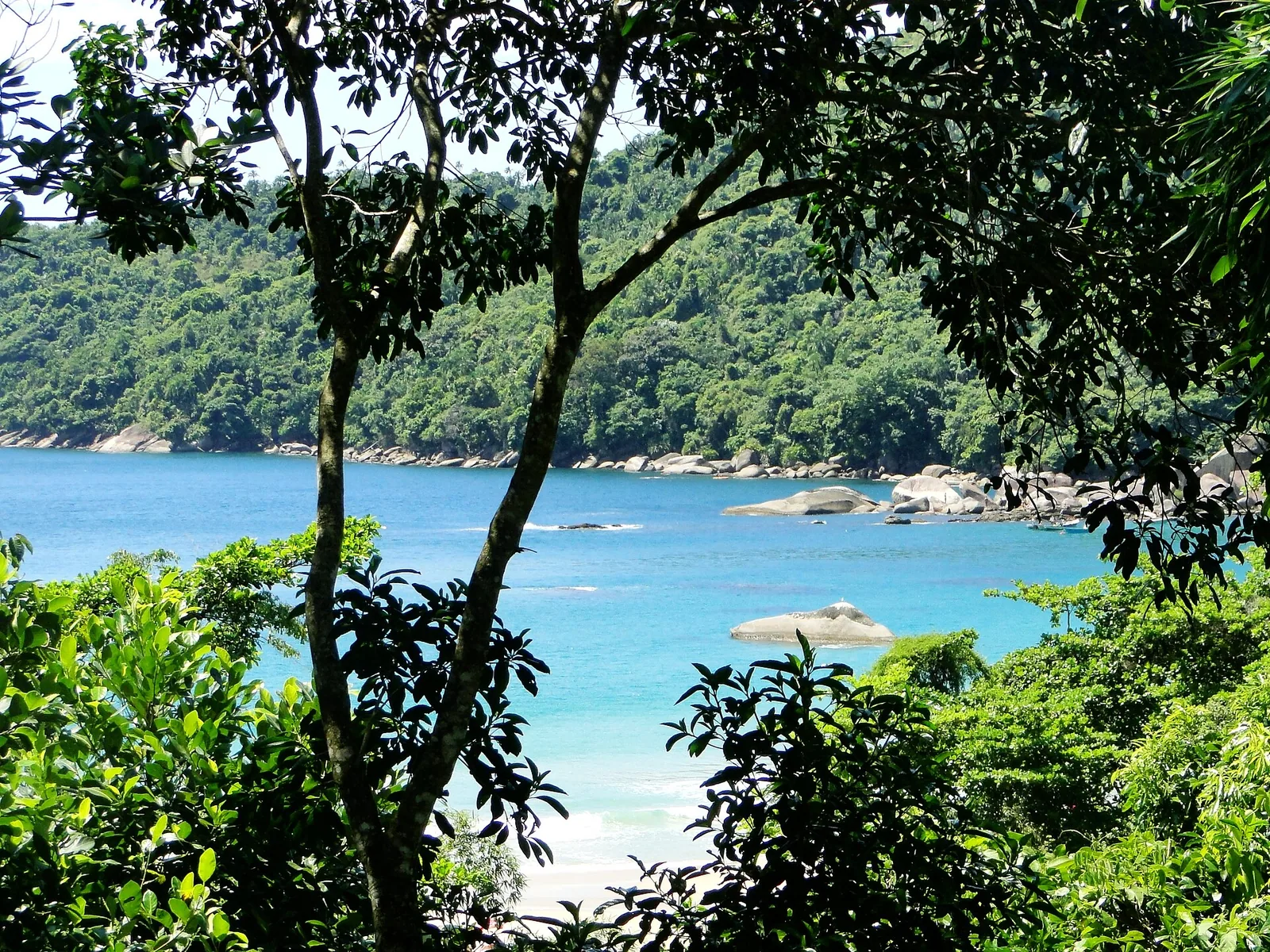
On the mainland, the beaches split into the easy and the earned. Trindade, about half an hour south on the coast road, is the easy one — a former fishing and surf village with a string of beaches and a famous natural tidal pool at Cachadaço, reached by a short walk over the rocks. It is beautiful and it is busy in season; go early. Our Trindade guide covers the pools, the parking and the walk. For the earned kind, Praia do Sono is reached by a forty-minute trail over a headland or by boat, and rewards the effort with a broad, undeveloped sweep of sand. And for something singular, Saco do Mamanguá is a tropical fjord — an eight-kilometre arm of sea reaching into the mountains, lined with mangrove, small beaches and fishing communities, best seen by boat or stand-up paddle with a short climb to the lookout at Pico do Pão de Açúcar for those with the legs for it.
If you would rather have someone shortlist the sand for your particular group, our roundup of the best beaches around Paraty sorts them by effort, crowd and character.

Day 6 or 7: Give a day to Ilha Grande
Ilha Grande deserves its own day inside these ten, and it is worth being clear-eyed about what that day involves. The island sits in the bay off Angra dos Reis, car-free, mountainous and covered in Atlantic forest, with the main village at Abraão. From Paraty by fast boat it is roughly 90 minutes each way, which makes for a long day rather than a lazy one. You leave in the morning, you get the middle of the day on the island, and you are back for dinner.
The prize is Lopes Mendes, a long stretch of open-ocean sand that has turned up on more than one list of the world's finest beaches. Reaching it is part of the story: a boat to the Pouso landing and then a fifteen-minute walk through the forest to the sand, with no buildings and no bars once you arrive — bring water and shade. Alternatively there are gentler beaches nearer Abraão and short forest trails if the group's energy is mixed. Our Ilha Grande day trip guide covers the boat options and the timing.
Here is the honest upgrade. If islands and beaches are the reason you built this trip, turn the day into an overnight. One night in Abraão lets you reach Lopes Mendes without the clock running, watch the village empty as the day boats leave, and swim early before the crowds return. It costs you a night away from your base and a little packing, and it is the single change most likely to become the memory of the trip. The complete Ilha Grande guide weighs the day trip against the overnight in more detail.
Days into the mountains: waterfalls, the gold trail and cachaça
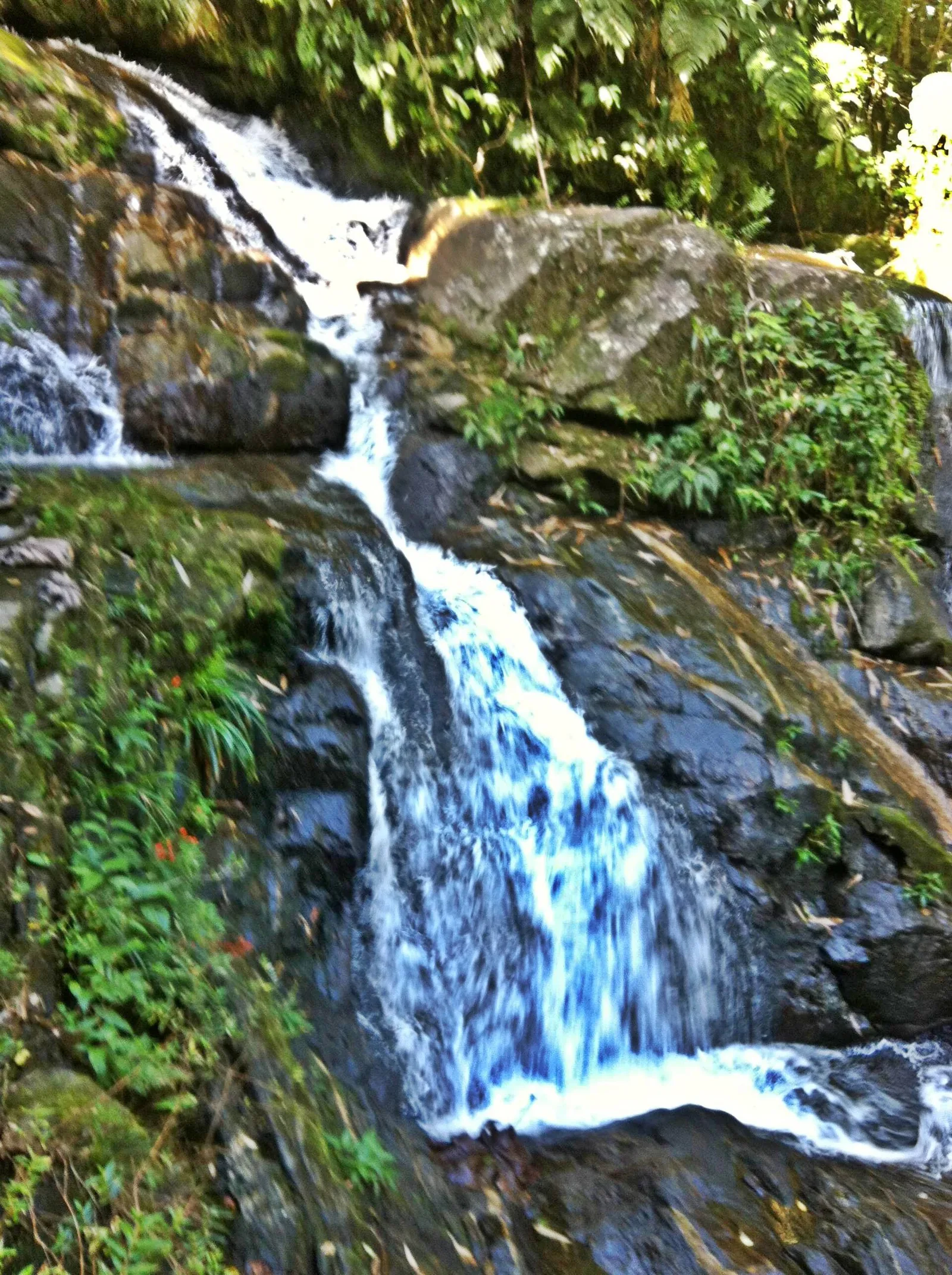
Not every coast day should be a beach day, and the mountains behind Paraty are cool, green and close. The road that climbs toward the town of Cunha, on the São Paulo side of the range, passes a run of waterfalls and cold forest pools within twenty to thirty minutes of town. Some are roadside and busy; others take a short walk and reward you with a pool to yourself on a weekday. This is the best morning to have after a run of sun — the water is bracing, the air is fresh, and the forest is loud with birds. Our waterfalls guide ranks them by access and crowd.
Walking the Caminho do Ouro
The reason Paraty exists is the gold. In colonial times this was the coastal end of the Estrada Real, the royal road that carried gold down from the mines of Minas Gerais to the port. A restored section of that route, the Caminho do Ouro, climbs into the forest above town on the original stone paving laid by enslaved and indigenous labour. A guided morning on it is equal parts history and nature walk — the engineering of the road itself, the stories of the mule trains, and the cloud forest closing over the stones. It is moderate rather than hard, and it pairs naturally with a waterfall stop on the way back down.
The cachaça distilleries
Paraty's other export was sugar, and where there is sugar there is cachaça. The valleys around town still hold small working stills — alambiques — that press cane and distil the spirit much as they always have. A visit to one, described by type since I would rather you taste your own favourite than take mine, walks you through the cane, the copper, the ageing barrels and, of course, the tasting. It is a genuinely good half-day, especially in the afternoon when the light is low over the cane fields. Our cachaça distilleries guide covers which stills welcome visitors and what to look for in a good bottle to carry home.

Food, the caipirinha and eating well on the coast
The food along this coast is simpler and better than most people expect. Paraty eats from the sea: whole fish grilled or stewed, prawns, and the regional moqueca — a fragrant seafood stew of tomato, onion, coriander, palm oil and coconut milk, served bubbling with rice and pirão. The seafood houses at the harbour end of the old town do it well; so does any place with a queue of Brazilians rather than a menu in four languages. Inland and in the mountains, the cooking turns to trout, farm cheese and cachaça-glazed everything.
The caipirinha belongs here more than anywhere, made with the local cachaça, lime, sugar and ice, and it is worth drinking it where the spirit is distilled. Beyond the lime original, you will find versions with passion fruit, cashew fruit and other things that do not travel. Order the fruit you cannot get at home. For the wider picture — the dishes, the regional variations, the etiquette of a long Brazilian lunch — our Brazilian gastronomy guide is the deeper read, and the cachaça and caipirinha piece explains why the coast takes the drink so seriously.
A note on rhythm: Brazilian lunches are long and dinners are late. Lean into it. A slow lunch after a boat morning and a light, late dinner suits the heat and the pace far better than trying to run the day on a northern-hemisphere clock.
When to go, and what the weather does to the plan
Timing changes this trip more than any other decision except length. The Green Coast is warm year-round, but the seasons trade heat, rain and crowds against each other.
- December to February is high summer: hottest, greenest, busiest, and prone to heavy afternoon downpours that clear as fast as they come. Book well ahead and expect company on the beaches. This is peak season and peak prices.
- April to June and August to October are, to my mind, the best windows. The water is still warm, the crowds thin, the light is clearer and the mountains are at their greenest. Prices ease. This is when I would send someone who has a choice.
- July is Brazilian winter school holidays and, in most years, the FLIP literary festival — Paraty's international literary gathering that fills the town for a long weekend. Wonderful if you want the buzz and the readings; book months out if your dates are fixed. Otherwise, know that it is on and plan around it.
Rain is part of the deal on this coast, and ten days almost guarantees you a wet afternoon or two. That is the argument for a base with a covered deck and a pool you will use in a passing shower — the mountains catch cloud, and a grey morning often burns off by noon. Our best-time-to-visit guide breaks down the months in more detail, including the tidal calendar that floods the old streets on the biggest moons.
.jpg)
A sample ten-day plan at a glance
Here is one honest way to spend the ten days. Treat it as a skeleton, not a schedule — the whole point of ten days is that you can move things when the weather or the mood shifts.
- Day 1 — Arrive Rio. Settle in, walk the beach at dusk, eat early. Sleep off the flight.
- Day 2 — Rio landmarks. Corcovado in the morning, Sugarloaf for the late light.
- Day 3 — Rio slow day. Beach morning, then Santa Teresa or the botanical garden; samba in Lapa if you have energy.
- Day 4 — Drive south. Leave after breakfast, lunch near Angra, reach Paraty by mid-afternoon and settle into your base.
- Day 5 — The colonial centre. A slow morning in the old town, an easy afternoon by the pool, first proper dinner in town.
- Day 6 — Bay day. A schooner or private boat around the islands, swimming and lunch on the water.
- Day 7 — Ilha Grande. Long day to Lopes Mendes, or the overnight version if beaches are your priority.
- Day 8 — Mountains. Waterfalls and the gold trail in the morning, a cachaça still in the afternoon.
- Day 9 — South beaches or a soft day. Trindade and its tidal pool, or Mamanguá, or simply nothing at all.
- Day 10 — Back to Rio. Drive north after a last swim, one easy night near the airport, fly home the next morning.
If ten days feels like more room than you have, our set of shorter Paraty itineraries scale the same ideas down to three, four or five days on the coast.
Packing and practicalities
You are moving between a big city, a mountain road, boats and rainforest, so pack for range rather than for a single beach. A short, honest list:
- Light layers and one warm one. The coast is hot, but boats get windy and the mountains are genuinely cool, especially in the April-to-October window.
- Proper sun protection. The sun here is strong and the boats and open beaches offer no shade. Reef-safe sunscreen, a hat and a rash top earn their place.
- Shoes that can get wet and shoes that can climb. The colonial streets are rough cobble that turns slick in rain; the trails to Sono and Lopes Mendes want grip.
- A dry bag for phones and cameras on boat days. Spray happens.
- Cash in small notes. Cards work in town, but boat crews, beach kiosks and the smaller stills often prefer cash.
- Insect repellent for the forest walks and the mangrove at Mamanguá.
On money and language: cards are widely accepted in Rio and Paraty town, less so on the beaches and boats. A little Portuguese goes a long way; English is common in tourism but far from universal once you leave the main streets. Book the marquee items — the Rio cable cars, a private boat, an Ilha Grande overnight — before you arrive in high season, and leave the rest loose. And keep your flight day sacred: do not schedule the long drive back to Rio on the same morning you fly. One buffer night in the city is the cheapest insurance in the whole plan.
Day 9 to 10: The way back to Rio
Turning north again should be gentle. Drive the BR-101 back in daylight, and if you skipped Angra's bay on the way down, take the harbour lunch now. Arriving into Rio in the afternoon leaves you time to drop the car, settle near the airport or back in the beach neighbourhoods, and have one last unhurried dinner. There is a particular pleasure in this final night: the coast still on your skin, the city lit up, and nothing left to organise. Fly home the next morning rested rather than scrambling.
If your flight allows a later departure, a last slow morning on Copacabana or a final coffee in a Santa Teresa courtyard is a fine way to close. The point is not to add one more sight. It is to end the trip the way the coast taught you to move — slowly, and on purpose.
The case for slowing down
The mistake I see most often is not a bad route. It is too much of a good one. People try to bolt Búzios or Ubatuba or a second island onto ten days that are already full, and the trip loses the thing that made it worth taking. The Green Coast is not a place you conquer. It is a place you sink into. Two or three days in Rio, a proper stretch on the coast, one island given its due, a morning in the mountains — that is a complete trip, and it leaves room for the afternoons where nothing is planned and everything is better for it.
Ten days is the length at which this coast finally makes sense. You stop counting sights and start noticing light. You learn which beach is quiet on a Tuesday and which vendor makes the caipirinha you like. You come back to the same deck each evening and watch the same three bays change colour, and by the end it feels less like sightseeing and more like belonging somewhere for a while. A hillside base above the water — a pool to come home to, a view that holds Paraty, Angra and Ilha Grande at once, and a short drive between the day's activity and the night's quiet — is what makes that possible without the day feeling like logistics.
If you want a hand shaping these ten days around your dates, your group and your appetite for driving versus boats, the wider Explore Paraty pages gather the pieces, and you are always welcome to get in touch and tell us what kind of trip you are after. We will point you to the right boat, the right morning for the mountains, and the afternoons worth leaving empty.
Frequently asked questions
Yes, and it is close to ideal. Ten days lets you give Rio two or three real days, drive the Costa Verde without rushing, base yourself in Paraty for the middle of the trip, and still fit a full day on Ilha Grande. Anything shorter forces you to skip either the islands or the mountains.
Two to three nights is the sweet spot. That covers Corcovado and Sugarloaf, a beach afternoon in Ipanema or Copacabana, and one slower neighbourhood day in Santa Teresa or the botanical garden. Save the rest of your time for the coast, which most people underestimate.
It is roughly 240 kilometres on the BR-101 coastal road, and realistically four to four and a half hours with stops. The road is scenic but winding, so drive it in daylight and build in a lunch break. A private transfer is the low-stress alternative if you would rather not drive.
Not inside the town, where the colonial centre is pedestrian and cobbled. A car is useful for reaching Trindade, the waterfalls and the mountain road, and for getting up to a hillside base. Many guests mix a few days with a car and a few days on boats and transfers.
It is, though the island rewards an overnight even more. By fast boat it is roughly 90 minutes each way, which makes a long day rather than a relaxed one. If islands and beaches are the point of your trip, consider one night in Abraão and a full day at Lopes Mendes.
April to June and August to October give you warm water, greener light and thinner crowds. December to February is hottest and busiest, with more afternoon rain. July is Brazilian winter holidays and the FLIP literary festival, so book early if those dates are fixed.
Ending on the coast is calmer, but flying home usually means a final night back in Rio near the airport. A common rhythm is Rio first, the coast in the middle and long, then one easy night back in the city before departure so you are not driving to a flight.