In this guide
Money is the one part of a Brazil trip that people quietly worry about and rarely need to. The system here is modern, mostly cashless in the cities, and friendlier to a well-prepared visitor than almost anywhere I have travelled. Once you understand a handful of habits, the real stops being a mystery and becomes what it should be: background noise while you enjoy the bay. This guide walks through Brazil money, costs and tipping the way I would explain it to a friend arriving for the first time, with an eye on Paraty and the wider Costa Verde where our chalet sits above the water.
The short version is this. Pay for almost everything with a card, ideally contactless. Keep a modest stack of small cash notes for the places a card will not reach, which on this coast means beach kiosks, boat men, a few market stalls and the odd remote village. Do not bother trying to master Pix unless you have a Brazilian account, and do not stress about the tip, because the restaurant has usually added it for you. Everything below is detail on top of those four sentences.
I will give real numbers where they help, and I will keep them honest. Prices move, the real wobbles against the dollar and the euro, and a beach town in high summer is a different animal from the same town on a wet Tuesday in May. So treat figures here as the shape of things rather than a quote. What does not change is the method, and the method is what keeps money from ever becoming the story of your holiday.

Brazil money, costs and tipping at a glance
The currency is the Brazilian real, written R$ and shortened to BRL. One real splits into a hundred centavos, though you will rarely handle coins smaller than a few reais. Notes come in 2, 5, 10, 20, 50, 100 and 200 reais, in cheerful colours with Brazilian wildlife on the back, which makes them easy to tell apart once you have held a few. Menu prices read as R$ 48 or R$ 120, and you say the numbers much as you would at home.
For a sense of scale, the real has traded somewhere around five to six to the US dollar and close to six to the euro in recent years. That is a moving target, so glance at a currency app the morning you land rather than trusting a figure from a blog. The practical upshot for most visitors from North America and Europe is that Brazil feels like reasonable value: a good dinner costs real money but rarely a shocking amount, and small daily things, a coffee, a beer, a taxi across town, feel cheap.
Three payment worlds coexist here. Cards, which dominate. Cash, which fills the gaps. And Pix, the instant transfer system that locals live on but most tourists cannot easily join. Get the balance right between the first two and you will glide through a trip. The rest of this guide is really about that balance, plus the small matter of the ten percent that lands on your restaurant bill.
Money in Brazil rarely bites the prepared traveller; it only surprises the one who assumed the beach kiosk took cards.
Cards versus cash: what actually happens on the ground
Brazil went cashless faster and more thoroughly than most of Europe, let alone the United States. In Rio and São Paulo you can go days without touching a note. Contactless is everywhere, tap-to-pay on phones is normal, and the little card machines, the maquininhas, appear at your table, in taxis, at market stalls and in the hands of people selling coconuts on the sand. A waiter will bring the machine to you, tap in the amount, turn it round, and you tap or insert. It is quick and it is safe, because your card never leaves your hand.
Visa and Mastercard are accepted almost universally. American Express works in bigger hotels and restaurants but not reliably in small places, so do not make it your only card. Bring at least two cards from different networks, kept in different pockets or bags, so that a declined transaction or a swallowed card is an annoyance rather than a crisis. Tell your bank you are travelling if it still uses fraud rules that panic at a charge from Brazil.
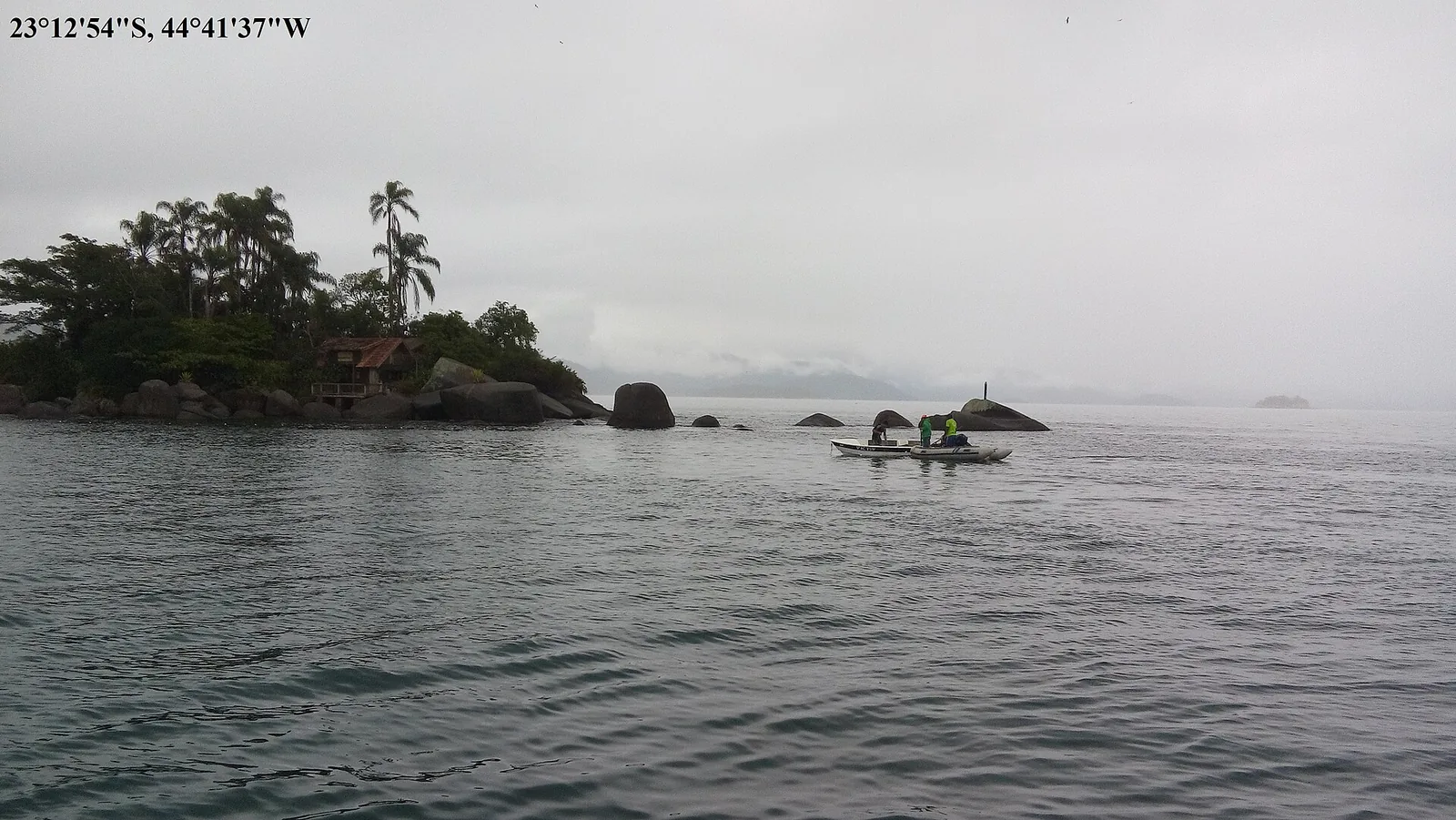
Now the honest caveat, and it matters more in Paraty than in the cities. Once you leave the paved, wired centre of town, cards thin out. The men who run the wooden schooners out to the island beaches often want cash. The kiosks on the sand at the quieter beaches, the barraca where you buy a cold beer and a plate of fried fish, may have a machine or may not, and the signal to run it may come and go. The village of Trindade, down the coast, runs on a looser, more cash-friendly rhythm. So the rule is simple: card in town, cash on the water and at the wild edges. Carry both, every day, and you never get caught out.
Which card to bring
A debit card that reimburses foreign ATM fees, or at least does not pile on its own, is worth its weight for cash withdrawals. A credit card with no foreign transaction fee is ideal for everything you tap. If your bank charges a percentage on every foreign purchase, those small fees add up over a week of coffees and dinners, so it is worth checking before you fly. Fintech travel cards from the usual names work well here and often give a fair exchange rate.
A small practical point that trips people up: Brazilian card machines often ask whether a credit purchase is à vista, paid in one go, or parcelado, split into instalments over several months. Instalments are a local habit for big purchases and mean nothing good for a foreign card, so always choose à vista, the single payment. If the machine asks crédito or débito, either works with most international cards, though crédito tends to be the smoother choice. When in doubt, the waiter or shopkeeper will steer you; it is a question they answer a hundred times a day.

Pix: why locals barely touch cash, and why you probably can't
If you watch a Brazilian pay for anything, you will likely see Pix. It is an instant bank-to-bank transfer system run by the central bank, free for individuals, working every hour of every day, settled in seconds. You scan a QR code or send to a key, a phone number or an email tied to an account, and the money simply moves. It has quietly replaced cash for a huge share of everyday spending, from paying a friend back to buying vegetables at a fair.
Here is the catch for visitors. To hold a Pix key you need a Brazilian bank or fintech account, and opening one generally requires a CPF, the local tax identification number. Some travellers who stay long enough, or who have Brazilian family, go through this. For a one or two week holiday it is not worth the effort. A few international fintech apps have begun to offer Pix to foreigners, and this is an area that keeps changing, so it is worth a quick search close to your trip. But plan as though you will not have Pix, and treat it as a bonus if you do.
Why mention it at all, then? Because you will see it everywhere, and because if a small vendor tells you they take only Pix or cash, you now understand what they mean and can reach for your notes without confusion. It also explains why some places seem faintly surprised to run a foreign card: for them, Pix is the default and plastic is the exception.
ATMs without the sting
You will want reais in hand, so let us make cash withdrawals painless. Brazil has plenty of ATMs, but they are not all equal, and a careless withdrawal can cost you more than it should.
Use the machines of the big banks: Banco do Brasil, Itaú, Bradesco, Santander and the state savings bank Caixa. These sit inside or outside proper bank branches, tend to accept foreign cards, and charge a defined fee. Avoid the standalone machines in airports and convenience shops, often branded for tourists, which advertise convenience and deliver poor rates and steep charges. If a machine offers to bill you in your home currency, always decline and choose reais; letting the machine convert, the trick called dynamic currency conversion, is a quietly expensive mistake.
Expect a Brazilian bank fee in the region of fifteen to twenty-five reais per withdrawal, on top of whatever your own bank levies. Daily limits are often modest, commonly around a thousand to two thousand reais per transaction or per day, and some machines cap foreign withdrawals lower still. Because each pull carries a flat fee, it is cheaper to take out a larger sum less often than to nibble small amounts daily, balanced against not wanting to carry a fat wallet around. Many machines also stop dispensing to foreign cards in the evening as a security measure, so withdraw in daylight.
A sensible cash routine
- Withdraw once, in a city or a bank branch, when you arrive, enough to cover the cash-only corners of your trip.
- Keep the bulk in the safe at your accommodation and carry only what you need for the day.
- Break big notes early. A 200 note is awkward at a beach kiosk; ask for change at a supermarket or restaurant so you have 10s, 20s and 50s for small buys.
- Top up before a boat day or a trip to the quieter beaches, where a card is least likely to work.

Tipping in Brazil: the 10% service charge, explained
This is where visitors most often tie themselves in knots, and it is genuinely simple once you see it clearly. Most sit-down restaurants and bars in Brazil add a service charge to the bill, the taxa de serviço, almost always ten percent. It appears as a line near the bottom, sometimes labelled serviço. That charge is the tip, and it is intended to reach the staff.
By law that ten percent is optional. You are within your rights to ask for it to be removed, and if service was genuinely poor you can. In practice, locals pay it as a matter of course, and so should you unless something went badly wrong. Paying it is the norm; skipping it reads as a pointed complaint. The good news is that once you have paid the serviço, you are done. There is no need to add cash on top, no mental arithmetic, no awkward hovering over a receipt. One ten percent, already calculated, and that is the whole custom.
Do check whether the charge is there before you decide to leave anything extra. If a bill has no serviço line, which happens at smaller or more casual places, then rounding up or leaving roughly ten percent in cash is a genuine kindness. If the serviço is already there, adding more is generous but not expected, and no one will think you rude for simply paying what the bill says.
Beyond the restaurant
- Taxis and ride apps: round up to a convenient number. Drivers do not expect a formal tip.
- Cafes and counters: a tip jar may sit by the till; small change is welcome but never required.
- Hotel and pousada staff: a few reais for a porter who carries bags, or left for housekeeping at the end of a stay, is a warm gesture. There is no fixed rate.
- Tour guides and boat crews: if a guide has made your day, a tip in cash at the end is appreciated. Judge it by the effort and the size of the group.
- Beach vendors and kiosks: no tipping culture here. Pay the price, enjoy the fish, and that is that.
One thing to avoid is double tipping out of anxiety, adding cash on a bill that already carries its ten percent because it feels too easy. Once is plenty. The person who most often overpays in Brazil is the nervous first-timer, not the local.
What things actually cost in Paraty
Numbers help, so here are honest ranges for the things you will buy on this stretch of coast. Treat them as the middle of a spread, not a promise, and remember that a table with a view and a wine list will always outrun a plate of the day at a simple lanchonete.
Eating and drinking
A casual, satisfying meal, a generous plate at a self-service restaurant charged by weight, a burger and a juice, a plate of the day, tends to land somewhere in the region of fifty to eighty reais a head. A proper dinner out at one of the restaurants in the historic centre, with a starter, a seafood main to share, and a couple of drinks, climbs into the low-to-mid hundreds per person, and a special seafood spread with wine can go higher again. Coffee is cheap. A draught beer or a caipirinha at a bar sits in the low tens of reais, more at the smart places on the water.
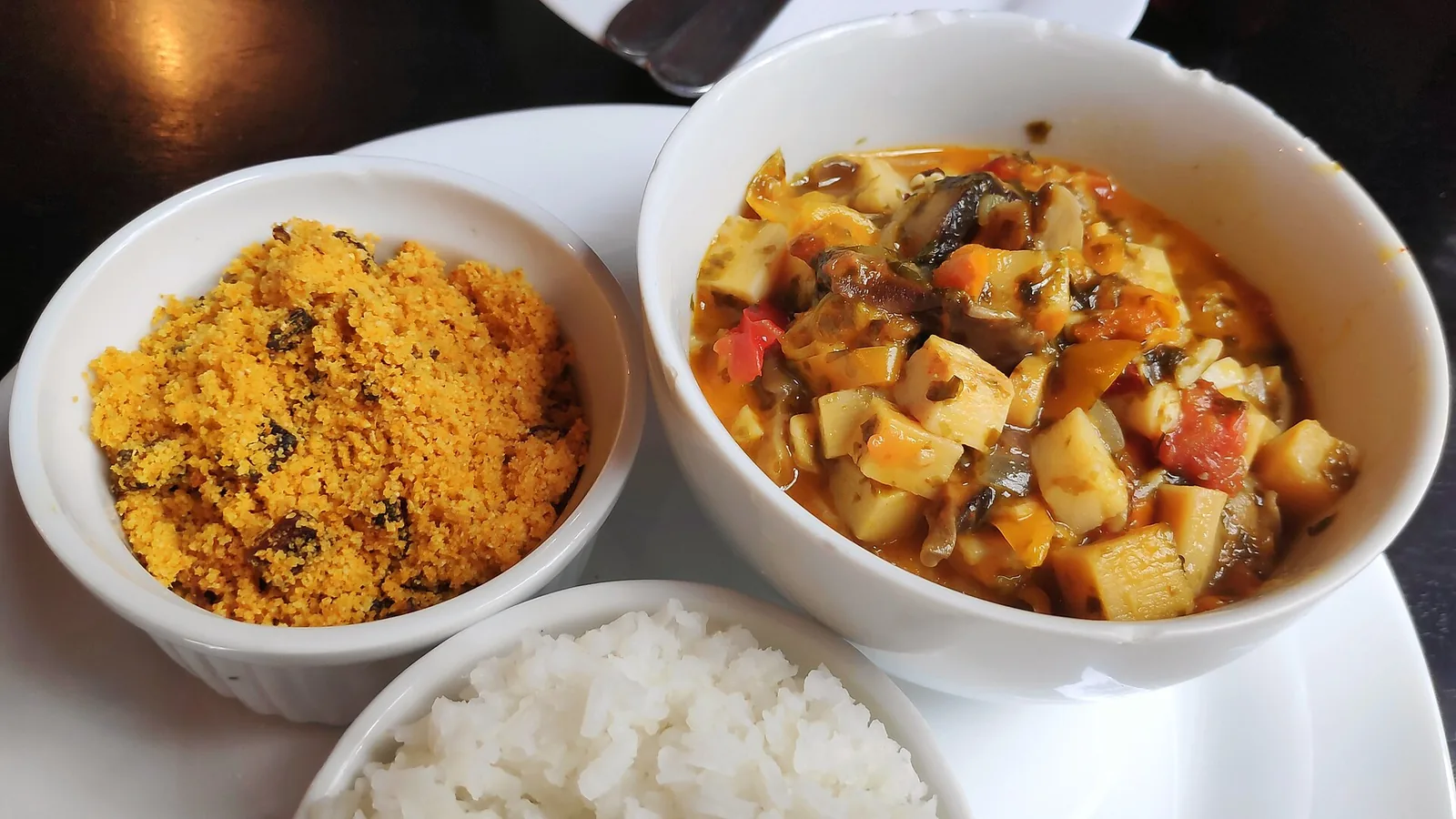
Seafood is the reason many people come to eat here, and it is priced accordingly, especially the moqueca, the coconut-and-palm-oil fish stew that arrives in a clay pot meant for two. It is one of the region's real pleasures and one of its bigger single spends. If you want to understand the local kitchen before you order, the guide to Brazilian food is a good primer.
Cachaça and the caipirinha
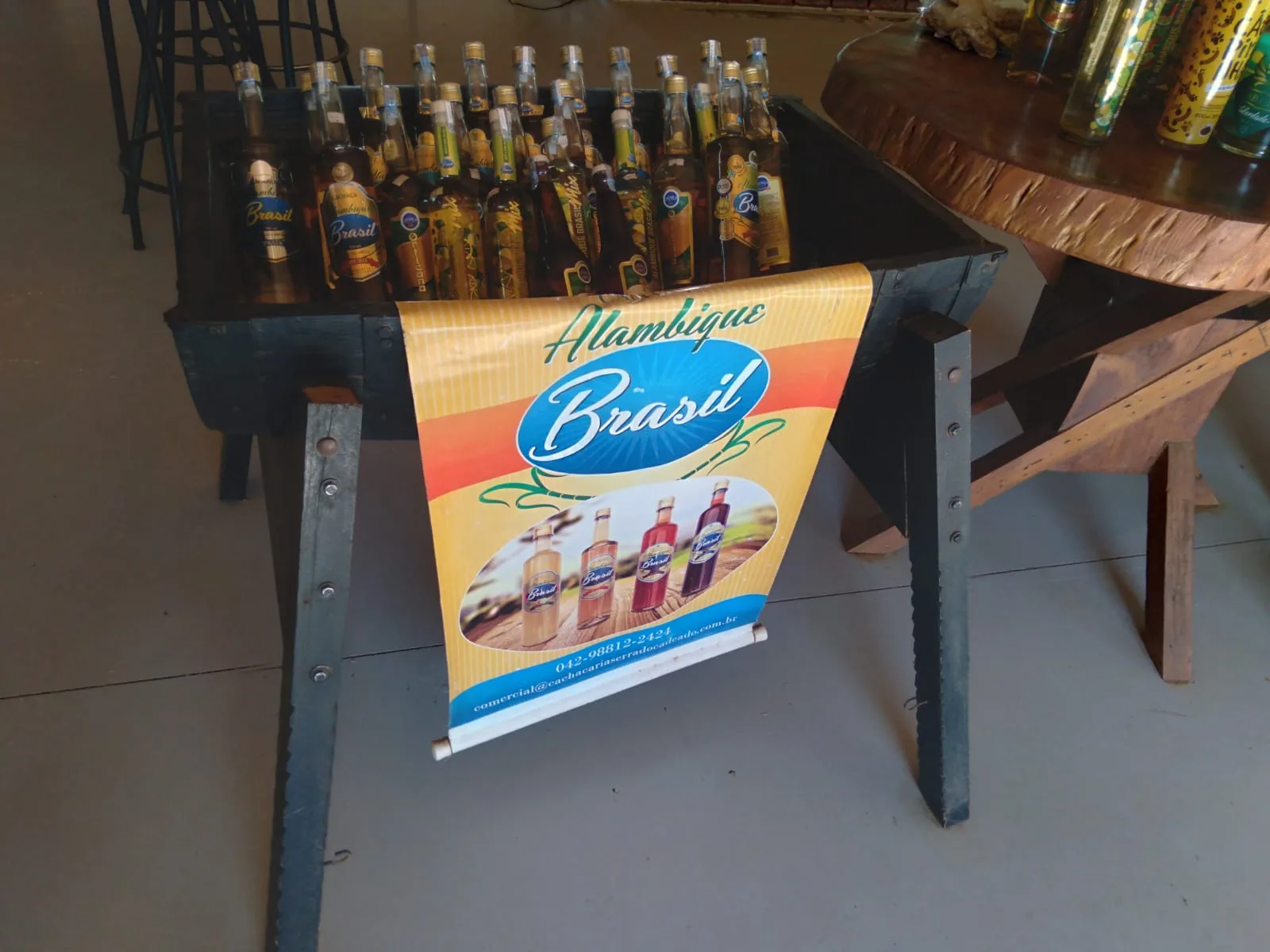
Paraty is a cachaça town with real history behind the claim, and a tasting at one of the family distilleries in the hills is one of the cheapest good afternoons you can have here. A visit and a flight of tastes costs little; the money goes on the bottle you carry home, and a well-aged cachaça can be a serious purchase. The distillery guide covers where the tradition comes from, and the cachaça and caipirinha piece explains why the drink matters so much on this coast.
Groceries and self-catering
If your stay has a kitchen, and ours does, the supermarkets and the weekly street fair, the feira, make self-catering a pleasure and a saving. Fruit is abundant and cheap, fish is fresh, and a fridge stocked with breakfast things, cold drinks and the makings of a caipirinha takes real pressure off the daily spend. Buying your own beer and wine to enjoy by the pool costs a fraction of a bar tab.
Getting around and out on the water
Taxis and ride apps within and around town are inexpensive by international standards. The bigger discretionary spends are the boat trips. A shared schooner tour of the bay's islands and swimming stops runs at a moderate per-person price, while a private boat for a family or a group of friends is a treat that costs more but buys you the day on your own terms. The boat tour guide lays out the options, and if you are weighing a private charter, the beaches guide shows what is out there to aim for. Budget cash for the crew and the kiosks wherever you land.

.jpg)
Building a daily budget for the Green Coast
People find it easier to plan against rough daily tiers than against a single figure, so here is how spending tends to stack up per person, on top of accommodation, which I will treat separately because it swings so hard by season.
- Modest and active: cook breakfast, eat a weigh-and-pay lunch, keep dinners simple, walk and use the occasional taxi, swim off the free beaches. A day like this can sit comfortably in the lower hundreds of reais.
- Comfortable: a nice lunch out, a proper dinner in the centre with drinks, a shared boat trip, a few taxis and a cachaça to take home. This is where most holidaymakers land, in the mid hundreds per person on a full day.
- Unhurried: long lunches, seafood dinners with wine, a private boat, a guide for a day trip and no counting. Easily several hundred reais a day, and worth it on the days you choose it.
The trick is not to spend every day the same way. A big seafood-and-boat day paired with a slow, self-catered day by the pool gives you the best of the coast without the budget creeping. That rhythm, out for the day and back to a quiet base, is exactly what a hillside chalet with its own kitchen and pool is built for.
Families and groups have their own maths, and mostly it works in their favour here. Children eat cheaply, a shared house with a kitchen spreads the accommodation cost across more people, and a private boat that looks dear for a couple becomes good value split four or six ways. The family guide gets into the day-to-day of travelling here with children. Couples, by contrast, tend to spend more per head on eating out and less on space, and can lean into the long-lunch, seafood-dinner end of the coast without a second thought. Solo travellers land somewhere between, and find Paraty an easy, safe place to manage money alone, with card-friendly cafes and a walkable centre. Whatever the shape of your group, the levers are the same: cook some, eat out some, and choose your boat days.
Seasonal price swings, and how to read them
Accommodation and tours are the parts of a Paraty budget that move most, and they move with the calendar. Understanding the seasons is the single biggest lever you have over what a trip costs.
The Brazilian summer, from December through February, is peak season on the whole coast. School holidays, hot weather and the pull of the beach send prices up and fill the town. Within that peak sit the sharpest spikes: the days around New Year, when the coast is at its busiest, and Carnival, whose exact dates shift each year but which reliably packs Paraty and lifts rates. The best time to visit Brazil piece sets out the national picture, and the local Paraty timing guide gets into the detail.
Paraty has one more calendar quirk worth knowing: its festivals. The FLIP literary festival draws writers and readers from across the country and fills every room in town, so rates jump and availability vanishes for its run. The Festa do Divino, a religious and cultural festival with deep roots here, and the various cachaça and cultural events also bring crowds. If you want the town at its liveliest, aim for these; if you want value and calm, avoid them. The festivals guide maps out the year.
The reward for flexibility is real. Travel in the shoulder months, roughly the mild stretches of autumn and spring here, and you will find lower room rates, cheaper tours, thinner crowds and a town that feels like itself, with the trade-off of a higher chance of rain, especially in the wetter early months of the year. For many people that is a fair swap, and the coast is beautiful under a moody sky as well as a bright one.

Money for travellers coming from São Paulo and Rio
If you are Brazilian or already in the country, most of the friction above simply does not apply. You will pay by Pix and card as you do at home, and cash is a small backstop for the beach and the boat. What is worth planning is the drive and the fuel, because Paraty is a road trip for most domestic visitors.
From Rio de Janeiro the coastal road down through Angra dos Reis is a few hours of driving, longer on a peak Friday when half the city has the same idea. From São Paulo the run over the Serra and down to the coast is a similar half-day effort. Either way, budget for fuel, for the odd toll, and for the fact that parking in Paraty's historic centre is restricted, since the old town's cobbled lanes are largely closed to cars. Many visitors park at the edge and walk in, and a hillside base a short drive above town, with its own parking, sidesteps the worst of that daily hunt for a space. If you want the practicalities of reaching us, the getting-around page covers roads, transfers and the last stretch up the hill.
Domestic travellers also tend to know the seasonal pattern in their bones, but it is worth repeating that long weekends and national holidays, the feriados, hit Paraty hard. A three-day weekend can price and fill the town like a mini high season, so book early and expect company.
Money for travellers coming from abroad
Arriving from North America, Europe or further afield adds a few first-day questions, and they are easy to settle. Do not change large sums at the airport, where rates are poor. Take out a first batch of reais from a bank ATM once you are through, ideally at a Banco do Brasil, Itaú, Bradesco or Santander machine, and decline any offer to bill you in your home currency. Keep a modest amount of dollars or euros in reserve, tucked away separately, purely as a backstop for the rare day that cards and ATMs both fail you.
Notify your bank of the trip, bring two cards on different networks, and lean on tap-to-pay for daily spending, which usually gives a better rate than any exchange desk. If you like the security of a dedicated travel-money app, several work smoothly in Brazil and spare you fees. Beyond that, the etiquette is the same as for everyone: card in town, cash on the water, and pay the ten percent on the bill without fuss.
One gentle note for first-timers: Brazil is warm and informal, and money interactions are relaxed rather than fraught. Vendors are patient with a foreign card, waiters will happily explain the serviço line if you ask, and a little Portuguese, even just por favor and obrigado, goes a long way. If this is your first landing in the country, the arriving-in-Brazil guide walks through those first hours in more detail.
Staying safe with your money
Brazil rewards ordinary common sense, no more and no less. In the cities you would not flash a phone or a fat wallet, and the same modest habits serve you here. Carry the day's cash and one card, leave the rest in the room safe, and keep your phone in your pocket rather than on the restaurant table. On the beach, take only what you need and keep valuables out of sight while you swim.
At ATMs, use machines inside bank branches where you can, in daylight, and shield the keypad. If a machine looks tampered with or a stranger hovers too close, walk to another. Keep a photo of your passport and a note of your bank's overseas number somewhere separate from your cards, so a lost wallet is a phone call rather than a catastrophe. Paraty's historic centre is a calm, walkable place in the evening, more so than a big city, but the same quiet care never hurts.
Watch, too, for the small over-charges that creep into any tourist town: a bill that has quietly added a couvert, the small charge for the bread and nibbles brought to the table, or a serviço counted twice. None of it is sinister; a glance at the bill and a polite question clears it up. Money in Brazil rarely bites the prepared traveller; it only surprises the one who assumed the beach kiosk took cards.
A few honest money mistakes to avoid
- Relying only on cash. Carrying a thick wallet everywhere is both riskier and more expensive, given ATM fees, than tapping a card for most things.
- Relying only on cards. The opposite trap. The best beach day of your trip may be the one where the boat man and the kiosk both want notes you do not have.
- Letting the machine convert. Always pay and withdraw in reais, never in your home currency. Dynamic currency conversion is a quiet tax.
- Using tourist ATMs. The standalone machines at airports and in shops charge more and give worse rates than a proper bank.
- Double tipping. The ten percent serviço on the bill is the tip. Adding cash on top is generous, not required.
- Booking blind into a festival week. FLIP, New Year and Carnival transform prices. Know the calendar before you commit.
- Bringing lots of foreign cash to exchange. You need far less than you think. Cards and bank ATMs do the heavy lifting.
Settling in above the bay
All of this is easier when you have a base to come home to, somewhere you can drop the day's cash in the safe, stock a fridge, and stop thinking about money altogether. That is the quiet argument for a hillside chalet a short drive above town, with an infinity pool that looks out over Paraty, Angra dos Reis and Ilha Grande in a single sweep. You buy your fish and your cachaça in town, you cook when you feel like it and eat out when you do not, and you return to a swim with the whole bay laid out below. Read more about the house on the chalet page, plan the surrounding coast through explore Paraty or the wider bay and mangrove country, and when you are ready to fix dates, the contact page is the place to start.
Handled well, money on the Green Coast is a small, solved problem. Bring two cards and a little cash, respect the ten percent, use bank ATMs, and let the season guide your dates. Do that, and the only sums you will find yourself doing are the pleasant ones: how many days you can stay, and how soon you can come back.

Frequently asked questions
Brazil uses the Brazilian real, written R$ and abbreviated BRL. One real divides into 100 centavos. You will see prices like R$ 60 on menus and shop tags. As a rough guide the real has traded around five to six to the US dollar and near six to the euro in recent years, though rates move, so check on the day.
Cards, including contactless, work in most restaurants, pousadas, larger shops and supermarkets in Paraty. Visa and Mastercard are accepted almost everywhere; American Express less so. The gaps are beach kiosks, boat men, some market stalls and remote spots like Trindade, where you should carry cash.
Pix is Brazil's instant bank transfer system, free and running around the clock through a QR code or a key. Locals use it for almost everything. Tourists can use it only if they hold a Brazilian bank or fintech account, which usually needs a CPF tax number, so most short-stay visitors rely on cards and a little cash instead.
Most sit-down restaurants add a 10% service charge, the taxa de serviço, to the bill. It is legally optional but locals treat it as expected, so paying it is the norm and no extra cash is needed. For taxis, round up. For hotel porters and housekeeping, a few reais is a kind gesture rather than a duty.
You can, but you do not need much. Cards cover most spending and often give a better rate than exchange desks. Bring a modest amount of foreign cash as a backup, exchange only what you need at a bank or licensed casa de câmbio in a city, and rely on bank ATMs in Brazil for reais.
A comfortable day, with a nice dinner out, drinks, a boat trip or a taxi and a few extras, tends to land in the mid hundreds of reais per person, less if you cook and walk, more on a big seafood-and-cachaça night. Accommodation sits on top of that and swings hardest by season.
Yes. Rooms and tours are noticeably cheaper outside the December to Carnival summer peak, the New Year and Carnival weeks, and the FLIP literary festival, when the town fills and prices climb. Shoulder months bring lower rates, thinner crowds and a calmer town, with a higher chance of rain.